
Gezicht te Petten bij nacht. het 1e wachtlokaal — History & Facts
Can paint confess what words never could? In Gezicht te Petten bij nacht. het 1e wachtlokaal, the canvas reveals a profound truth that transcends mere description, inviting the viewer to immerse themselves in the silence of night. Look to the left where the deep indigo of the sky envelops a small coastal village, punctuated by the warm glow of streetlights casting soft halos on the cobblestone path. The shadows of the buildings lean into one another, creating an intimate embrace reflecting the serenity and stillness of the late hour.
Notice how the artist employs a delicate balance of light and darkness, using muted colors to evoke a sense of calm, yet with an urgency that suggests the unseen presence of life behind closed doors. Beneath the tranquil surface, there lies an intricate interplay of isolation and connection. The warmth of the lights contrasts with the coolness of the night, hinting at the lives that exist beyond the canvas — stories waiting to unfold. The careful detailing of the architecture speaks to the resilience of the human spirit, while the emptiness of the streets whispers of solitude.
It is this delicate tension that encapsulates an emotional landscape, inviting contemplation of what it means to belong. Created in 1939, the year Europe teetered on the brink of war, this work emerged from Maarten Oortwijn's studio in the Netherlands. A time marked by uncertainty and tumult, artists sought refuge in their canvases, exploring themes of truth and existence amid chaos. Oortwijn, influenced by the realities of his surroundings, captured not just a village at night, but a poignant reflection of human experience within an ever-changing world.
More Artworks by Maarten Oortwijn
Browse all →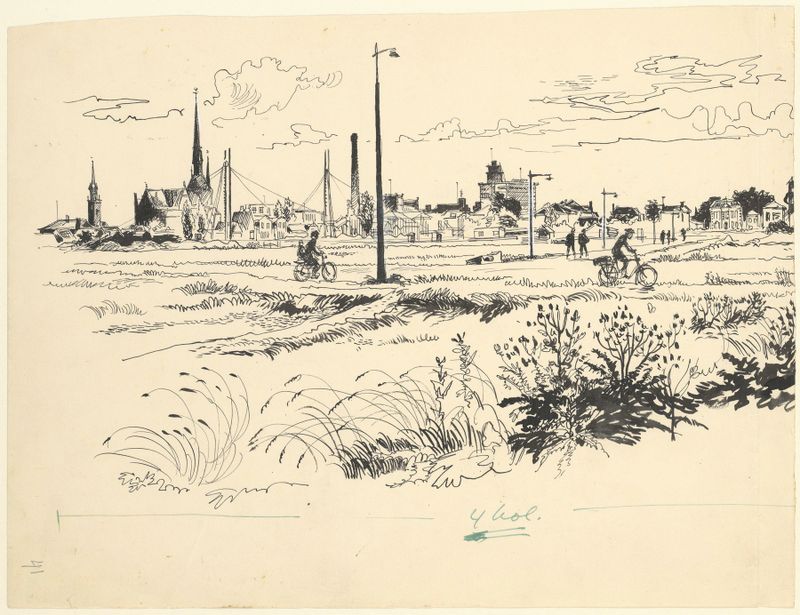
Gezicht op Koog aan de Zaan.
Maarten Oortwijn
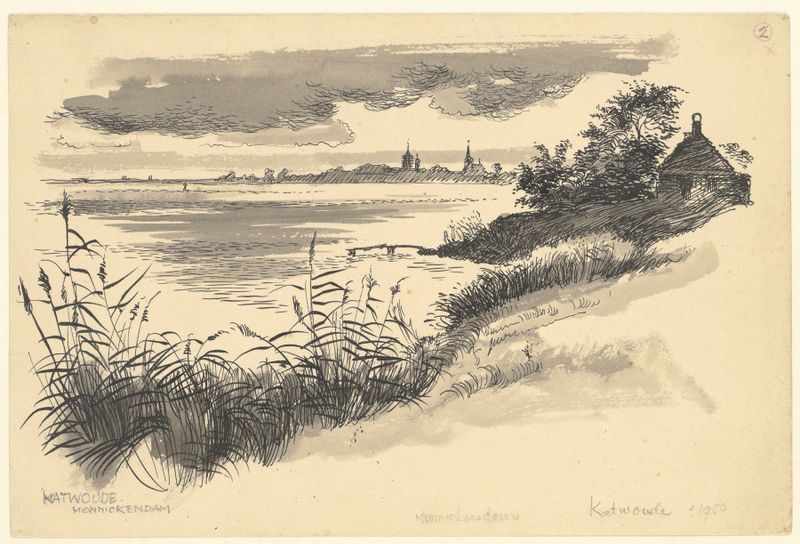
Gezicht vanuit Katwoude op Monnickendam
Maarten Oortwijn
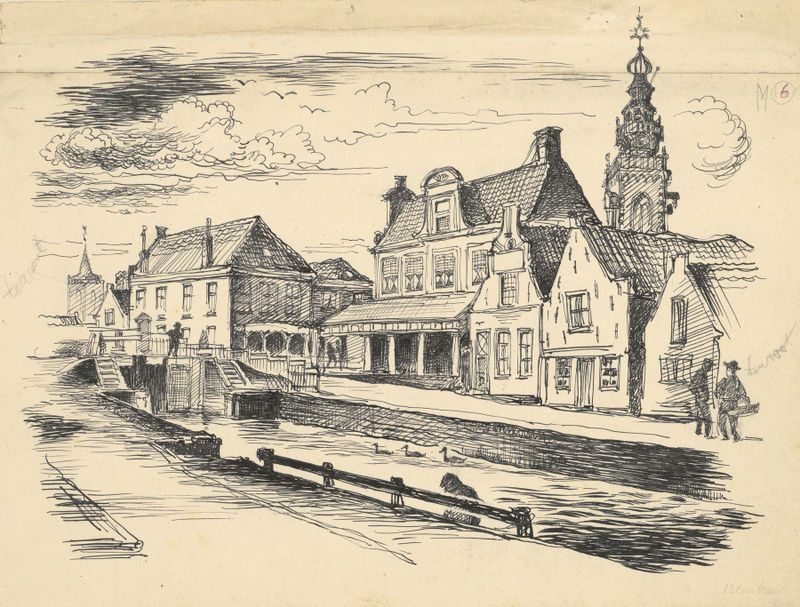
Gezicht vanaf de Gooische Kaai op de Waag
Maarten Oortwijn
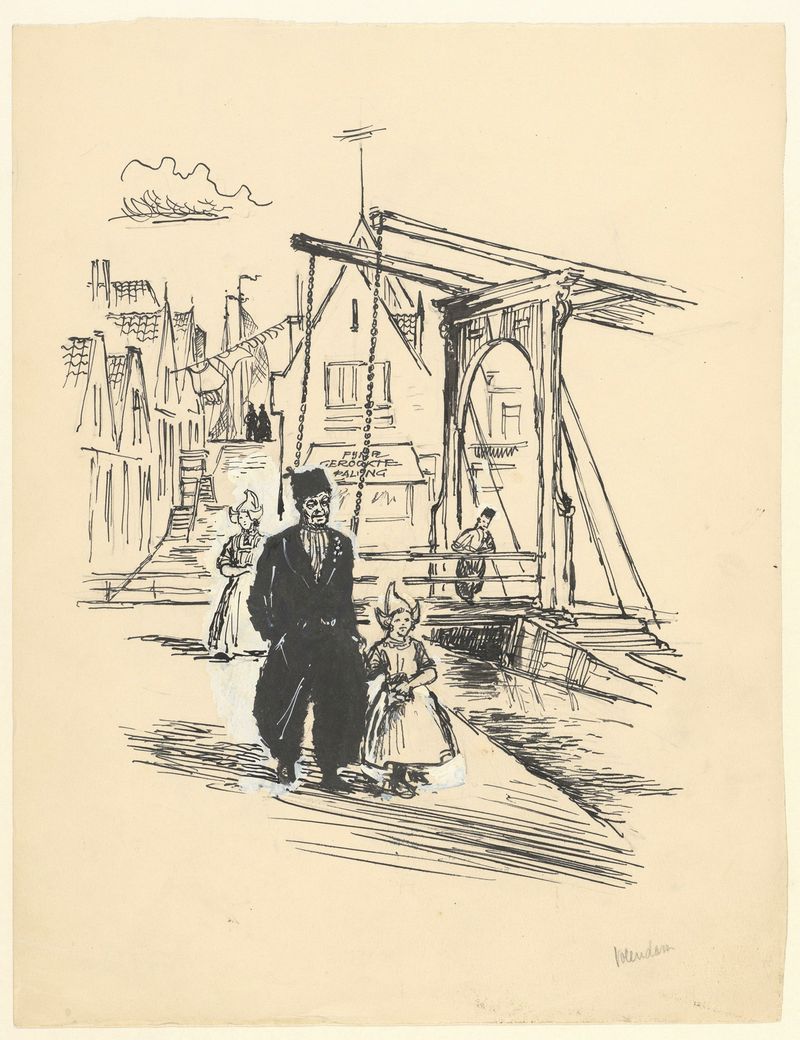
Gezicht te Volendam.
Maarten Oortwijn
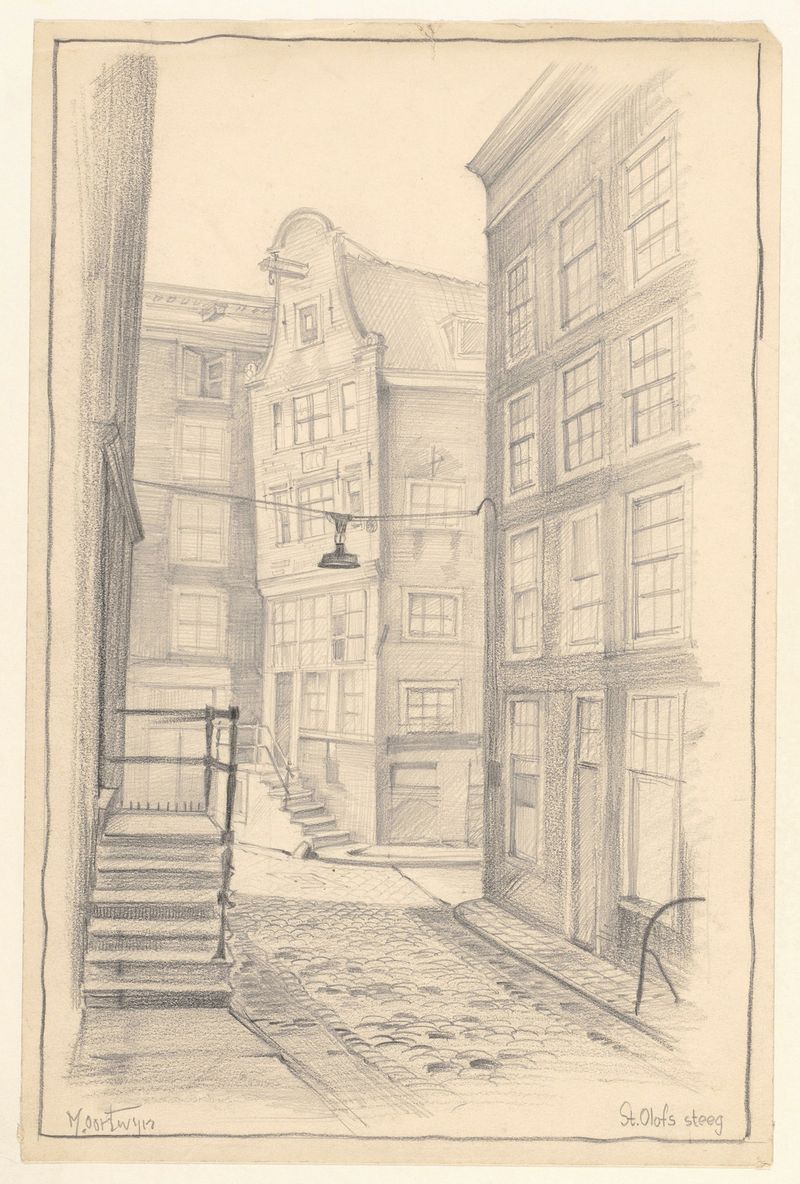
Gezicht in de St. Olofssteeg.
Maarten Oortwijn
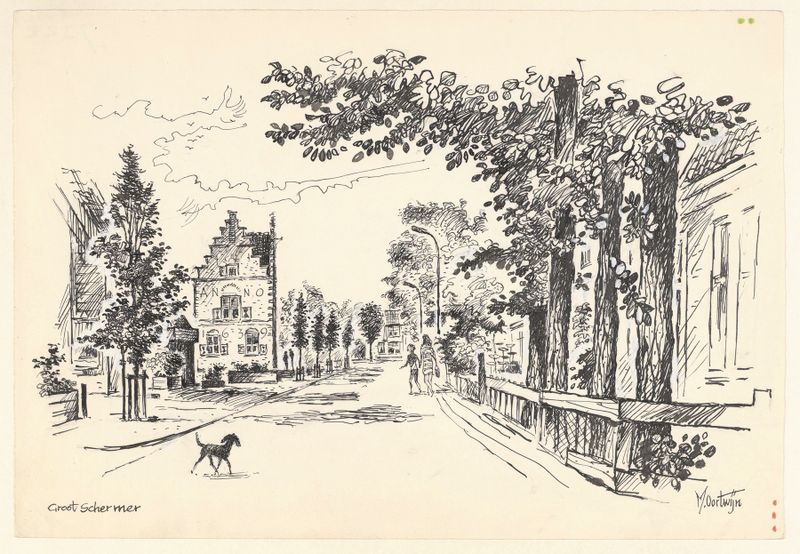
Gezicht te Grootschermer met het Raadhuis
Maarten Oortwijn
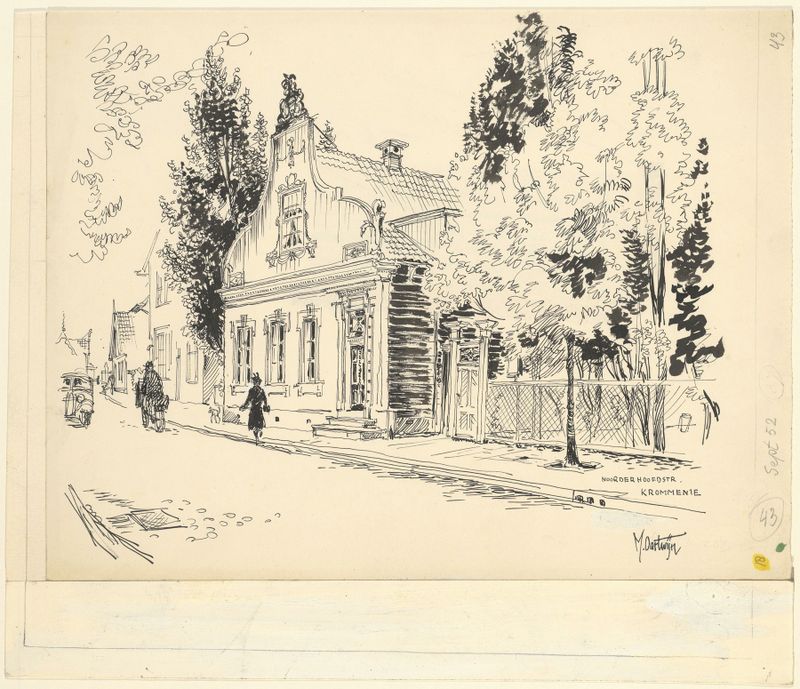
Gezicht in de Noorder
Maarten Oortwijn
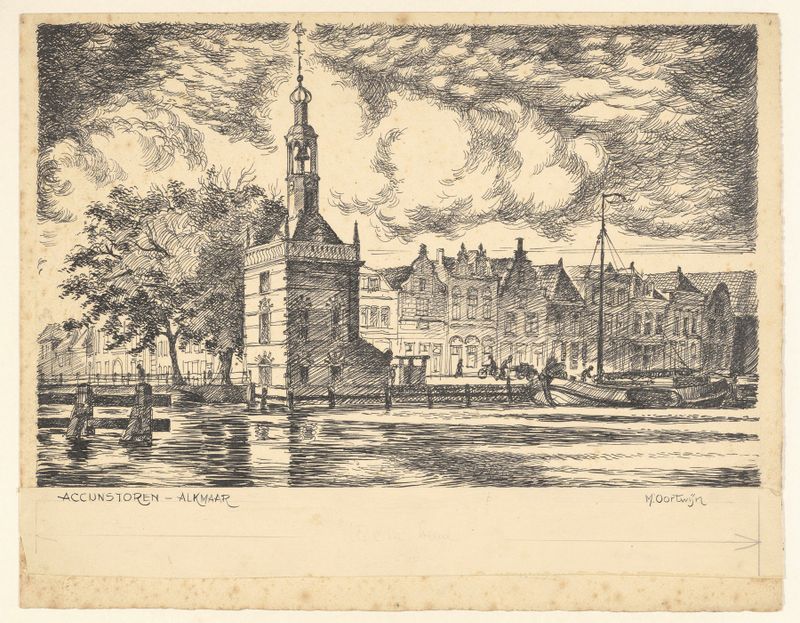
Gezicht op de Accijnstoren aan de Bierkade.
Maarten Oortwijn
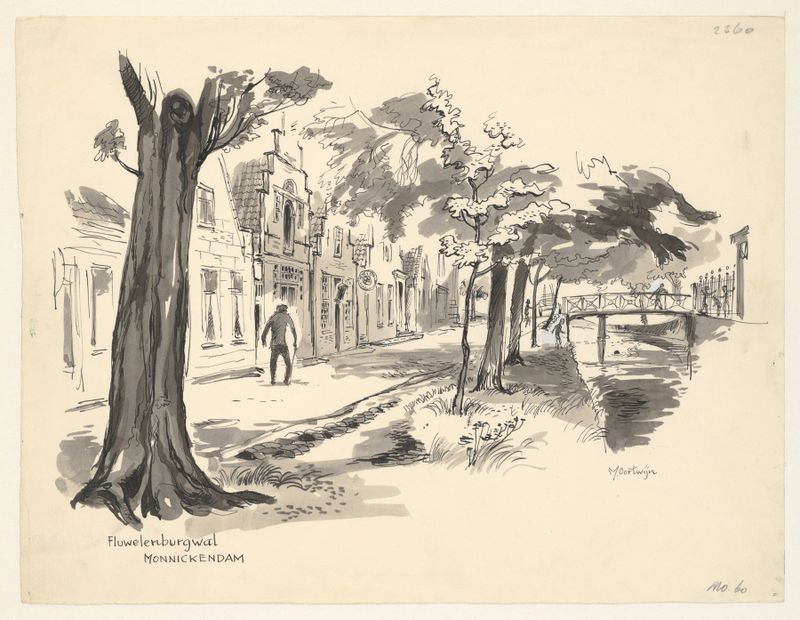
Fluwelenburgwal, Monnickendam
Maarten Oortwijn
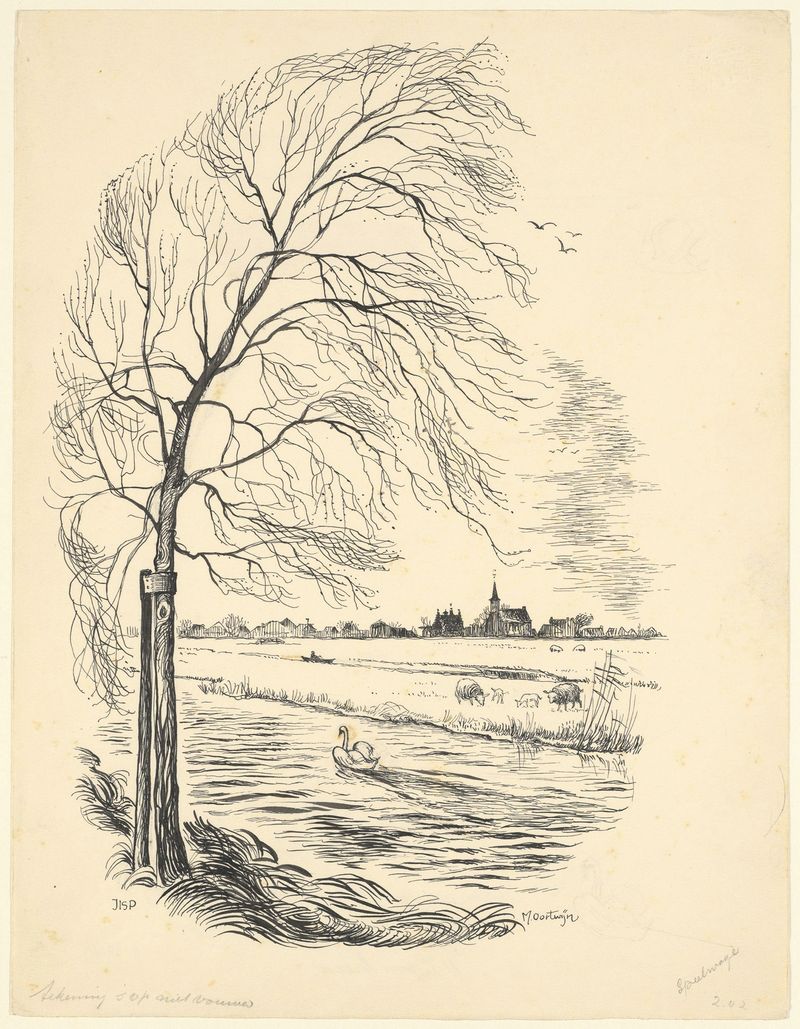
Gezicht op Jisp.
Maarten Oortwijn





