
Gezicht te Zaandam. — History & Facts
A fleeting moment of innocence captured in the essence of a landscape teeters on the edge of nostalgia and loss. It beckons the viewer to explore the delicate balance between serenity and the bittersweet threads of memory. Look to the center of the canvas where the soft hues of dawn embrace the peaceful waters. Oortwijn's meticulous brushwork deftly captures the reflections of the sky in the river, creating a shimmering mirror that plays with light and shadow.
The layered tones of blue and gold evoke a quiet warmth, while the distant windmills stand as sentinels of an era gone by, anchoring the scene in a sense of longing and continuity. Delve deeper into the complexities of this work. The juxtaposition of the vibrant landscape and the looming structures tells a story of industrial progress encroaching upon nature’s tranquility. Each stroke seems to whisper of innocence lost as the natural beauty of Zaandam stands resilient against the passage of time.
The delicate interplay between light and shadow hints at the emotional backdrop—an acknowledgment of the beauty that persists even in its fragility. In 1951, Oortwijn found himself in a post-war Netherlands, where a nation was slowly rebuilding and rediscovering its identity. Amidst the remnants of war-torn landscapes, he painted Gezicht te Zaandam, reflecting both the beauty of his homeland and the complex feelings of nostalgia that permeated the air. It was a time of resurgence in Dutch art, where artists sought to capture the essence of their surroundings, blending realism with a profound emotional undertone.
More Artworks by Maarten Oortwijn
Browse all →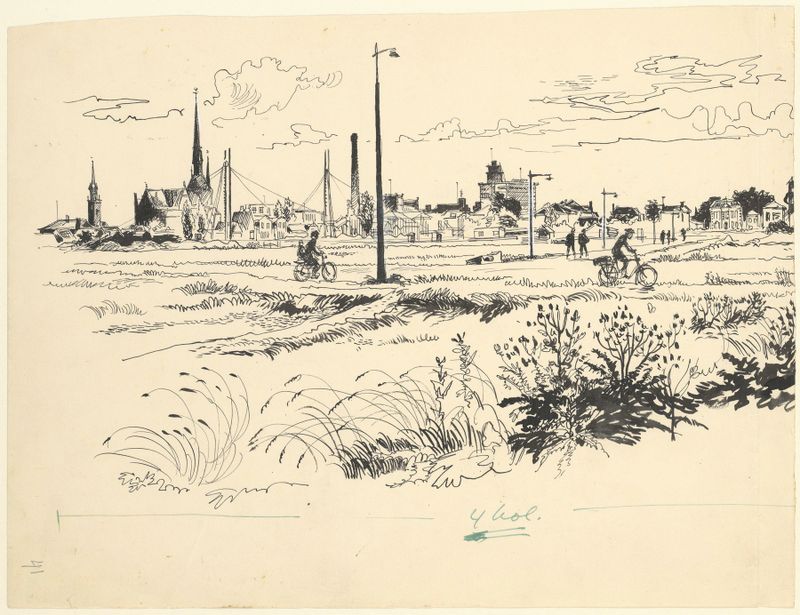
Gezicht op Koog aan de Zaan.
Maarten Oortwijn
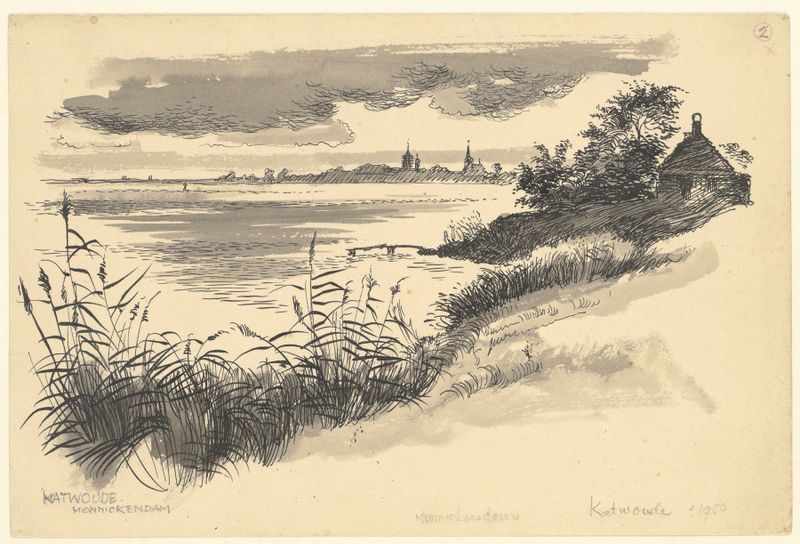
Gezicht vanuit Katwoude op Monnickendam
Maarten Oortwijn
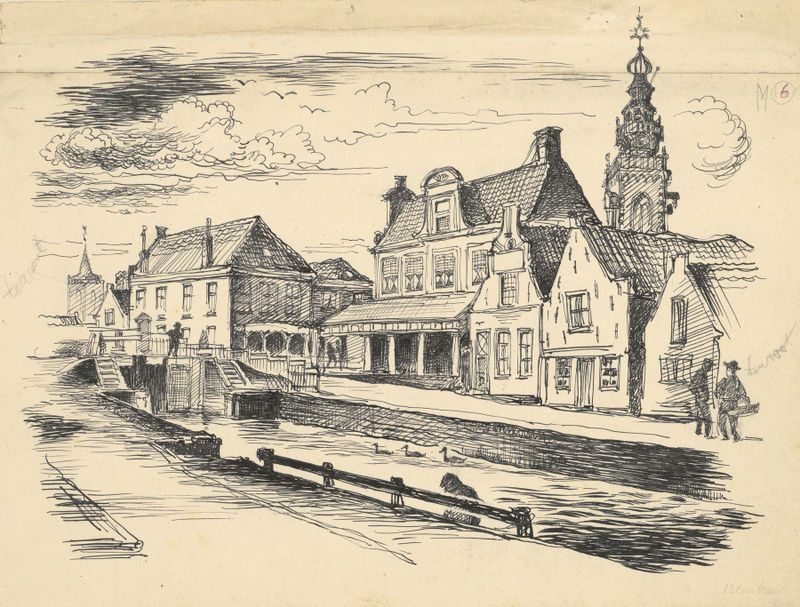
Gezicht vanaf de Gooische Kaai op de Waag
Maarten Oortwijn
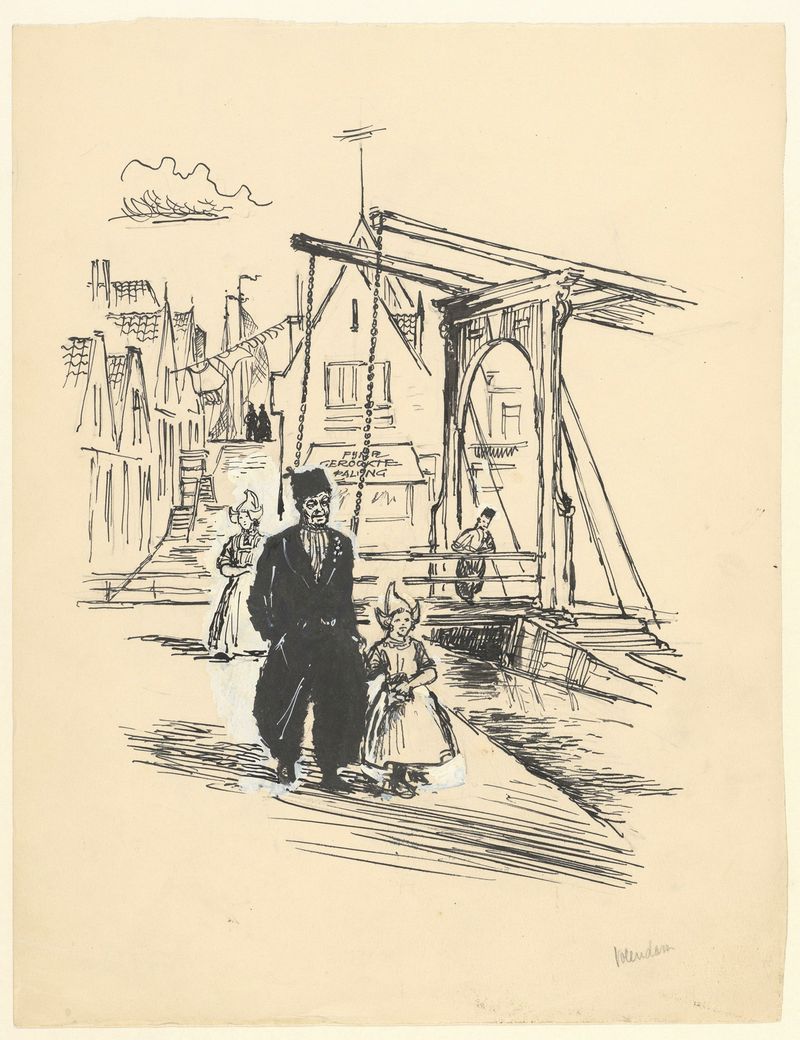
Gezicht te Volendam.
Maarten Oortwijn
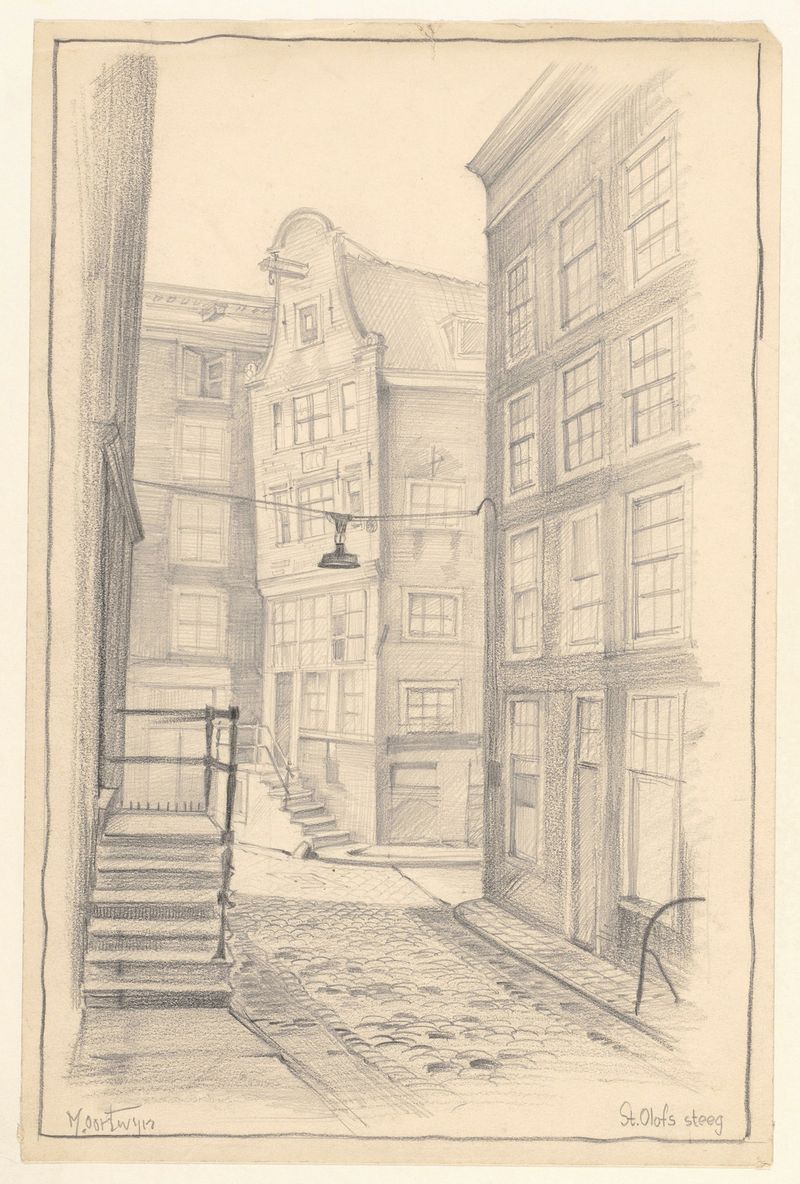
Gezicht in de St. Olofssteeg.
Maarten Oortwijn
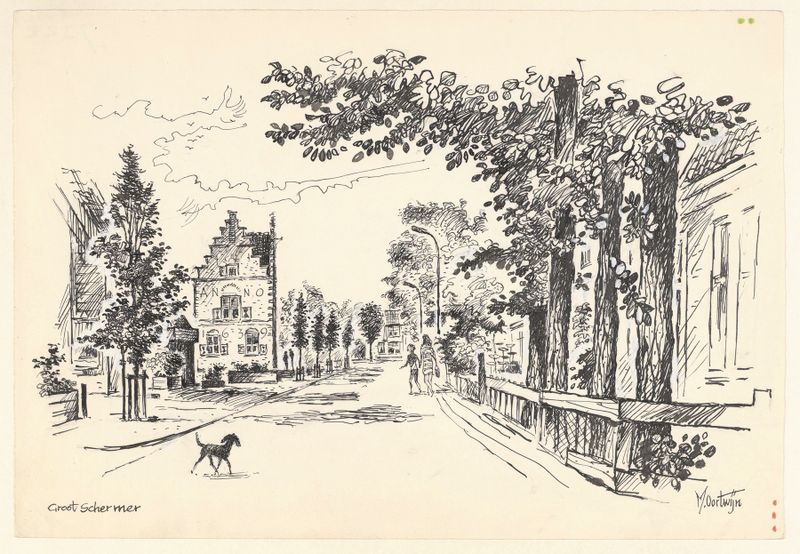
Gezicht te Grootschermer met het Raadhuis
Maarten Oortwijn
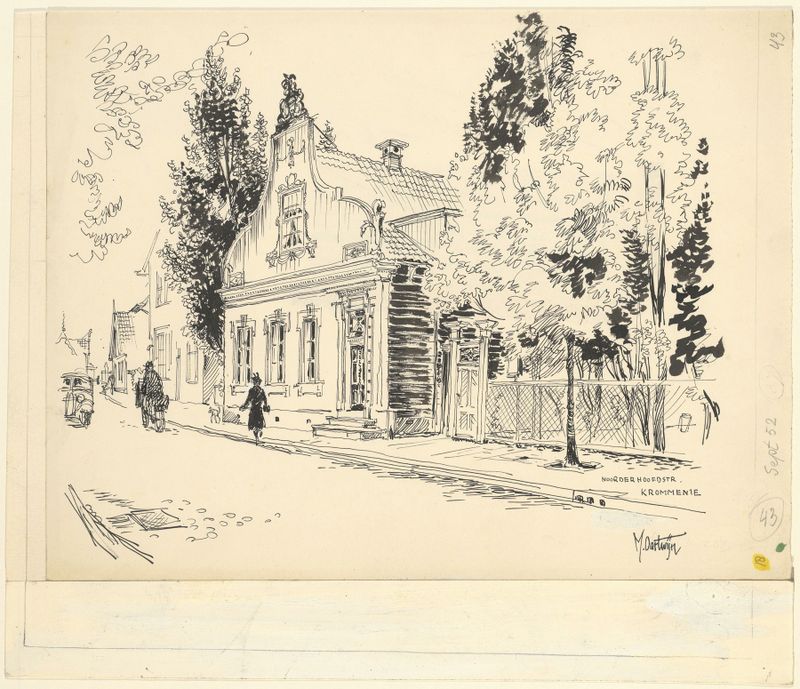
Gezicht in de Noorder
Maarten Oortwijn
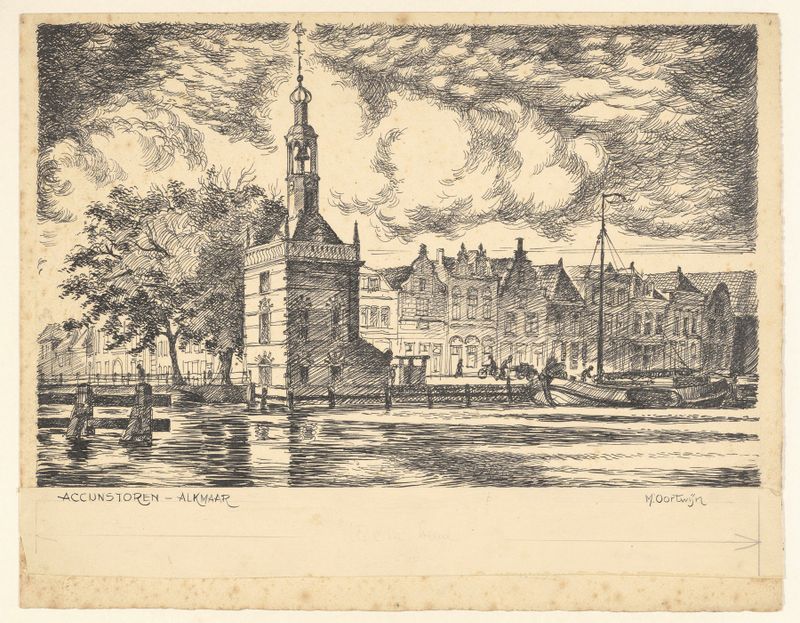
Gezicht op de Accijnstoren aan de Bierkade.
Maarten Oortwijn
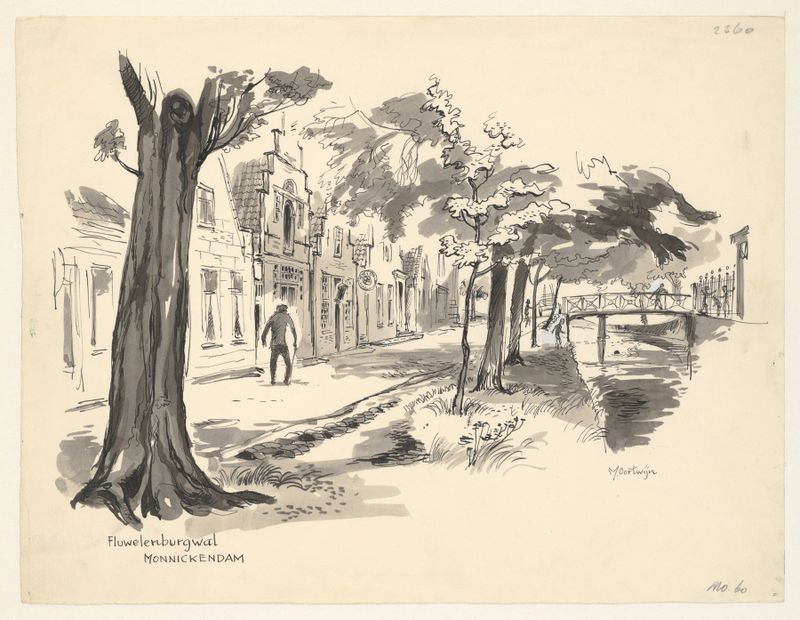
Fluwelenburgwal, Monnickendam
Maarten Oortwijn
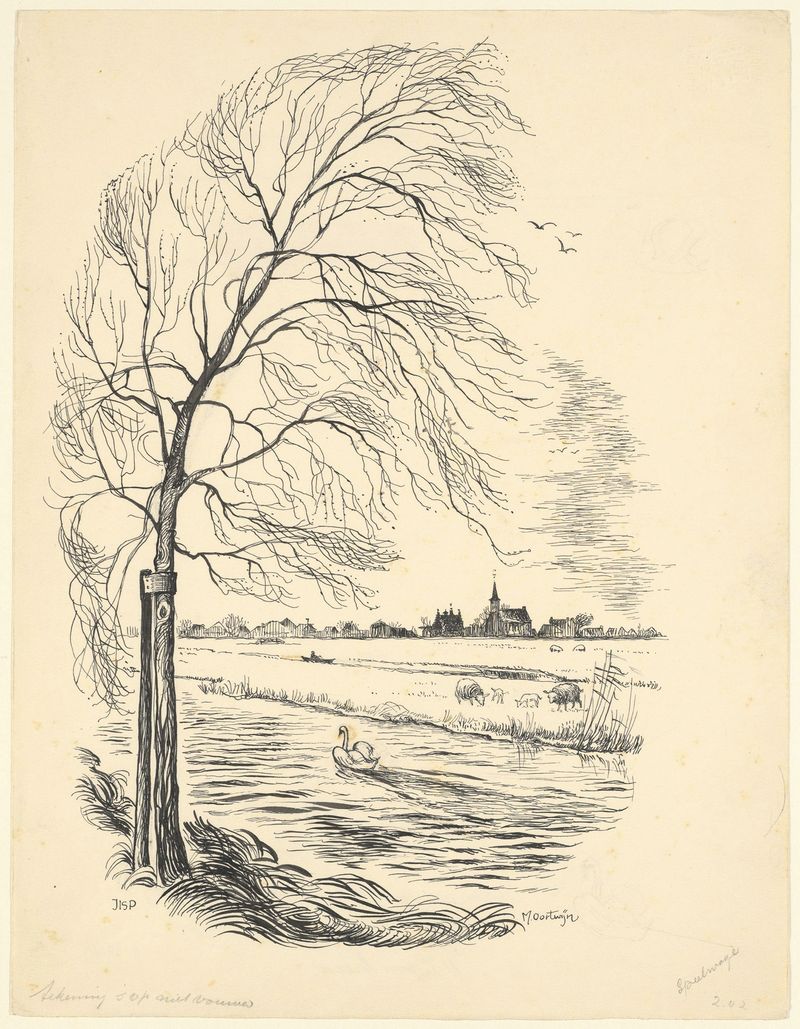
Gezicht op Jisp.
Maarten Oortwijn





