Discover insights about this artwork
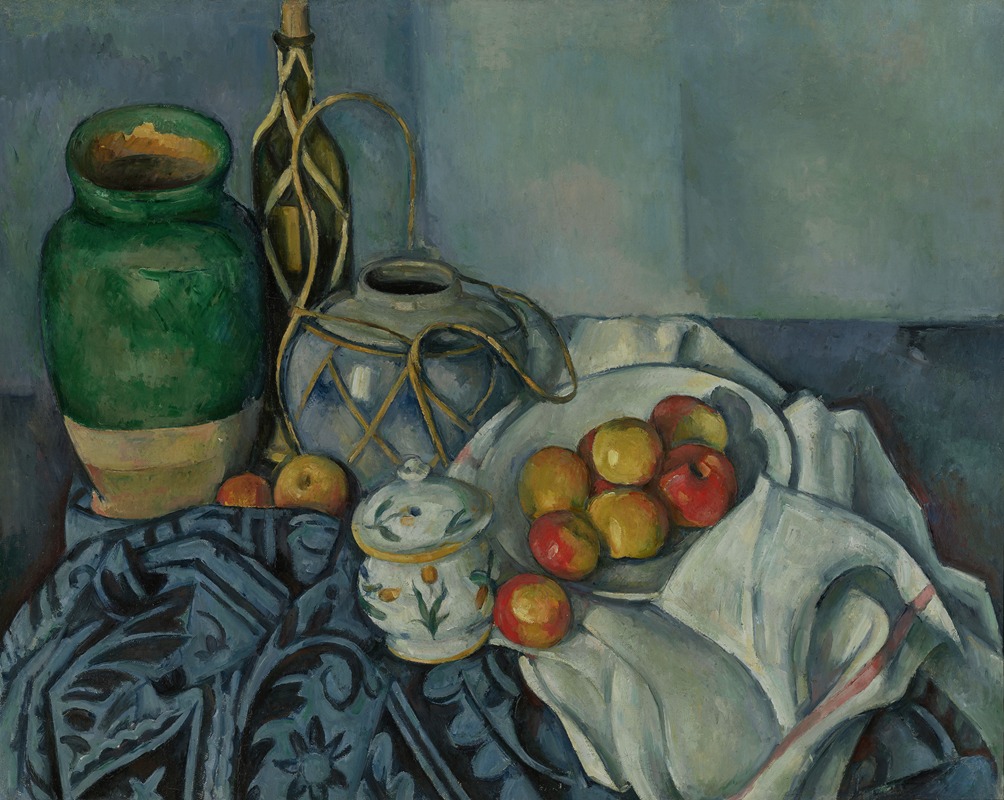
Ginger Jar (Pot de gingembre) — History & Facts
In Ginger Jar (Pot de gingembre), Paul Cézanne presents a still life composition centered around a ginger jar. The painting features a rich palette of earthy tones, including warm browns, soft greens, and hints of vibrant reds. The jar itself is depicted with a sense of volume and solidity, surrounded by a few fruits that add color and contrast.
The background is softly blurred, drawing attention to the jar and its immediate surroundings. Cézanne's technique is evident in the brushwork, which combines both loose and precise strokes to create texture and depth. The use of color is deliberate, with a focus on the interplay of light and shadow that gives the objects a three-dimensional quality. The ginger jar is rendered with a careful balance of form and color, showcasing Cézanne's ability to simplify complex shapes.
The overall composition is harmonious, reflecting his interest in structure and form. Paul Cézanne is often regarded as a precursor to modern art, influencing many artists in the 20th century. This particular work, painted in the 1890s, exemplifies his exploration of still life and the way he captured the essence of objects. Interestingly, Cézanne believed that still life was a way to understand the world around him, using everyday objects to convey deeper meanings.
The Ginger Jar is a testament to his innovative approach and his desire to break away from traditional representation.
More Artworks by Paul Cézanne
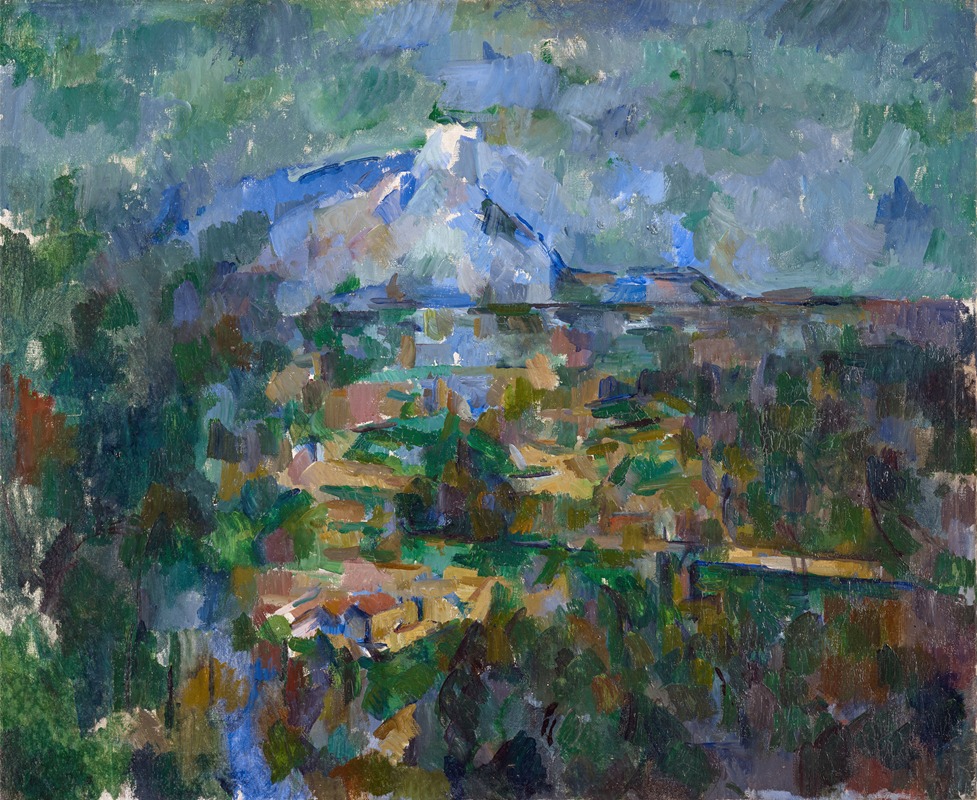
The Mont Sainte-Victoire Seen From Les Lauves
Paul Cézanne
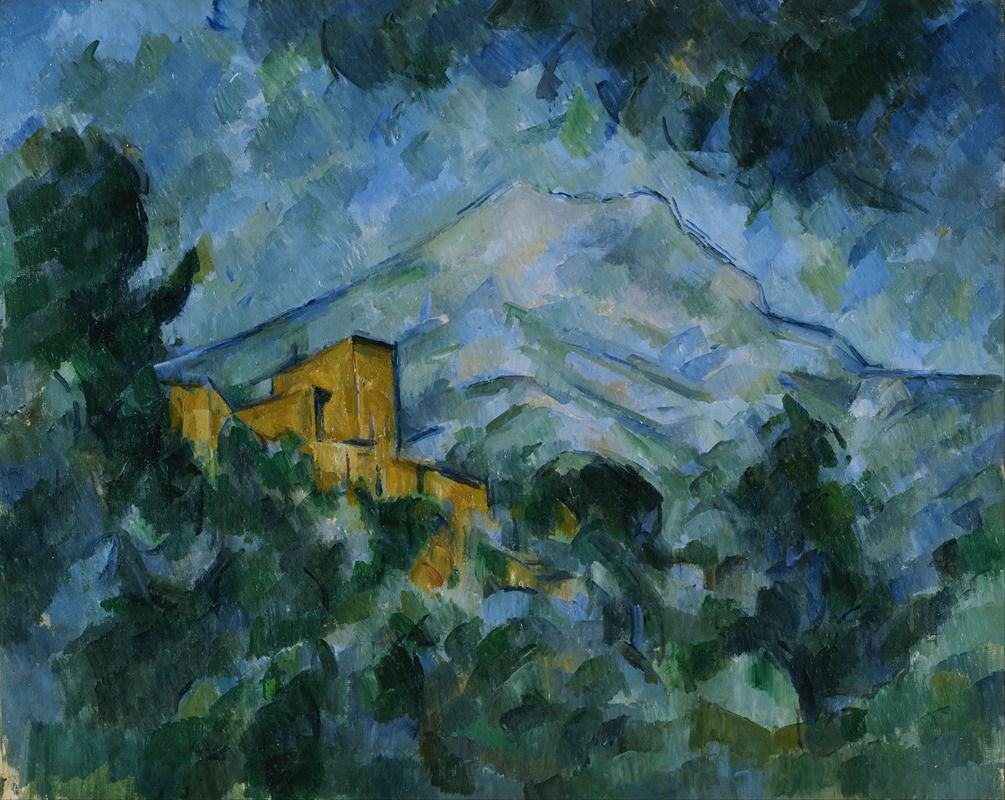
Mont Sainte-Victoire and Château Noir
Paul Cézanne
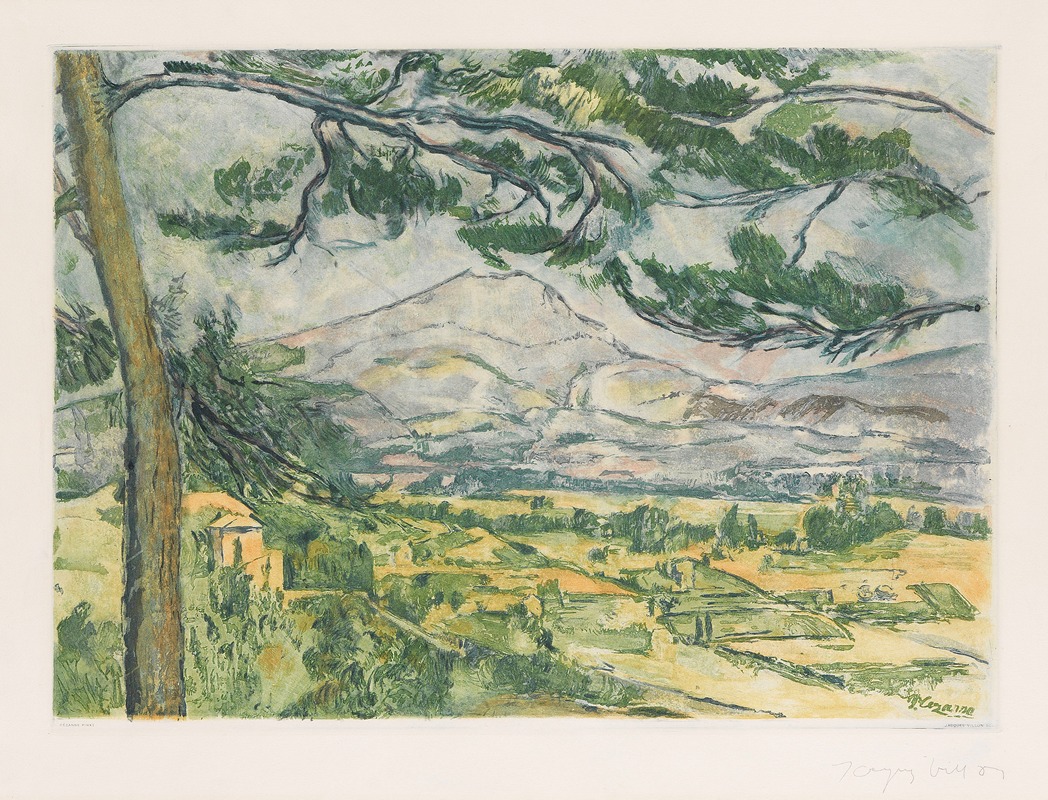
La Montagne Sainte-Victoire
Paul Cézanne
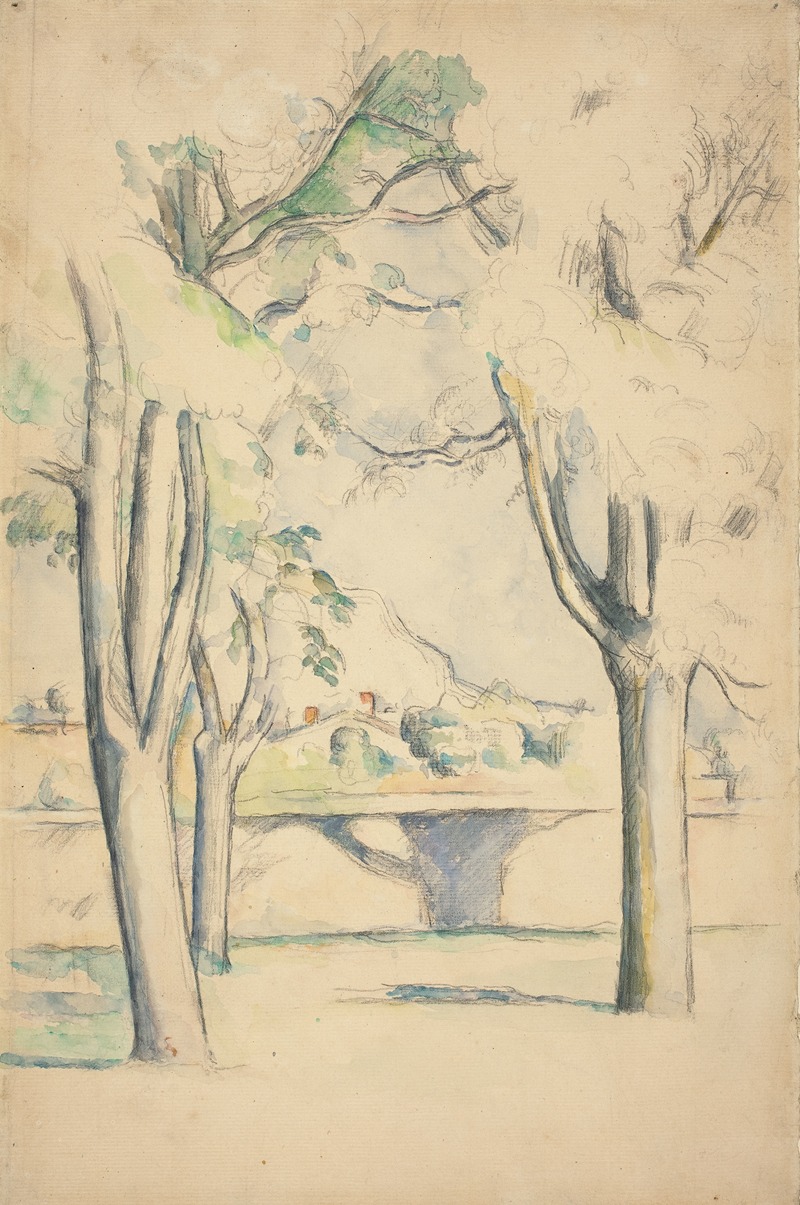
Mont Sainte-Victoire Seen beyond the Wall of the Jas de Bouffan
Paul Cézanne
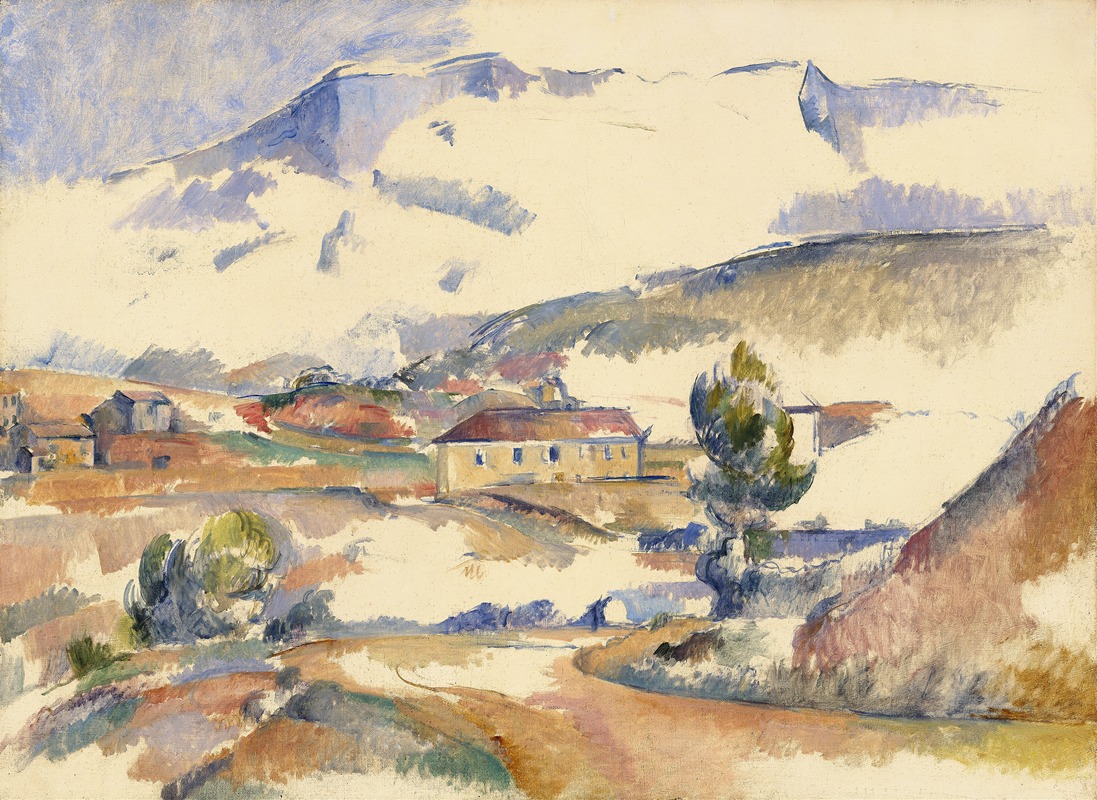
Montagne Sainte-Victoire,from near Gardanne
Paul Cézanne
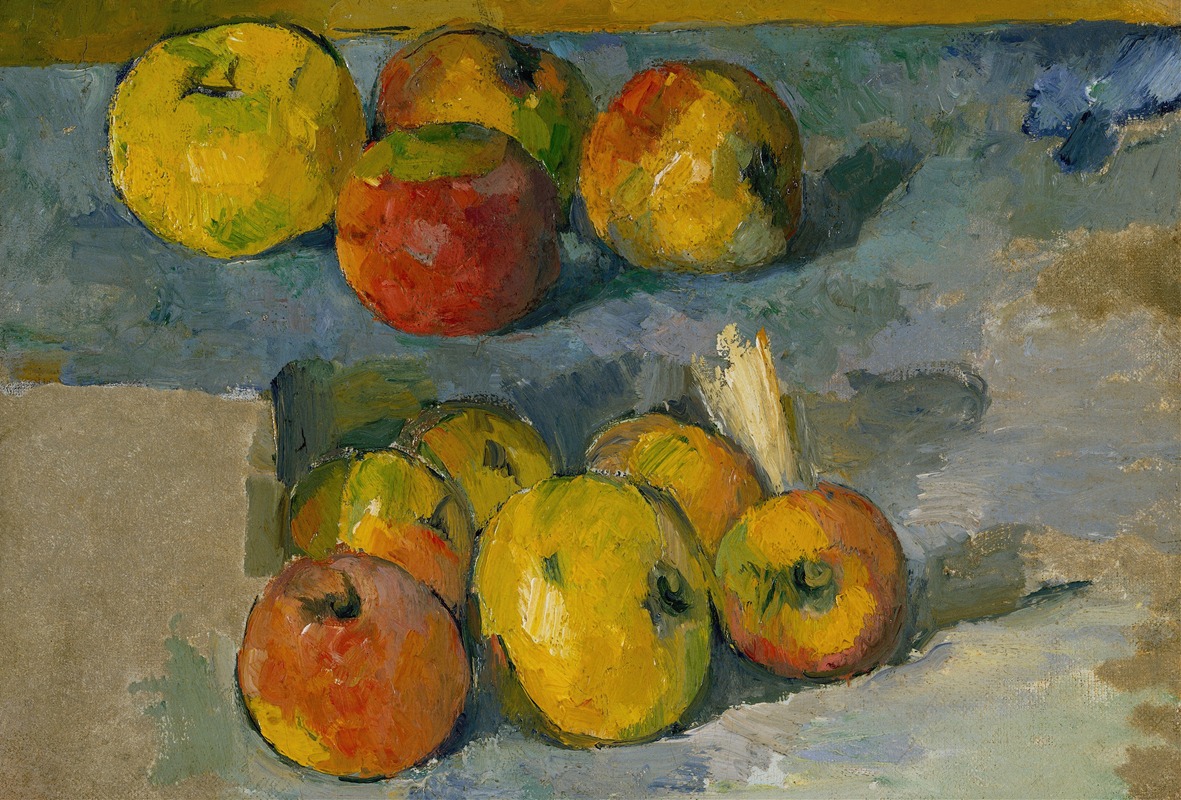
Apples
Paul Cézanne
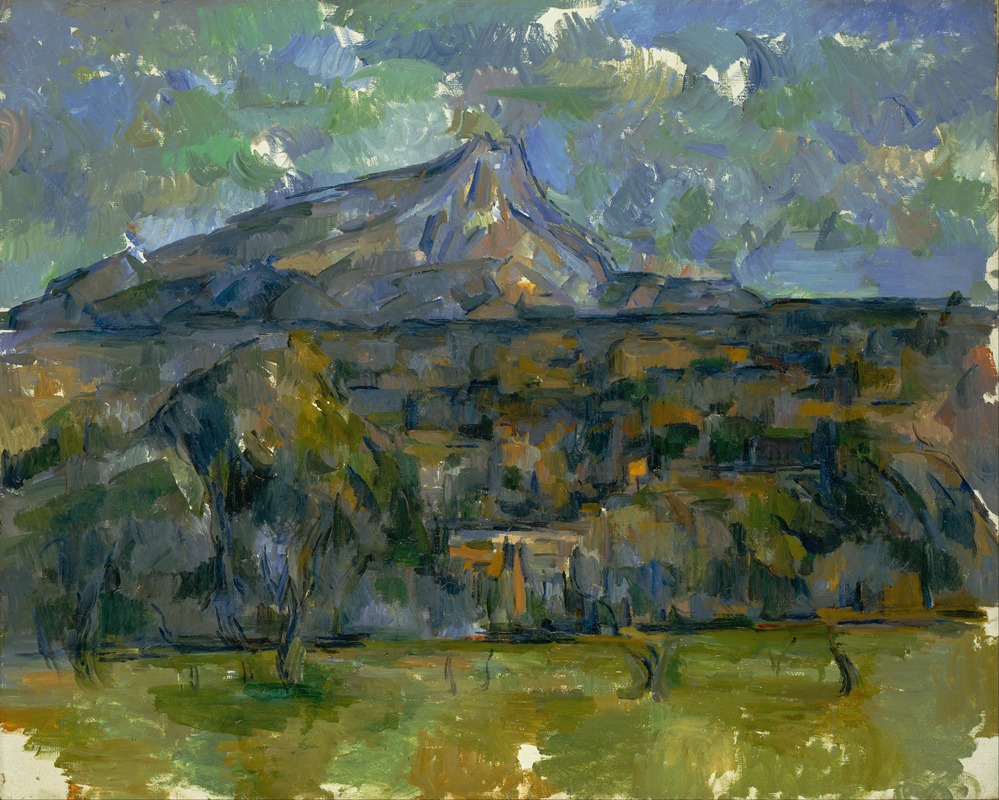
Mont Sainte-Victoire
Paul Cézanne
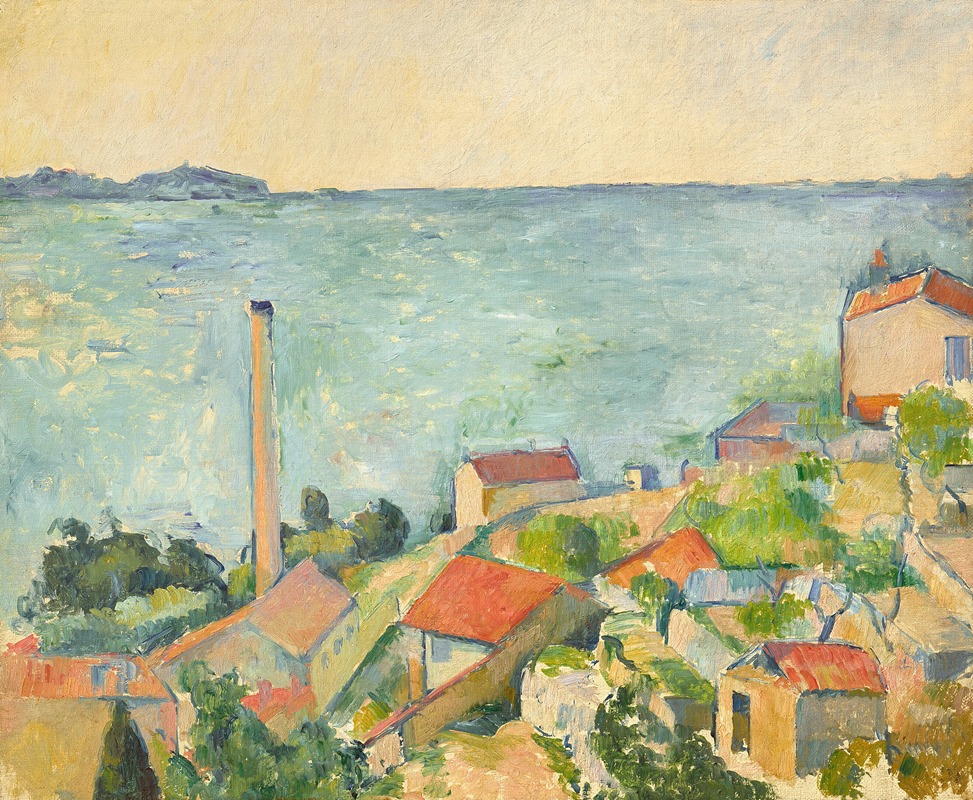
La mer à l’Estaque
Paul Cézanne
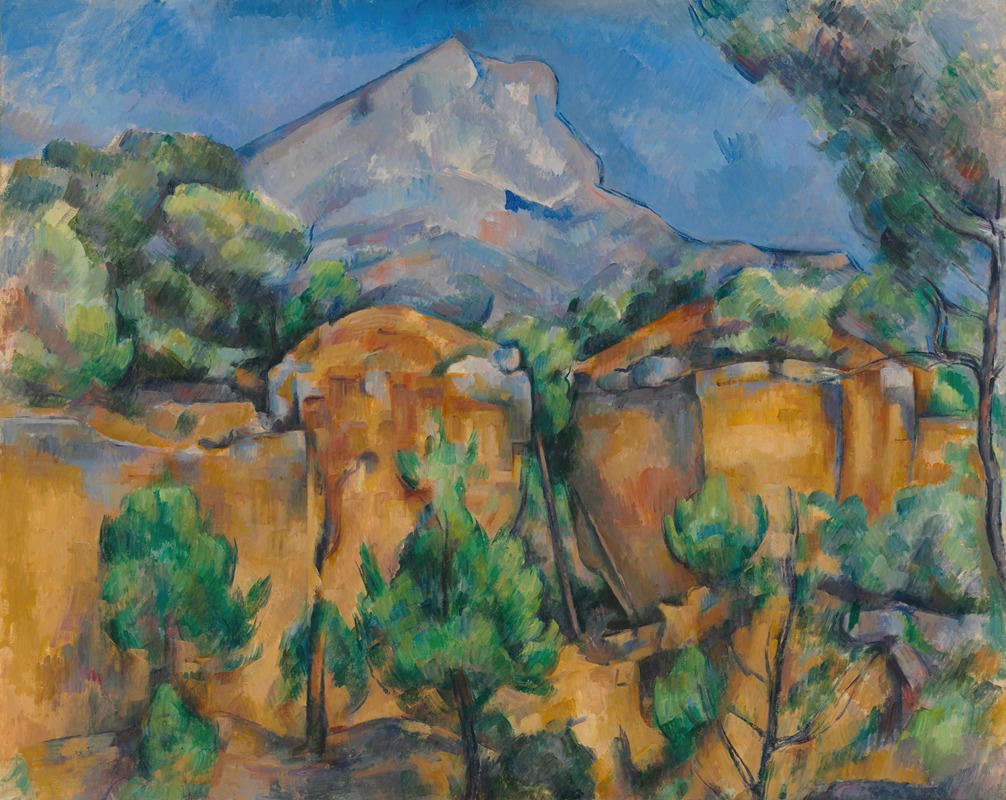
La Montagne Sainte-Victoire vue de la carrière Bibémus
Paul Cézanne
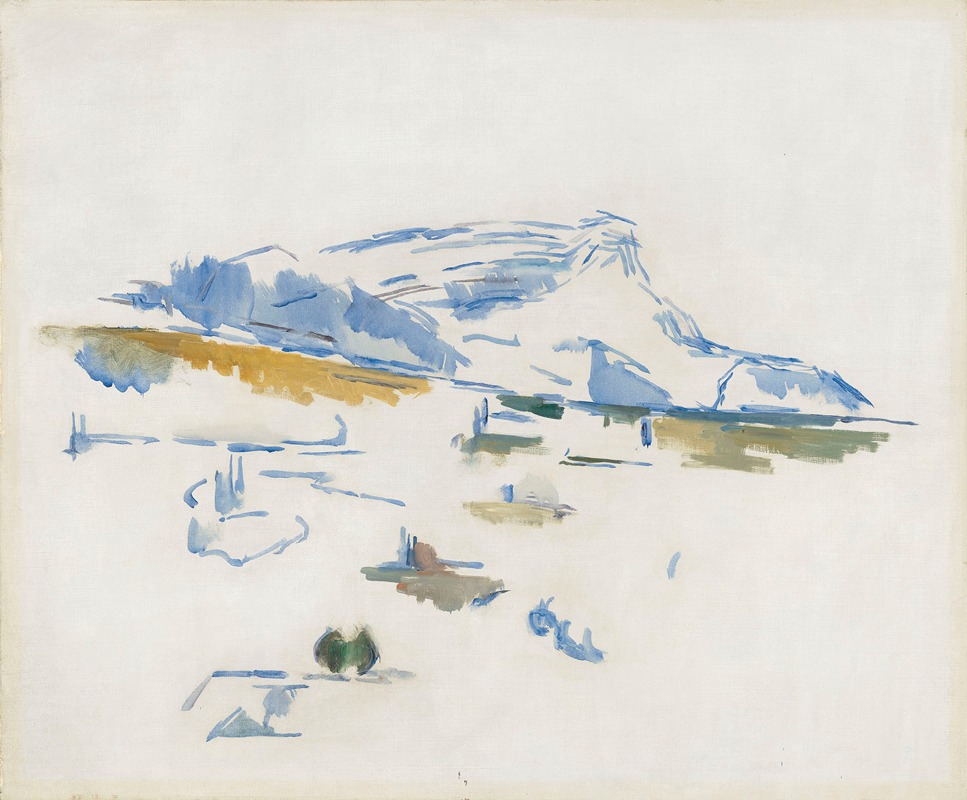
La Montagne Sainte-Victoire vue des Lauves
Paul Cézanne