
Giovanni de' Medici — History & Facts
What first draws the eye in this portrait is the quiet authority of the young sitter, his gaze both direct and reserved, as if weighing the viewer with a seriousness beyond his years. The artist, Agnolo Bronzino, arranges the composition to focus all attention on the boy’s face, framed by the rich, dark velvet of his doublet, which is patterned with delicate gold embroidery. The hand holding a slim book or letter hints at education and status, while the subtle play of light across his features brings out the soft modeling of youth.
The background curtain, rendered in a muted rose, sets off the sitter’s complexion and lends a stage-like formality to the scene. Painted between circa 1550 and circa 1551, this work belongs to the world of the Florentine court, where portraiture was both a record and a performance of lineage, power, and refinement. In mid-sixteenth-century Italy, such portraits were often commissioned to mark key moments in a young noble’s life—perhaps an entry into public life or a dynastic alliance. Bronzino was renowned for his ability to balance psychological presence with the cool precision of line and surface, a hallmark of the Mannerist movement.
Now in the Ashmolean Museum, this painting stands as a testament to an age when even childhood was shaped by the demands and expectations of a ruling elite—look again at the boy’s steady eyes, and imagine the world he was being trained to inherit.
More Artworks by Agnolo Bronzino

Eleonora Of Toledo
Agnolo Bronzino
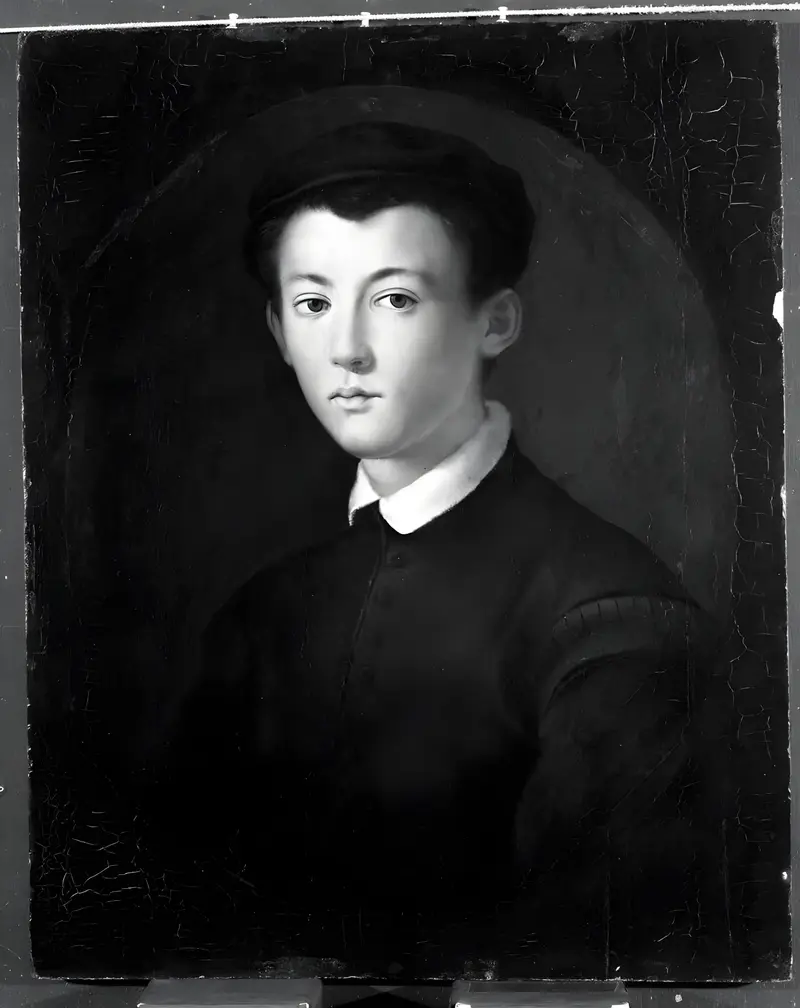
Portrait of a Young Man
Agnolo Bronzino
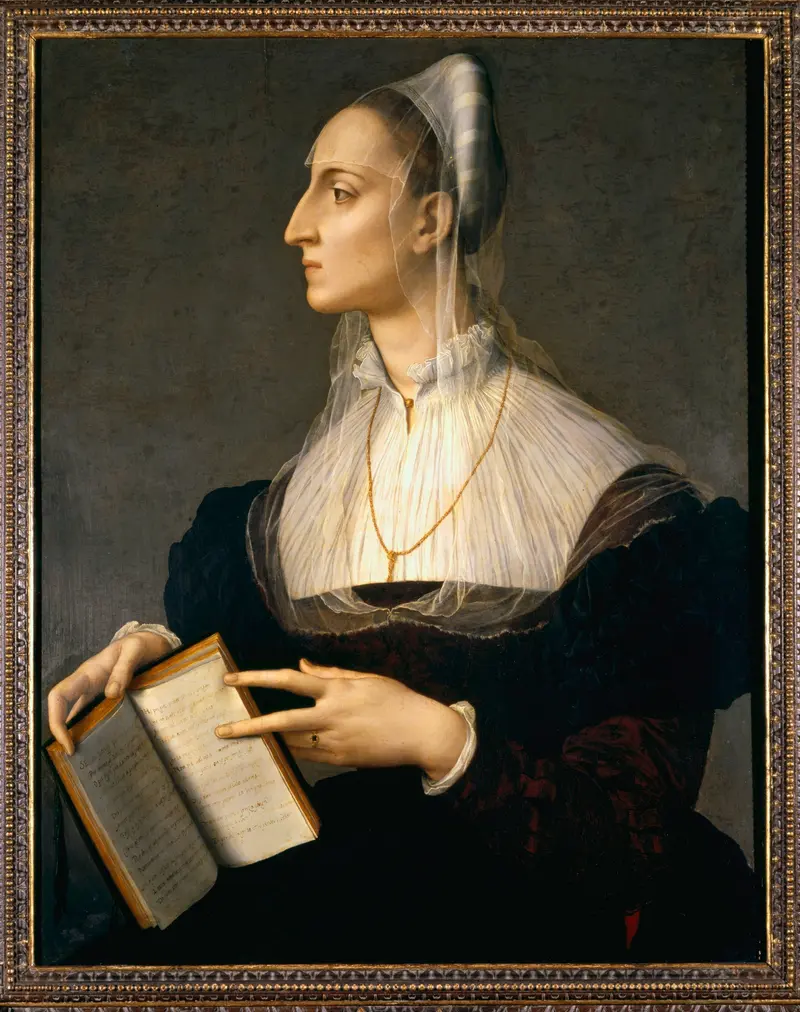
Portrait Of Laura Battiferri
Agnolo Bronzino

Venus, Cupid And Satyr
Agnolo Bronzino
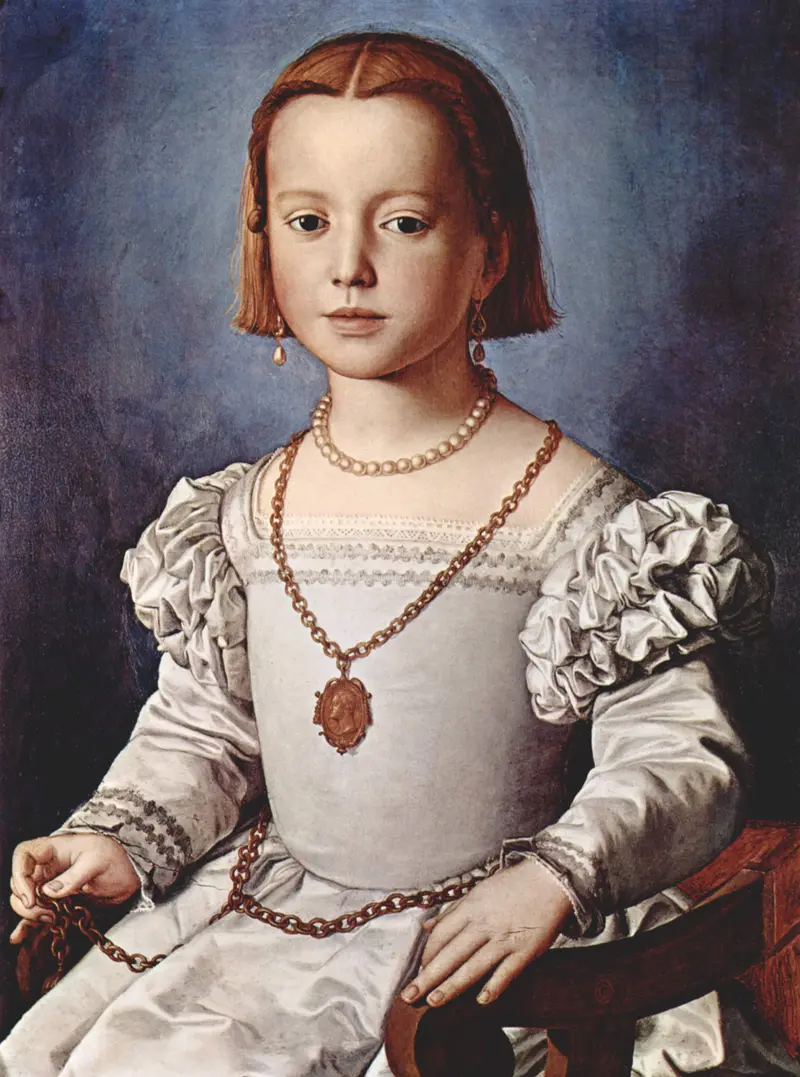
Bia Di Cosimo De‘ Medici
Agnolo Bronzino
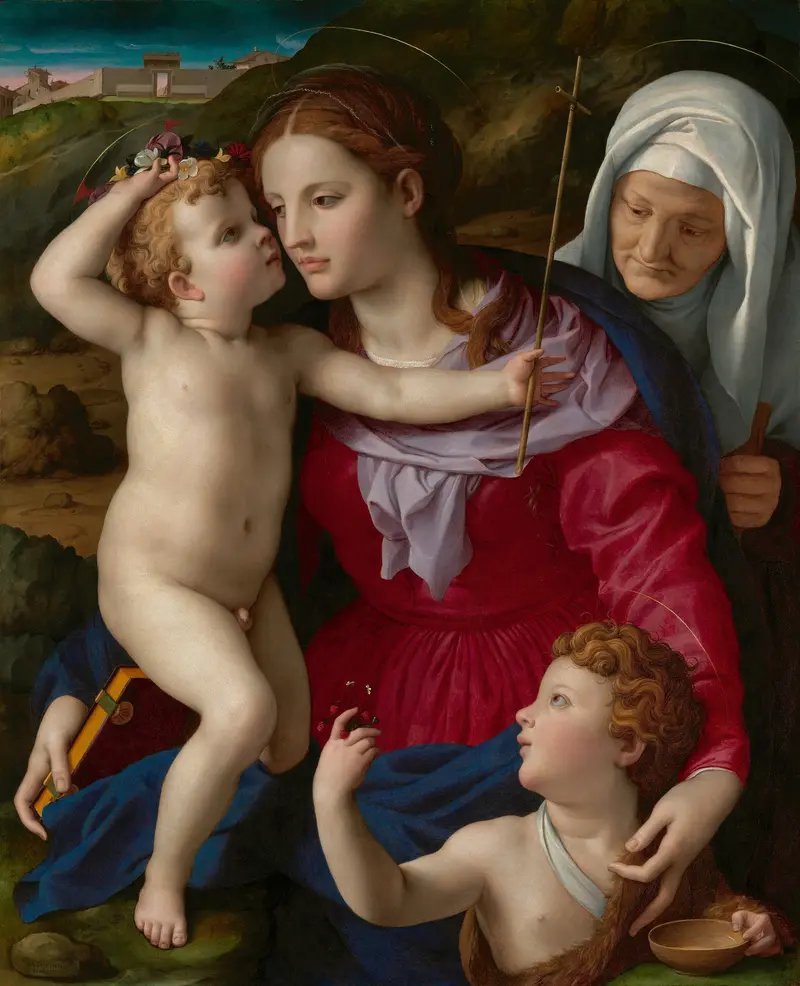
Virgin and Child with Saint Elizabeth and Saint John the Baptist
Agnolo Bronzino
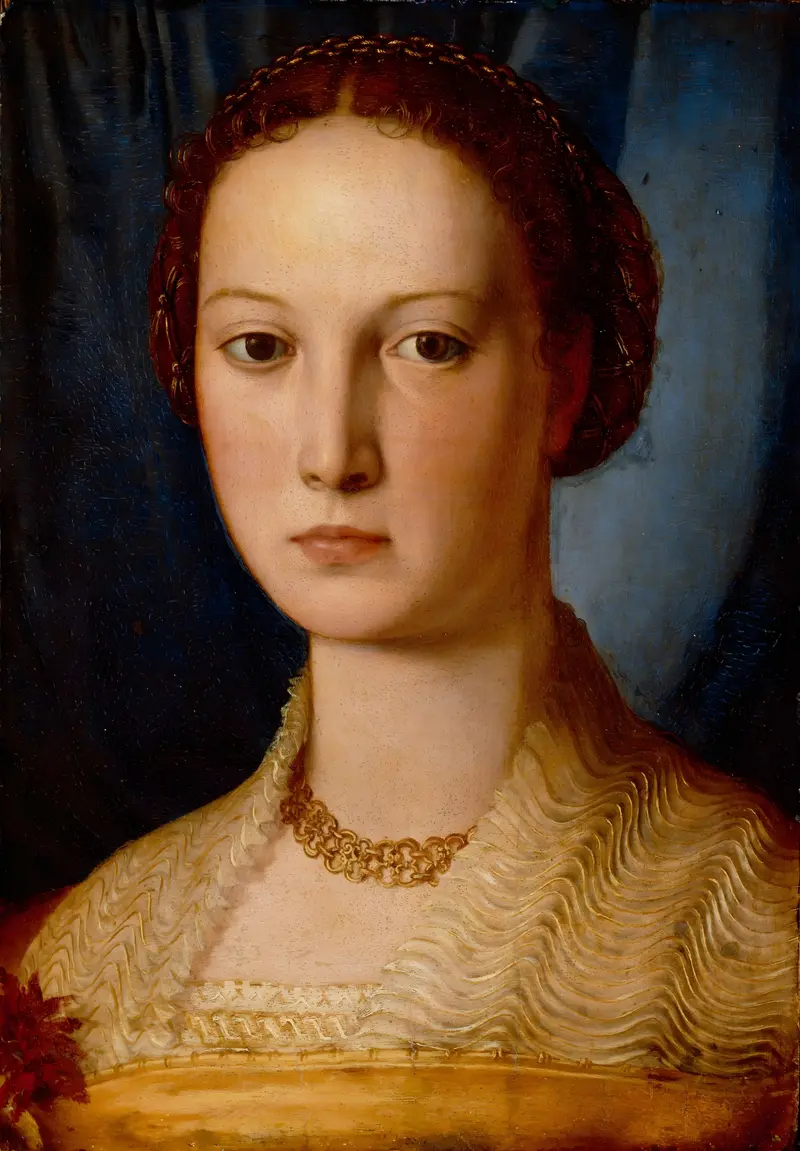
Costanza Da Sommaia
Agnolo Bronzino
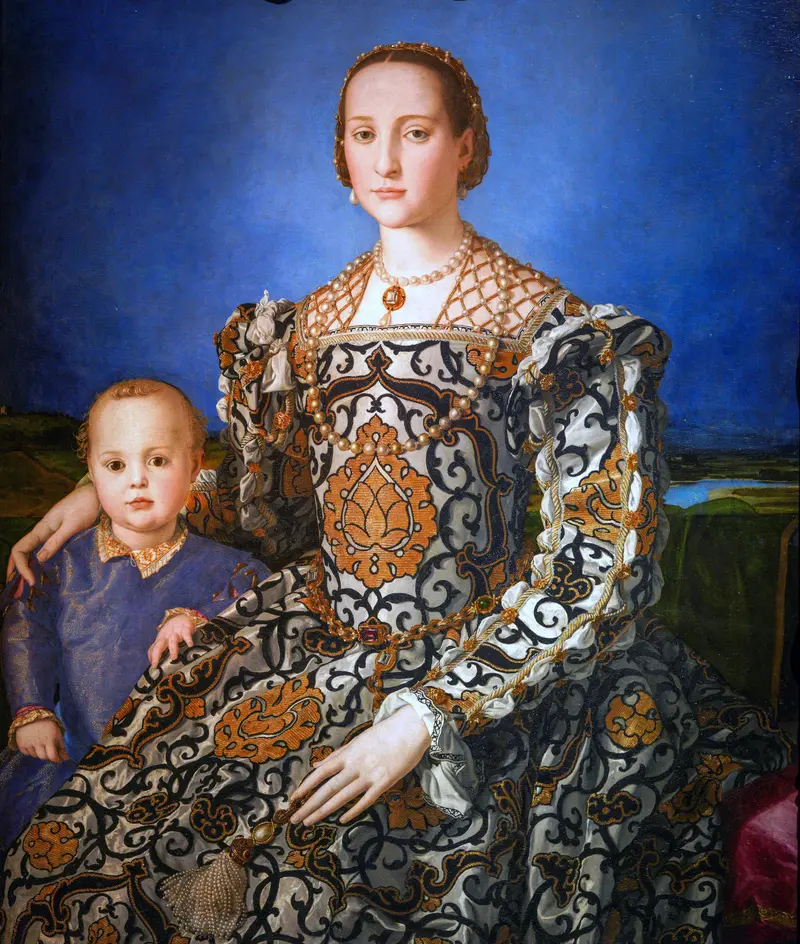
Portrait of Eleanor of Toledo with Her Son Giovanni de’ Medici
Agnolo Bronzino
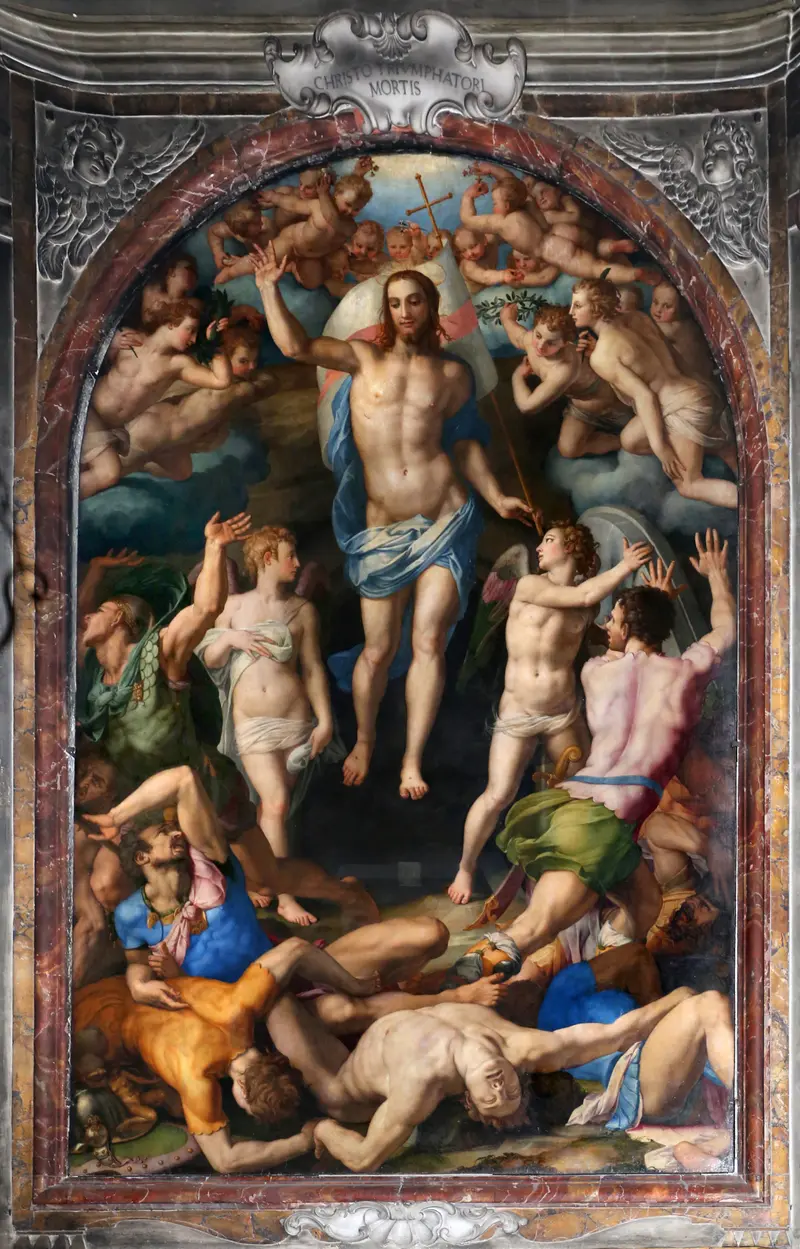
Resurrection Of Christ
Agnolo Bronzino
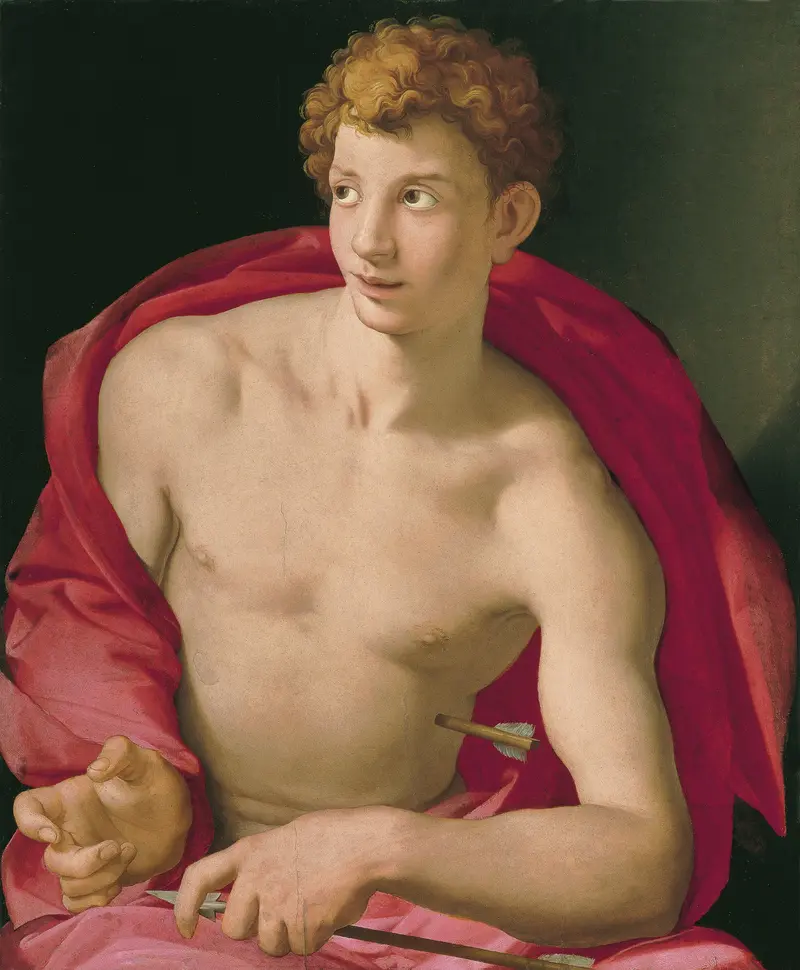
Saint Sebastian
Agnolo Bronzino





