
Girgenti (Trees) — History & Facts
Can beauty exist without sorrow? In Girgenti (Trees), Jan Ciągliński captures the delicate balance between nature’s splendor and its melancholic undertones, inviting viewers to ponder the possibilities of awakening. Focus your gaze on the towering trees that dominate the canvas, their gnarled trunks twisting upward against a backdrop of soft, muted skies. The gentle play of light filters through the branches, casting intricate patterns that dance on the ground below. Each stroke reveals the artist's meticulous attention to detail, with earthy hues blending seamlessly to create a sense of depth and refuge within nature's embrace. Yet, beneath the serenity lies a palpable tension.
The trees, majestic yet forlorn, evoke the passage of time, hinting at life cycles and the inevitable decay that shadows beauty. The soft color palette contrasts with the robust forms, suggesting that vitality persists even in the face of sorrow. Each leaf trembles with the weight of untold stories, bridging the gap between joy and heartache. Ciągliński painted Girgenti (Trees) in the years leading up to 1890, during a period of artistic exploration and personal upheaval.
Nestled in the picturesque landscapes of Italy, he found inspiration among the oak and olive trees, reflecting a world transforming under the influence of both Romanticism and Impressionism. This work captures his vision of beauty intertwined with the complexities of existence, mirroring his own search for meaning amid life's transient glory.
More Artworks by Jan Ciągliński
Browse all →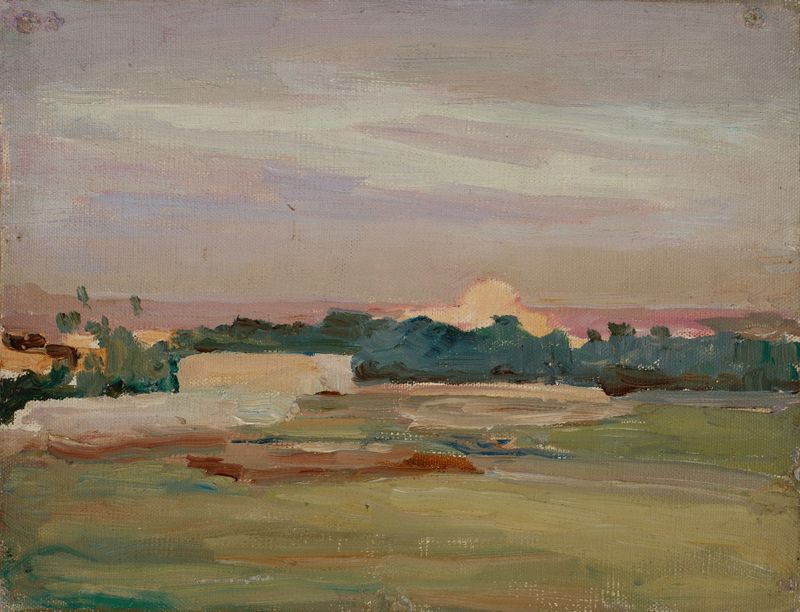
The Sirocco
Jan Ciągliński
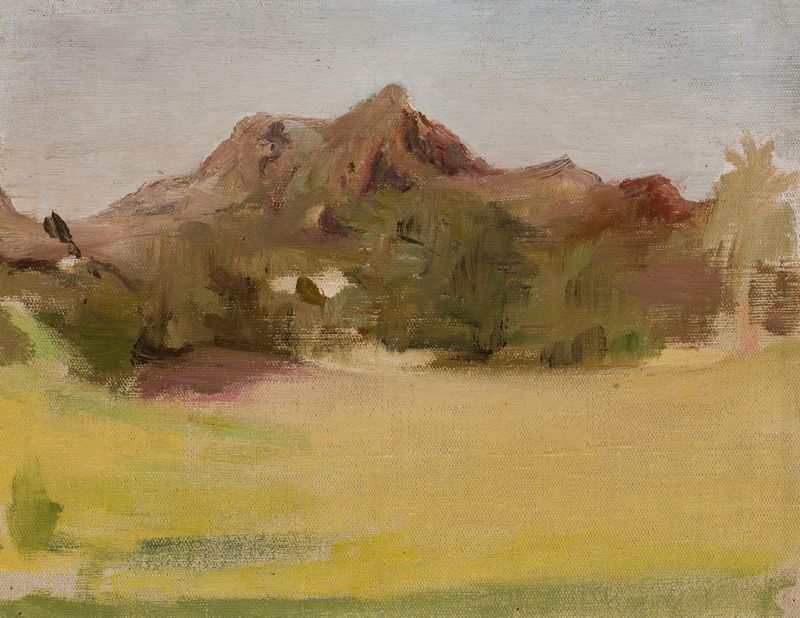
Mountain landscape. From the journey to India
Jan Ciągliński
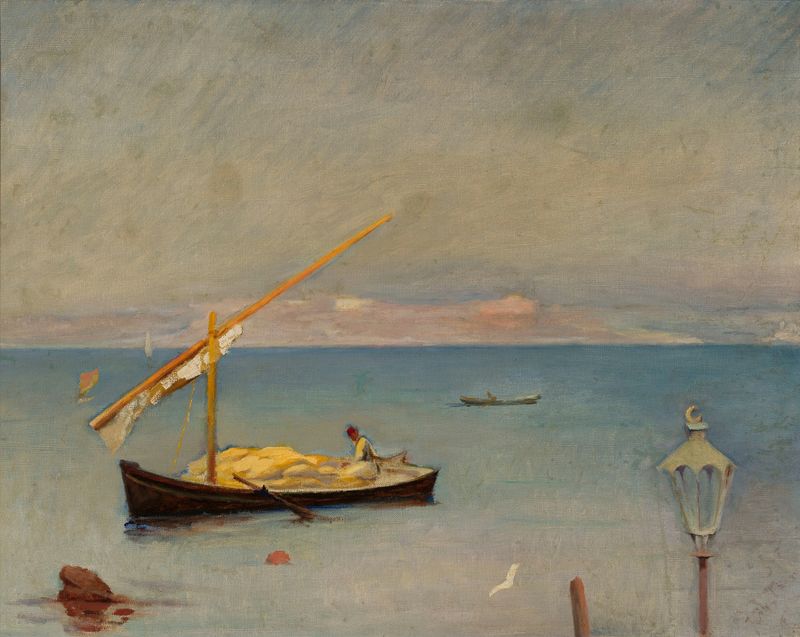
At Bosporus
Jan Ciągliński
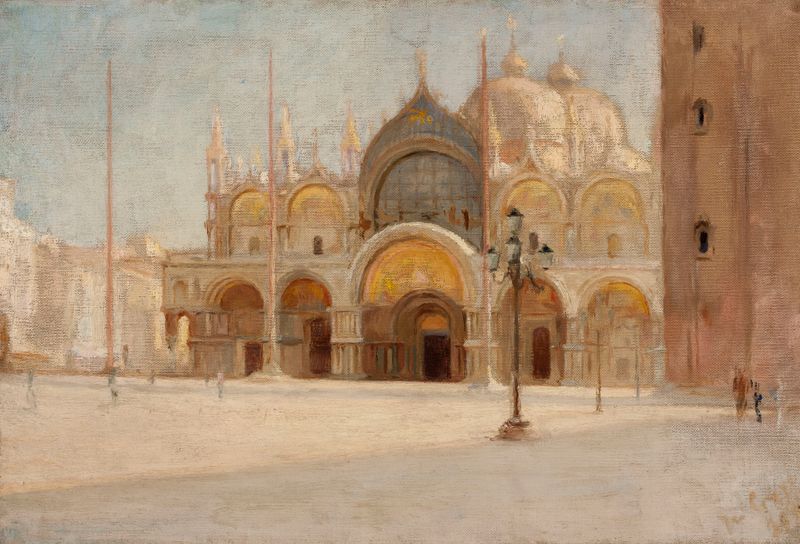
St Mark’s Square in Venice
Jan Ciągliński
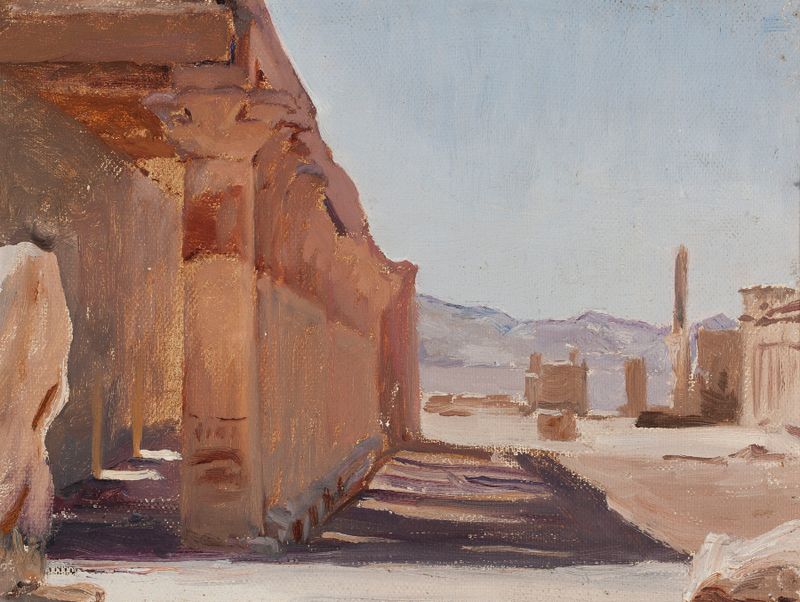
Temple. From the journey to Egypt
Jan Ciągliński
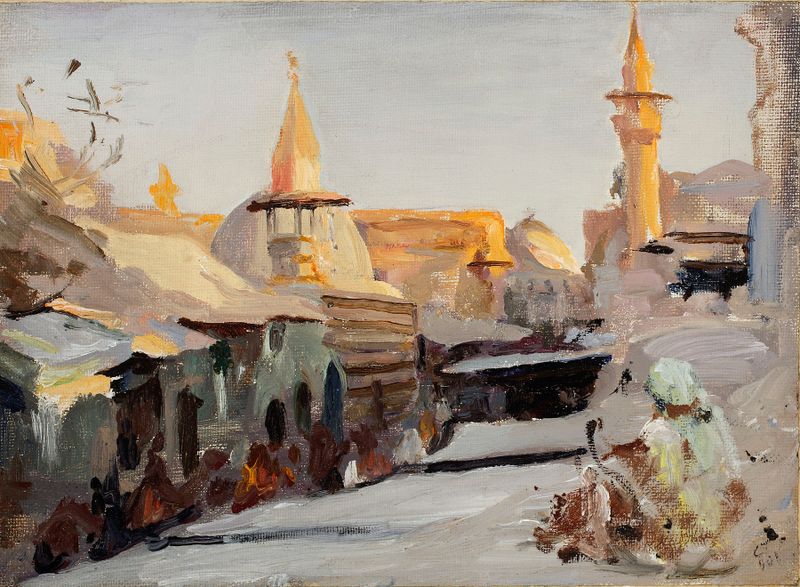
Street in Damascus. From the journey to Palestine
Jan Ciągliński
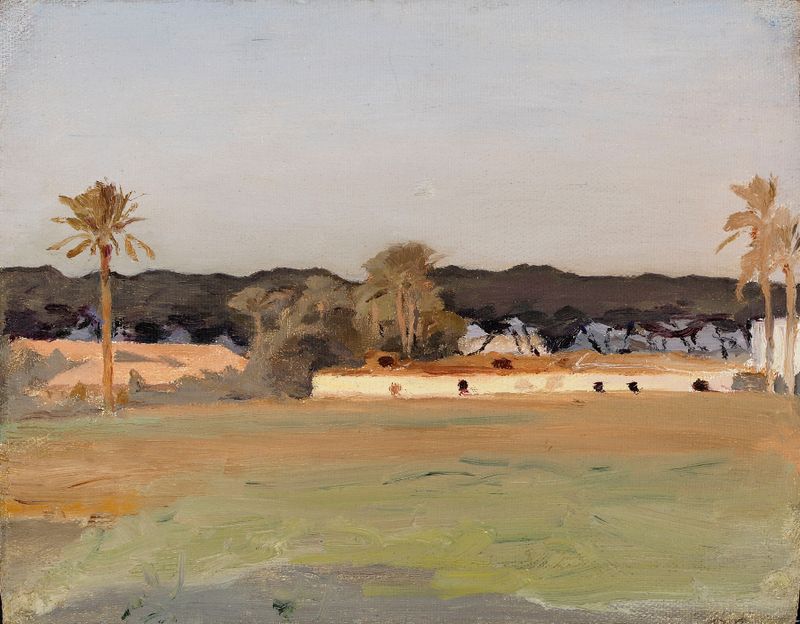
Evening. From the journey to Egypt
Jan Ciągliński
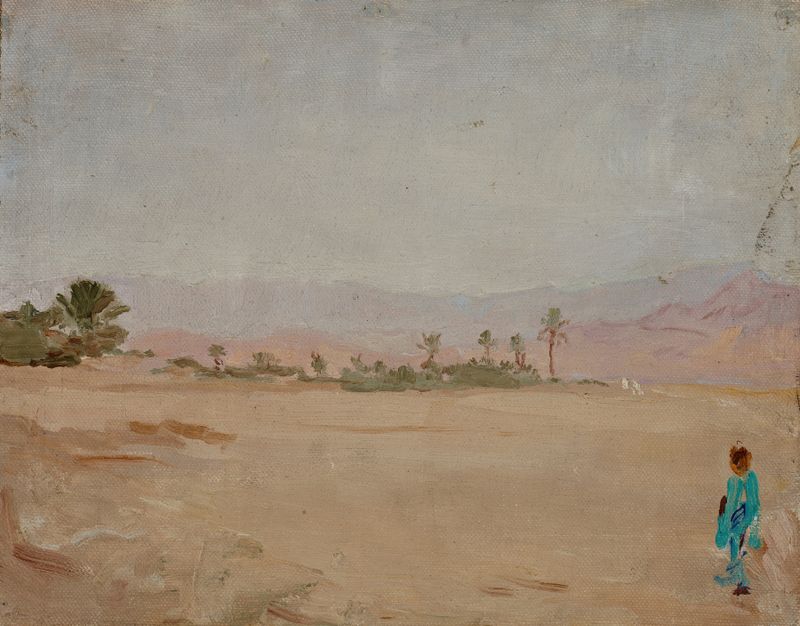
Sahara (Desert)
Jan Ciągliński
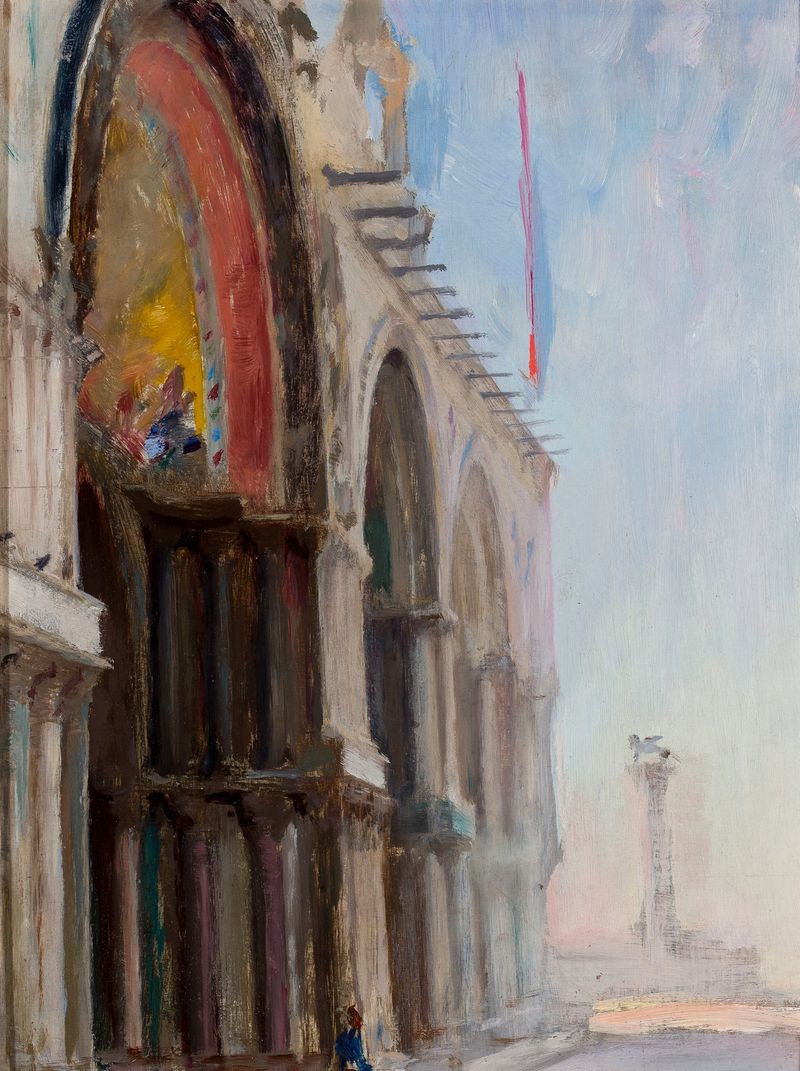
Venice – San Marco. From the journey to Italy
Jan Ciągliński
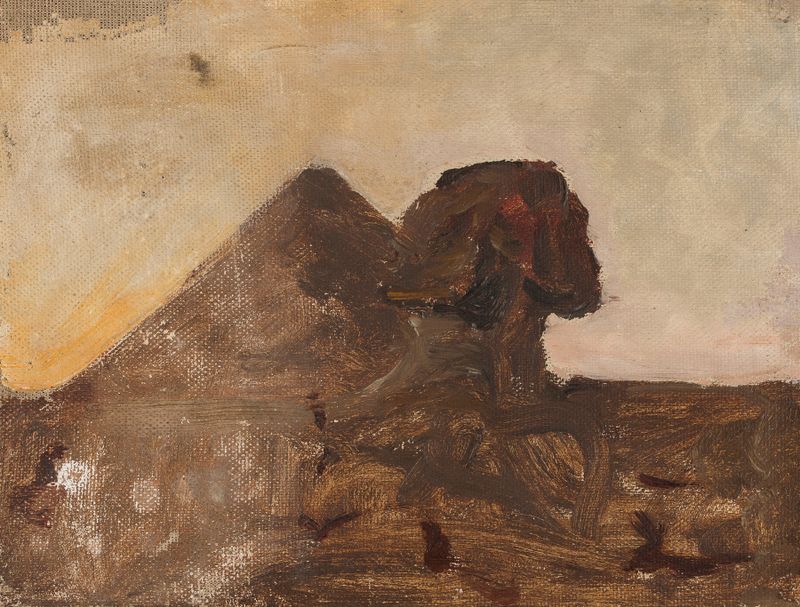
Evening in the desert – Sphinx and pyramid. From the journey to Egypt
Jan Ciągliński





