
Glen Ellis Falls — History & Facts
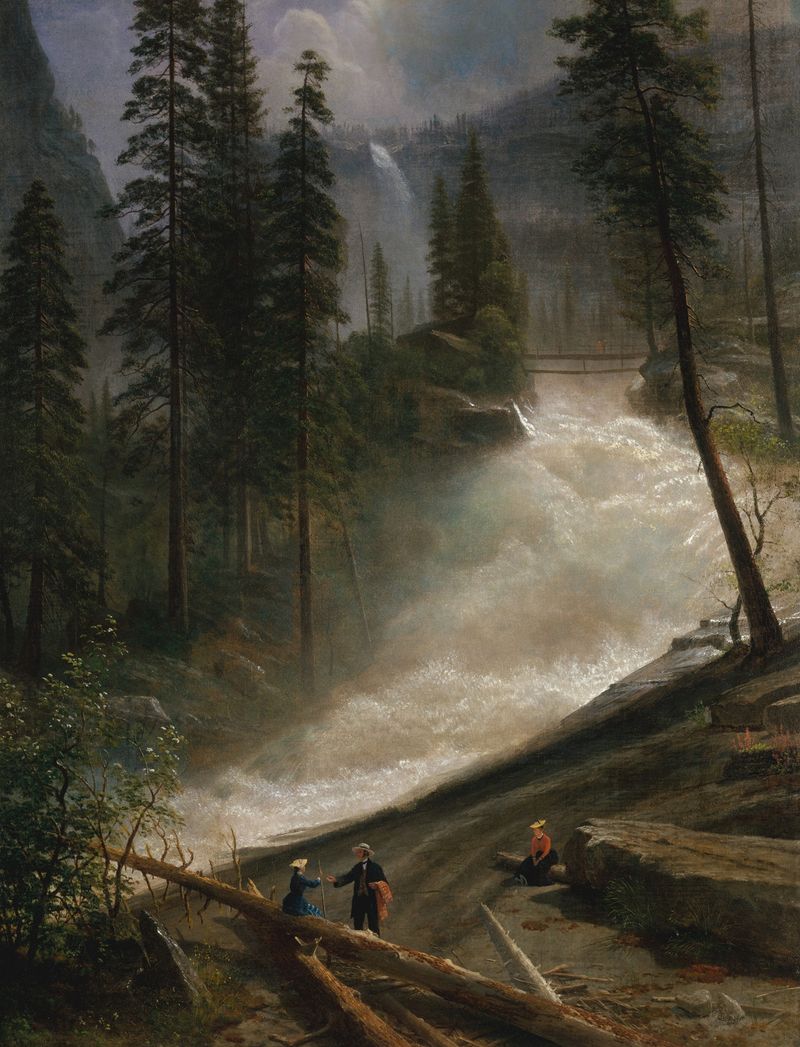
In the realm of beauty, the transcendent landscapes beckon us, whispering tales of nature's grandeur and quiet resilience. Look closely at the swirling waters cascading down the rocky precipice; the interplay of light and shadow captures an ephemeral moment of raw power. Focus on the vibrant greens and deep browns framing the scene, which contrast beautifully with the cool blues of the water. Bierstadt’s deft use of chiaroscuro emphasizes the depth of the ravine, while the transparency of the water creates a sense of movement, inviting the viewer deeper into this serene wilderness. As you gaze further, observe how the rugged rocks cradle the rushing water, symbolizing strength amid fluidity.
The distant trees, painted with careful precision, symbolize nature's persistence, while the subtle play of light hints at a timeless connection between earth and sky. This scene speaks to the harmony and beauty found in untamed landscapes, inviting introspection about our own place within the natural world. Albert Bierstadt created this captivating work during the mid-19th century, a period when the American West was being explored and celebrated. His travels through the majestic terrain of Yosemite and the Sierra Nevada inspired him, as he sought to capture the essence of America’s wilderness.
This painting reflects his commitment to portraying nature's grandeur and the romantic ideals of the time, serving as a vivid testament to the beauty and power of the natural world.
More Artworks by Albert Bierstadt
Browse all →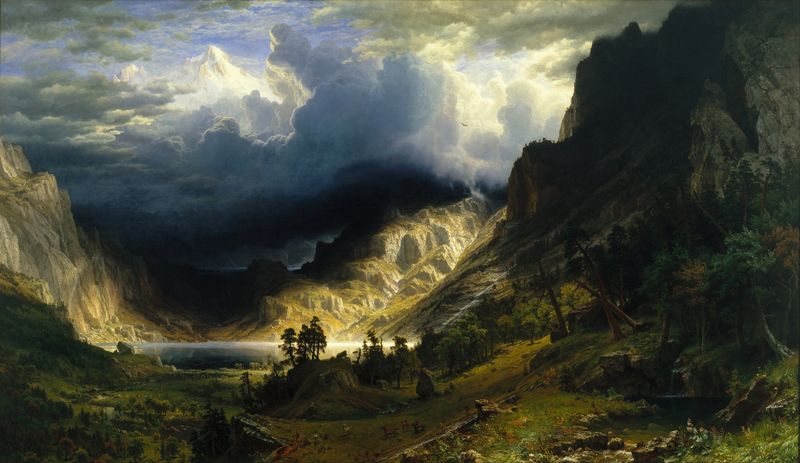
A Storm in the Rocky Mountains, Mt. Rosalie
Albert Bierstadt
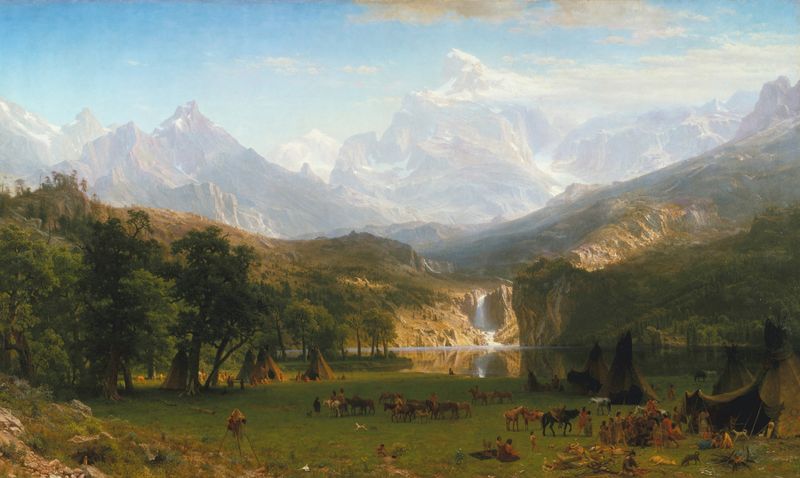
The Rocky Mountains, Lander’s Peak
Albert Bierstadt
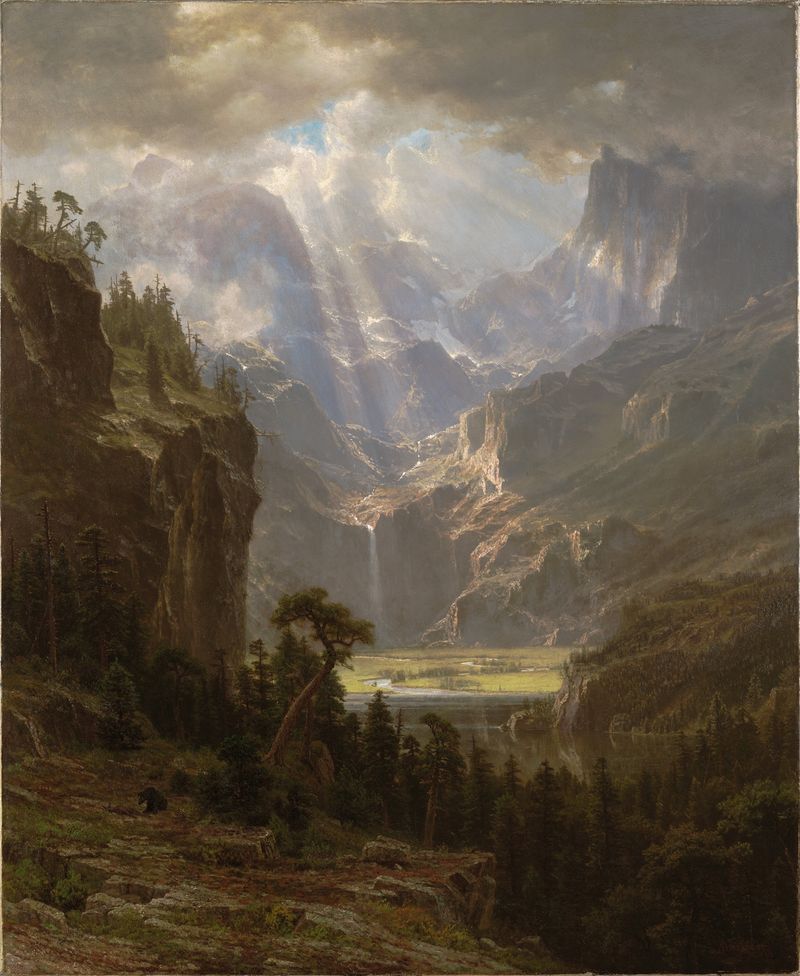
Rocky Mountains, Lander’s Peak
Albert Bierstadt
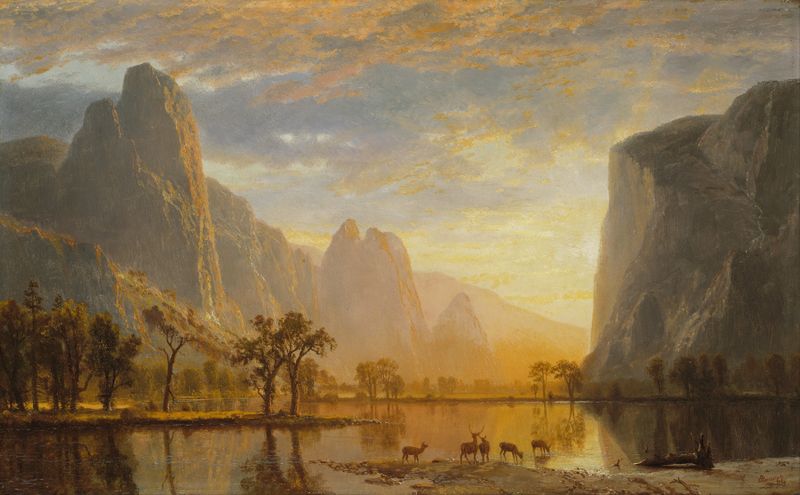
Valley of the Yosemite
Albert Bierstadt
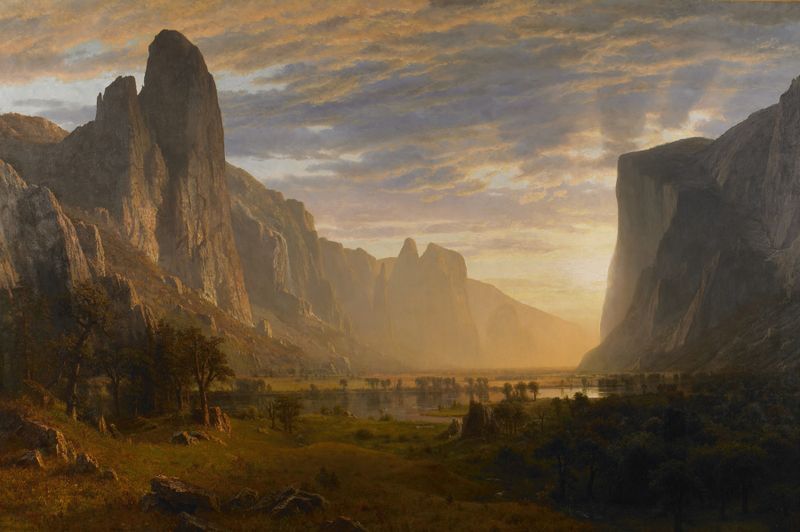
Looking Down Yosemite Valley, California
Albert Bierstadt
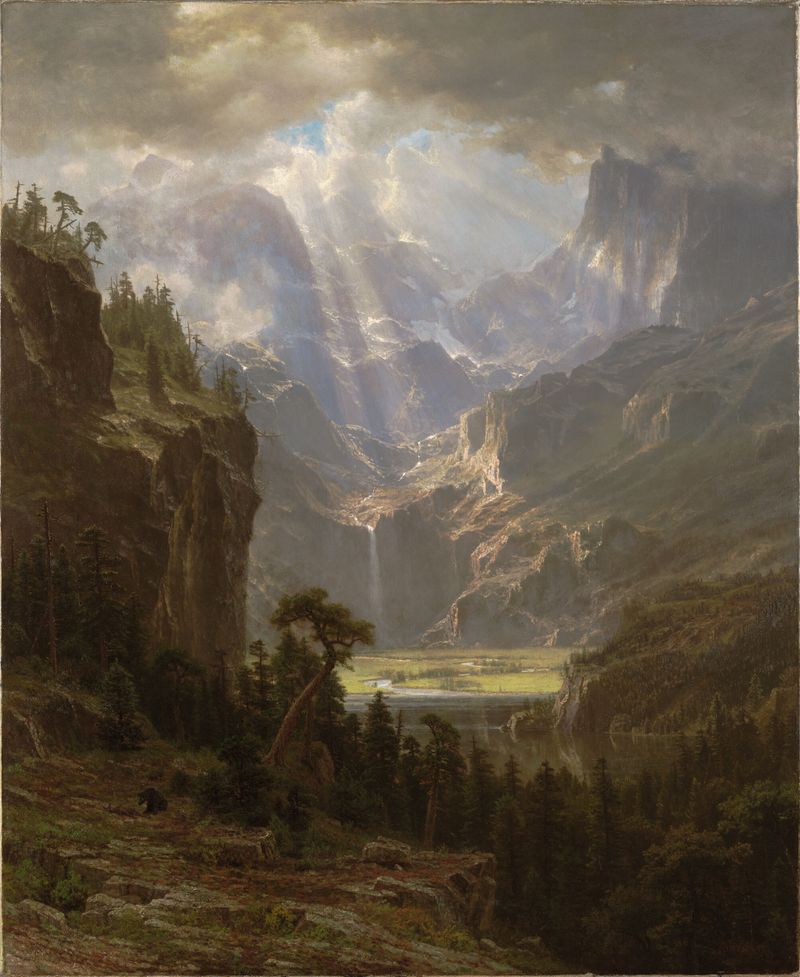
Rocky Mountains, "Lander's Peak"
Albert Bierstadt
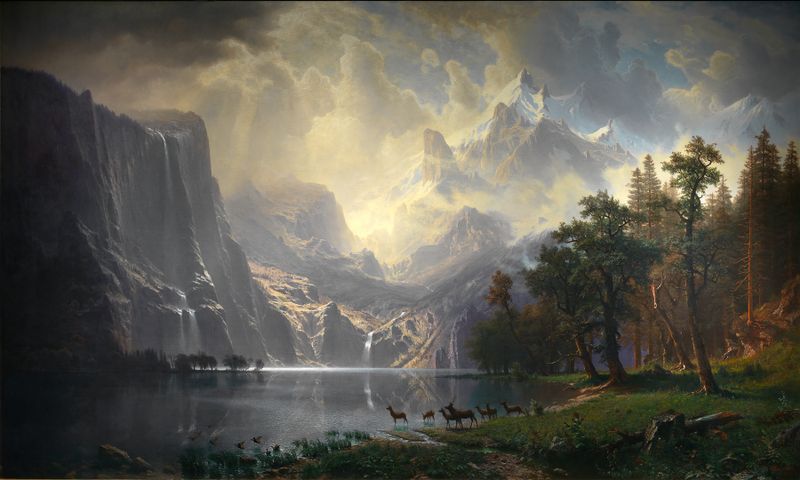
Among the Sierra Nevada, California
Albert Bierstadt
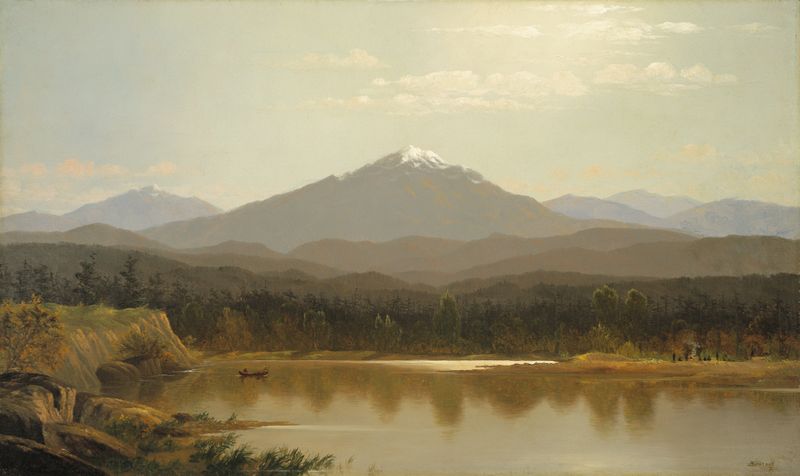
Laramie Peak
Albert Bierstadt
Nevada Falls, Yosemite
Albert Bierstadt
Yellowstone Falls
Albert Bierstadt





