
Église De Requeil (Sarthe) — History & Facts
In the stillness of a solitary moment, we find an echo of loneliness painted on canvas, capturing a silent journey into the heart of isolation. This piece invites us to reflect on the spaces we inhabit and the feelings that linger when we find ourselves alone. Look to the left at the gently fading architecture of the church, its stone facade standing resolute against a muted sky. The cool palette of gray and blue speaks to the somber mood of the scene, while splashes of warm light pierce through the clouds, creating a delicate interplay of shadow and illumination.
The composition draws the eye upward toward the steeple, which seems to reach for an unseen solace, a yearning for connection in its stillness. Delve deeper into the contrasts at play—the rigidity of the church’s structure juxtaposed with the open expanse of the surrounding landscape. This tension speaks to the isolation of faith and the human experience, where even sacred spaces can evoke feelings of solitude. The subtle brushstrokes convey a sense of weariness, as if the church itself has borne witness to countless prayers and cries for companionship, yet remains a silent sentinel—an emblem of enduring loneliness. Victor Petit created this work in 1860 while living in France during a period of artistic transformation.
The mid-19th century was marked by the emergence of new realism among artists, as they sought to capture the authenticity of everyday life. Though he may not be as widely recognized as his contemporaries, his focus on the emotional resonance of architecture reflects a profound engagement with the themes of solitude and spiritual yearning that permeated the era.
More Artworks by Victor Petit
Browse all →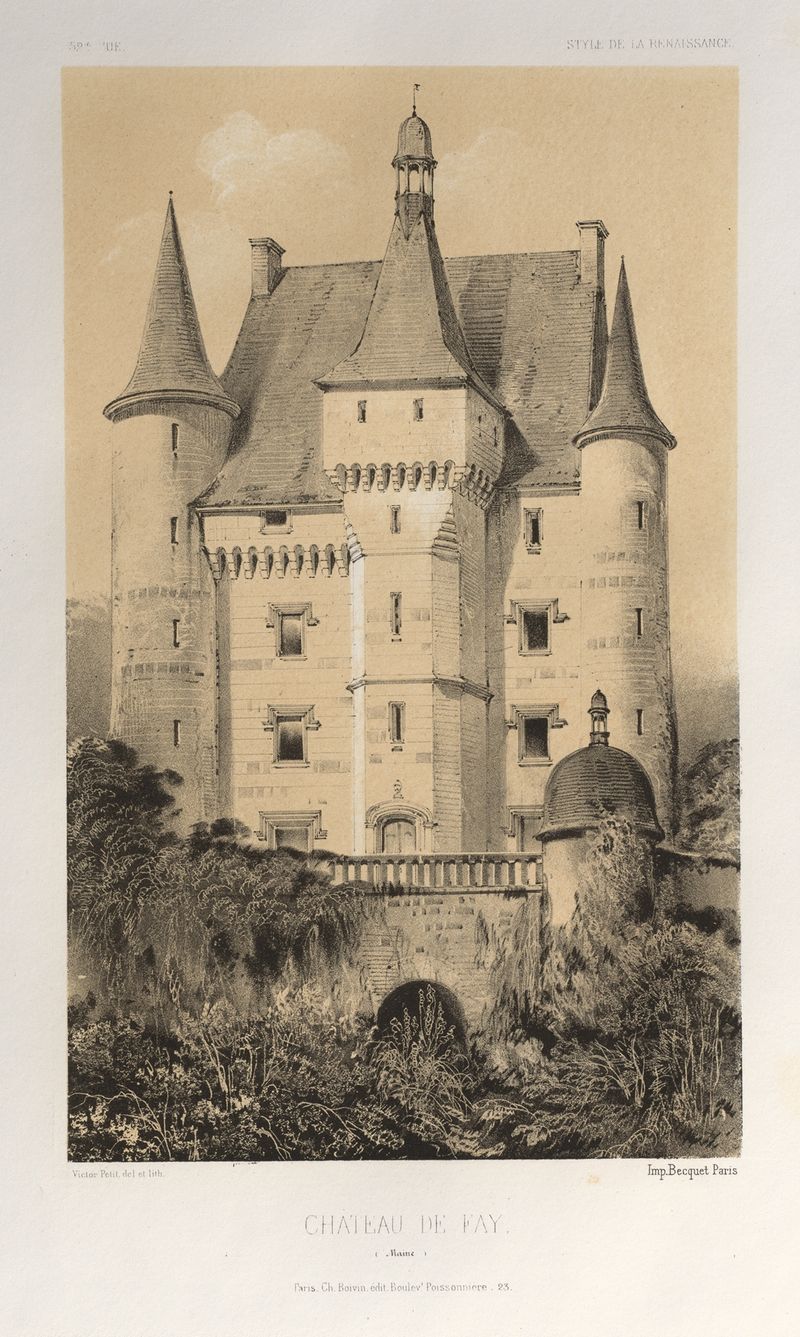
Château De Fay (Maine)
Victor Petit
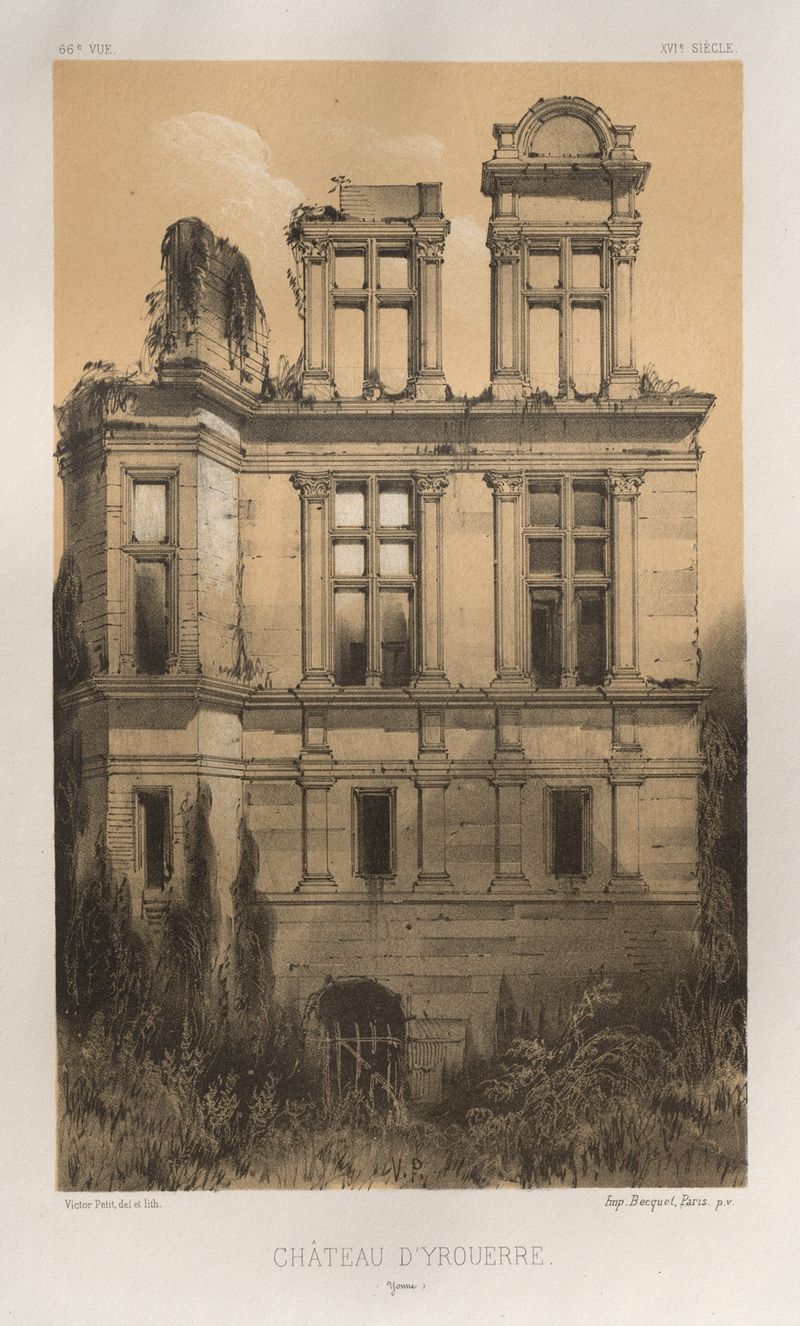
Château D’Yrouerre (Yonne)
Victor Petit
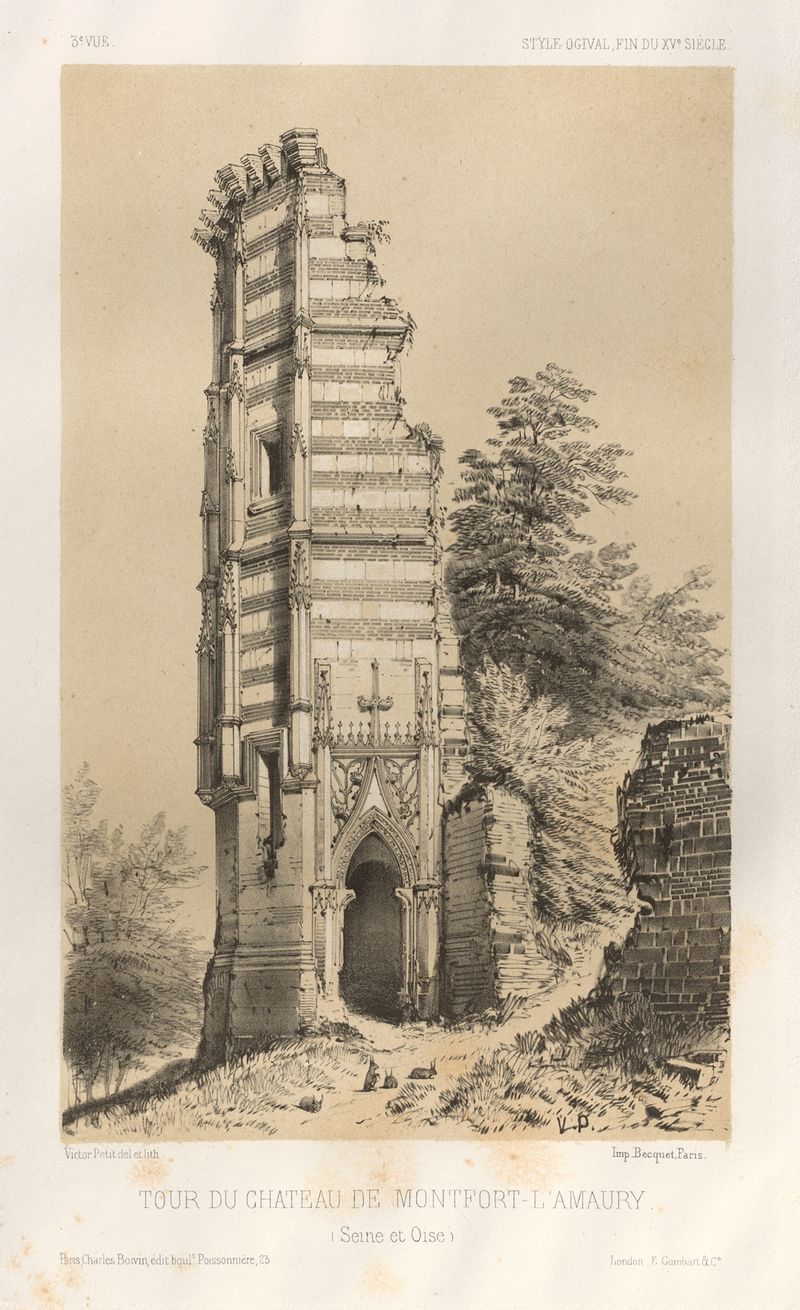
Tour du chateau de Montfort-l’Amaury (Seine-et-Oise)
Victor Petit

Tour Du Port De Marseille (Bouches Du Rhône)
Victor Petit
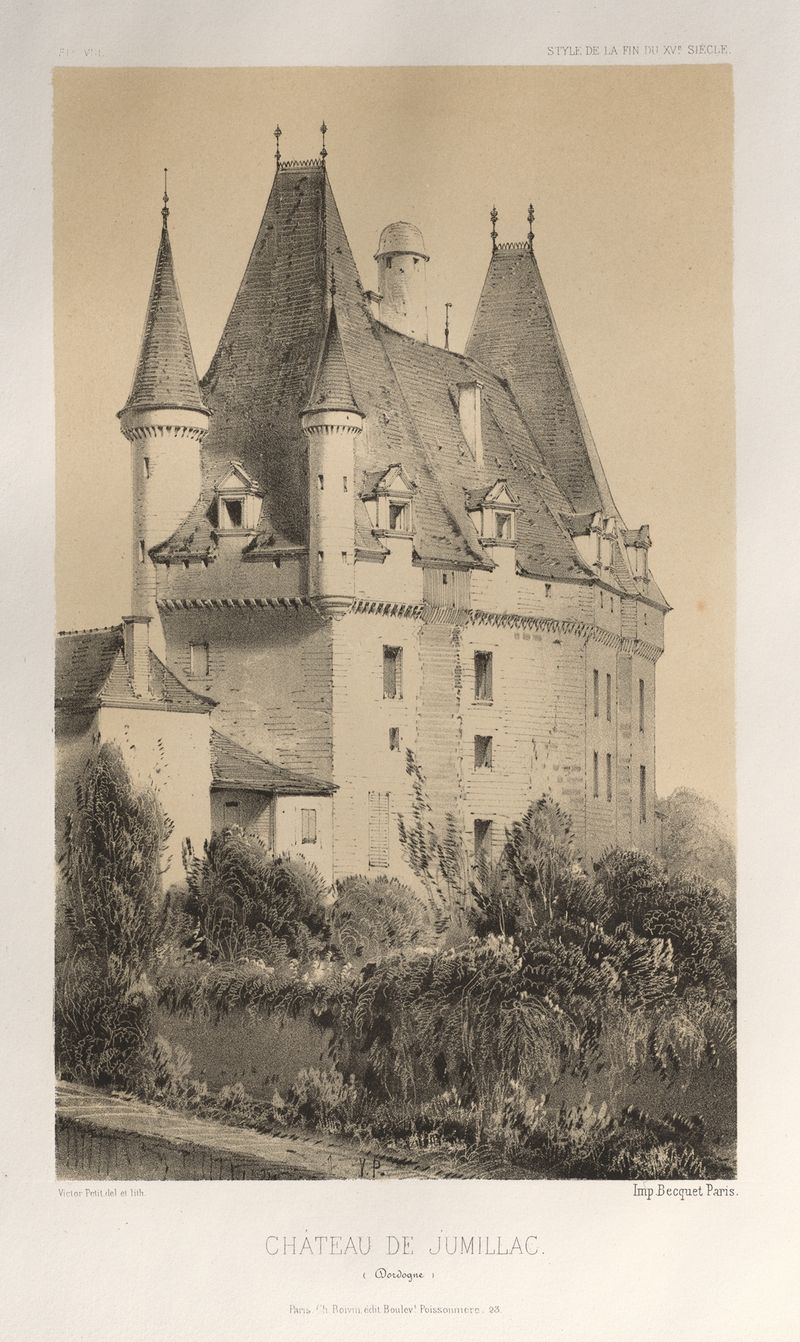
Château De Jumillac (Dordogne)
Victor Petit

Château de Tévray (Eure)
Victor Petit

Galerie Du Château De Jouancy (Saone et Loire)
Victor Petit

Château De Mello (Oise)
Victor Petit
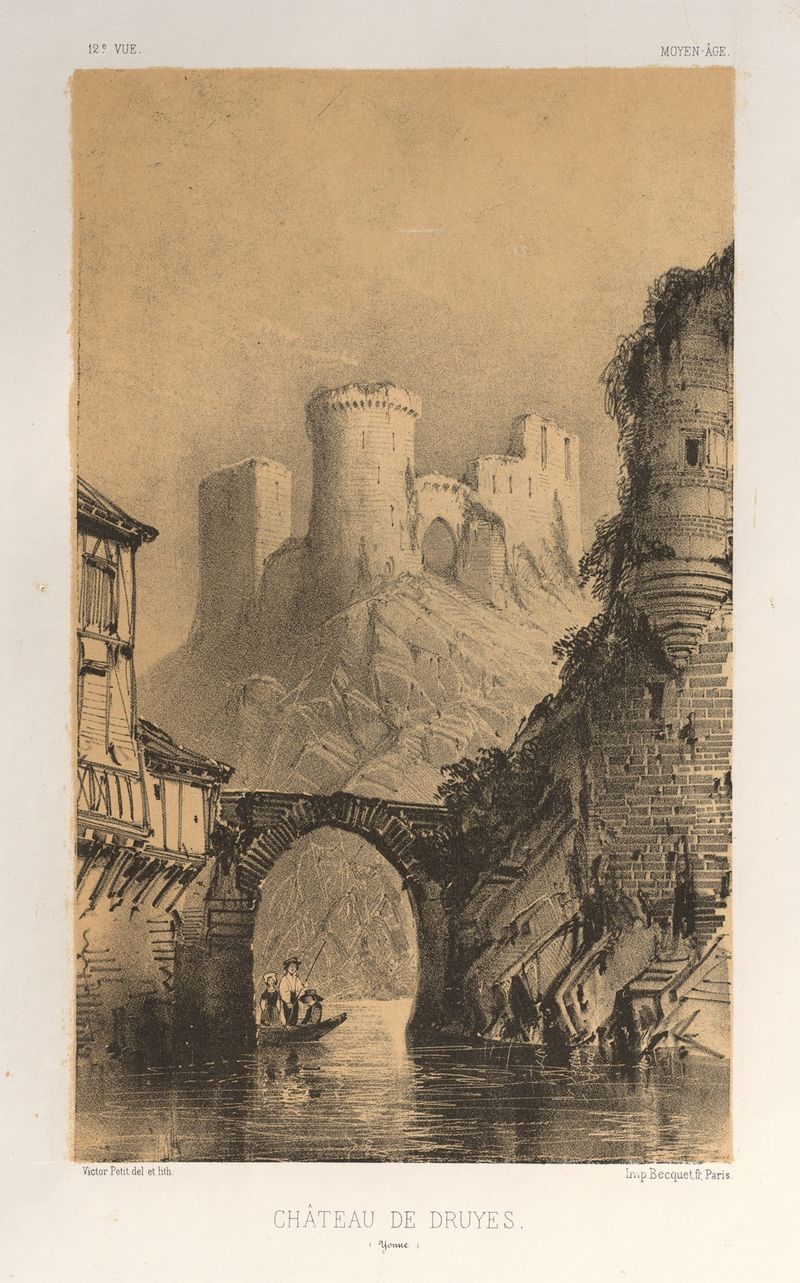
Chateau De Druyes (Yonne)
Victor Petit

Le ChasteLet-Neuf (Corrèze)
Victor Petit
More Architecture Art
Browse all →
The statue of Liberty
Frédéric Auguste Bartholdi

View of Houses in Delft, Known as ‘The Little Street’
Johannes Vermeer

View of Houses in Delft, Known as ‘The Little Street’
Johannes Vermeer

The Cathedral in Rouen. The portal, Grey Weather
Claude Monet

The yellow house
Vincent van Gogh

The Church in Auvers-sur-Oise, View from the Chevet
Vincent van Gogh