
Église Des Pénitents À Avignon (Vaucluse) — History & Facts
In a realm where the mundane often overshadows the divine, artists like Victor Petit transcend ordinary perception, inviting us to witness the extraordinary. Look closely at the delicate interplay of light and shadow on the façade of the church. The soft hues of blue and gray envelop the structure, while dappled sunlight dances across the weathered stone, revealing meticulous details that speak of time and devotion. Notice how the archways frame the entrance, drawing the viewer's eye inward with an almost magnetic pull, as if beckoning one to step into a sacred space of contemplation. Beneath its serene exterior, the painting evokes a deep emotional resonance, reflecting the contrast between the bustling life outside and the quietude within.
The church stands as a testament to resilience—its worn stones whispering stories of penitence and hope. This juxtaposition invites the viewer to reflect on personal struggles and the sanctity found in stillness, evoking a sense of transcendence that transcends time and place. Victor Petit painted this work in 1860 while residing in Avignon, a time when the world was grappling with political upheaval and a search for meaning in art. The mid-19th century was marked by a shift towards realism, yet Petit’s choice to depict the ethereal beauty of the church reveals his commitment to exploring spiritual dimensions.
Through Église Des Pénitents À Avignon, he captures not just a physical structure, but an invitation to reflect on the profound connection between the material and the sacred.
More Artworks by Victor Petit
Browse all →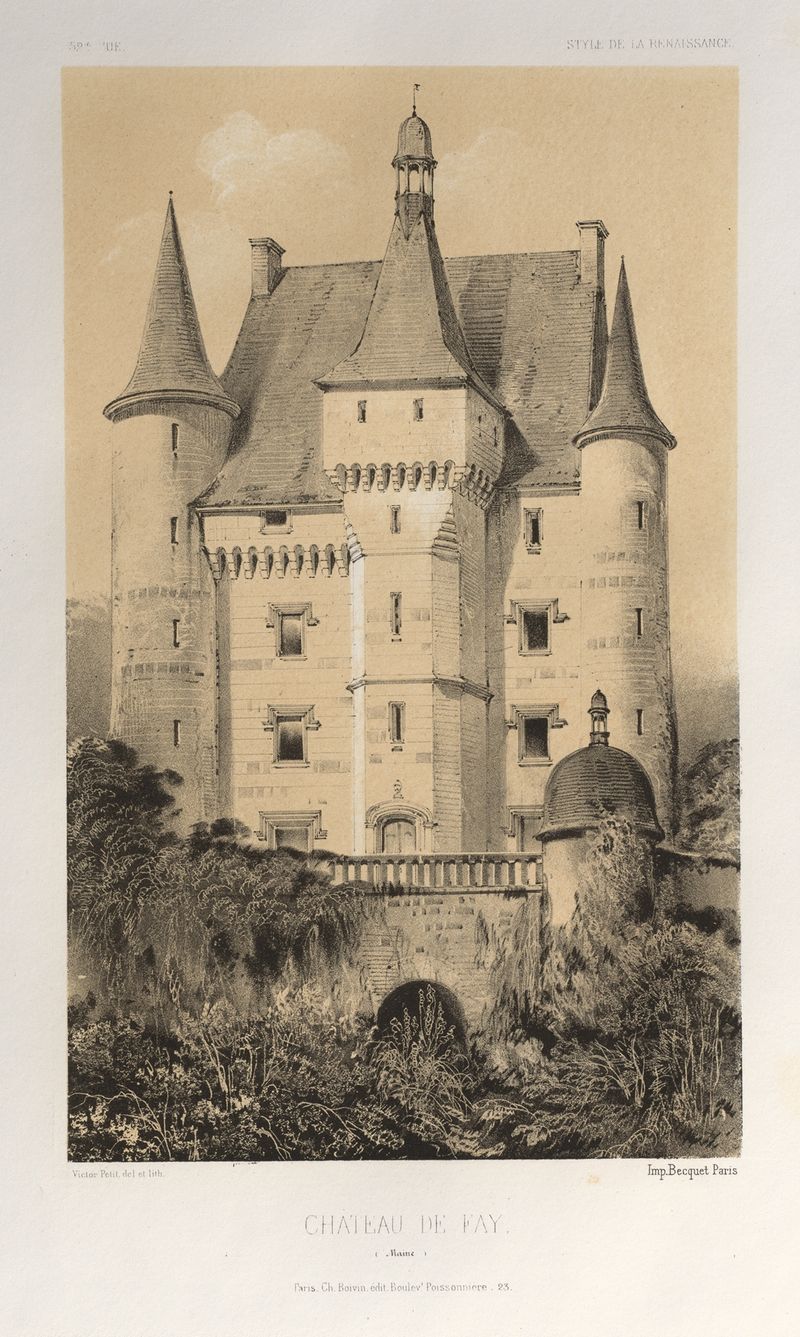
Château De Fay (Maine)
Victor Petit
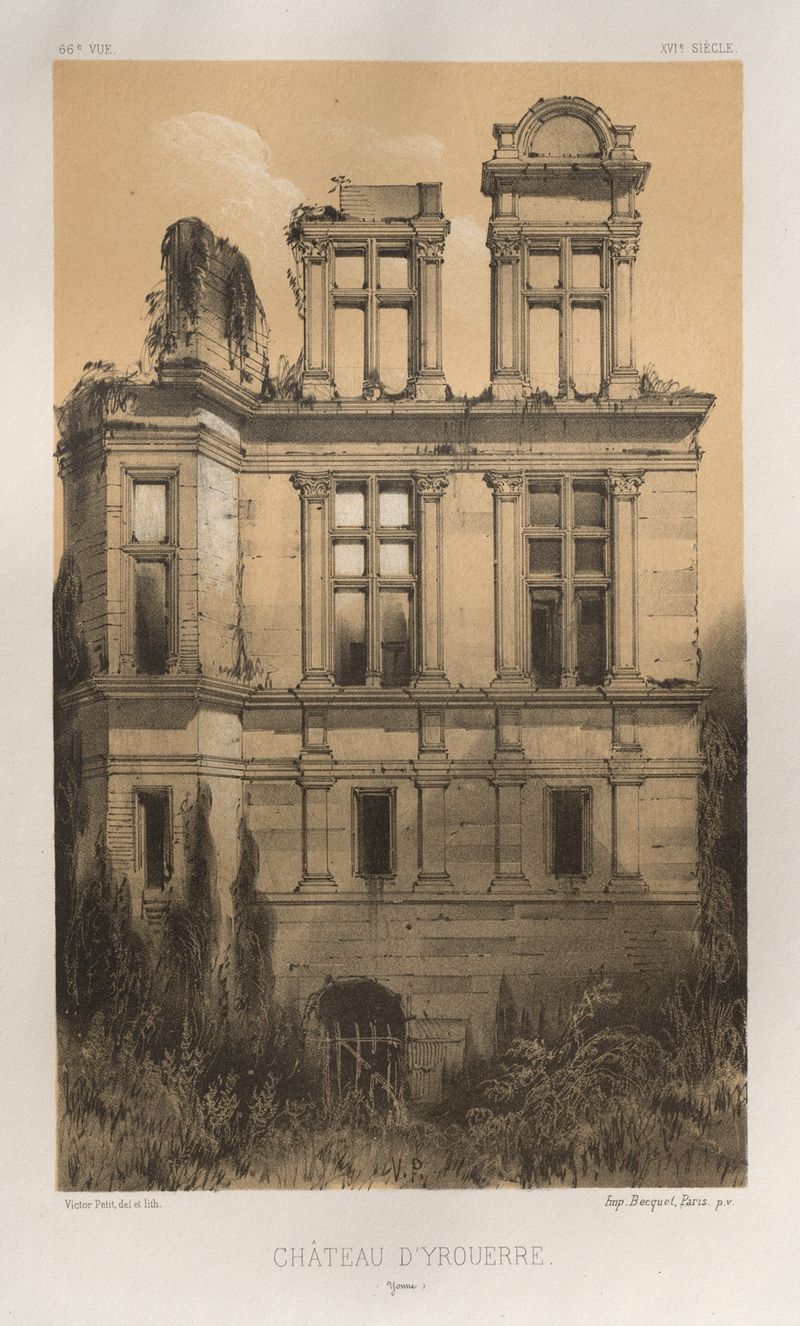
Château D’Yrouerre (Yonne)
Victor Petit
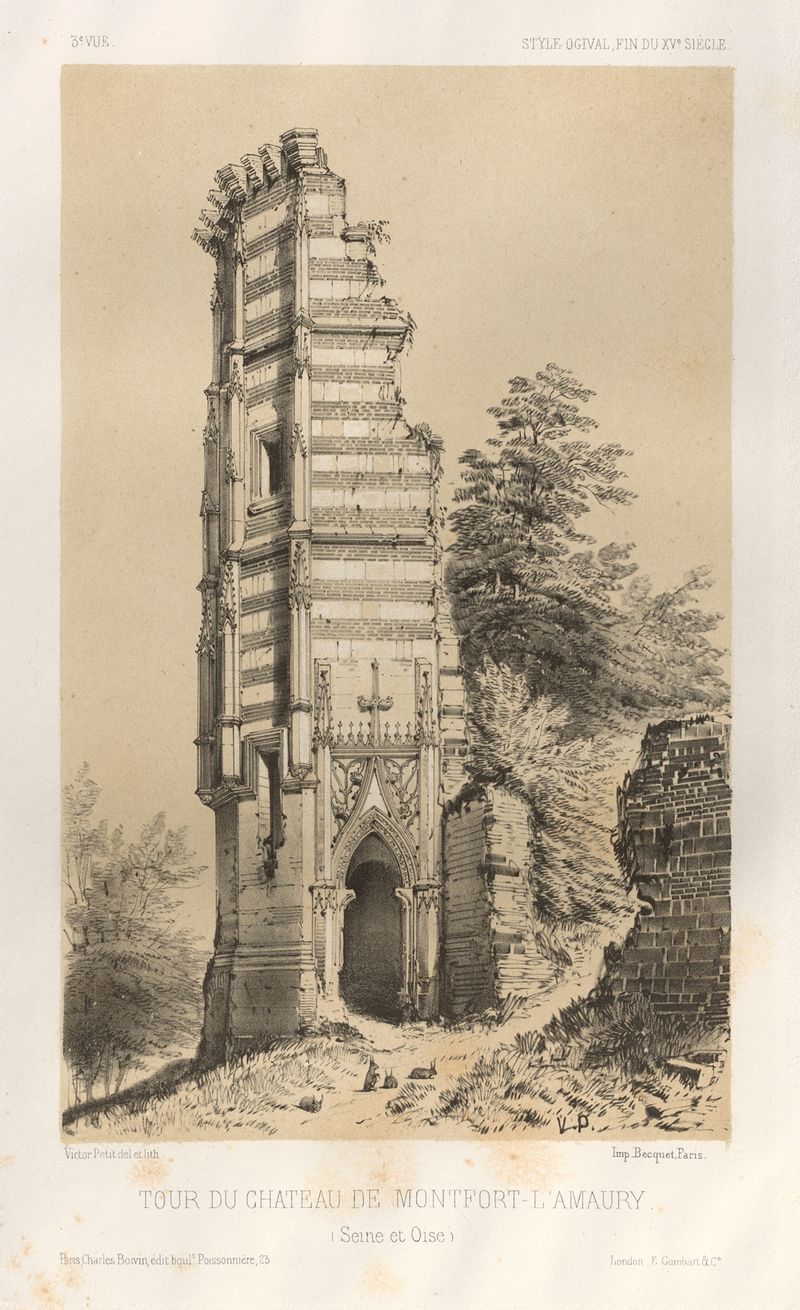
Tour du chateau de Montfort-l’Amaury (Seine-et-Oise)
Victor Petit

Tour Du Port De Marseille (Bouches Du Rhône)
Victor Petit
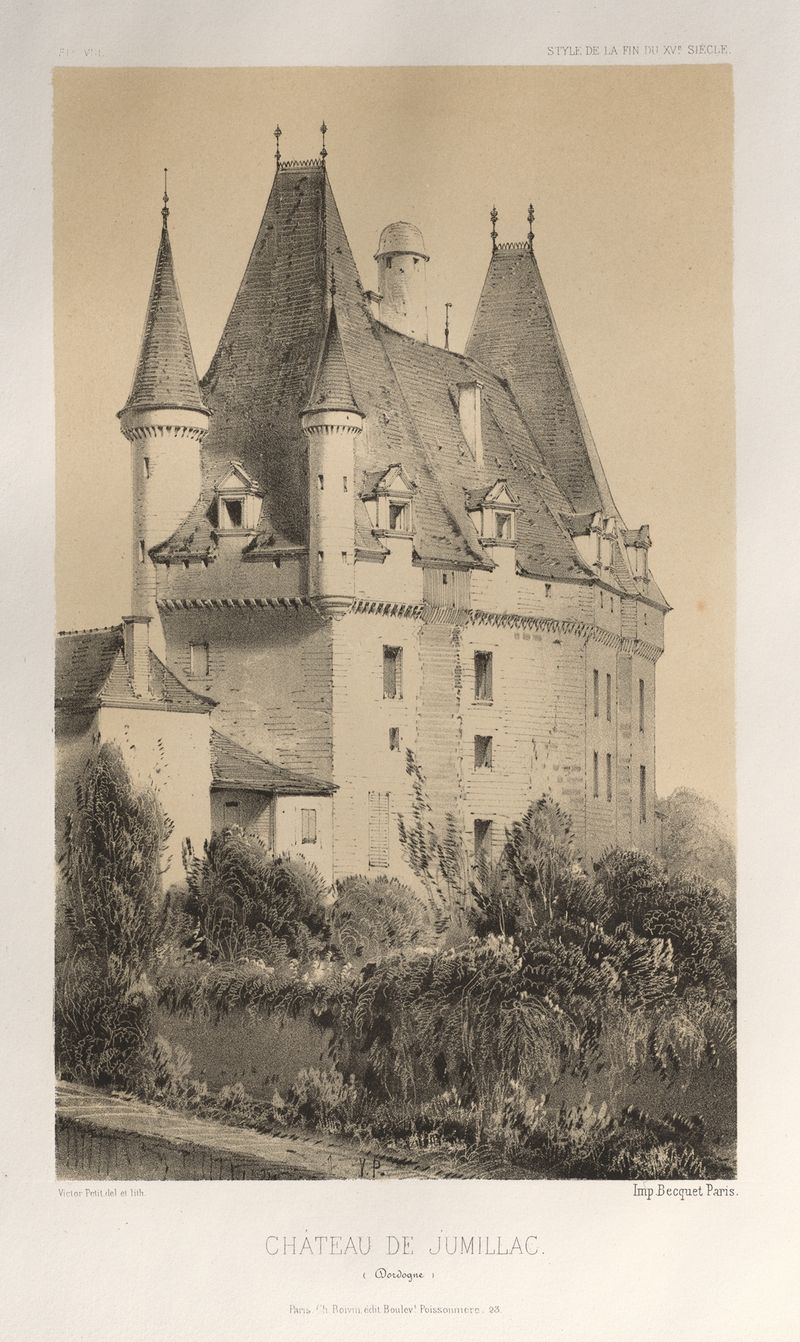
Château De Jumillac (Dordogne)
Victor Petit

Château de Tévray (Eure)
Victor Petit

Galerie Du Château De Jouancy (Saone et Loire)
Victor Petit

Château De Mello (Oise)
Victor Petit
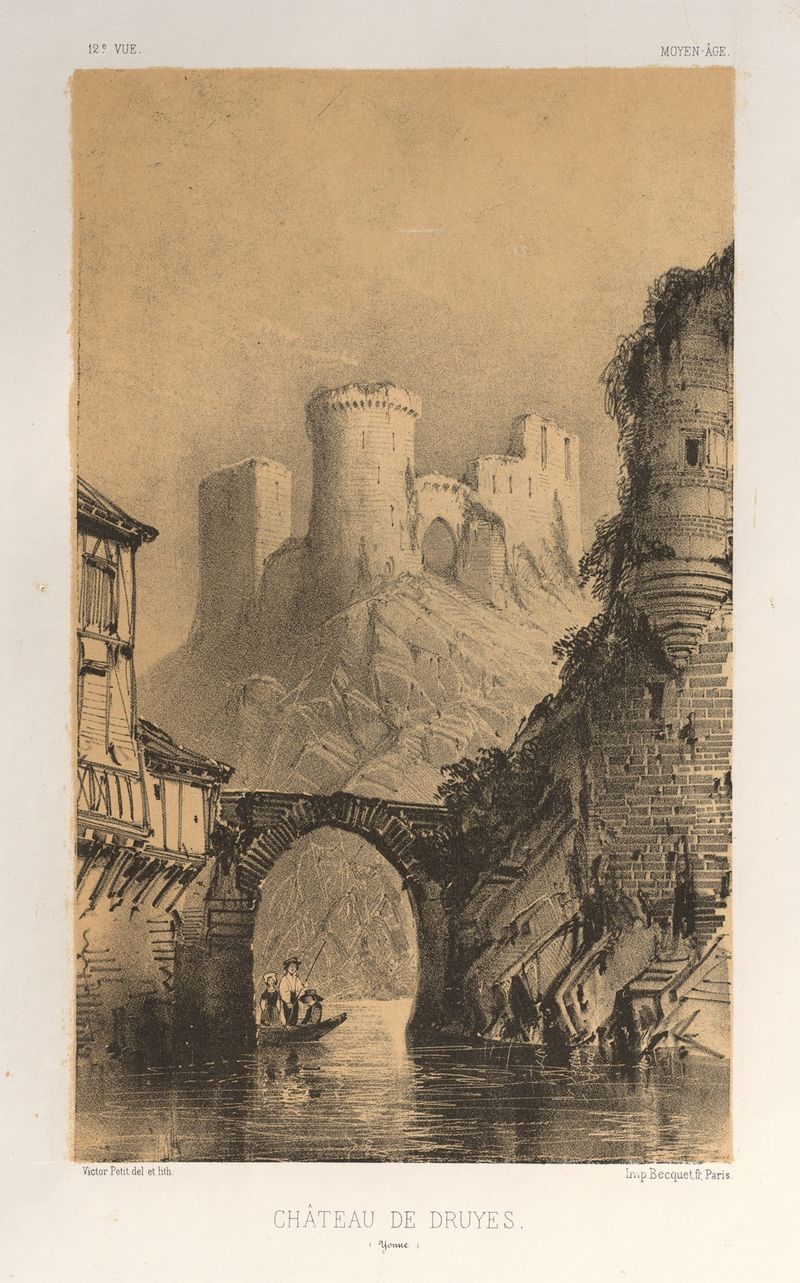
Chateau De Druyes (Yonne)
Victor Petit

Le ChasteLet-Neuf (Corrèze)
Victor Petit
More Architecture Art
Browse all →
The statue of Liberty
Frédéric Auguste Bartholdi

View of Houses in Delft, Known as ‘The Little Street’
Johannes Vermeer

View of Houses in Delft, Known as ‘The Little Street’
Johannes Vermeer

The Cathedral in Rouen. The portal, Grey Weather
Claude Monet

The yellow house
Vincent van Gogh

The Church in Auvers-sur-Oise, View from the Chevet
Vincent van Gogh