
Golden Eagle At A Cliff’s Edge — History & Facts
In Golden Eagle At A Cliff’s Edge, the viewer is greeted by a striking scene featuring a golden eagle poised majestically at the edge of a rocky cliff. The colors are rich and earthy, with deep browns and greens that reflect the natural habitat of the eagle. The sky above is painted in soft blues and whites, suggesting a serene yet wild atmosphere.
The eagle, with its detailed feathers and piercing gaze, captures the viewer's attention immediately. The painting is executed in oil on canvas, a medium that allows for vibrant color and intricate detail. The artist, Ferdinand von Wright, is known for his realistic portrayal of animals, and this work exemplifies his skill in capturing the essence of the eagle. The composition is balanced, with the eagle positioned prominently against the backdrop of the cliff and sky.
The brushwork is meticulous, showcasing the texture of the eagle's feathers and the rugged surface of the cliff. Ferdinand von Wright was a Finnish painter renowned for his wildlife art, particularly birds. This painting reflects his deep appreciation for nature and his ability to depict animals in their natural environments. An interesting fact about Golden Eagle At A Cliff’s Edge is that it highlights the eagle's significance in Finnish culture, symbolizing strength and freedom.
Wright's dedication to realism in his art has made his works highly regarded among animal painters of the 19th century.
More Artworks by Ferdinand von Wright

White-Tailed Eagle With Its Prey
Ferdinand von Wright
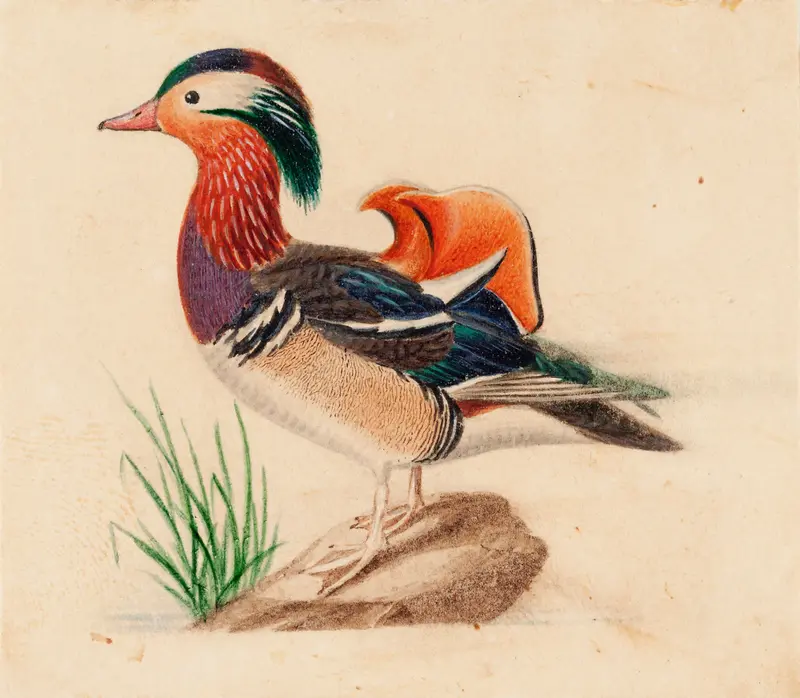
Mandarin Duck, Male
Ferdinand von Wright
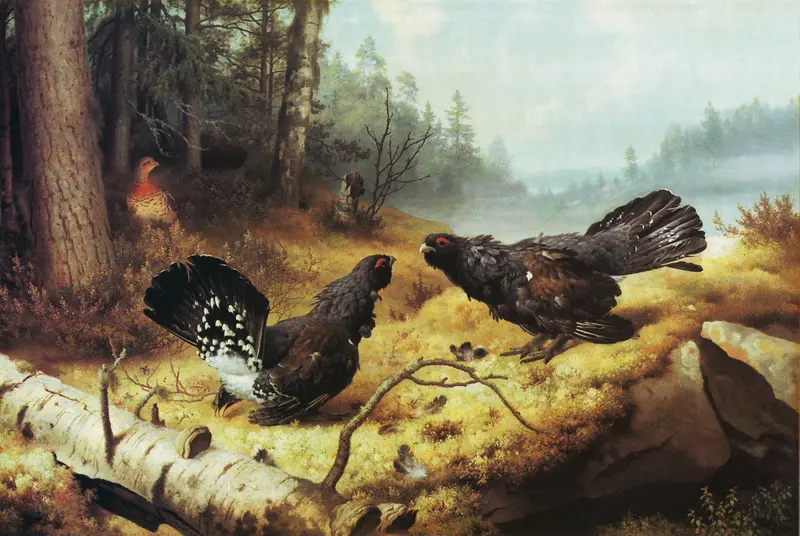
The Fighting Capercaillies
Ferdinand von Wright
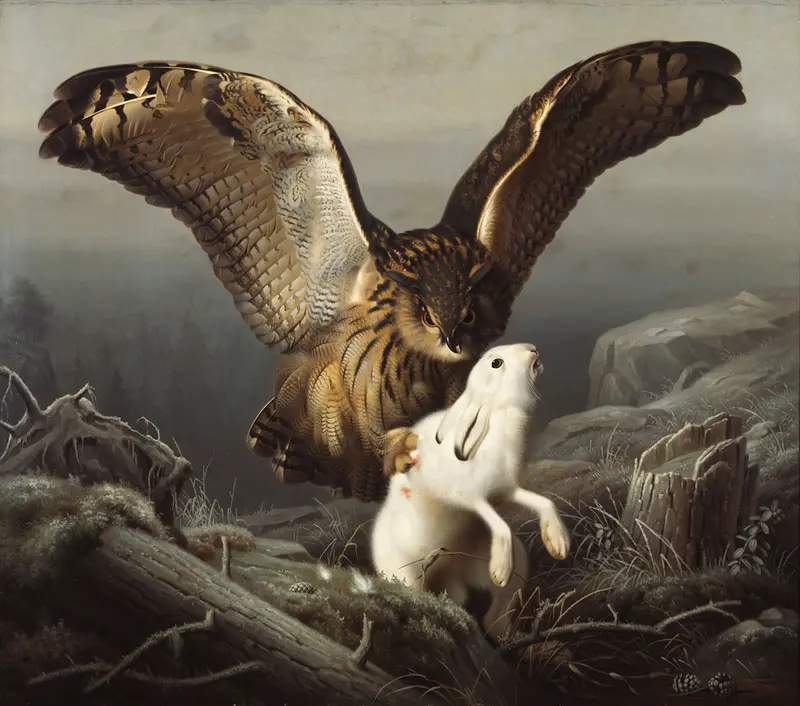
An Eagle-Owl Seizes A Hare
Ferdinand von Wright
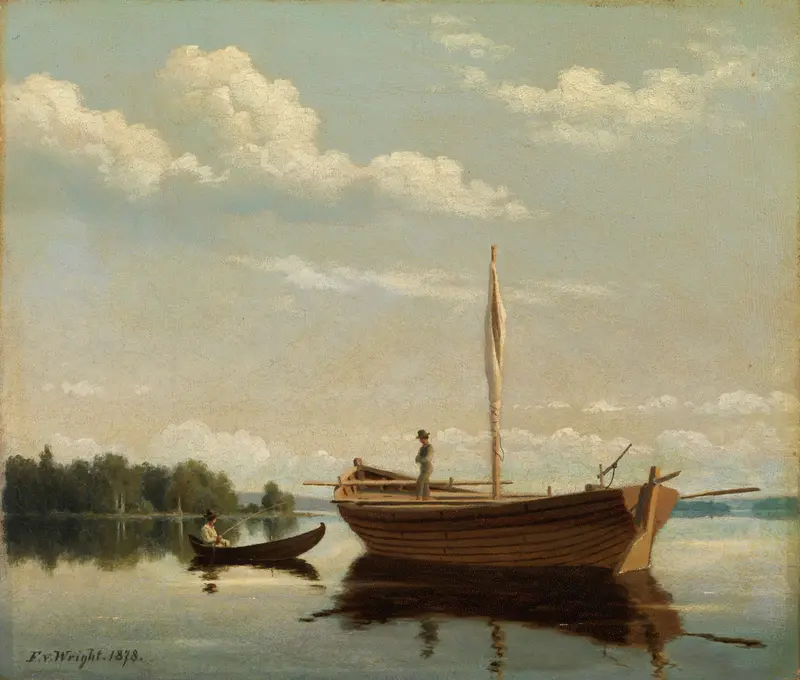
In The Islands Off Kuopio
Ferdinand von Wright
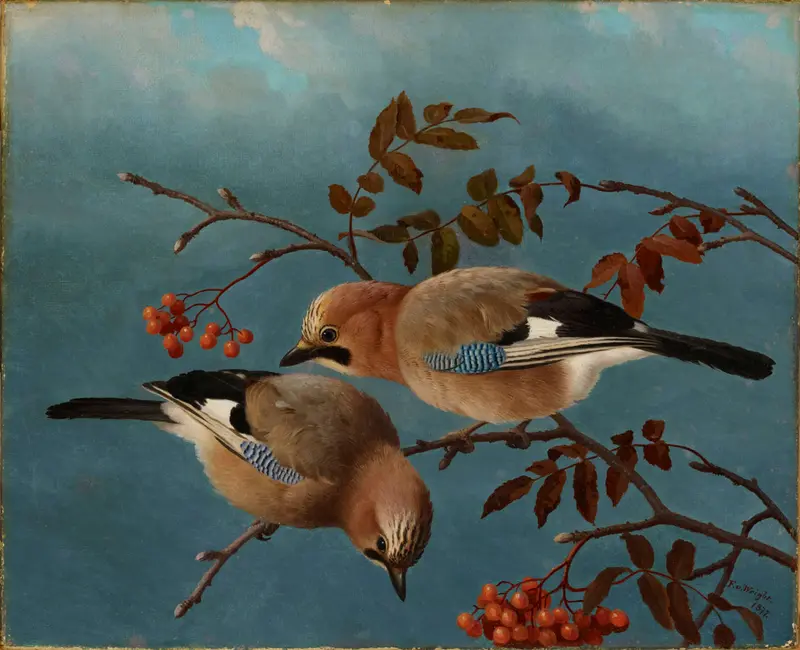
Jays
Ferdinand von Wright
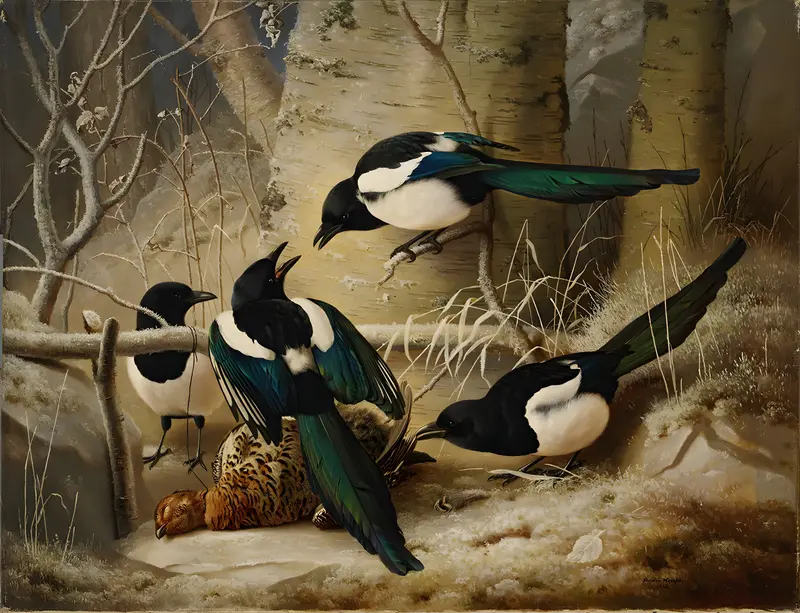
Magpies Round A Dead Female Capercaillie
Ferdinand von Wright

Woman ‘s Head
Ferdinand von Wright
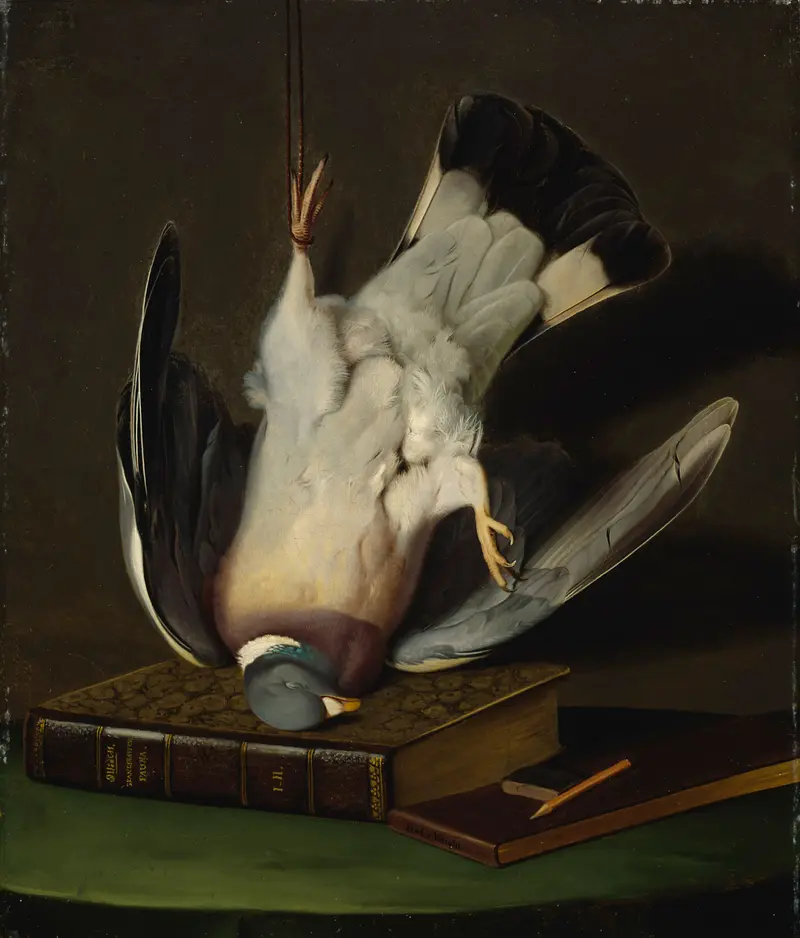
A Dead Wood Pigeon
Ferdinand von Wright
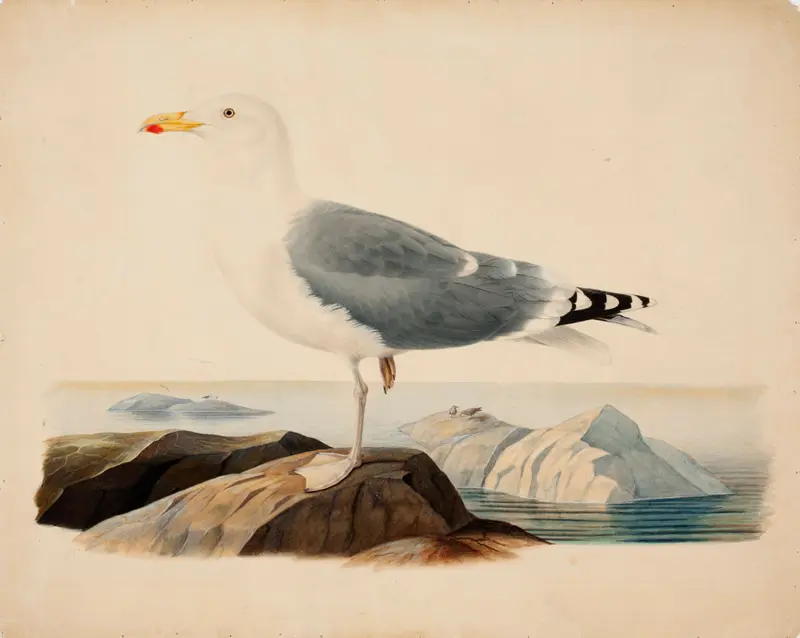
European Herring Gull
Ferdinand von Wright





