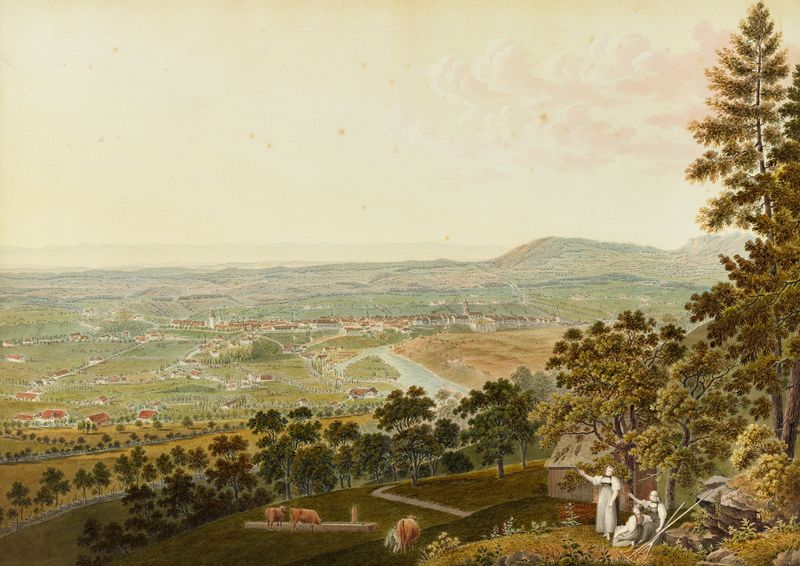
Gottstatt — History & Facts
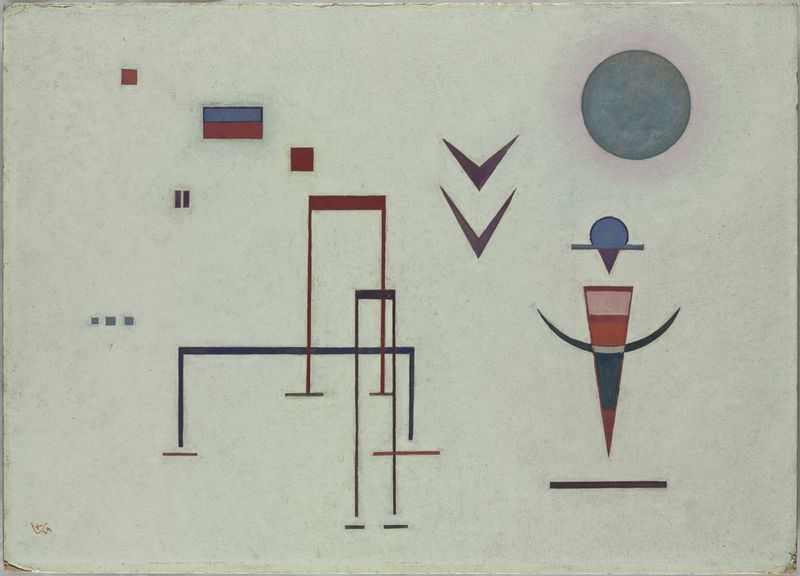
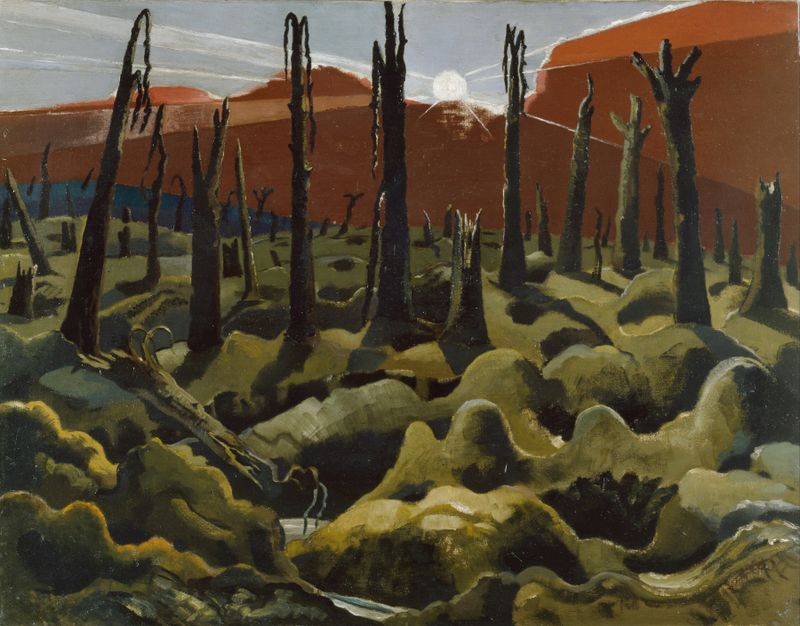
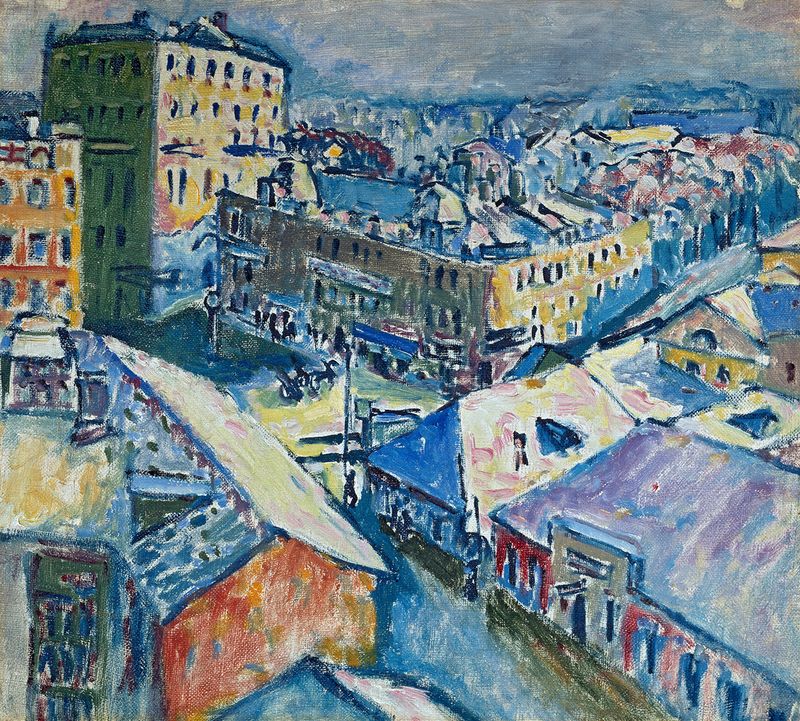
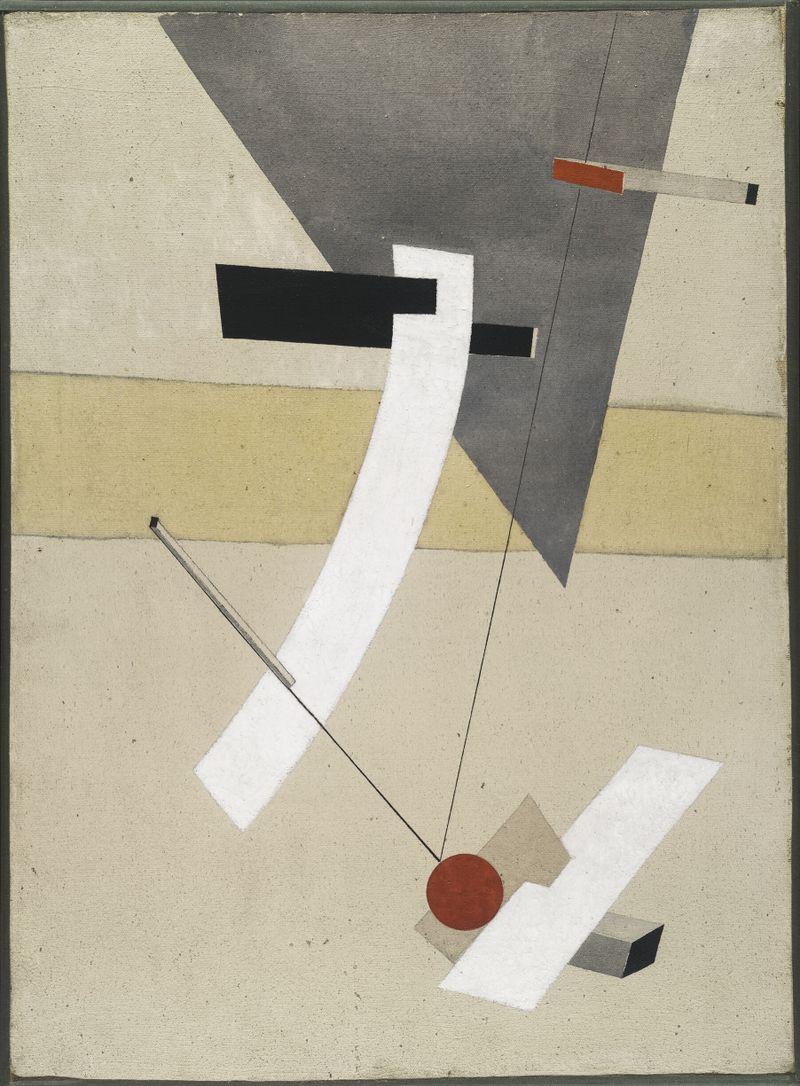
In a world that often feels saturated with noise and distraction, the essence of emptiness resonates profoundly in the canvas. This sentiment captures the haunting beauty of solitude and the void that can exist even in moments of stillness. Look to the center of the canvas, where a singular form emerges from an expanse of muted tones. The soft brushstrokes create a sense of ethereality, inviting the viewer to contemplate the interplay of light and shadow.
The delicate balance of colors, largely neutral with hints of blue and gray, evokes a serene yet melancholic atmosphere. Notice how the negative space envelops the central figure, amplifying the theme of isolation. Beneath the surface, the painting speaks to the paradox of presence and absence. Each stroke appears deliberate, echoing unspoken narratives of longing and disconnection.
As visual elements converge and dissolve, they reflect the tension between memory and forgetfulness—the central figure seems to grasp at fleeting moments that slip away like grains of sand. This interplay invites introspection, prompting viewers to confront their own experiences of emptiness. In the time period when Gottstatt was created, Weibel was navigating his artistic journey amid a shifting landscape of modern art. The work emerged during a phase marked by a deep exploration of existential themes and the human condition, where artists sought to convey complex emotions through abstraction.
Weibel’s engagement with these ideas aligns with a broader movement that sought to depict inner realities, challenging conventions and inviting viewers to reflect on their own sense of being.
More Artworks by Jakob Samuel Weibel
Browse all →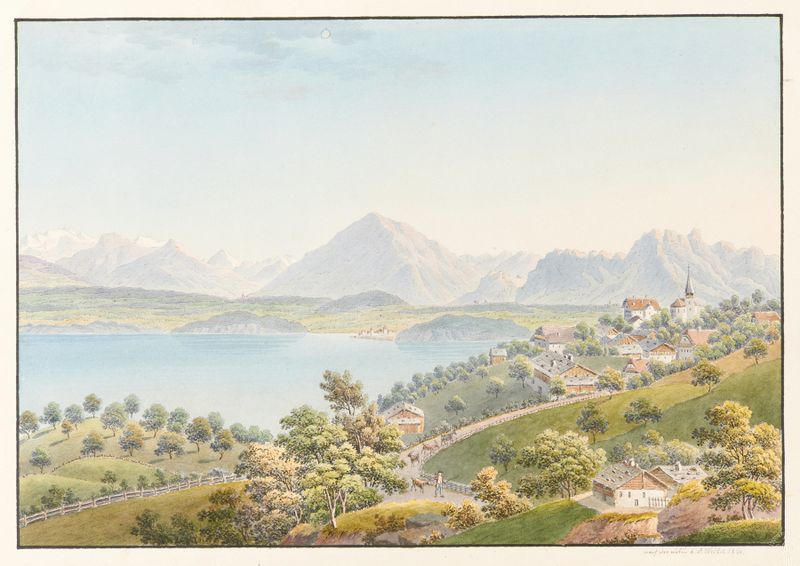
Vue dessiné depuis le Village de Sigriswil, audessus du Lac de Thoune
Jakob Samuel Weibel
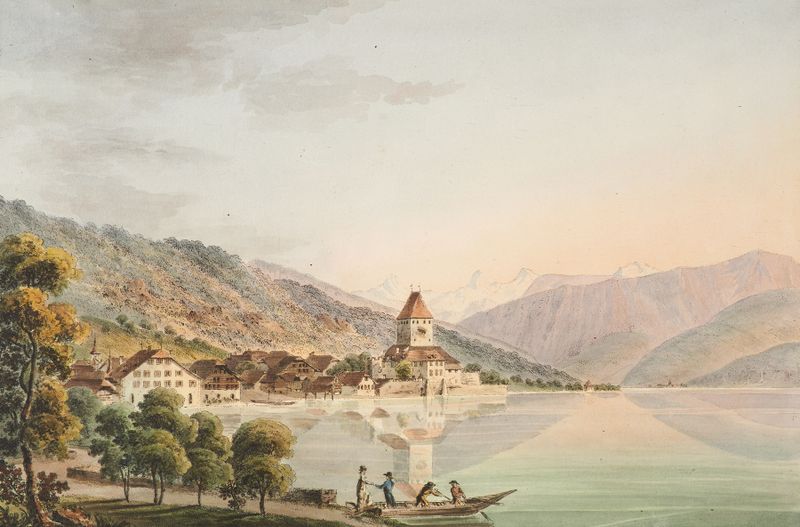
Vûe du Chateau d’Oberhofen au Lac de Thoune
Jakob Samuel Weibel
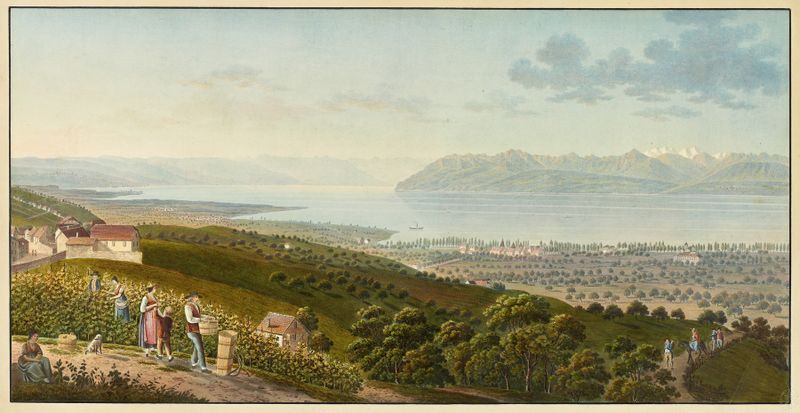
Vue genérale du Lac de Geneve
Jakob Samuel Weibel
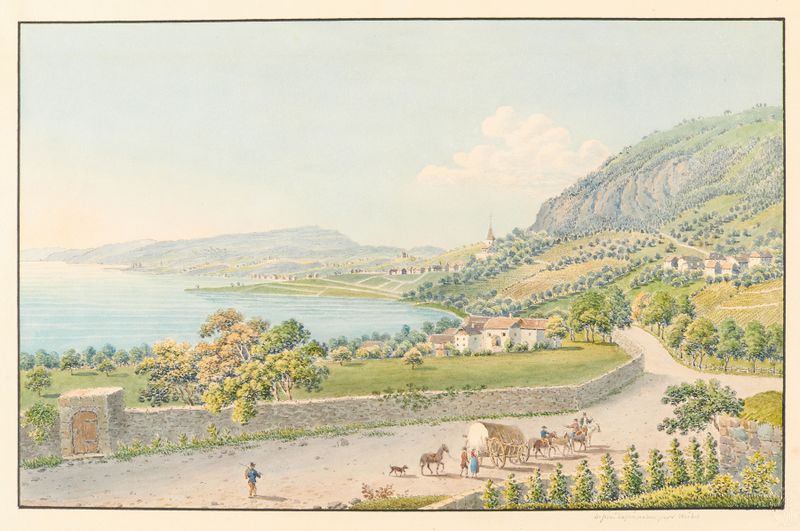
Vue des environs de Montreux et de Clarens
Jakob Samuel Weibel
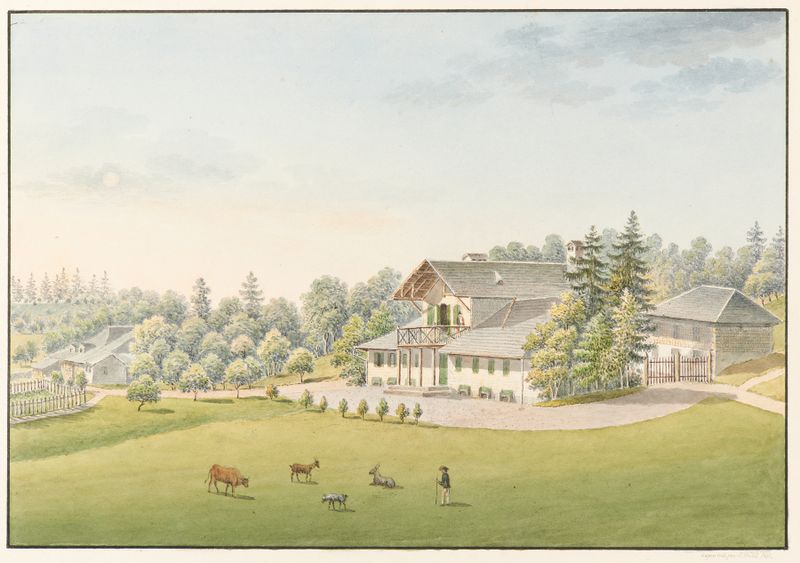
Vue du nouveau Châlet de Vernand
Jakob Samuel Weibel
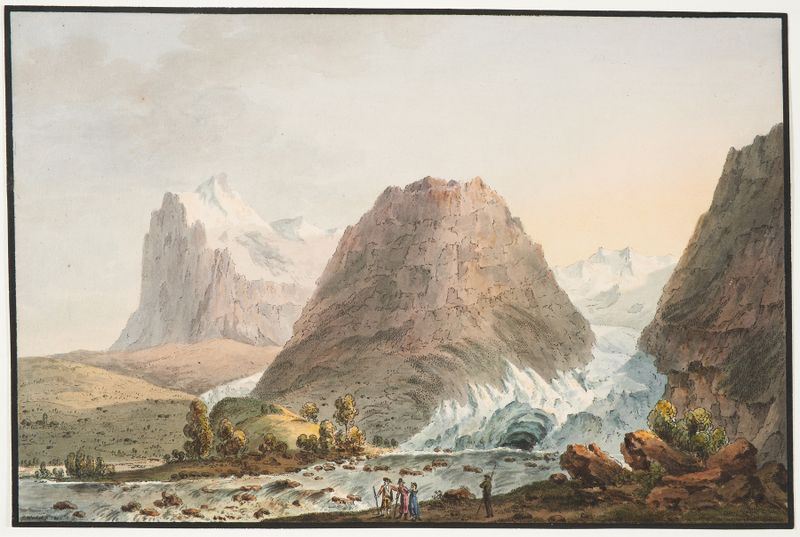
Vûe des Glacieres de Grindelwald
Jakob Samuel Weibel
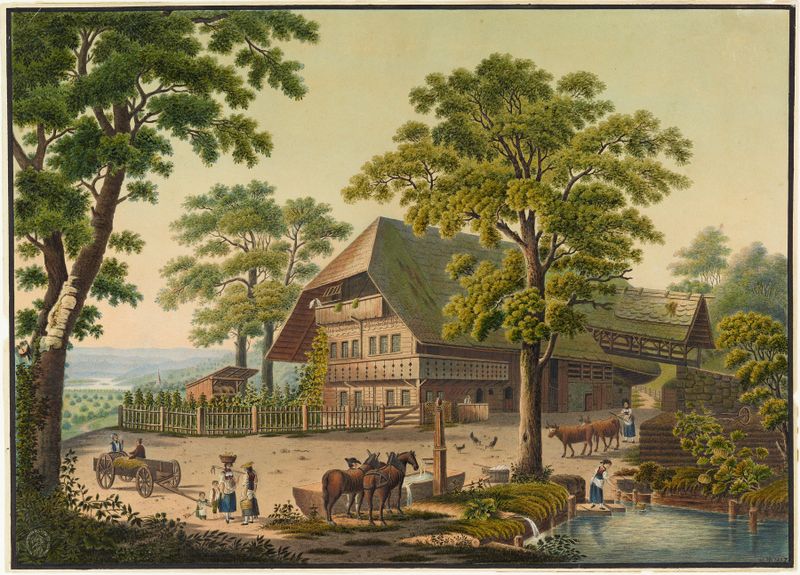
Maison de paysan près Wichtrach
Jakob Samuel Weibel
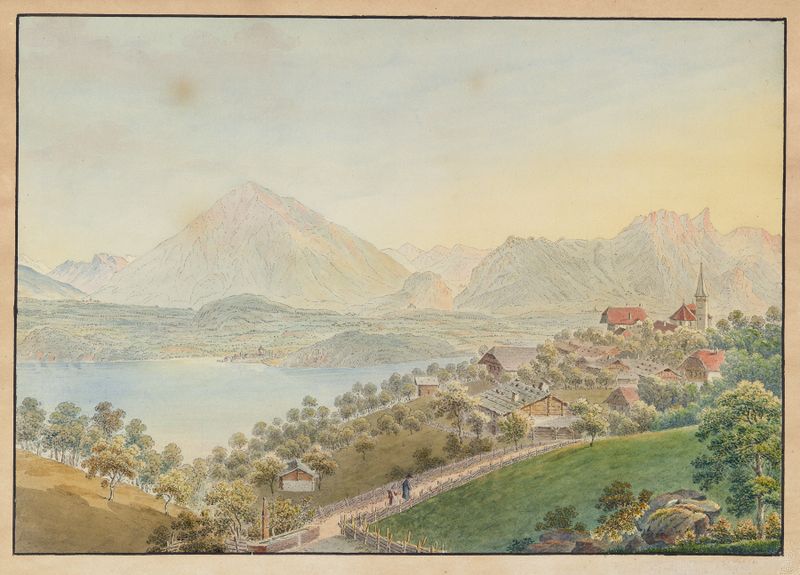
Ansicht von Sigriswil mit Niesen und Thunersee
Jakob Samuel Weibel
Ansicht Berns und der Aare vom Gurten aus
Jakob Samuel Weibel

Lausanne Ville capitale du Canton de Vaud
Jakob Samuel Weibel