
Gouverneur Kemble — History & Facts
What holds the viewer here is the unwavering stare: a gaze that seems to weigh and measure, as if the sitter is caught mid-thought, not merely posing but engaging in silent dialogue with the artist—and with us. The crisp contrast between the creamy waistcoat and the deep, enveloping black of the jacket draws the eye to the sitter’s torso, but it is the face, luminous against the shadowed background, that commands attention. The careful rendering of the hands, resting but not idle, suggests a life of action now momentarily at rest.
The orange-red of the chair back glows against the somber palette, hinting at warmth and authority. Painted in 1853, this portrait by Asher Brown Durand belongs to a moment in American art when likeness was not enough; the sitter’s character, social standing, and intellect were all to be captured in oil. Such works were often commissioned by families or institutions eager to memorialize achievement and virtue. In the United States of the mid-nineteenth century, portraiture was a declaration of presence and success, a visual assertion of identity in a rapidly changing society.
Today, housed in the collection of the National Gallery of Art, this painting stands as both a record of an individual and a testament to the ambitions of an age—inviting us to look closer, and meet the steady gaze that has outlasted its own century.
More Artworks by Asher Brown Durand

A Sycamore Tree, Plaaterkill Clove (The Sycamore, Kaaterskill Clove)
Asher Brown Durand
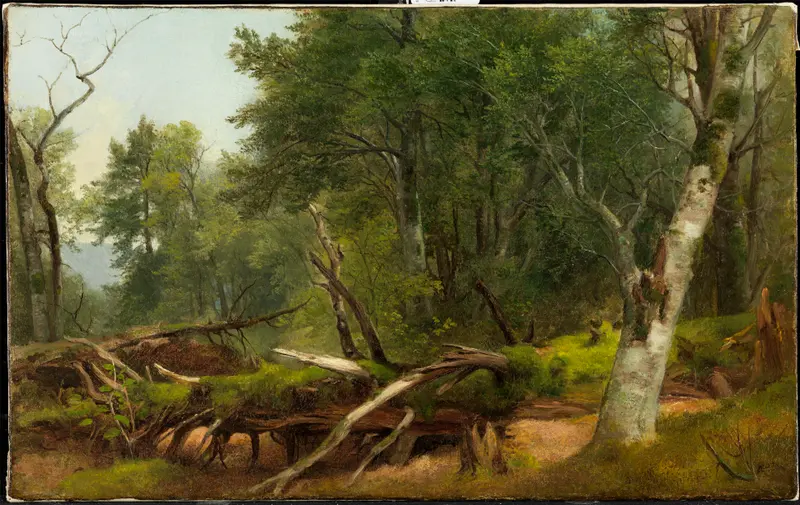
Forest Scene in the Catskills
Asher Brown Durand
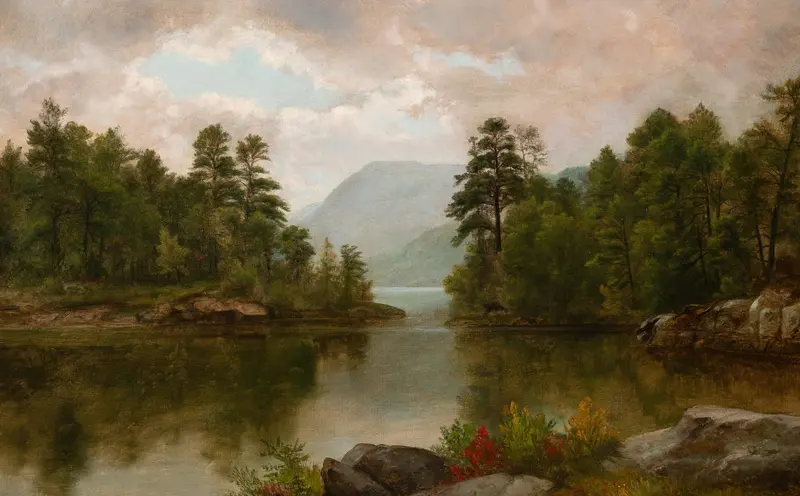
The Narrows, Lake George
Asher Brown Durand
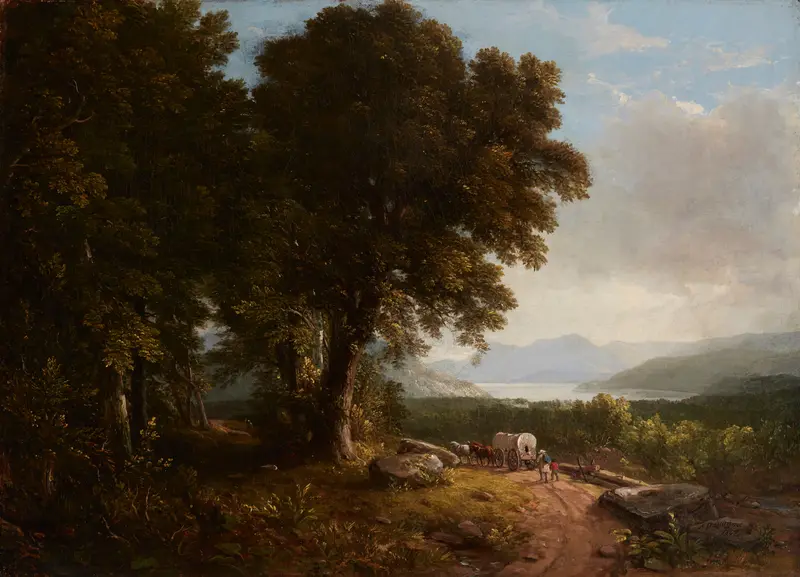
Landscape with Covered Wagon
Asher Brown Durand
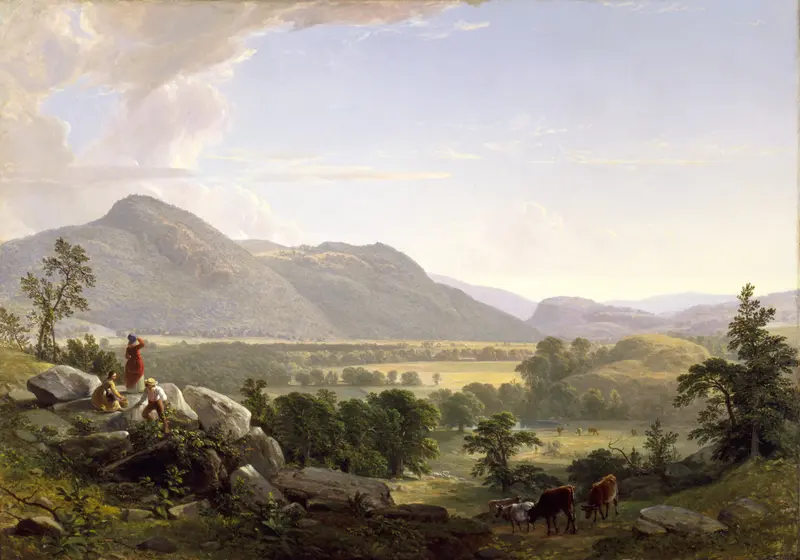
Dover Plains, Dutchess County, New York
Asher Brown Durand
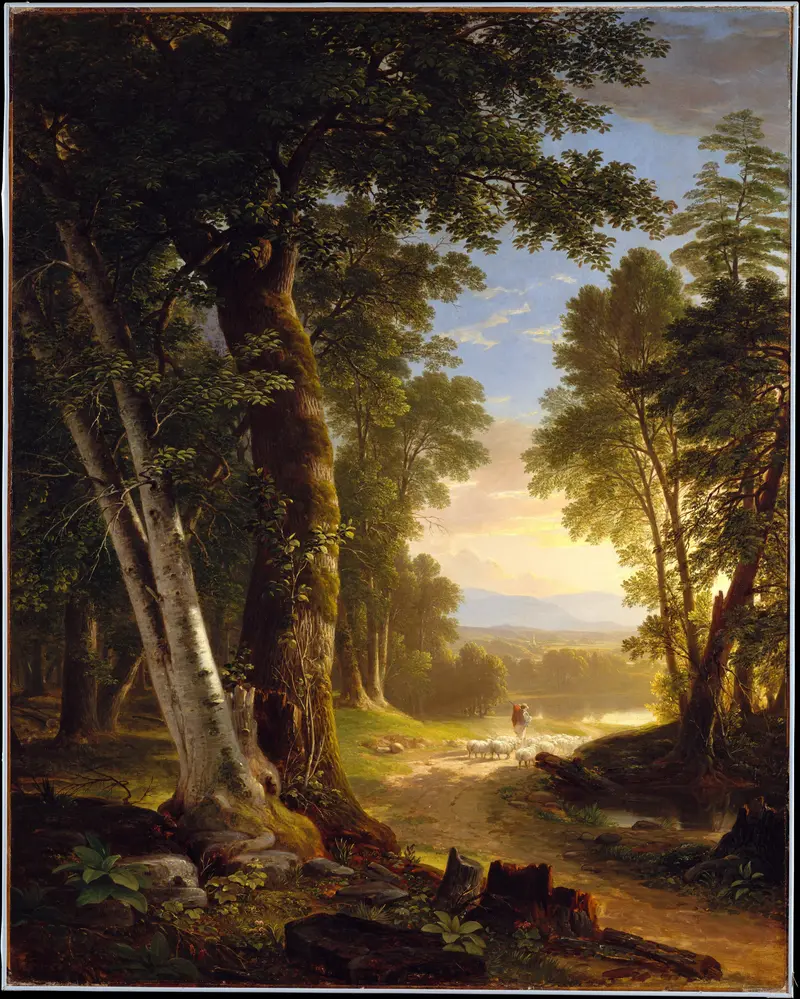
The Beeches
Asher Brown Durand

Kaaterskill Landscape
Asher Brown Durand
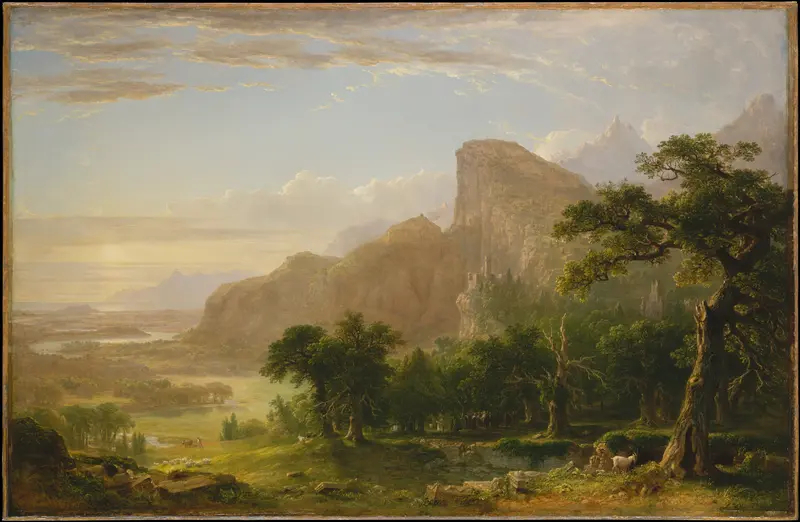
Landscape—Scene from ‘Thanatopsis’
Asher Brown Durand
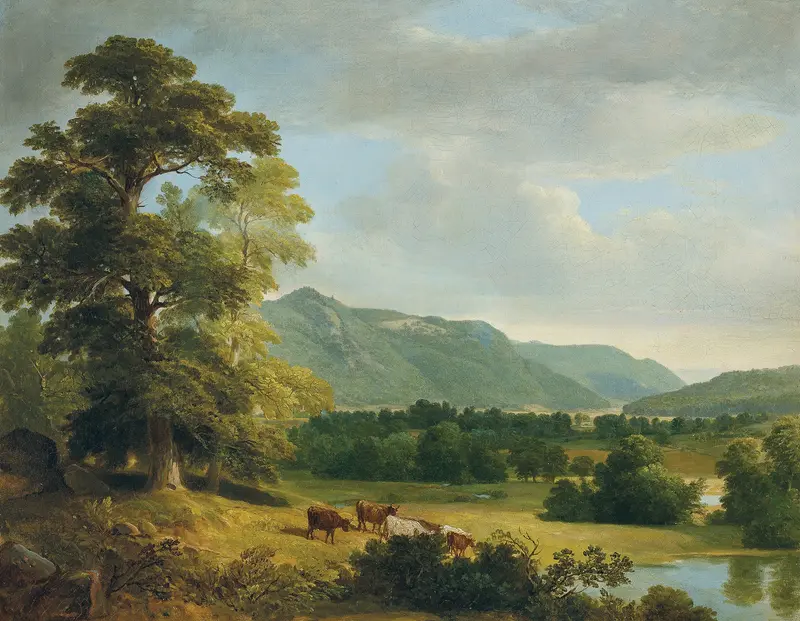
Landscape Study, Dover Plains, New York
Asher Brown Durand
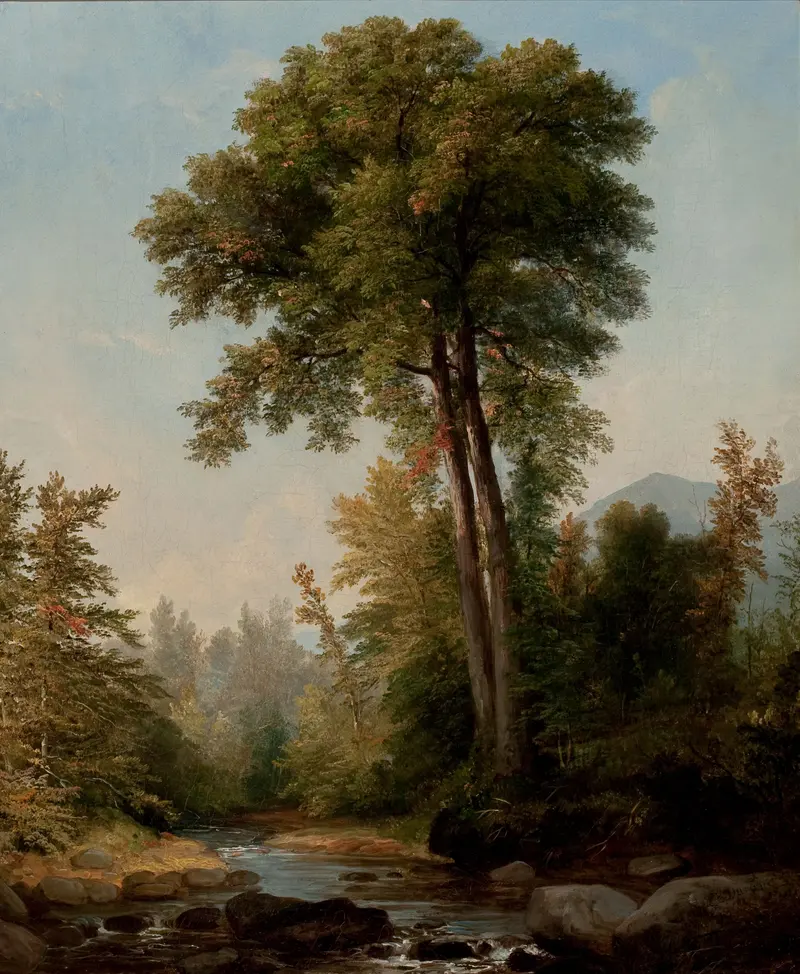
A Natural Monarch
Asher Brown Durand





