
Grafbord van George Lodewijk Vernet (1711-75), directeur van Bengalen (1763-69) — History & Facts
Could beauty survive in a century of chaos? The lingering elegance of a past era beckons us to explore the intersection of art and tumult, where moments of grace resist the passage of time. Look closely at the intricate details of the composition. Notice how the delicate brushwork captures the essence of refinement in every fold of the fabric and every glint of the porcelain. The artist employs a palette of muted earth tones, contrasted by vibrant highlights, drawing your gaze to the center where a striking still life comes alive.
The arrangement of objects tells a story of abundance, yet the atmosphere hangs heavy with unspoken histories. In this tableau, there is a tension between opulence and the weight of societal upheaval. Each object, from the finely crafted utensils to the meticulously arranged fruits, signifies not just beauty but also the fragility of prosperity amidst political strife. The way light interacts with the surfaces creates a sense of nostalgia, hinting at the impermanence of comfort in a world on the brink of change.
This duality invites viewers to reflect on the fleeting nature of both beauty and stability. The painting emerged in a time when Europe was grappling with the aftermath of the Seven Years' War, a period that reshaped colonial and artistic landscapes. The artist, whose identity remains obscured, captured this moment after 1775, possibly influenced by the shifting socio-political tides. As the director of Bengal from 1763 to 1769, George Lodewijk Vernet’s experiences during his tenure may have inspired an appreciation for the transient beauty that art, even in turbulent times, so fervently preserves.
More Artworks by Unknown Artist
Browse all →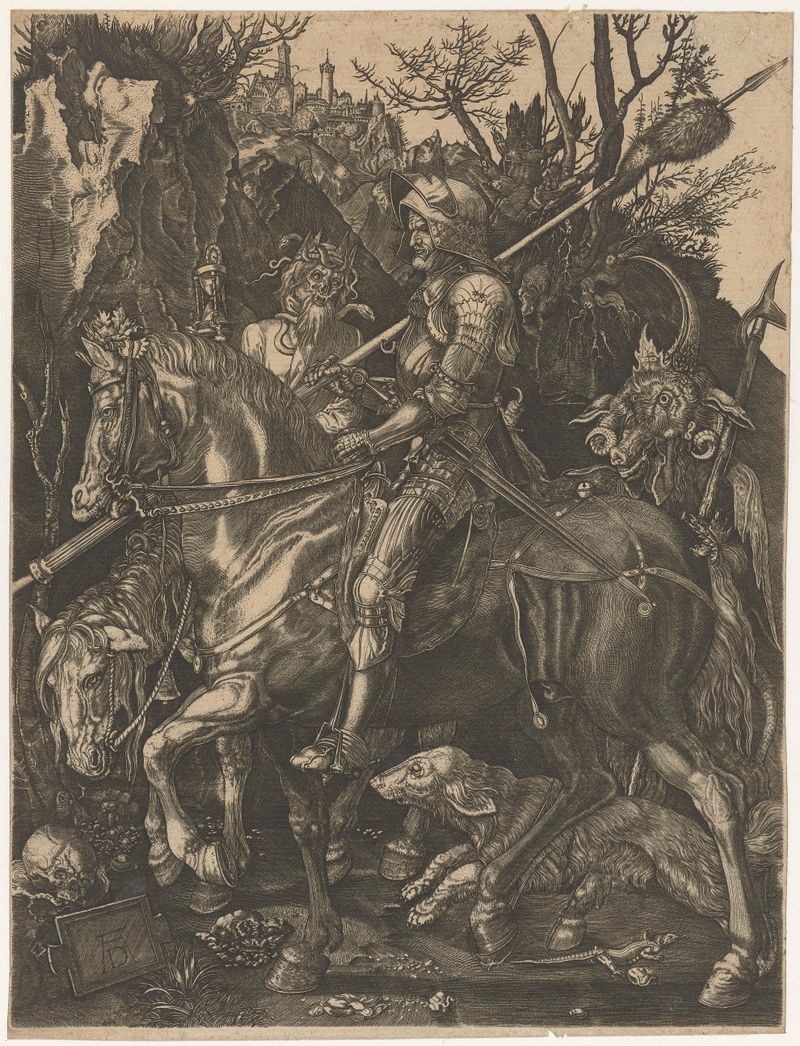
Ridder, Dood en Duivel
Unknown Artist
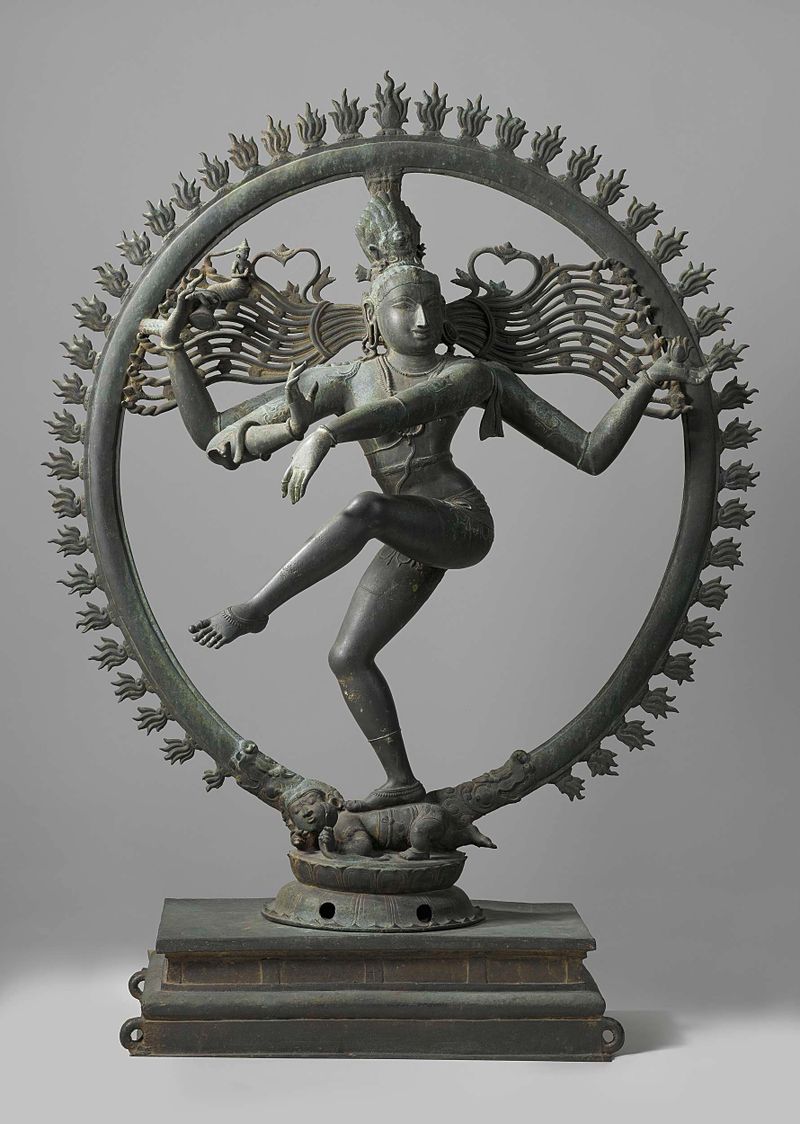
Shiva Nataraja
Unknown Artist
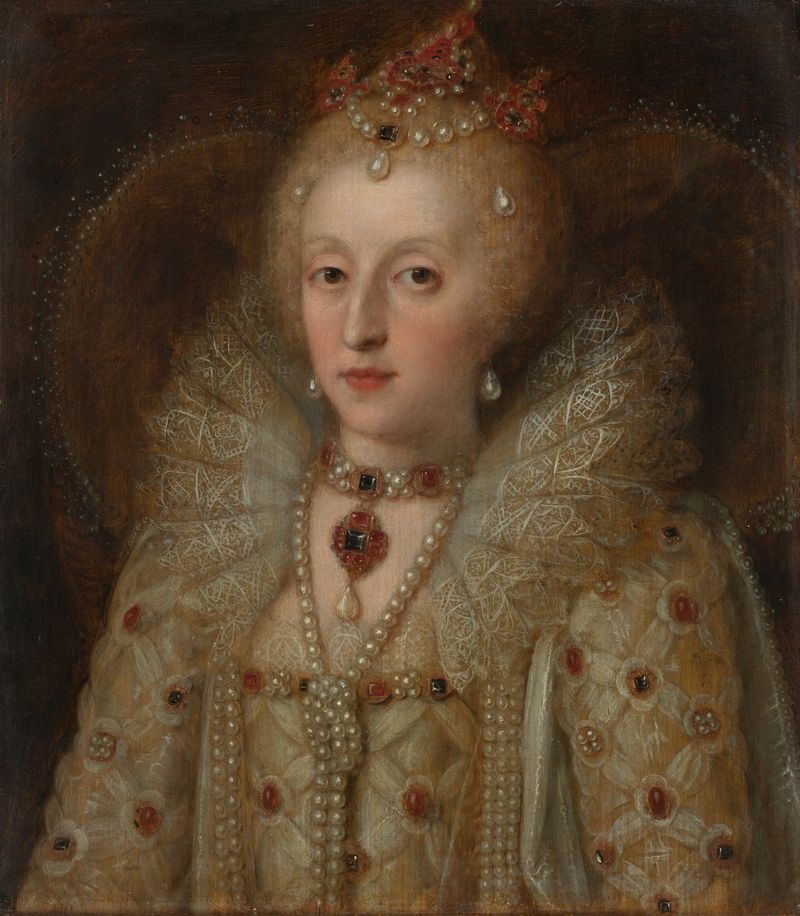
Portrait of Elizabeth I, Queen of England
Unknown Artist
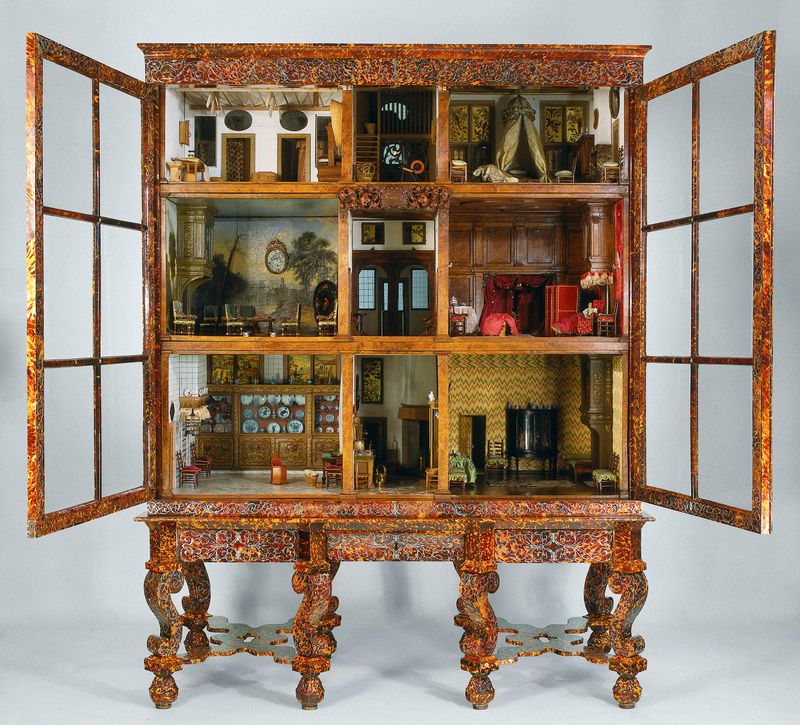
Dolls’ house of Petronella Oortman
Unknown Artist
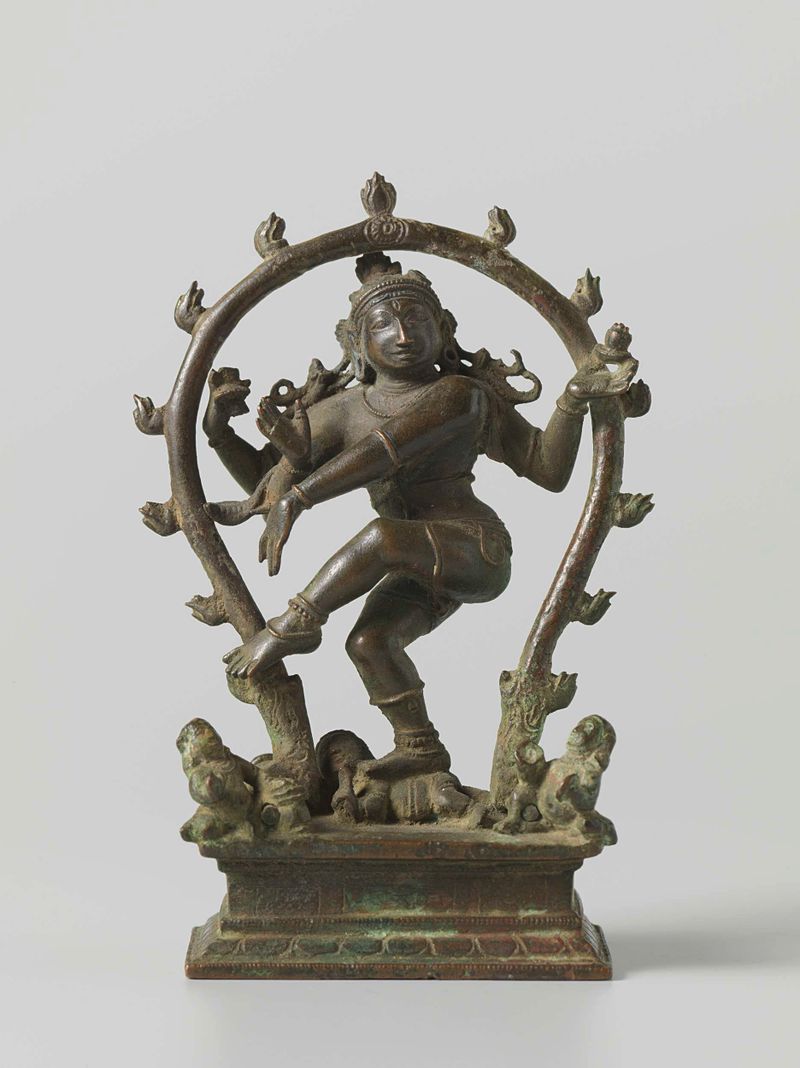
Shiva Nataraja
Unknown Artist

The Tale of Genji
Unknown Artist

The Tale of Genji
Unknown Artist

Cong
Unknown Artist
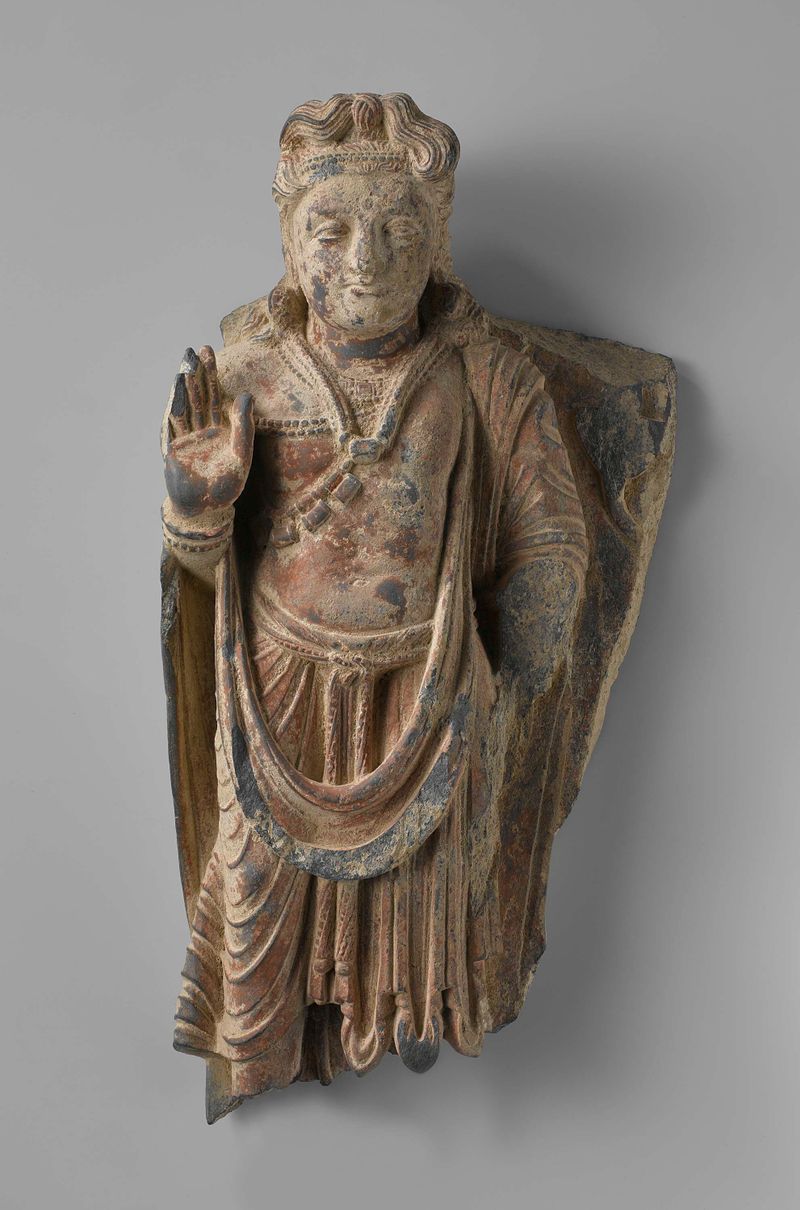
The bodhisattva Maitreya
Unknown Artist

Teabowl with a 'hare's fur' glaze
Unknown Artist
More Historical Art
Browse all →
The Night Watch Militia Company of District II under the Command of Captain Frans Banninck Cocq
Rembrandt van Rijn

Lincoln Memorial
Henry Bacon

The Third of May 1808
Francisco de Goya

Isaac and Rebecca, Known as ‘The Jewish Bride’
Rembrandt van Rijn

The Charge of the Mamelukes (1814)
Francisco de Goya

De vier ruiters van de apocalyps
Albrecht Dürer