Grafbord van Theodora Antoinette Bodle (1729-74) — History & Facts
Each stroke and hue embodies a legacy that transcends time, whispering the stories of lives lived and the artifacts left behind. Look to the center of the canvas, where a lavishly adorned table sprawls, richly laden with an array of objects that invite scrutiny. Notice the delicate interplay of light and shadow upon the porcelain, illuminating its intricate designs while casting soft reflections that dance across the polished surface. A faded elegance pervades the scene, enhanced by a muted palette that evokes both nostalgia and a sense of quiet reverence. Delve deeper into the details, where each item is steeped in symbolism—a gilded goblet that hints at celebration, a crumpled letter suggesting untold stories, and a bouquet of flowers that may evoke the fleeting nature of beauty.
These elements resonate with a haunting tension between wealth and decay, reminding us that all possessions carry the weight of their history, illuminating the passage of time and the fragility of human legacy. This artwork emerged after 1774, during a period of transition and upheaval in Europe, as the shadows of the Enlightenment began to reshape cultural landscapes. The unknown artist was likely responding to the changing tides of society, where the ornate and the personal began to intertwine in the decorative arts. In this context, the table serves as a metaphor for the convergence of history and individual stories, embodying the essence of a world on the brink of transformation.
More Artworks by Unknown Artist
Browse all →
Ridder, Dood en Duivel
Unknown Artist
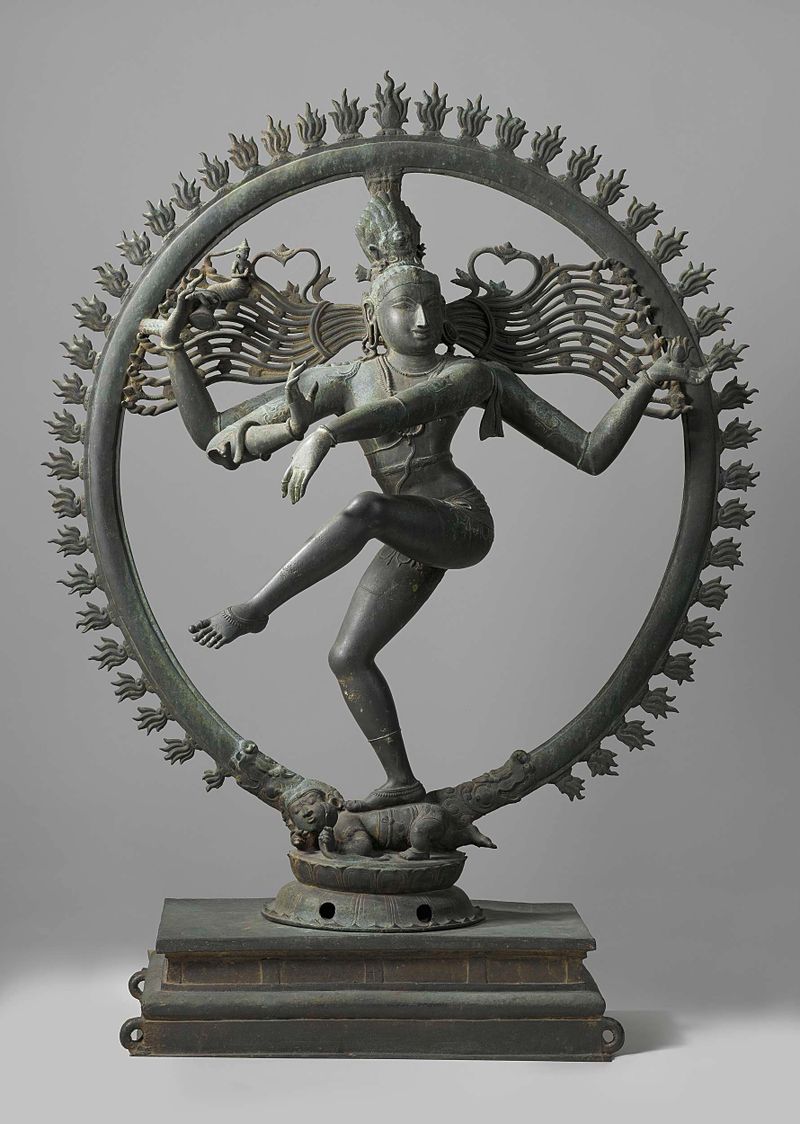
Shiva Nataraja
Unknown Artist
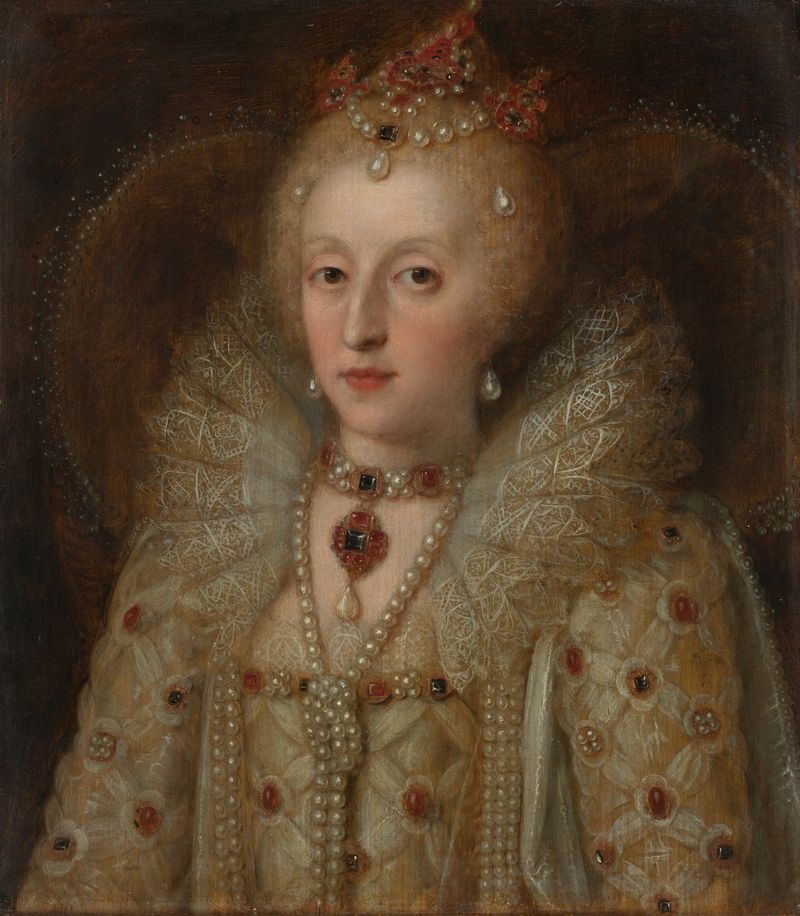
Portrait of Elizabeth I, Queen of England
Unknown Artist
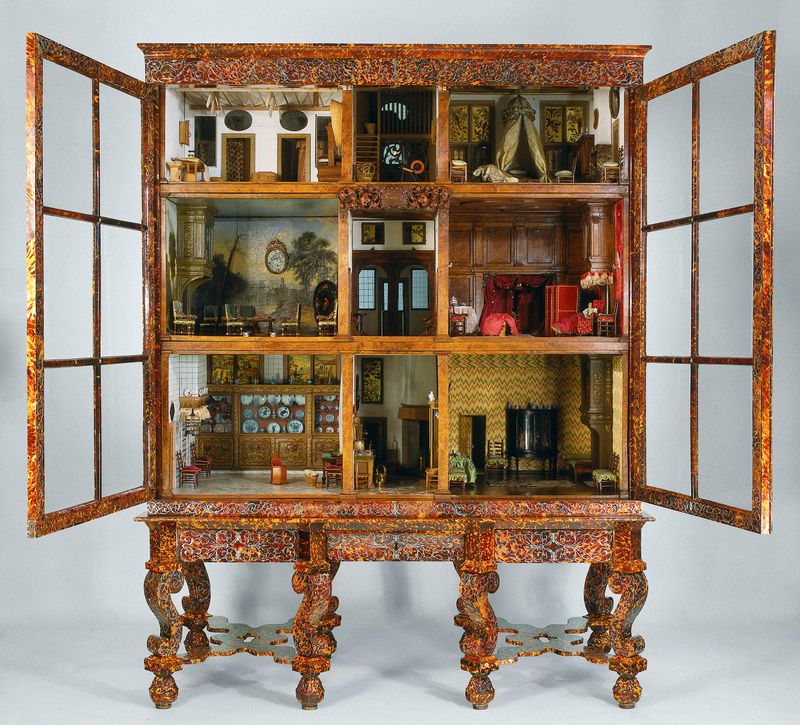
Dolls’ house of Petronella Oortman
Unknown Artist
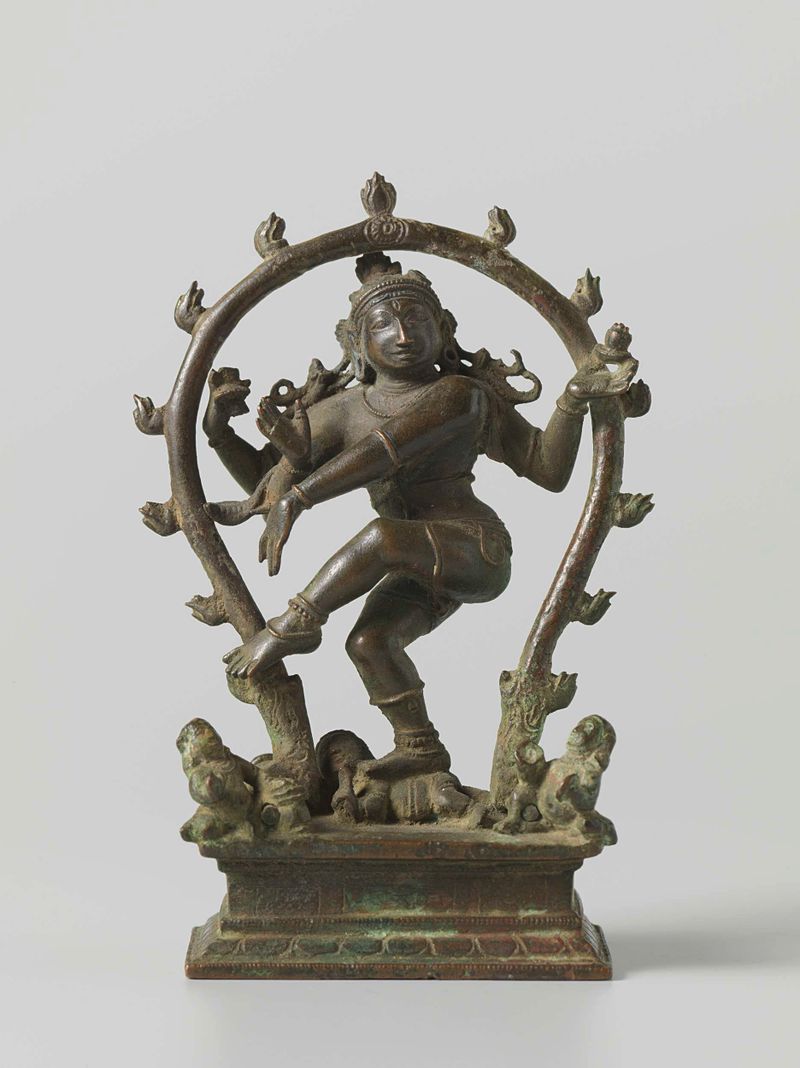
Shiva Nataraja
Unknown Artist

The Tale of Genji
Unknown Artist

The Tale of Genji
Unknown Artist

Cong
Unknown Artist
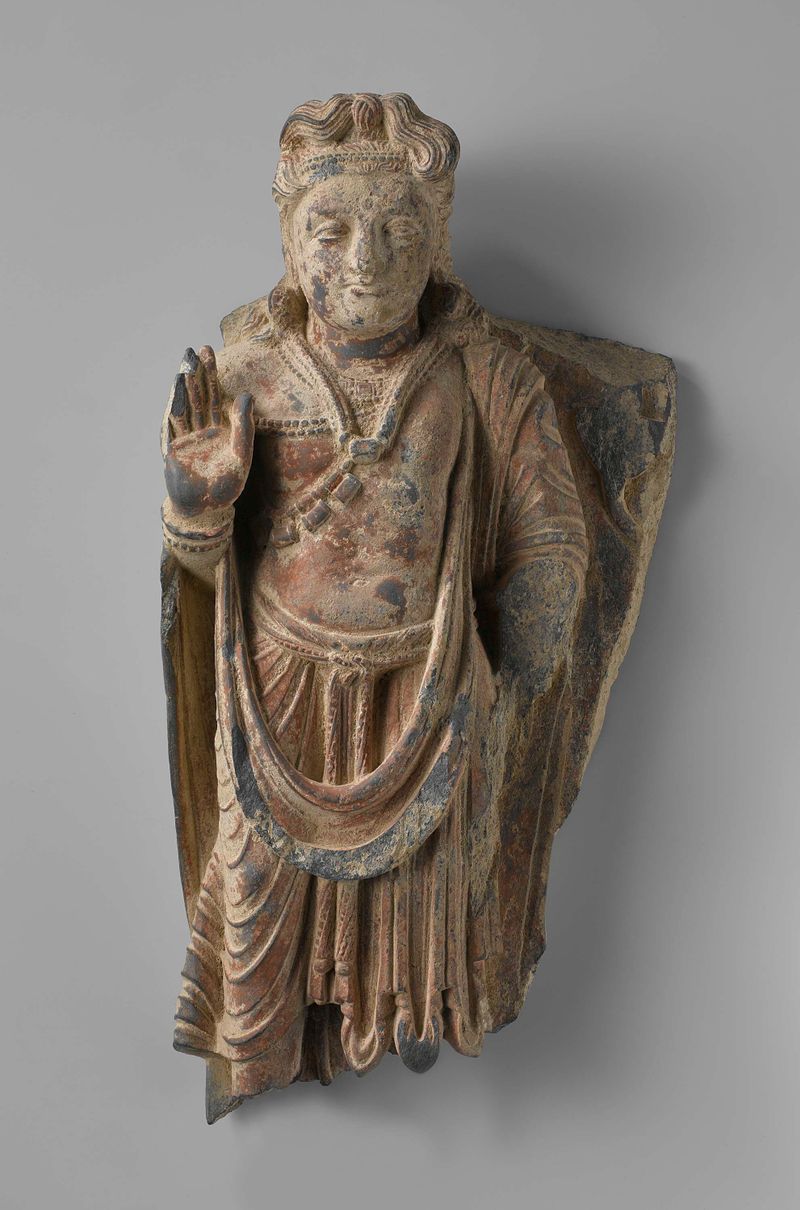
The bodhisattva Maitreya
Unknown Artist

Teabowl with a 'hare's fur' glaze
Unknown Artist