
Granada — History & Facts
Where does light end, and longing begin? In the delicate interplay of color and form, we find a stirring exploration of heritage and memory. Look closely at the vibrant hues sweeping across the canvas, as warm oranges and deep blues converge in a symphony of light. The foreground draws you in, where the sun-drenched architecture catches your eye, its intricate details whispering tales of a bygone era. Notice how the shadows cling to the edges, creating a contrast that speaks of time’s passage and its inevitable fading. As you absorb the scene, consider the emotional tensions woven into the fabric of the painting.
The brilliant light illuminating the landscape hints at a hopeful past, while the shadows lurking at the edges evoke an undercurrent of nostalgia. This duality between brightness and shade serves as a metaphor for legacy, suggesting the joy of remembrance intertwined with the pain of loss. Each architectural element stands as a testament to history, echoing the stories of those who walked these streets long before us. In 1899, Jan Ciągliński found himself immersed in the artistic atmosphere of Paris, yet his heart remained tethered to his Polish roots.
This period marked a time of cultural exploration, where artists sought to capture their identities through the lens of their experiences. With Granada, he infused his canvas with both the vibrancy of his travels and the enduring legacy of his homeland, reflecting the complexities of belonging and memory in an ever-changing world.
More Artworks by Jan Ciągliński
Browse all →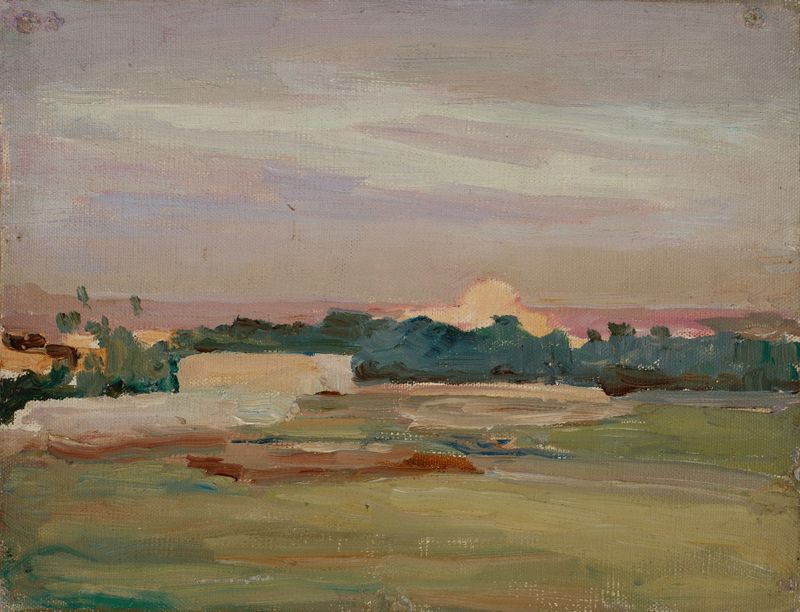
The Sirocco
Jan Ciągliński
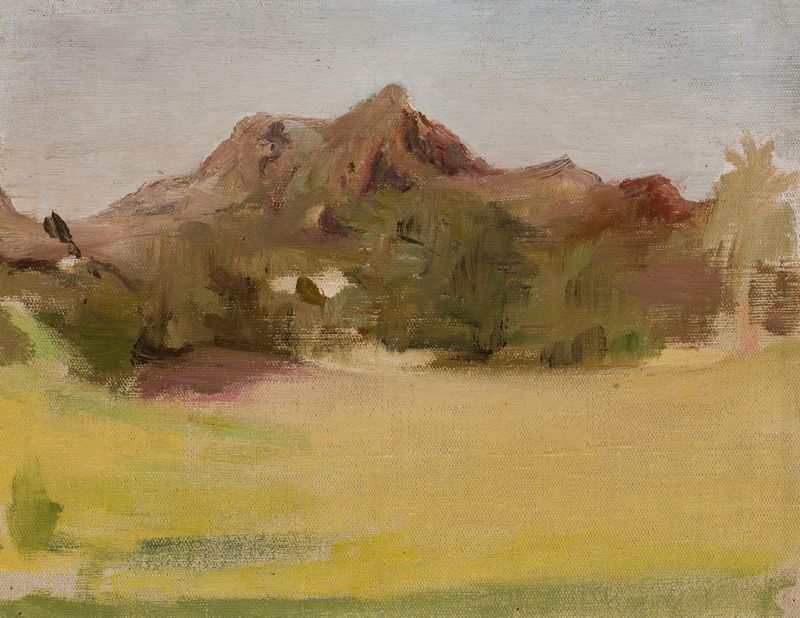
Mountain landscape. From the journey to India
Jan Ciągliński
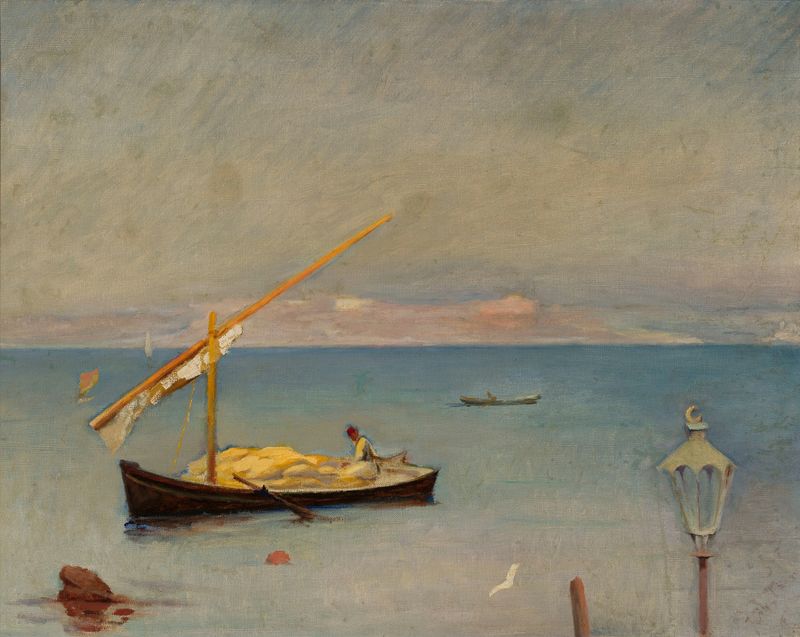
At Bosporus
Jan Ciągliński
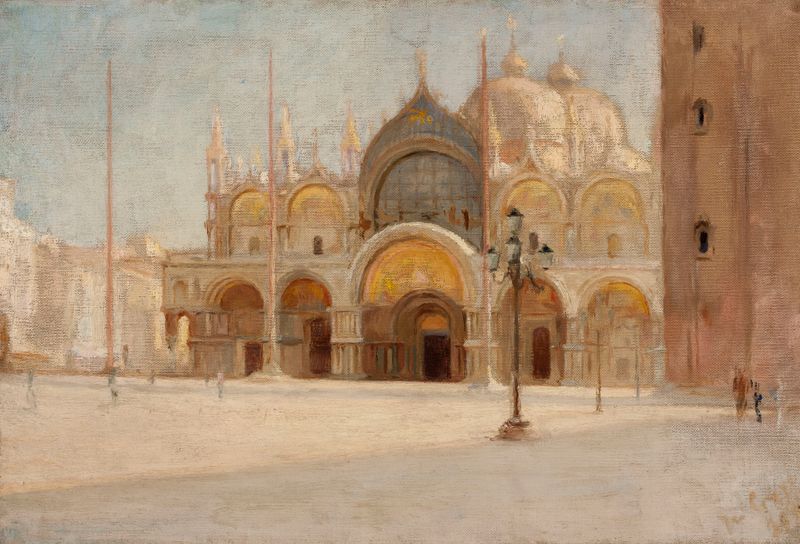
St Mark’s Square in Venice
Jan Ciągliński
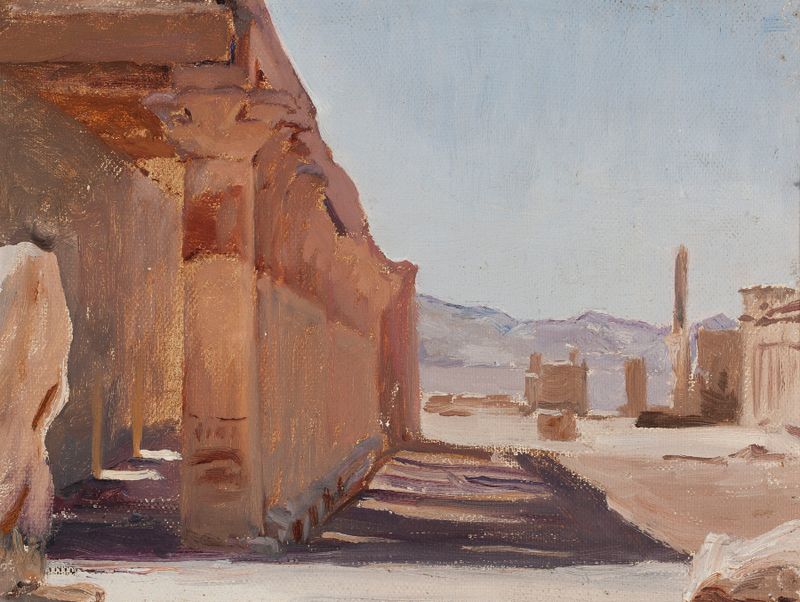
Temple. From the journey to Egypt
Jan Ciągliński
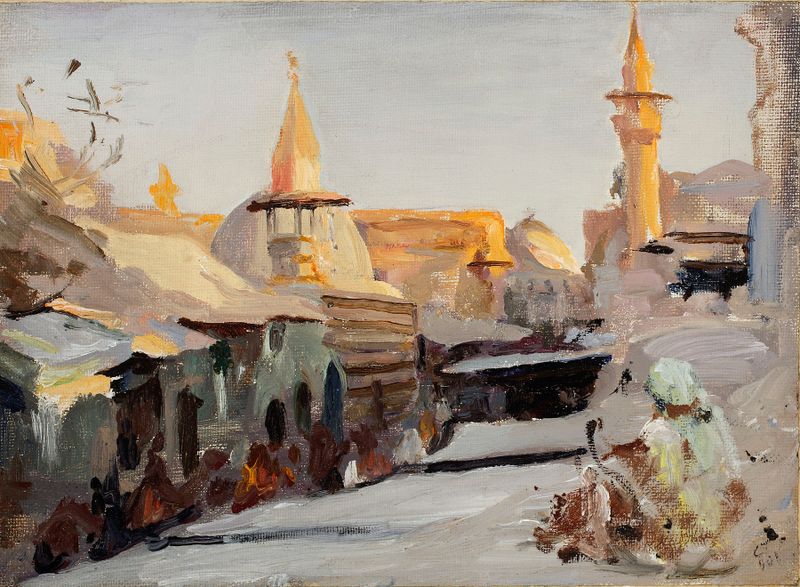
Street in Damascus. From the journey to Palestine
Jan Ciągliński
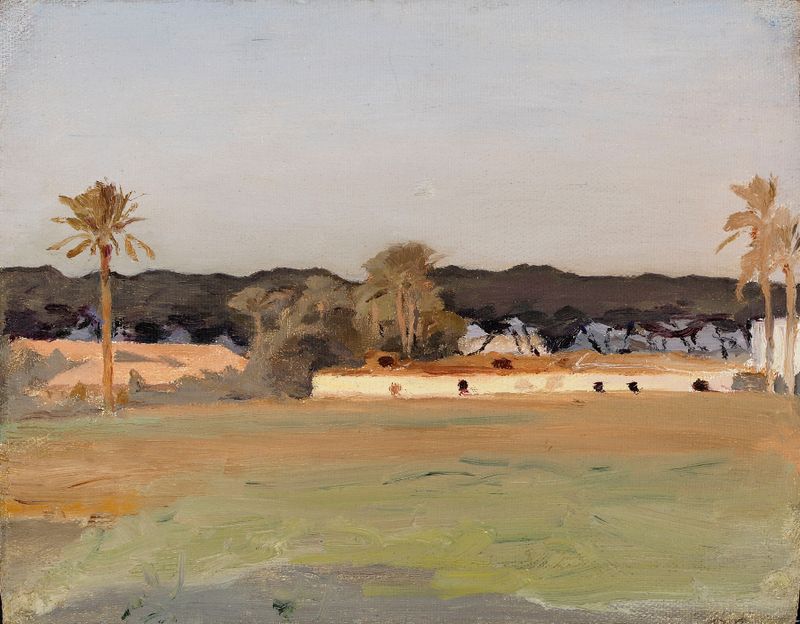
Evening. From the journey to Egypt
Jan Ciągliński
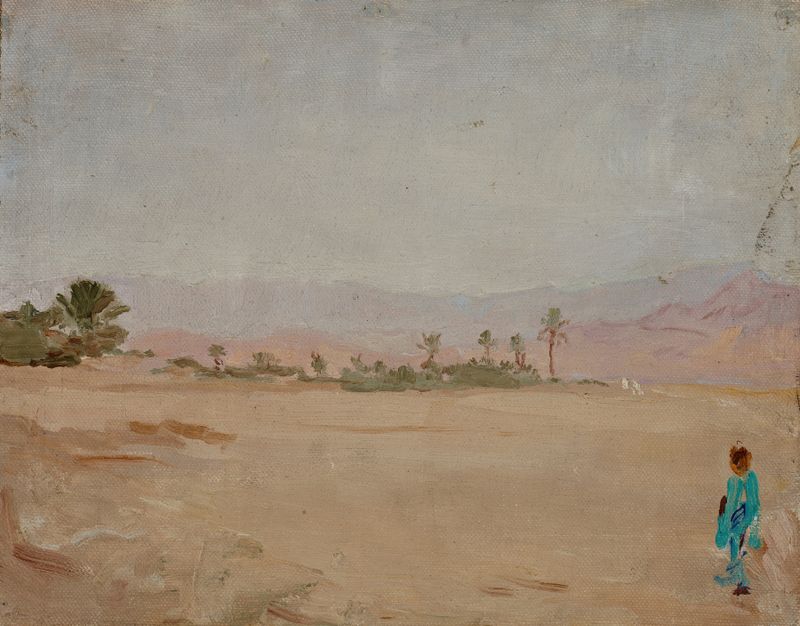
Sahara (Desert)
Jan Ciągliński
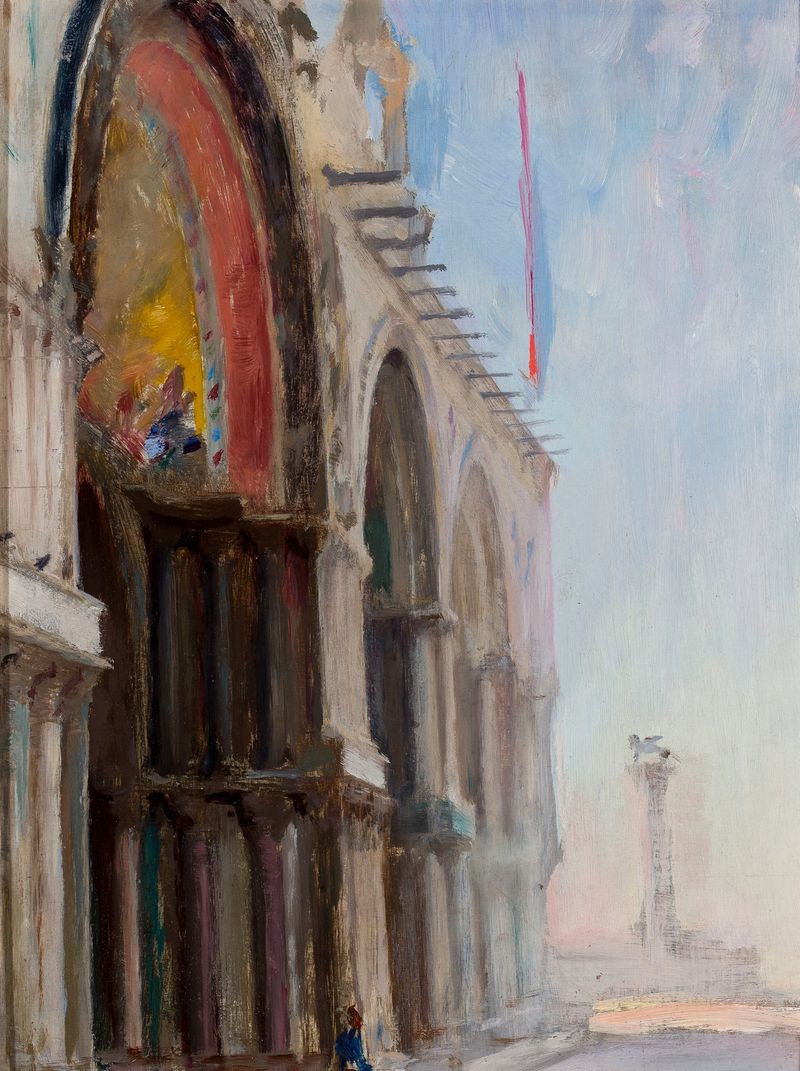
Venice – San Marco. From the journey to Italy
Jan Ciągliński
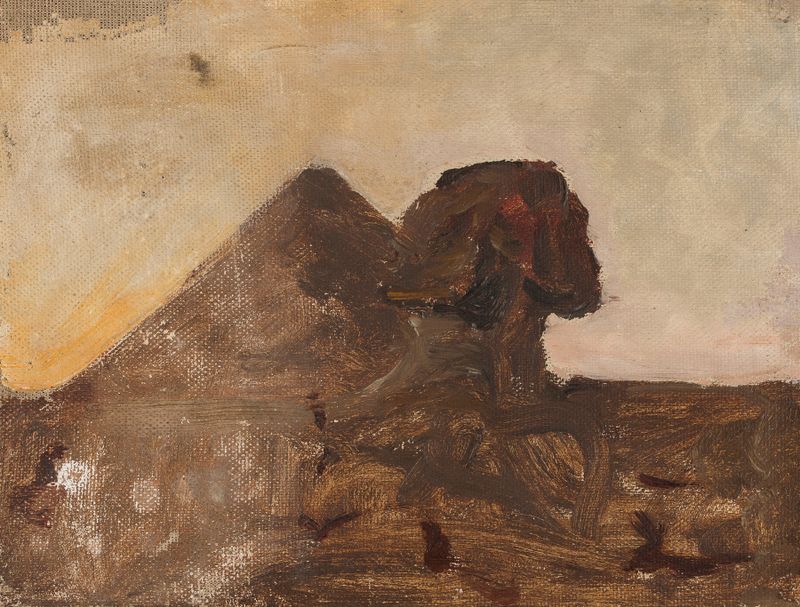
Evening in the desert – Sphinx and pyramid. From the journey to Egypt
Jan Ciągliński





