
Grand Canal, Venice — History & Facts
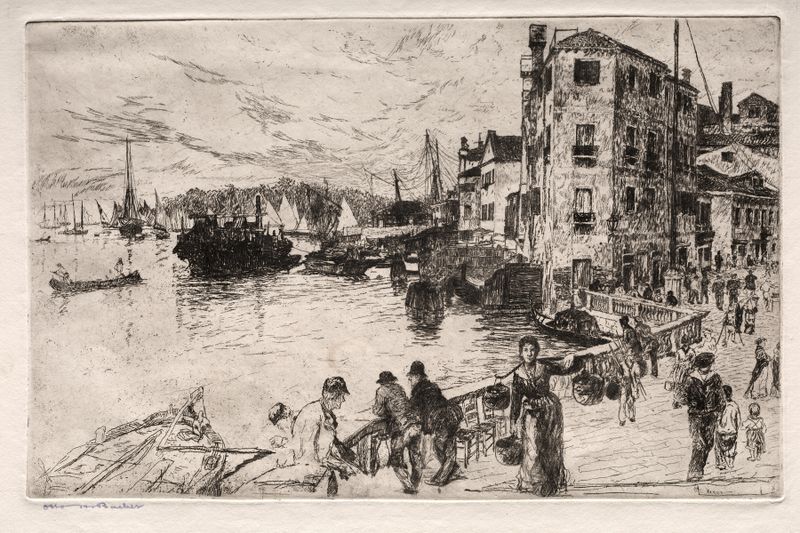
Could beauty survive in a century of chaos? In Grand Canal, Venice, the answer echoes through the shimmering waters and sunlit architecture, awakening a sense of tranquility amidst an ever-changing world. Look to the left at the soft, warm hues that blanket the buildings lining the canal, their reflections dancing on the water's surface. Notice how the light falls upon the delicate arches and ornate facades, effortlessly capturing the essence of Venice in a masterful play of color and shadow. The brushstrokes are fluid and engaging, inviting the viewer's gaze to glide along the horizon, where the sky meets the water in a seamless embrace. Beyond the picturesque facade lies a deeper contrast.
The calmness of the canal juxtaposes the bustling life that teems within the city—fishing boats and gondolas weaving stories of their own. Each figure, small yet significant, hints at the lives lived in this historic setting, while the faded grandeur of the buildings reflects both resilience and decay, a poignant reminder of time's passage. The atmosphere conveys a longing for connection, urging the viewer to pause and reflect on the ephemeral nature of beauty. In 1888, Otto Henry Bacher was deeply influenced by the changing tides of the art world, engaging with the Impressionist movement while exploring traditional landscapes.
Painting in Venice during this year, he sought to capture the essence of the city amidst the challenges of modernization—a struggle mirrored in the complexities of life itself, as he strived to blend his artistic vision with the historic beauty around him.
More Artworks by Otto Henry Bacher
Browse all →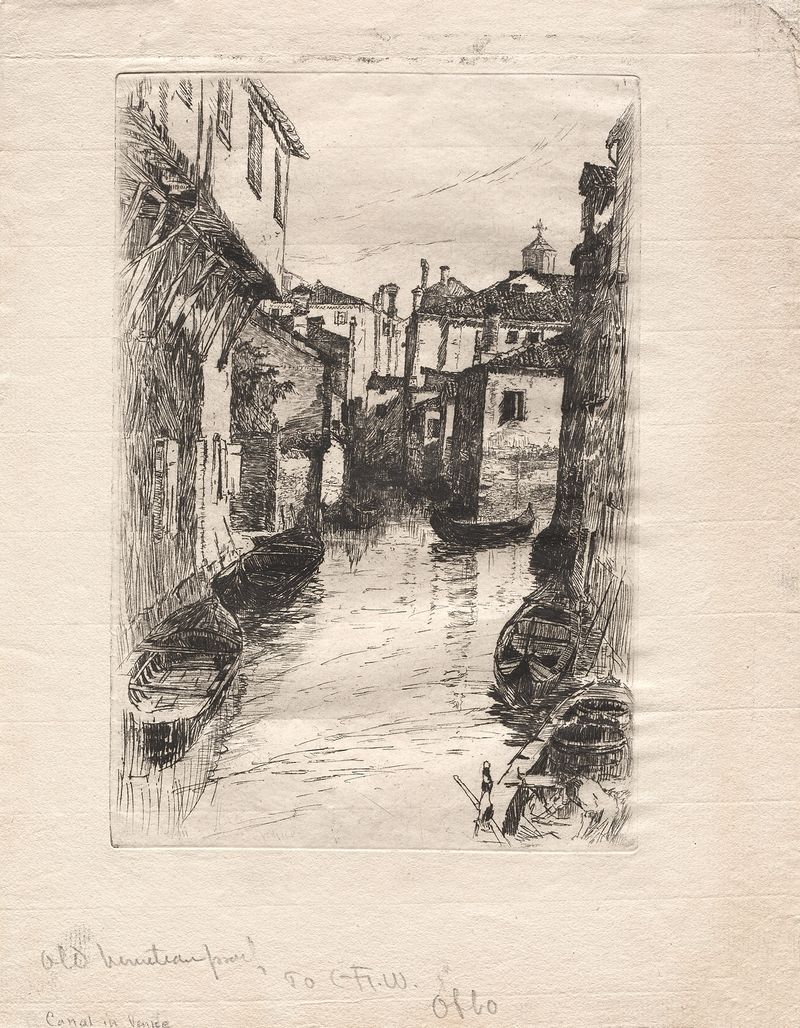
Canal in Venice
Otto Henry Bacher
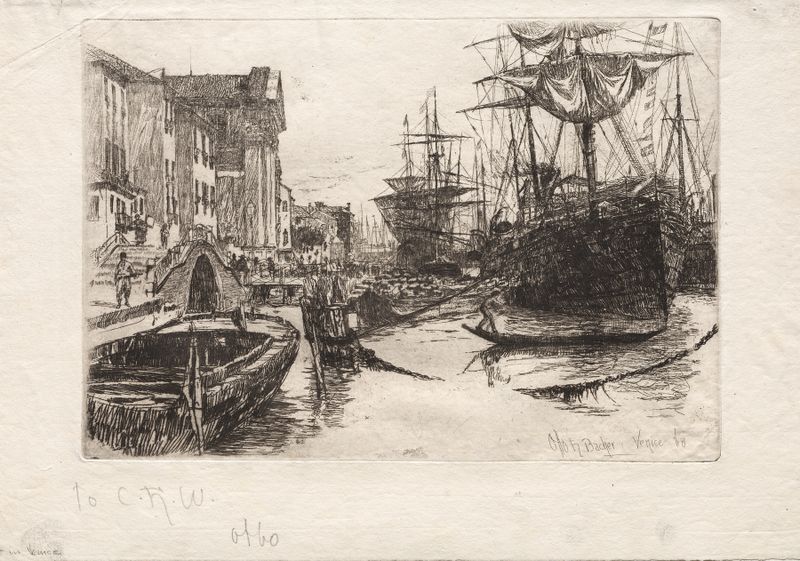
View in Venice
Otto Henry Bacher
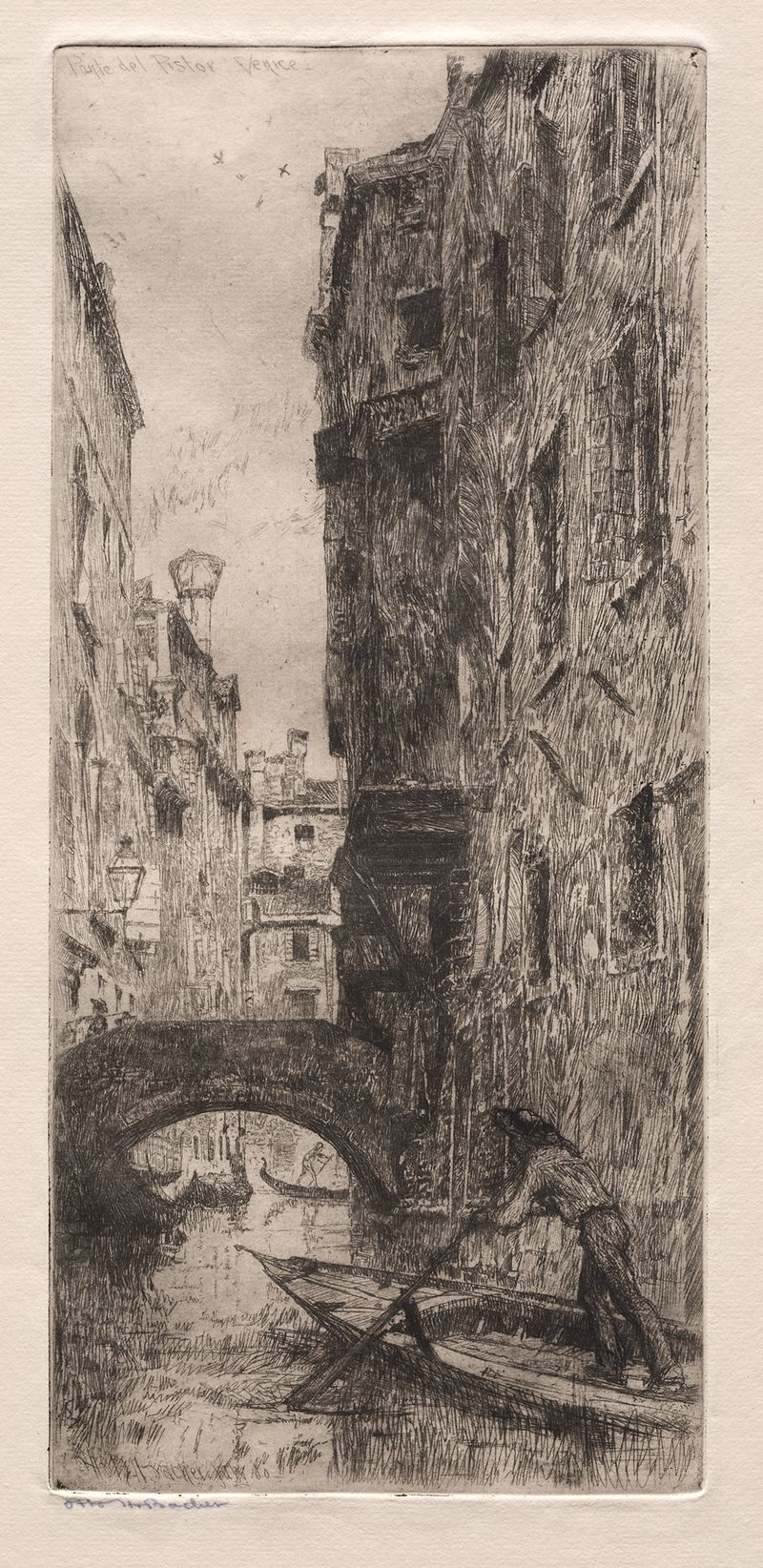
Ponte del Pistor, Venice
Otto Henry Bacher
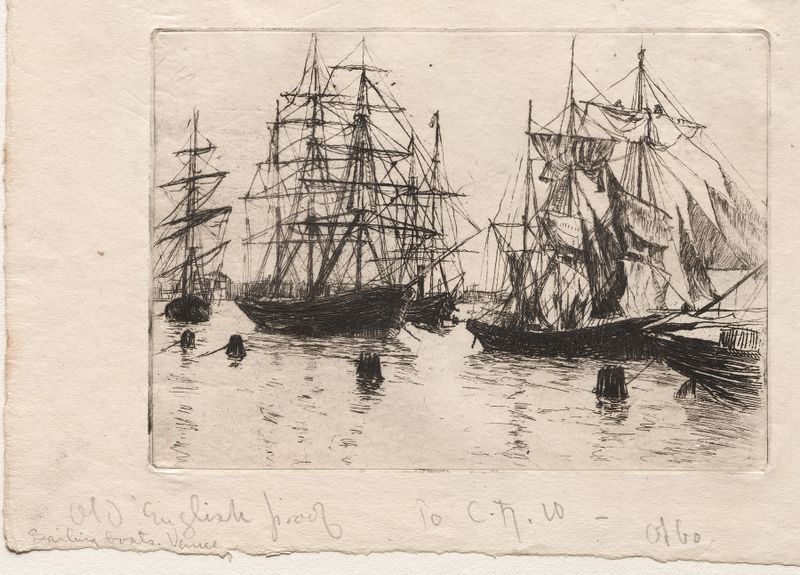
Sailing Boats, Venice
Otto Henry Bacher
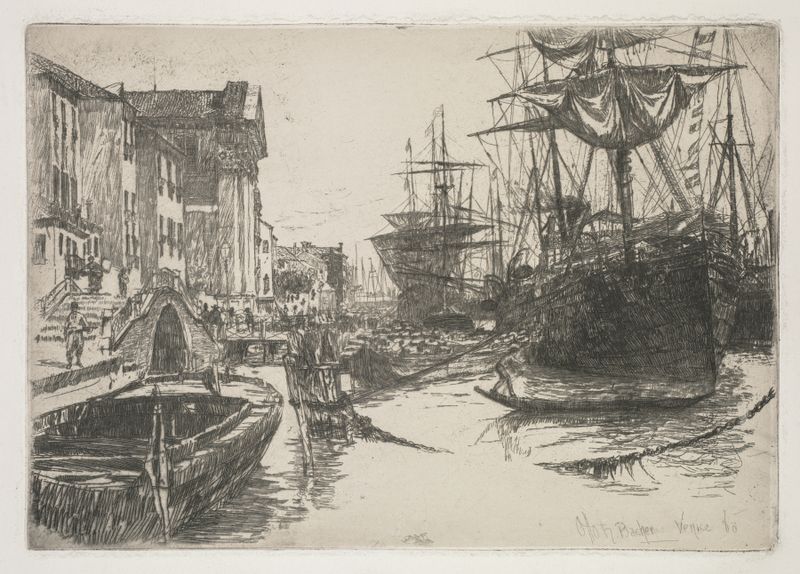
Fondamenta della Zattere
Otto Henry Bacher
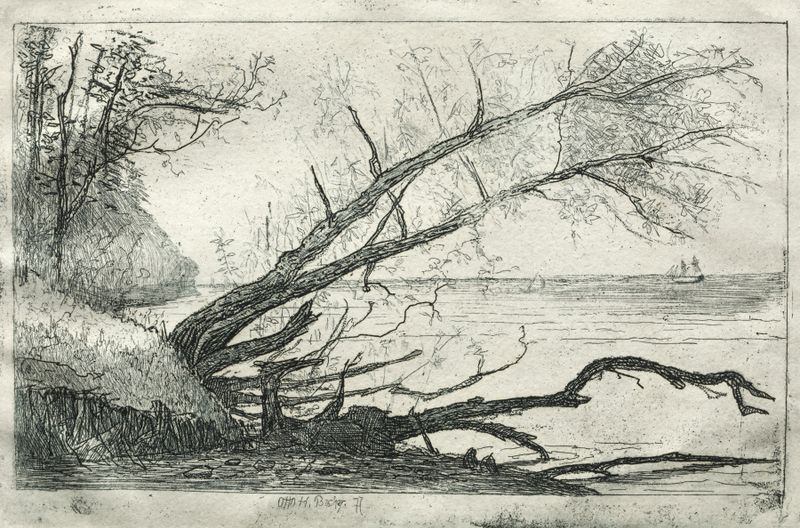
Old Sycamore
Otto Henry Bacher
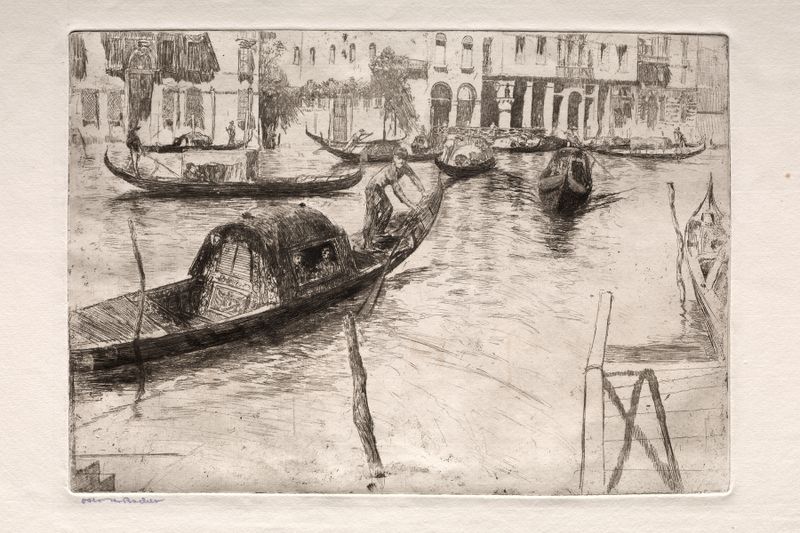
Traghetto San Felice
Otto Henry Bacher
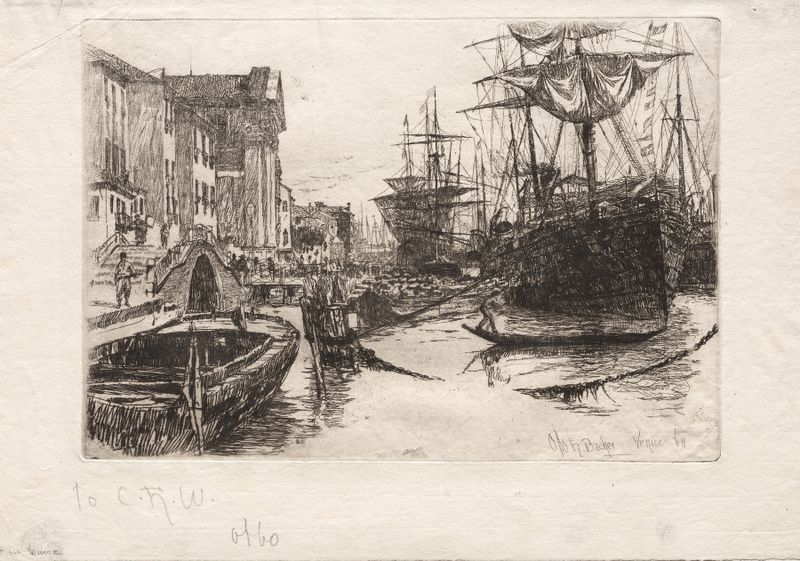
View in Venice
Otto Henry Bacher
Castello Quarters, Riva
Otto Henry Bacher
St. Clair Street, Cleveland
Otto Henry Bacher





