
Grave of a holy man – landscape with a palm tree. From the journey to India — History & Facts
Could a single brushstroke hold eternity? In Grave of a Holy Man – Landscape with a Palm Tree, the ethereal quality of the landscape invites contemplation on the nature of obsession and reverence. Look to the center of the canvas, where the palm tree rises against a backdrop of muted earth tones and soft blues. The artist employs a delicate interplay of light and shadow, casting a serene aura over the grave, while the tree’s sweeping fronds evoke a sense of reaching for the heavens. The viewer’s gaze is drawn not only to the monument but also to the subtle details, like the intricate textures of the soil, suggesting time's relentless passage and the sacredness of the site. There is an emotional tension rooted in the contrast between the palm’s vitality and the solemnity of the grave.
The vibrant greens of the foliage stand as a symbol of life amid death, while the grave itself speaks to the weight of memory and legacy. This juxtaposition prompts reflection on the obsession we have with both mortality and the divine, creating a space that is at once peaceful and poignant. Jan Ciągliński painted Grave of a Holy Man in 1907 during a period marked by his deep engagement with Eastern spirituality. After traveling to India, he became captivated by the cultural richness and spiritual depth he encountered, seeking to translate his experiences into art.
At this time, Ciągliński was part of a broader movement in the art world that embraced themes of exoticism and mysticism, positioning this work as a significant reflection of his personal journey and artistic evolution.
More Artworks by Jan Ciągliński
Browse all →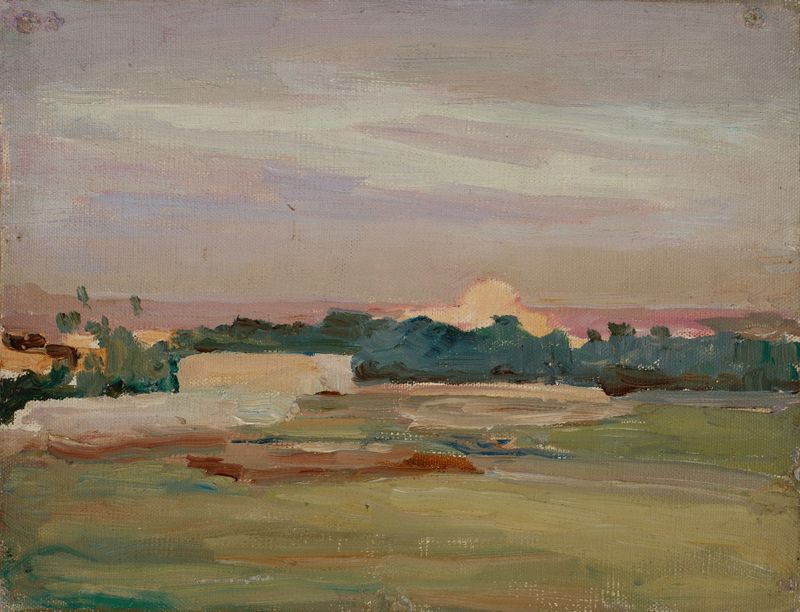
The Sirocco
Jan Ciągliński
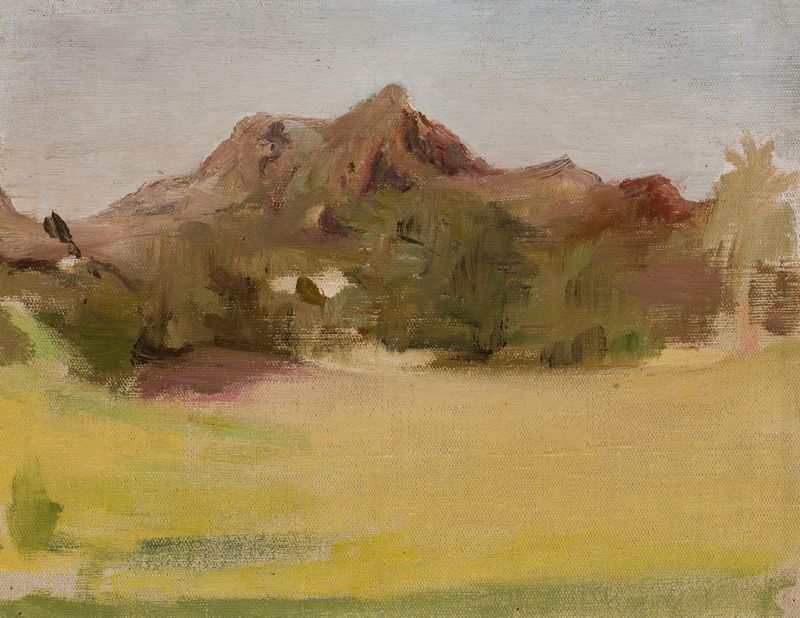
Mountain landscape. From the journey to India
Jan Ciągliński
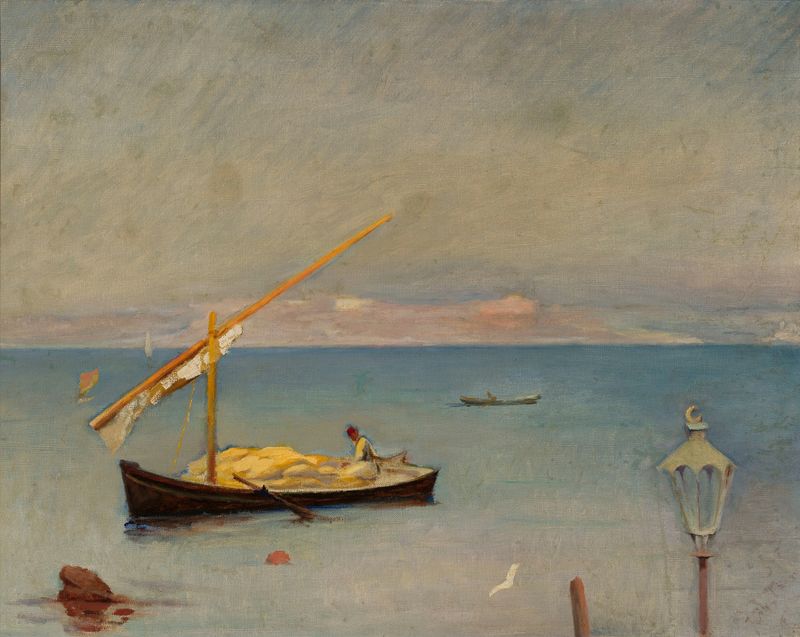
At Bosporus
Jan Ciągliński
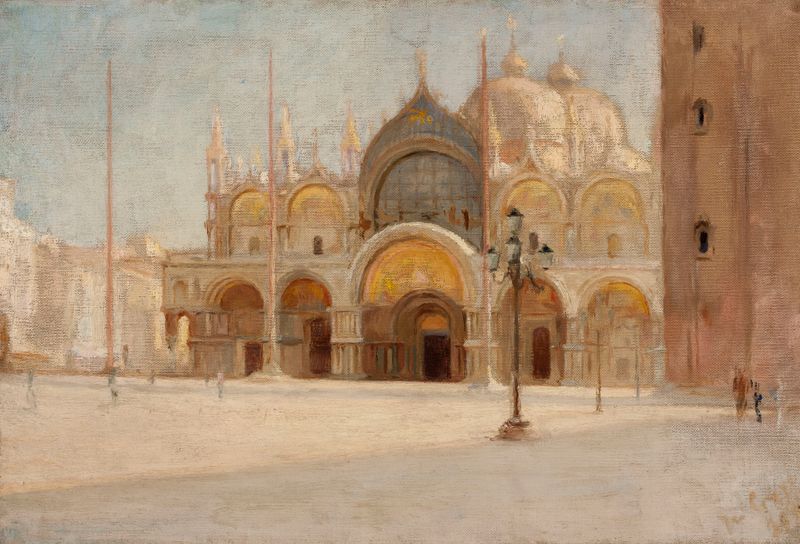
St Mark’s Square in Venice
Jan Ciągliński
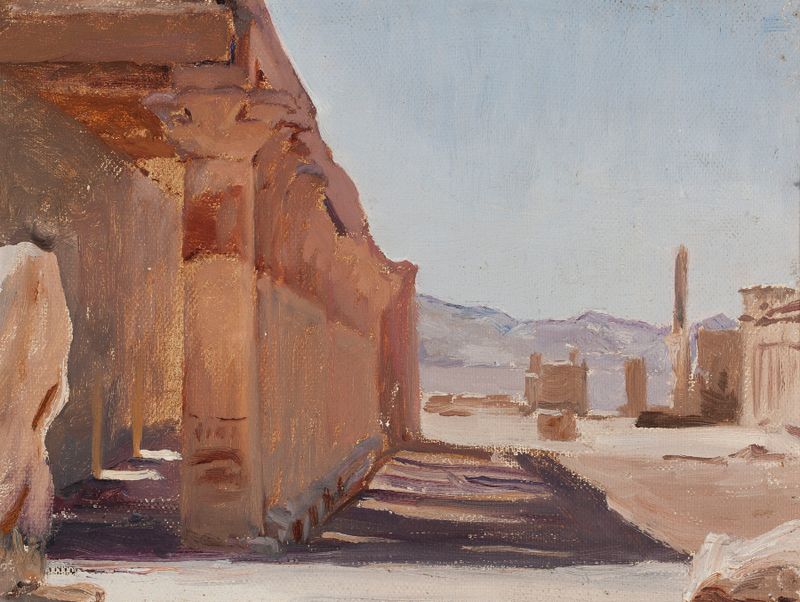
Temple. From the journey to Egypt
Jan Ciągliński
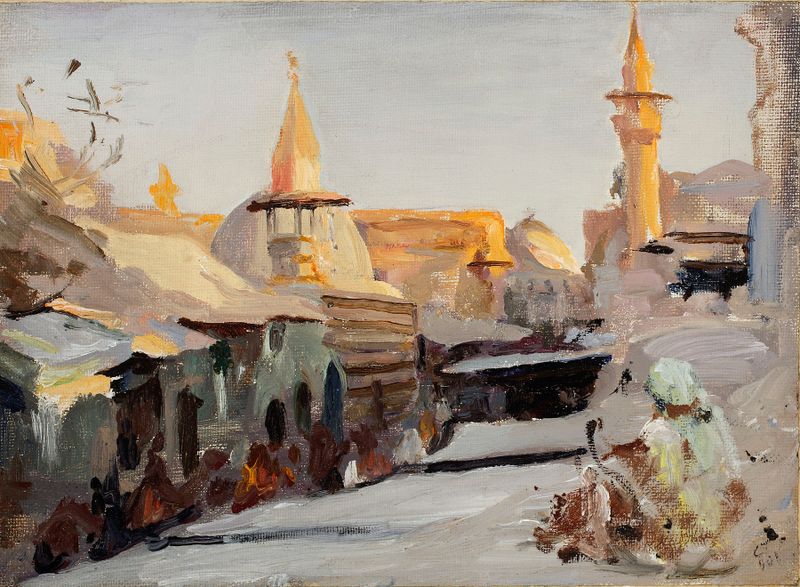
Street in Damascus. From the journey to Palestine
Jan Ciągliński
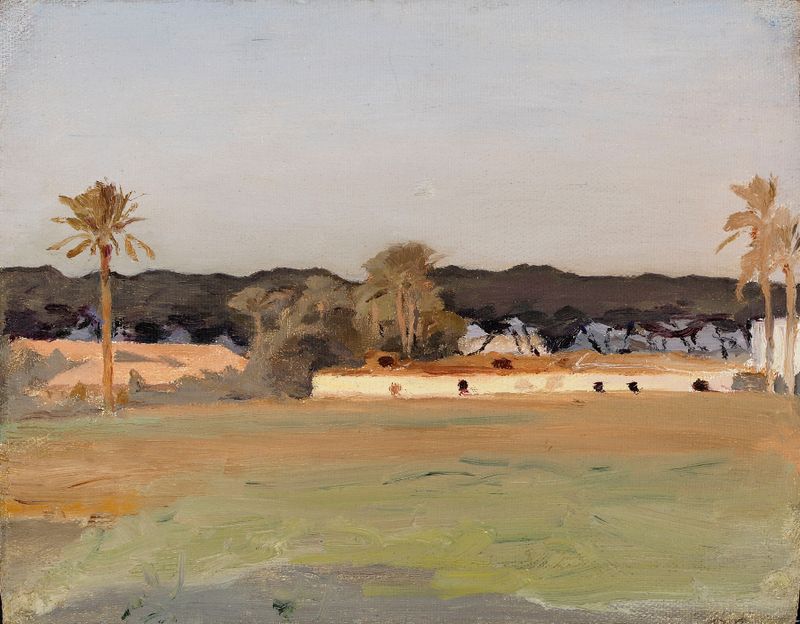
Evening. From the journey to Egypt
Jan Ciągliński
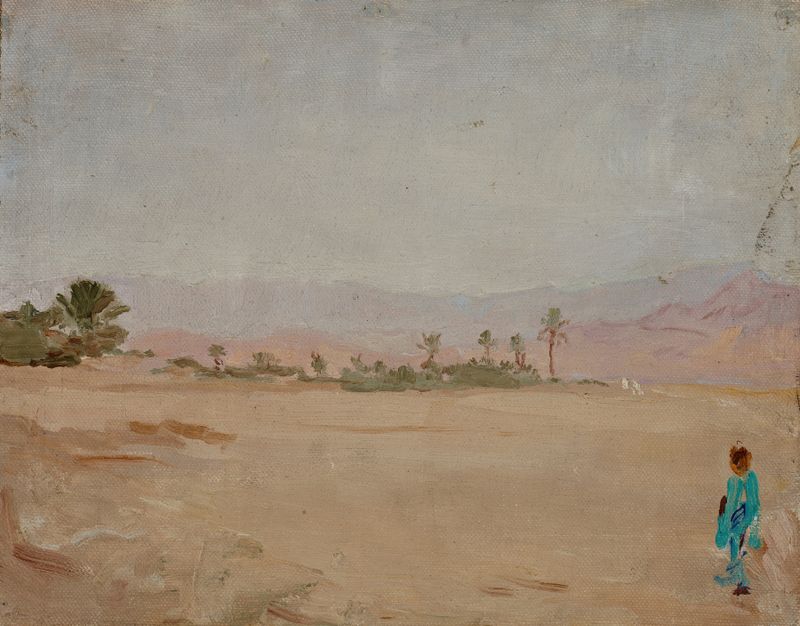
Sahara (Desert)
Jan Ciągliński
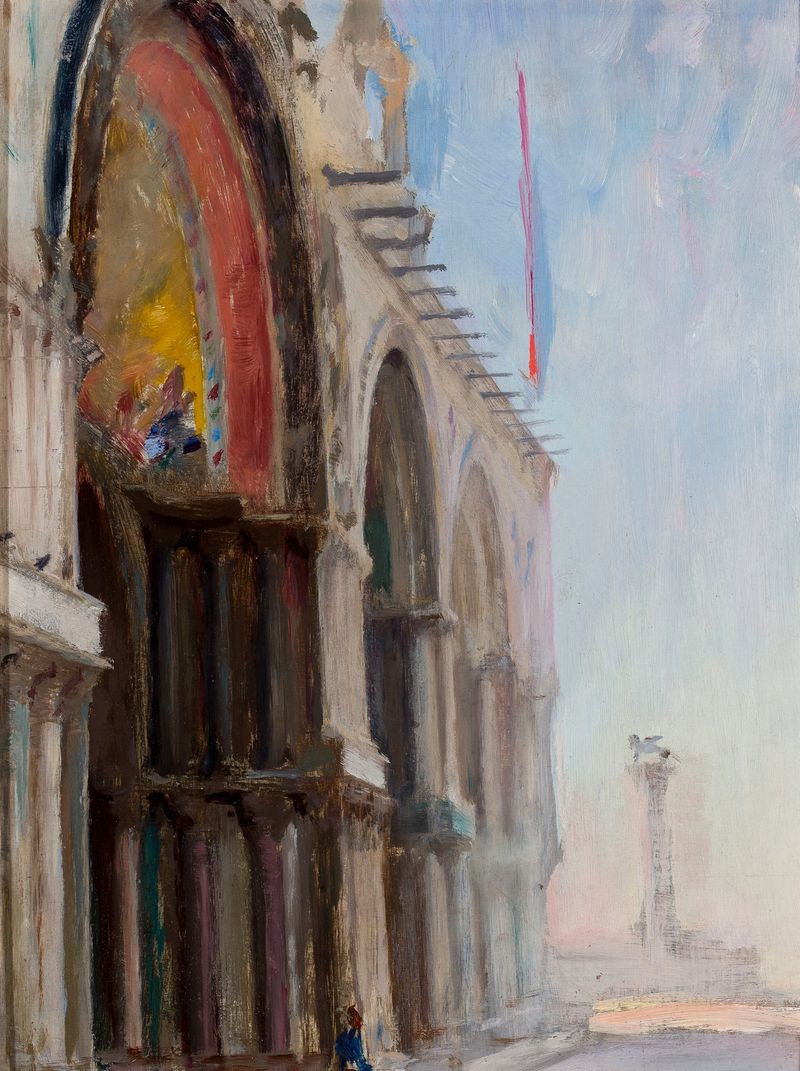
Venice – San Marco. From the journey to Italy
Jan Ciągliński
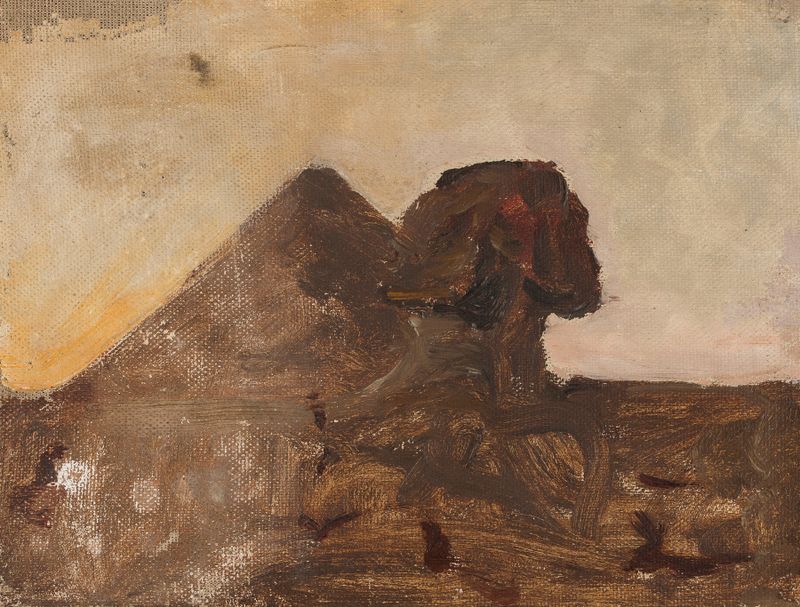
Evening in the desert – Sphinx and pyramid. From the journey to Egypt
Jan Ciągliński





