Green field — History & Facts
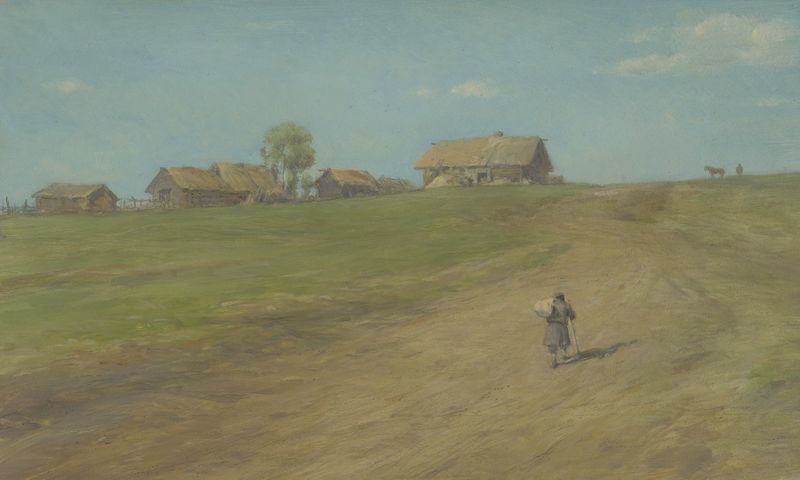
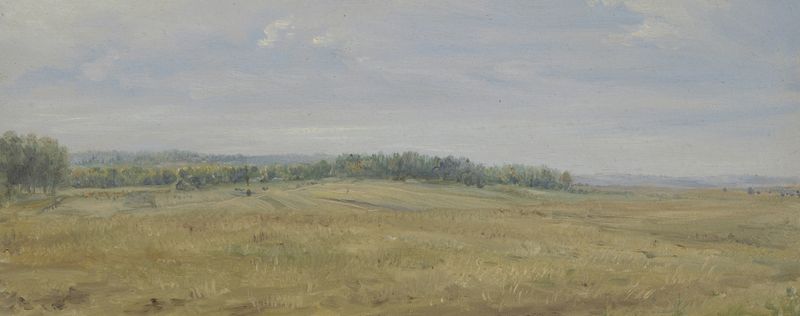
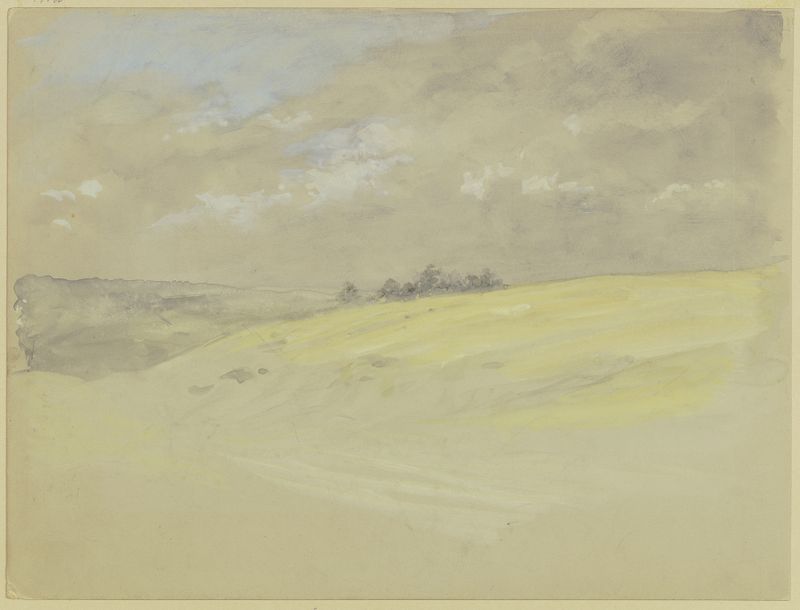
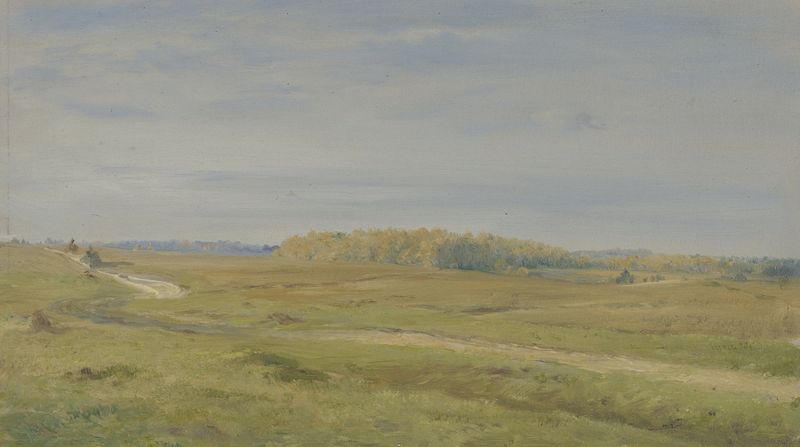
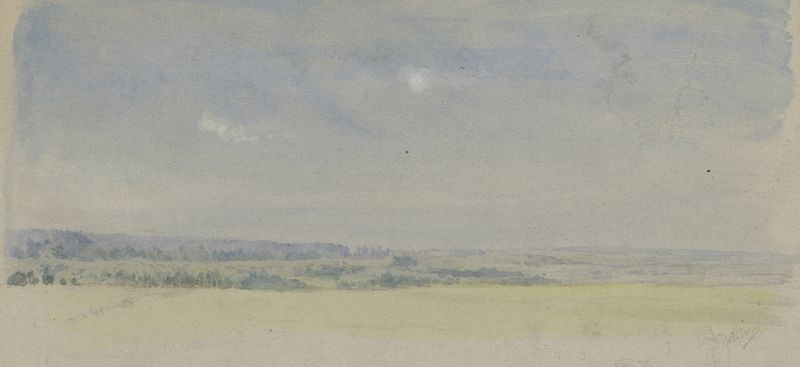
Where does light end, and longing begin? In the embrace of nature, we often find glimpses of divinity interwoven with our deepest yearnings. Look to the left of the canvas where vibrant greens unfurl, inviting the viewer into a luscious field that seems to pulse with life. The brushstrokes are fluid yet precise, capturing the soft rustle of grass under an invisible breeze. Glance upwards; the sky is painted in a delicate gradient of blues, hinting at the vastness beyond the earth, while dappled light filters through the clouds, creating a serene contrast between the divine and the mundane. Beneath this tranquil exterior lies an emotional tension—a yearning for something just out of reach.
The rich green of the field symbolizes growth and potential, while the expansive sky suggests aspirations that stretch beyond earthly bounds. The interplay between the two elements evokes a sense of longing, as if the land is both a sanctuary and a reminder of dreams that dwell in the heart. This duality enhances the artwork’s spiritual resonance, inviting contemplation on the nature of existence itself. The painting emerged during a time when the artist, moved by a personal quest for beauty and meaning, sought to capture nature's essence.
In the mid-19th century, Beer was influenced by the Romantic movement's fascination with the sublime, reflecting the human experience in its delicate balance between reality and transcendence. At this time, he explored the relationship between nature and divinity, leaving behind a body of work that resonates with the timeless dance between light and longing.