Hay harvest in Russia — History & Facts
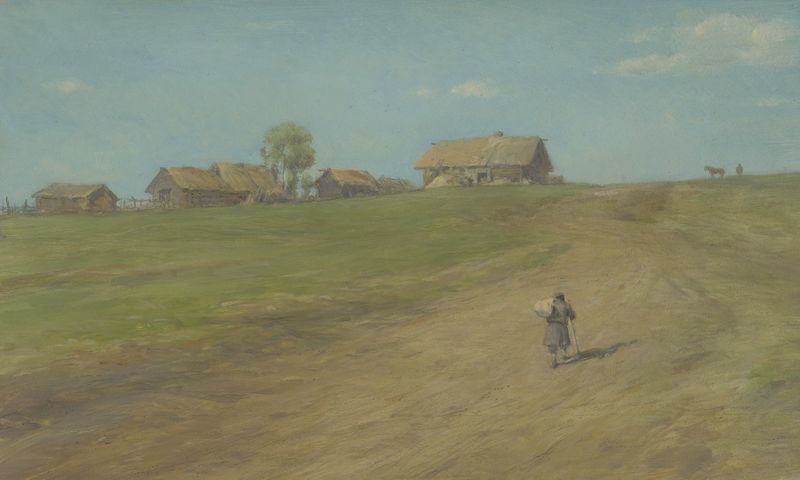
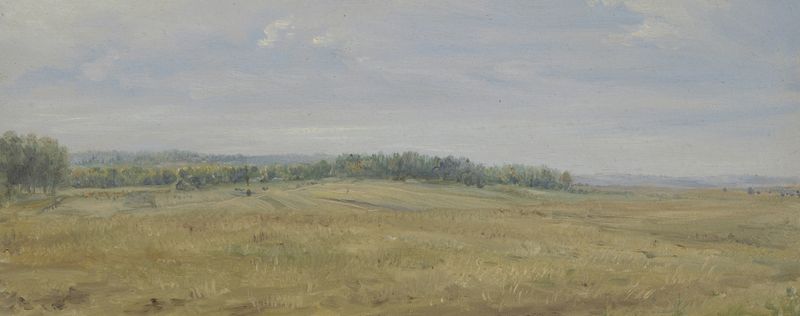
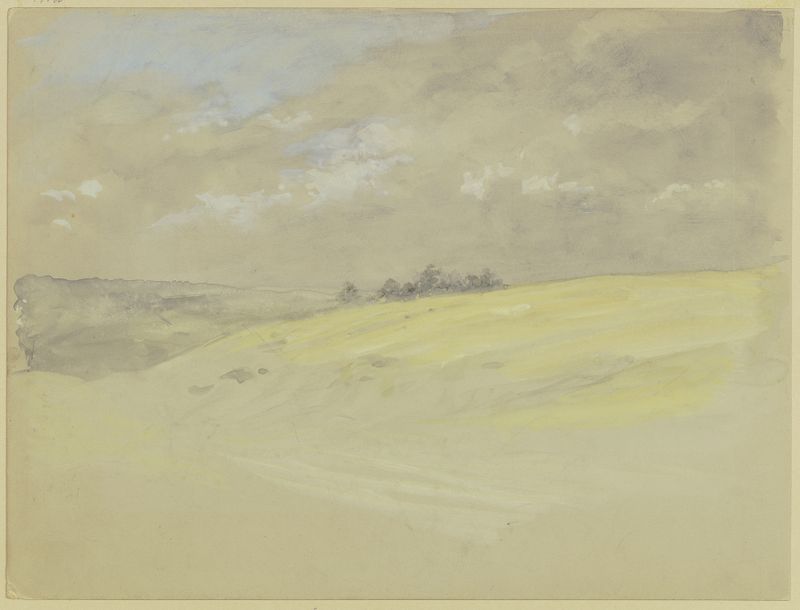
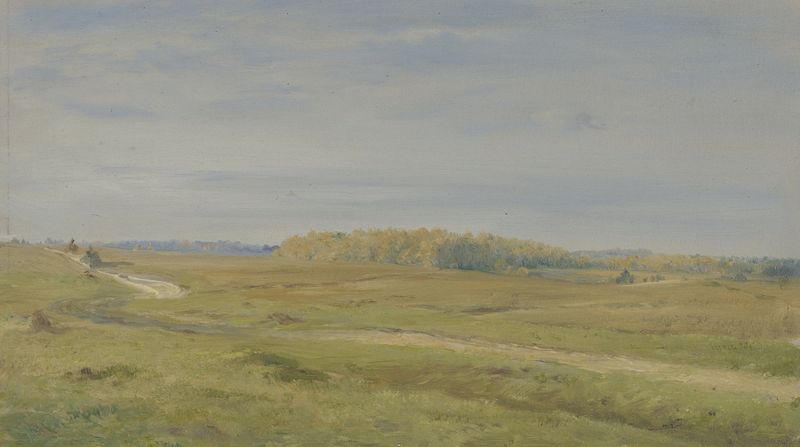
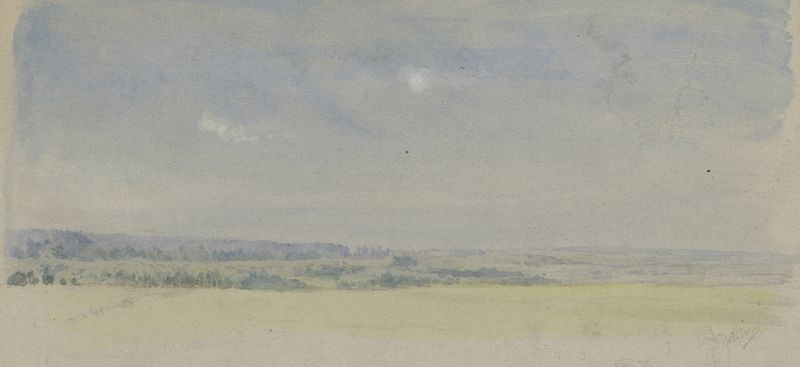
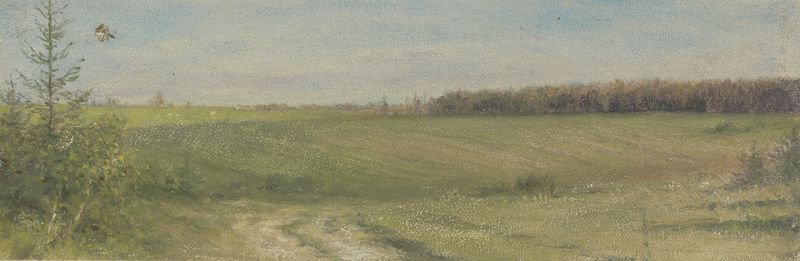
Who listens when art speaks of silence? In the stillness of a hay field, nestled within the whispers of nature, lies an echo of unspoken violence, hidden beneath the serene surface. Look to the left at the golden swathes of hay, meticulously gathered by laborers whose stout figures are draped in soft earth tones. Notice how the gentle brushwork conveys both the warmth of a late summer’s day and the heaviness of their toil. The sky, a muted blue, casts a soft light that dances delicately across the scene, illuminating the workers’ effort while obscuring the weight of their labor.
The composition invites you to linger, drawing your eye along the horizon where land meets sky, suggesting an expansive world beyond their immediate struggle. Yet, beneath this pastoral tableau lies a tension between the bucolic scene and the potential violence of labor itself. Each figure, though engaged in a seemingly tranquil activity, embodies the silent discourse of hard work that hints at the underlying strife of human existence. The contrast between the vibrant golden hues of hay and the subdued tones of the laborers’ attire suggests a dichotomy between nature’s bounty and the harsh reality of survival.
It’s as if the landscape, while beautiful, bears witness to the bruised spirit of the workers, hinting at the untold stories of sacrifice and resilience. Wilhelm Amandus Beer painted this evocative scene in 1875, during a time when the rural landscapes of Russia were undergoing significant transformation. The world was on the brink of modernization, and his work reflects the tension between tradition and change in a society caught between agrarian roots and the burgeoning industrial age. As he captured this moment, Beer positioned himself within a critical discourse in art that sought to convey not just the beauty of the land, but also the struggles of those who toiled upon it.