Grindelwald. — History & Facts
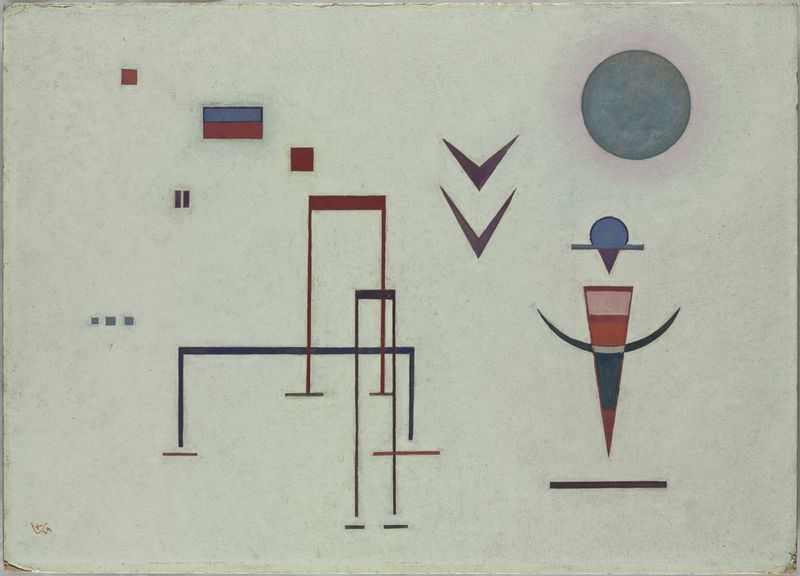
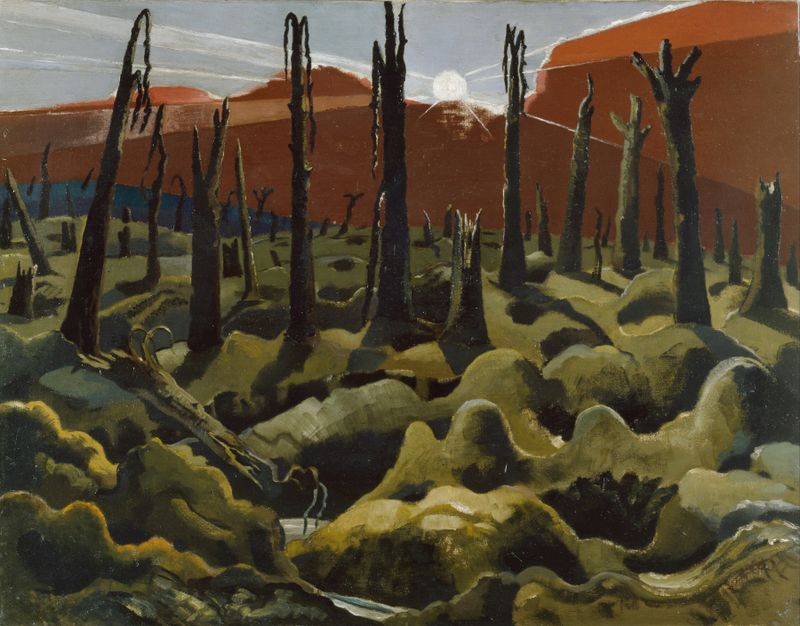
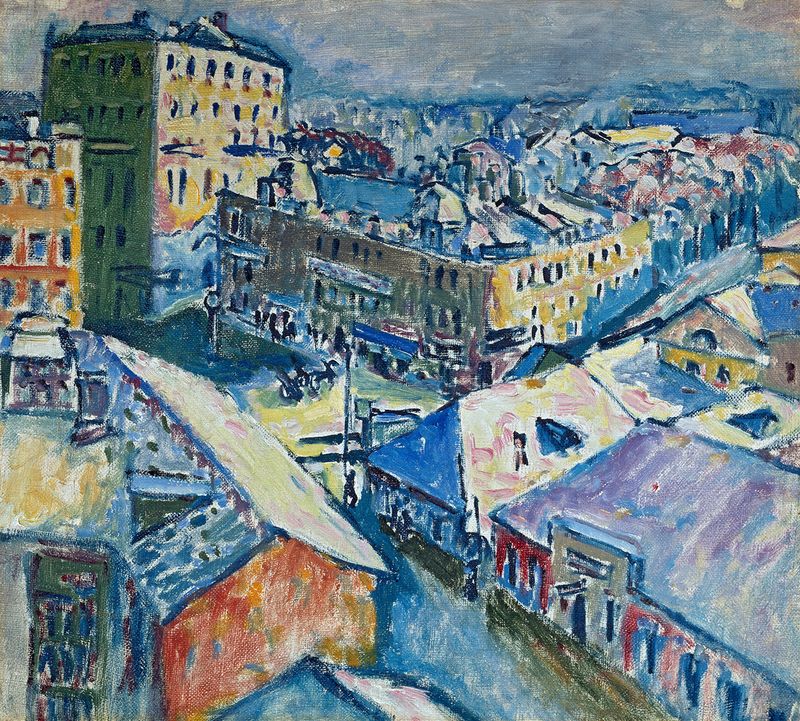
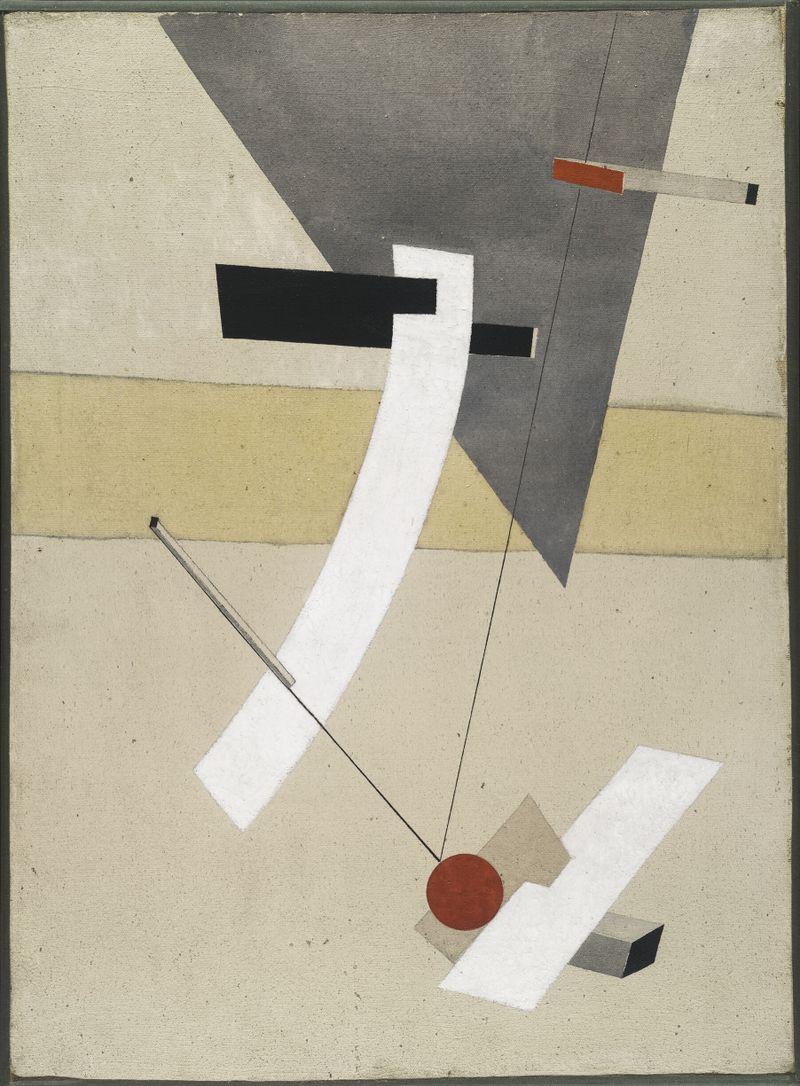
This thought lingers in the air as one gazes at the swirling tempest of colors and forms, where disorder gives rise to beauty. Focus on the movement throughout the canvas, where strokes collide and intertwine, creating a visual symphony of chaos. Notice the bold reds and vibrant blues that seem to pulse with energy, while softer, muted tones weave through, offering moments of tranquility. The juxtaposition of chaotic lines against harmonious shapes invites the viewer into a dance between turmoil and serenity, an invitation to explore the complexity of emotion captured in each brushstroke. Hidden within the vibrant chaos are reflections of deeper struggles and triumphs.
The tumultuous patterns may represent inner conflict or the unpredictability of life, while the moments of calm suggest resilience. Each section of the canvas tells a story, revealing the artist’s journey toward finding solace amidst chaos and the transformative power of art itself. The interplay of light and shadow adds to this emotional tension, leading the eye to contemplate what lies beneath the surface. During an uncertain period in his life, Grindelwald was created by Jakob Samuel Weibel, who explored the boundaries of abstract expressionism.
Though the exact date remains unknown, his work arose amidst a burgeoning art movement focused on self-expression and emotional honesty. This painting reflects both his personal and artistic evolution, capturing a moment in which the need to confront chaos became essential to his creative vision.
More Artworks by Jakob Samuel Weibel
Browse all →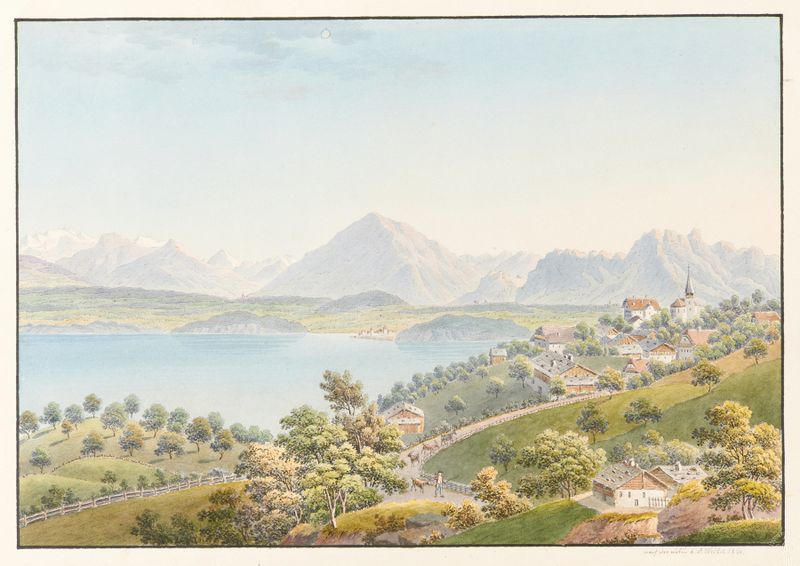
Vue dessiné depuis le Village de Sigriswil, audessus du Lac de Thoune
Jakob Samuel Weibel
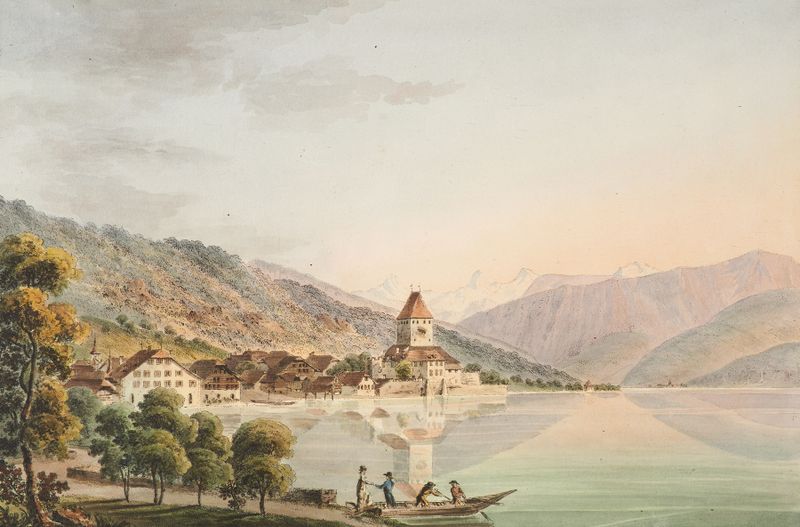
Vûe du Chateau d’Oberhofen au Lac de Thoune
Jakob Samuel Weibel
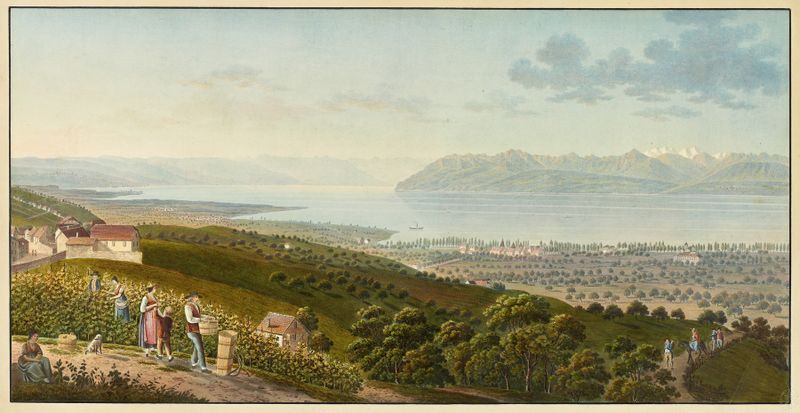
Vue genérale du Lac de Geneve
Jakob Samuel Weibel
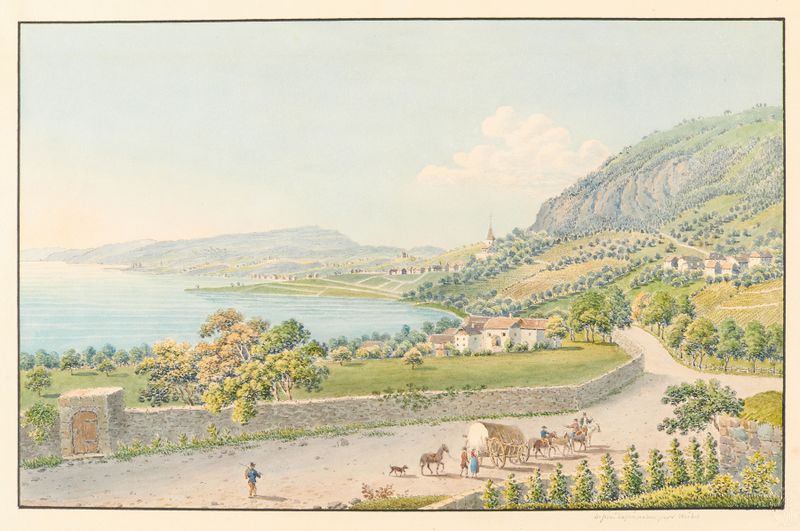
Vue des environs de Montreux et de Clarens
Jakob Samuel Weibel
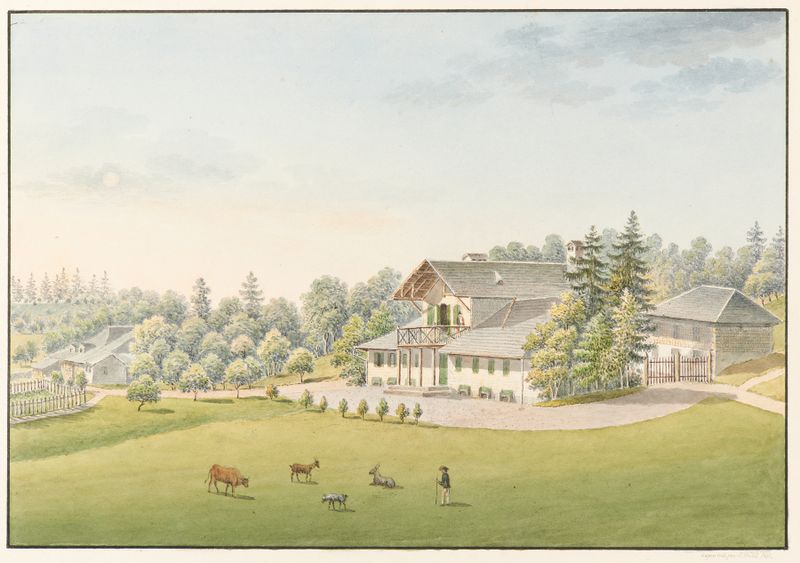
Vue du nouveau Châlet de Vernand
Jakob Samuel Weibel
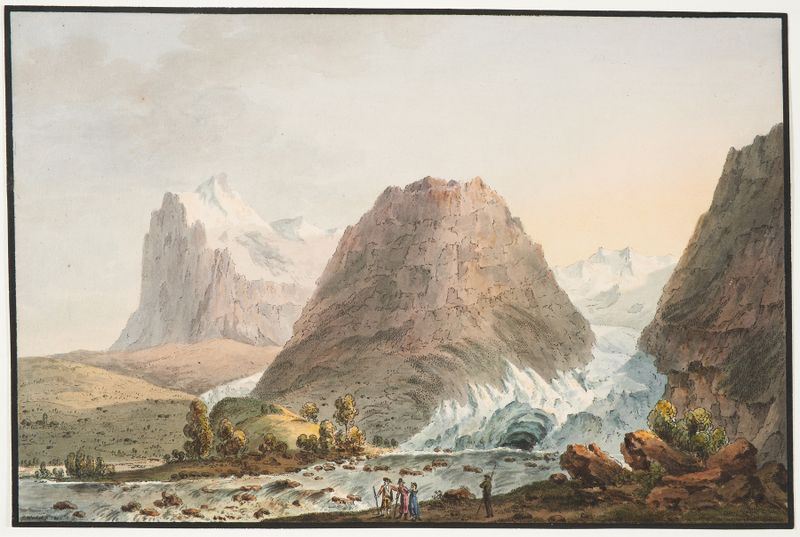
Vûe des Glacieres de Grindelwald
Jakob Samuel Weibel
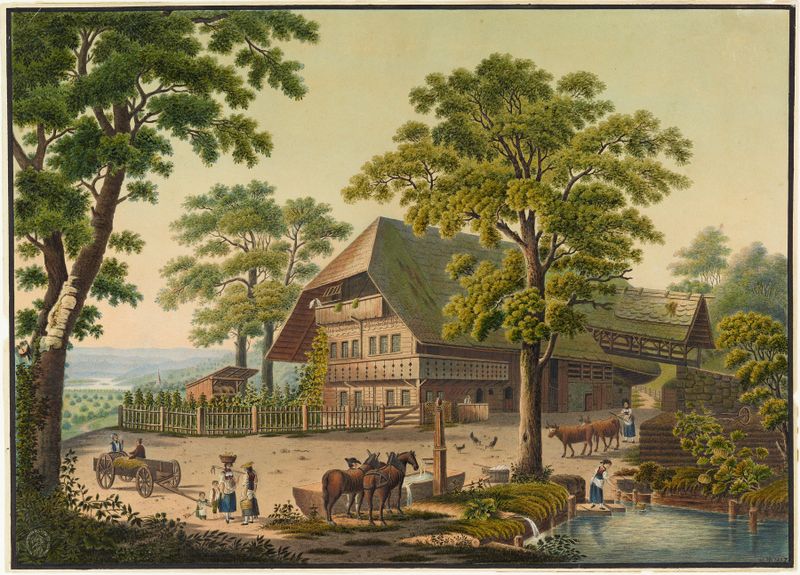
Maison de paysan près Wichtrach
Jakob Samuel Weibel
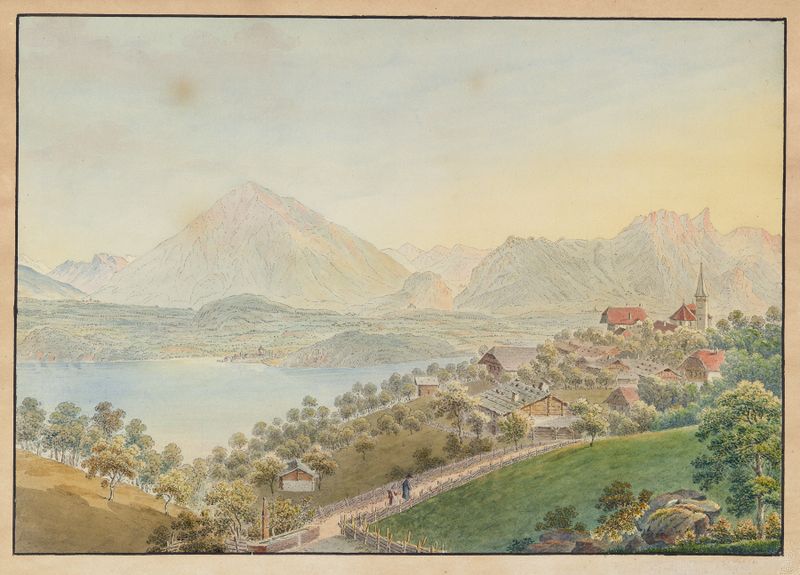
Ansicht von Sigriswil mit Niesen und Thunersee
Jakob Samuel Weibel
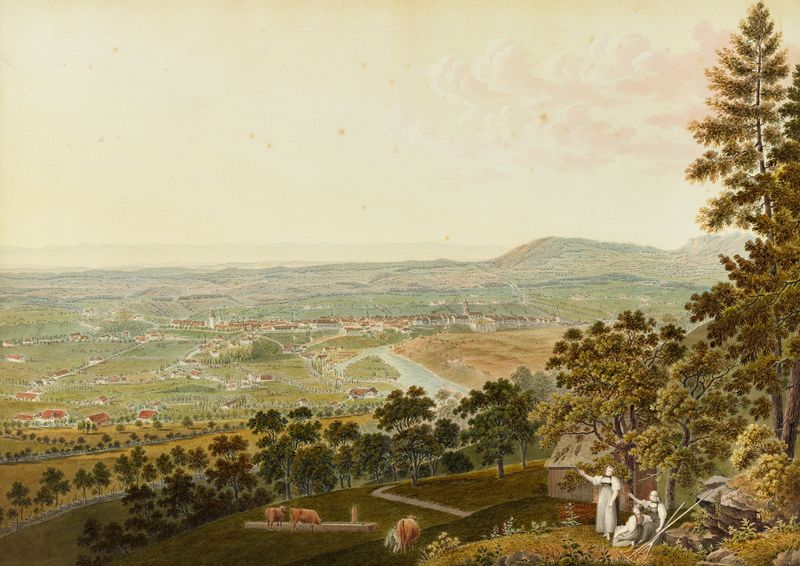
Ansicht Berns und der Aare vom Gurten aus
Jakob Samuel Weibel

Lausanne Ville capitale du Canton de Vaud
Jakob Samuel Weibel