Grindelwald — History & Facts
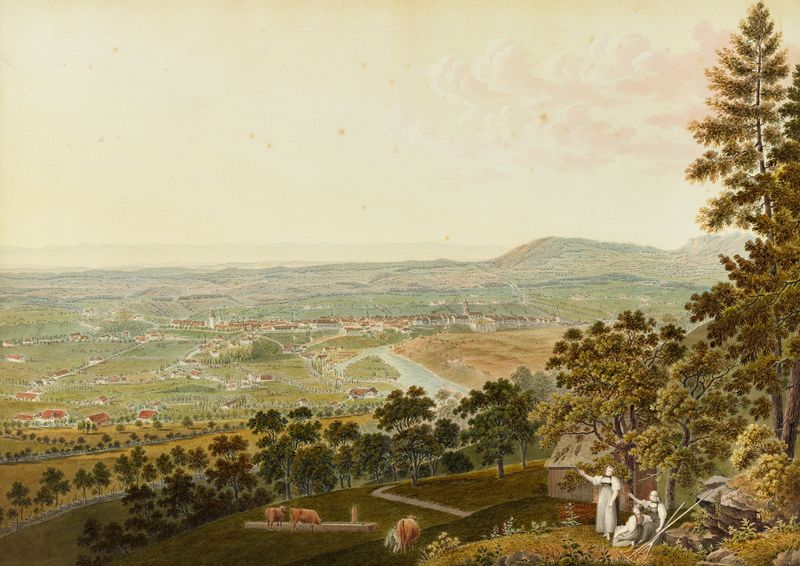
What if beauty was never meant to be finished? In a world where every stroke and contour teeters on the edge of completion, the essence of the sublime emerges from imperfection. Look to the center of Grindelwald, where a cascade of color swirls in tumultuous harmony, inviting the viewer into its intricate dance. Observe the way the artist intertwines vibrant blues and greens, creating a palpable sense of movement that echoes the natural world. The brushwork is both fluid and spontaneous, as if captured in a moment of unrestrained inspiration, revealing a landscape that feels simultaneously familiar and otherworldly. Delve deeper into the subtleties within the composition, where the layers of texture convey a rich emotional undercurrent.
The juxtaposition of light and shadow evokes a sense of duality—the tranquility of a serene landscape against the tumult of inner thoughts. Each brushstroke tells a story, inviting contemplation on the transient nature of beauty and the allure of the unfinished. Here lies a reflection on the dynamic relationship between nature and artistry, encapsulating the awe that arises from the imperfect. During the creation of Grindelwald, Jakob Samuel Weibel found himself immersed in a period of artistic exploration, likely influenced by the burgeoning fascination with landscape and abstraction.
Though the exact date remains unknown, it was a transformative time in the art world, as artists began to challenge traditional representations, focusing on emotion and the essence of experience. This work captures that evolution, standing as a testament to the beauty of possibility.
More Artworks by Jakob Samuel Weibel
Browse all →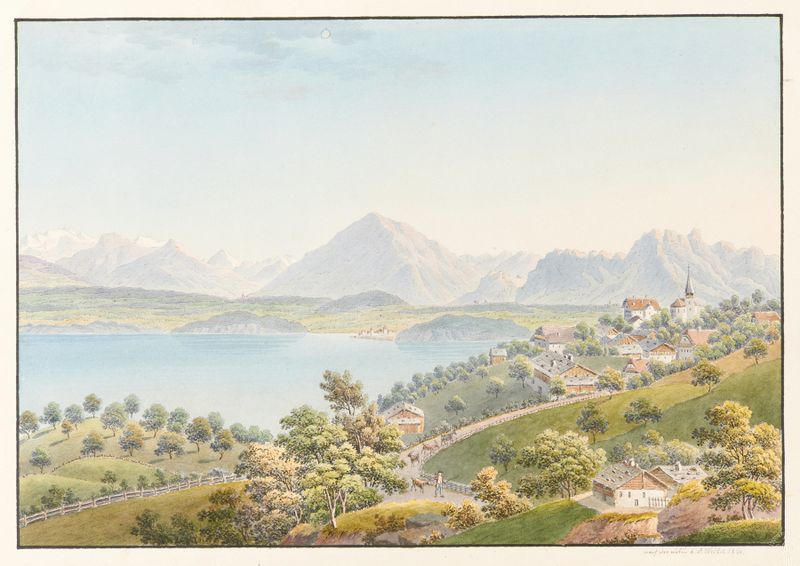
Vue dessiné depuis le Village de Sigriswil, audessus du Lac de Thoune
Jakob Samuel Weibel
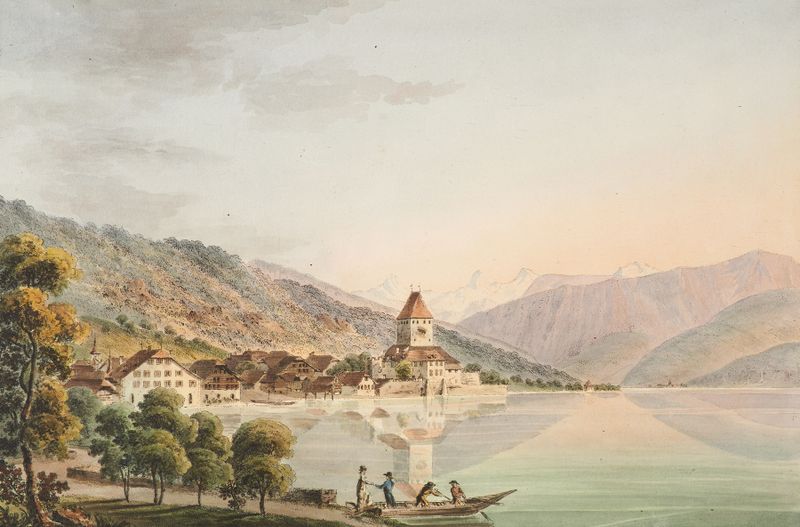
Vûe du Chateau d’Oberhofen au Lac de Thoune
Jakob Samuel Weibel
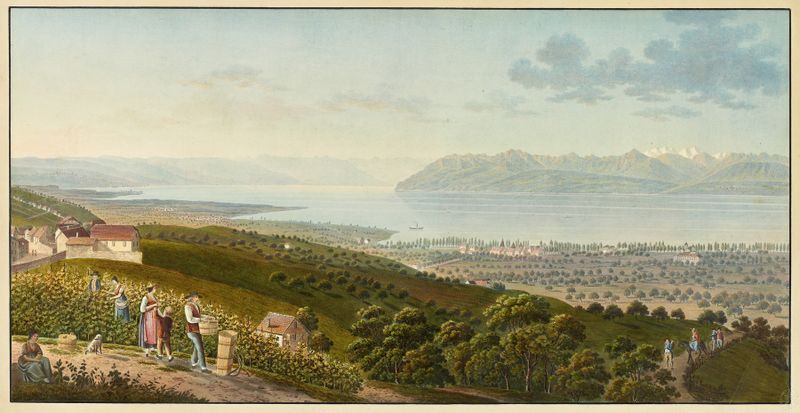
Vue genérale du Lac de Geneve
Jakob Samuel Weibel
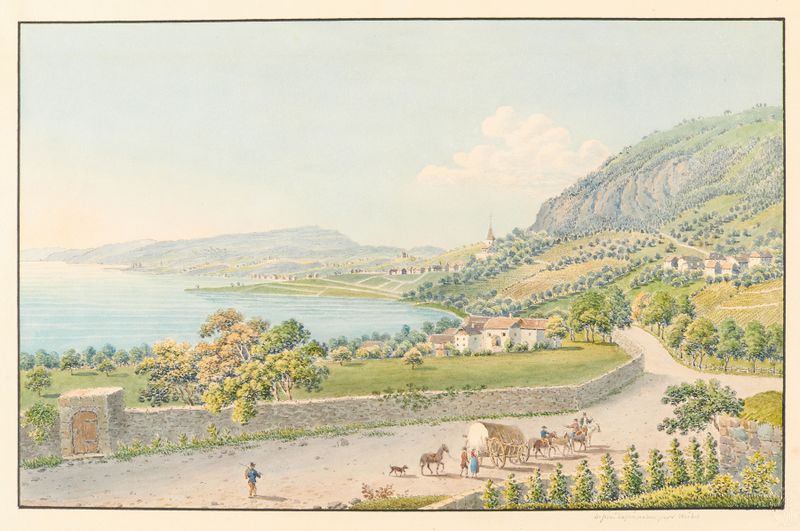
Vue des environs de Montreux et de Clarens
Jakob Samuel Weibel
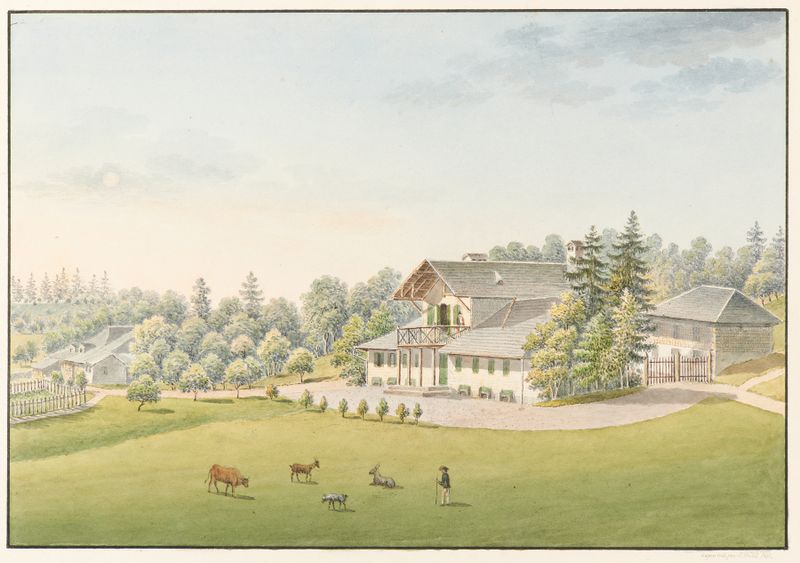
Vue du nouveau Châlet de Vernand
Jakob Samuel Weibel
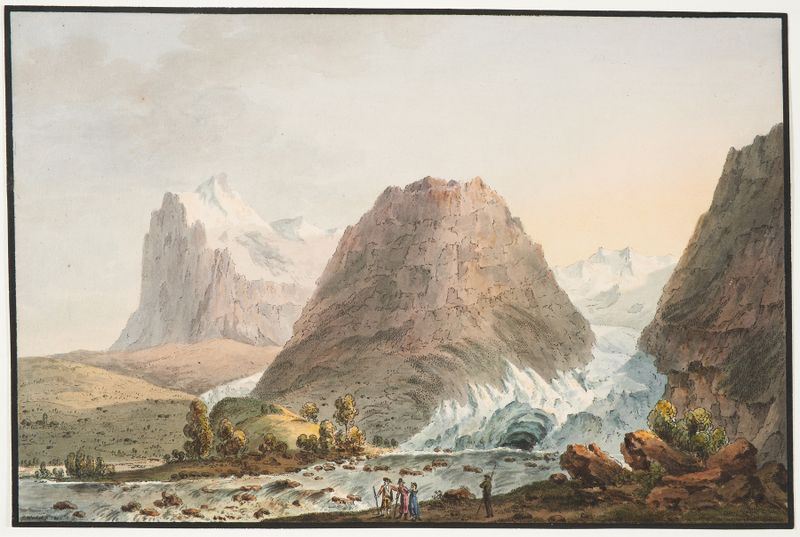
Vûe des Glacieres de Grindelwald
Jakob Samuel Weibel
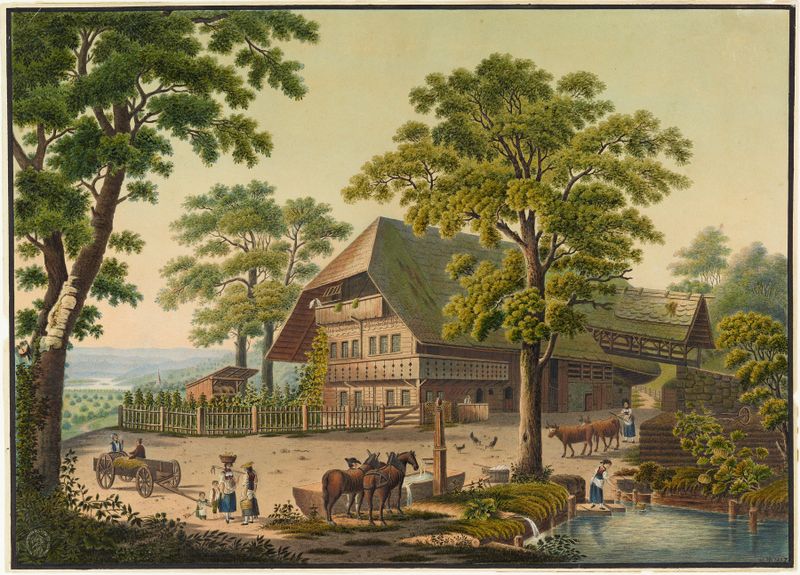
Maison de paysan près Wichtrach
Jakob Samuel Weibel
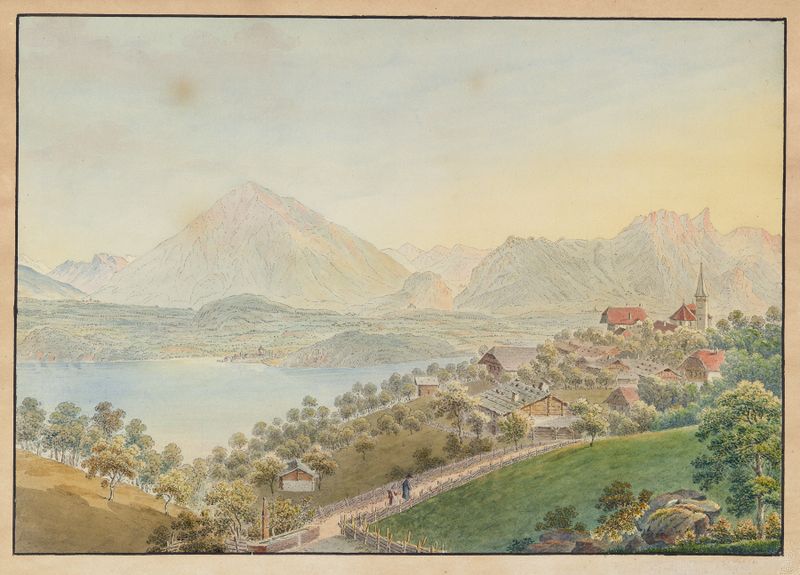
Ansicht von Sigriswil mit Niesen und Thunersee
Jakob Samuel Weibel
Ansicht Berns und der Aare vom Gurten aus
Jakob Samuel Weibel

Lausanne Ville capitale du Canton de Vaud
Jakob Samuel Weibel