
Groix — History & Facts
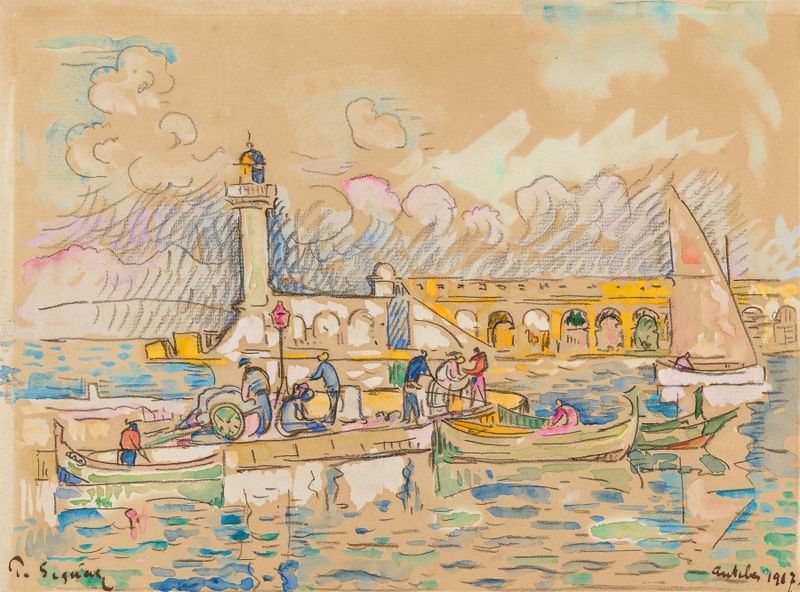
Can beauty exist without sorrow? In Groix, vibrant colors dance across the canvas, a testament to nature's splendor and the inevitable passage of time. Look to the sweeping blues and greens that embody the serene waters, where dappled sunlight glimmers playfully on the surface. Notice how the brushstrokes swirl in rhythmic harmony, guiding your gaze from the foreground's vibrant coastal landscape to the distant horizon. The interplay of light and shadow reveals not only the physical beauty of the island but also hints at the lurking decay that shadows even the most idyllic scenes. Amidst the tranquil setting, subtle details invite deeper contemplation.
The juxtaposition of lush greenery alongside hints of erosion suggests that beauty is transient, forever entwined with the inevitability of decline. The vibrant hues could evoke joy, yet there’s an undercurrent of melancholy that pervades the work as if the landscape itself mourns its fleeting existence. This tension resonates with viewers, compelling them to confront their own relationships with beauty and time. In the late 1920s, Paul Signac painted Groix while exploring the principles of color theory and the expressive potential of pointillism.
During this time, he was deeply engaged with the post-impressionist movement, which sought to capture emotion through color. The world was shifting—art was entering modernity, yet Signac remained committed to the tactile, sensory experiences of nature, portraying the delicate balance between vibrancy and decay with careful precision.
More Artworks by Paul Signac
Browse all →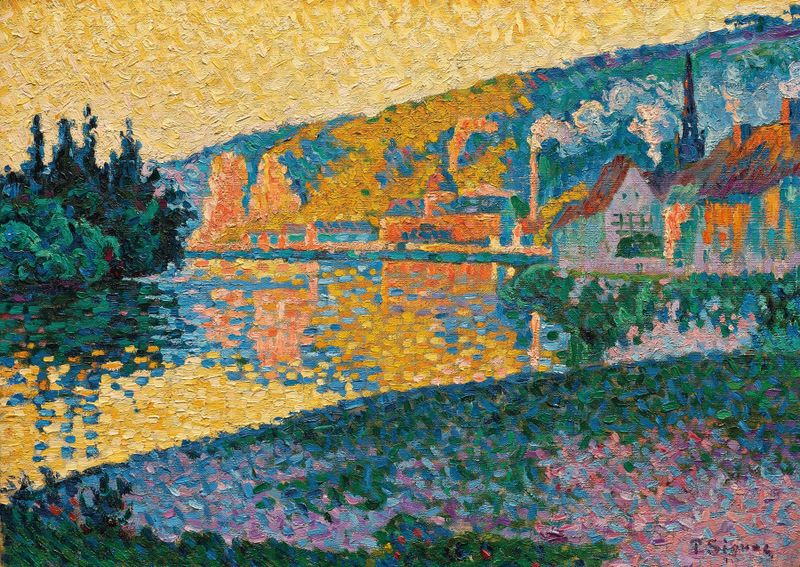
Les Andelys. Soleil couchant
Paul Signac
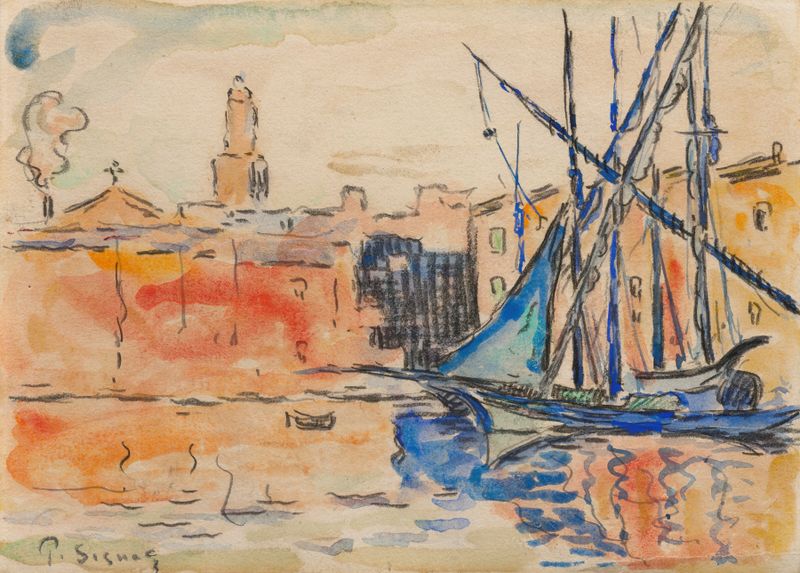
Saint-Tropez, le port
Paul Signac
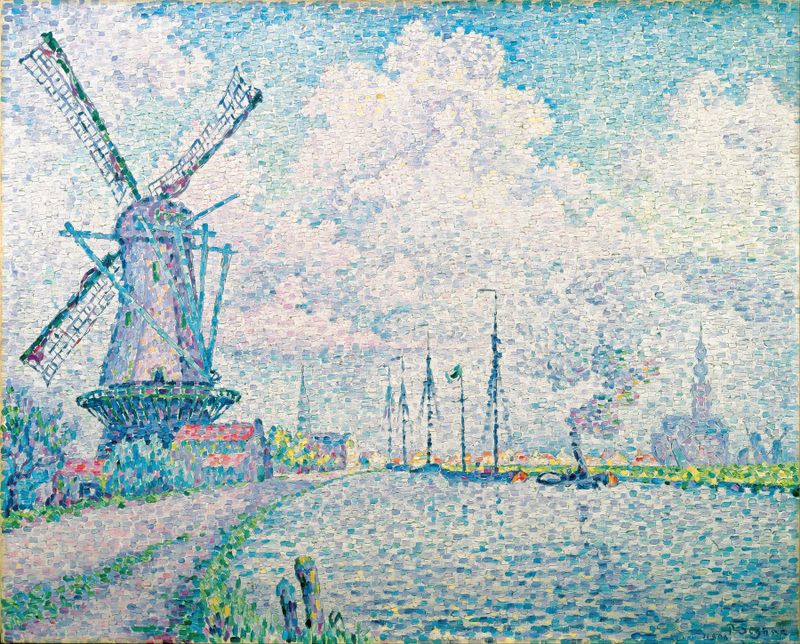
Canal of Overschie
Paul Signac
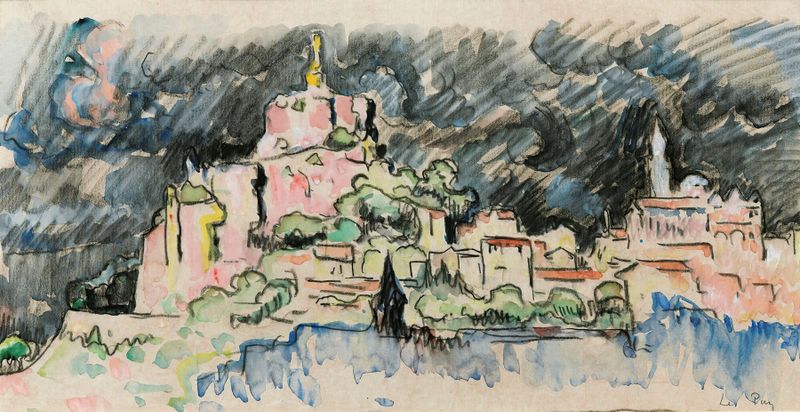
Le Puy-En-Velay, Ciel D’orage
Paul Signac
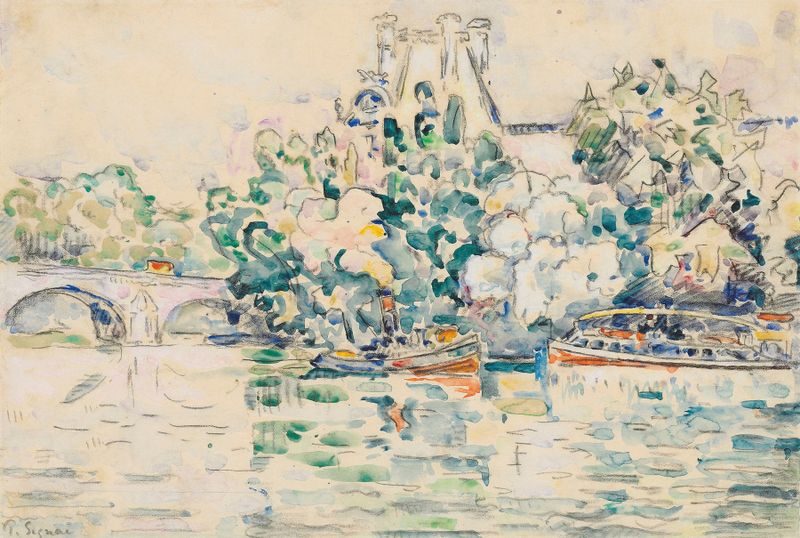
Paris, La Seine au Pont-Royal
Paul Signac
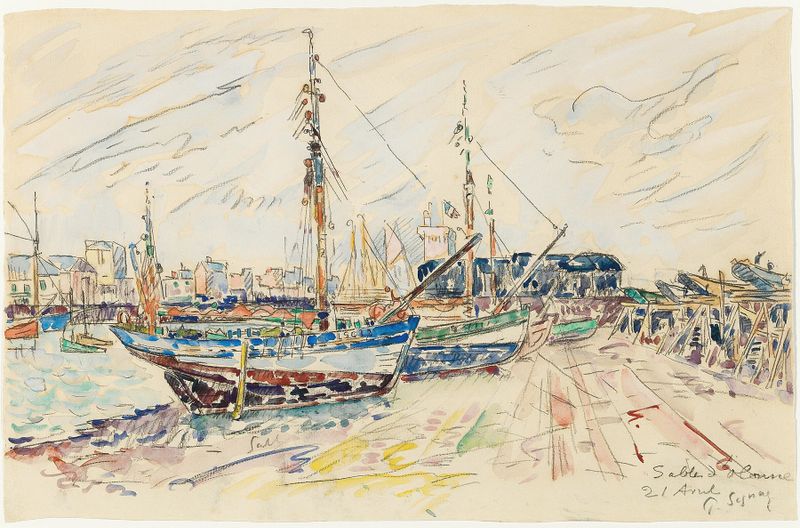
Sables d’Olonne
Paul Signac
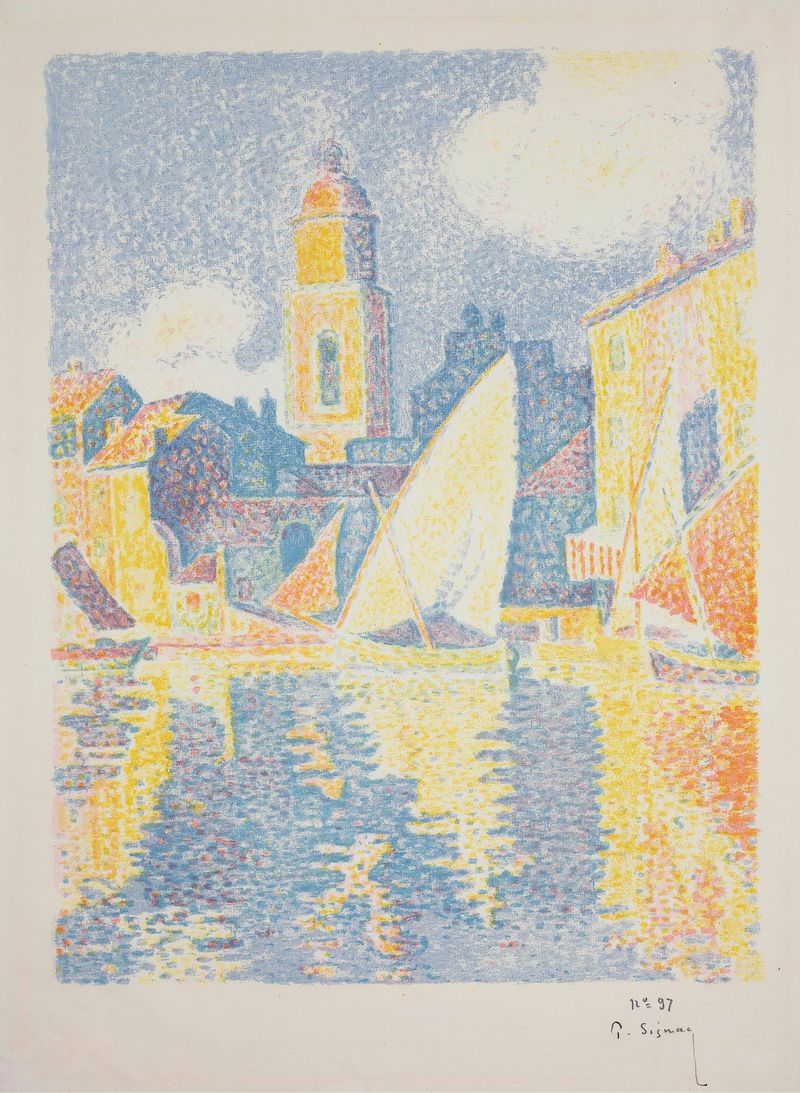
The Port of St. Tropez
Paul Signac
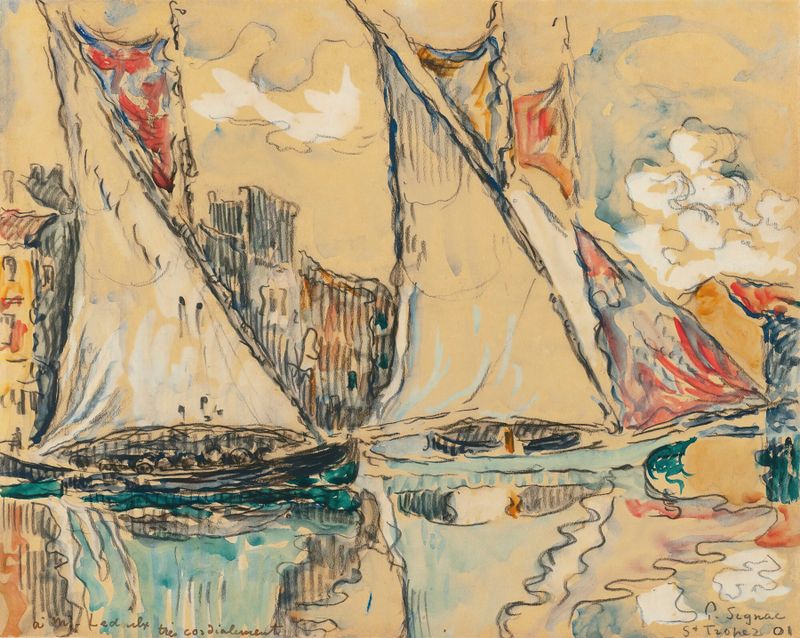
Saint-Tropez, Voiles Au Sec
Paul Signac
Antibes
Paul Signac

Saint-Tropez
Paul Signac





