
Grote of Sint-Laurenskerk in Rotterdam — History & Facts
In a world that relentlessly sweeps away the ephemeral, art stands as a testament to our fleeting existence, capturing moments that whisper of mortality. Look to the left at the towering spires of the Grote of Sint-Laurenskerk, their Gothic lines disappearing into the sky, almost yearning for transcendence. The interplay of light and shadow dances across the stone facade, emphasizing the church's majestic presence. Dupont employs a muted palette, punctuated by the warm glow of late afternoon sun, inviting the viewer to bask in the solemnity of this architectural marvel while contemplating its ancient walls, which have witnessed centuries of human stories. In the delicate details, there lies a profound tension between the permanence of the structure and the transience of life.
The crumbling bricks and the encroaching foliage suggest nature’s quiet reclamation, a reminder of the inevitability of decay. Shadows stretch long, echoing the passage of time, while the church stands resolute—a silent guardian of memories, both sacred and secular. This duality reflects our struggle against forgetfulness, urging us to remember the lives once lived beneath its spires. In 1906, Pieter Dupont painted this work during a period of burgeoning modernity in the heart of the Netherlands.
He was deeply immersed in the vibrant art scene of Rotterdam, where traditional motifs were increasingly juxtaposed with contemporary concerns. This piece, while rooted in history, reflects the artist's desire to bridge the past with the present, encapsulating the eternal conversation between mankind and its monuments.
More Artworks by Pieter Dupont
Browse all →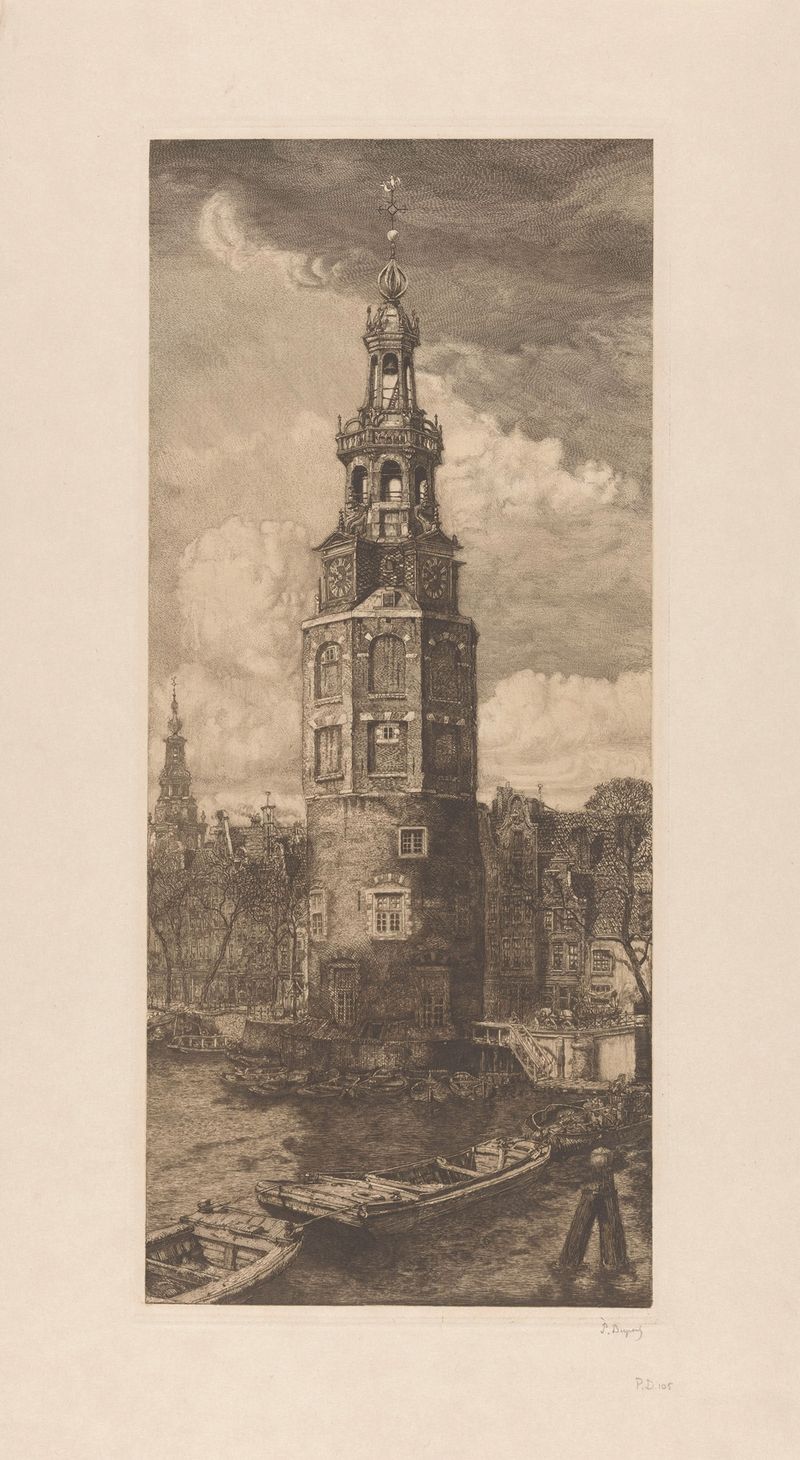
Montelbaanstoren aan de Oudeschans in Amsterdam
Pieter Dupont
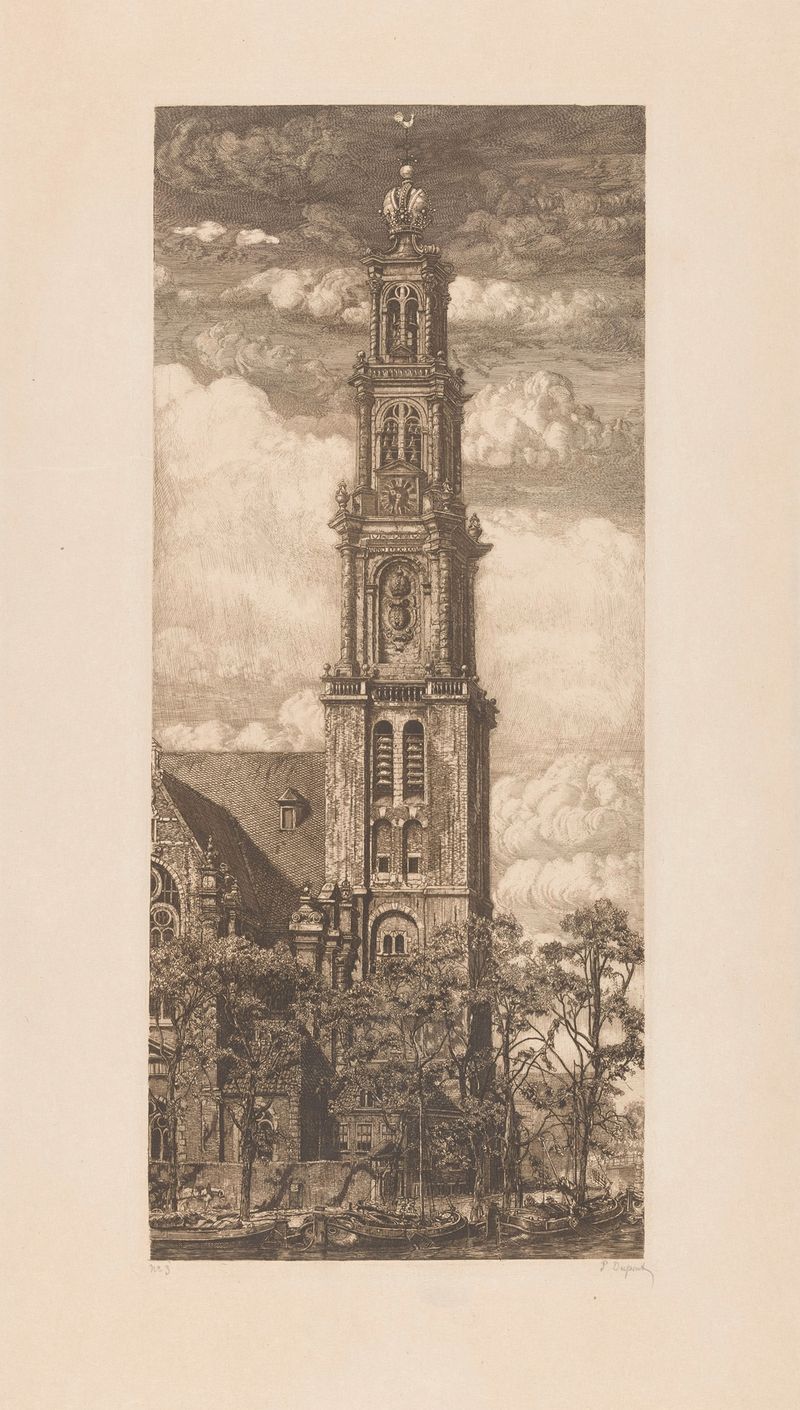
Westertoren in Amsterdam
Pieter Dupont
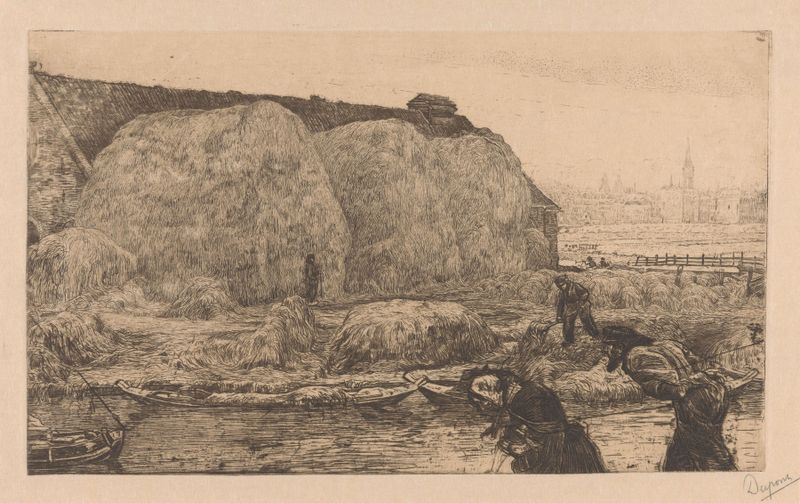
Boerderij met hooischelven aan het Jaagpad in Amsterdam
Pieter Dupont
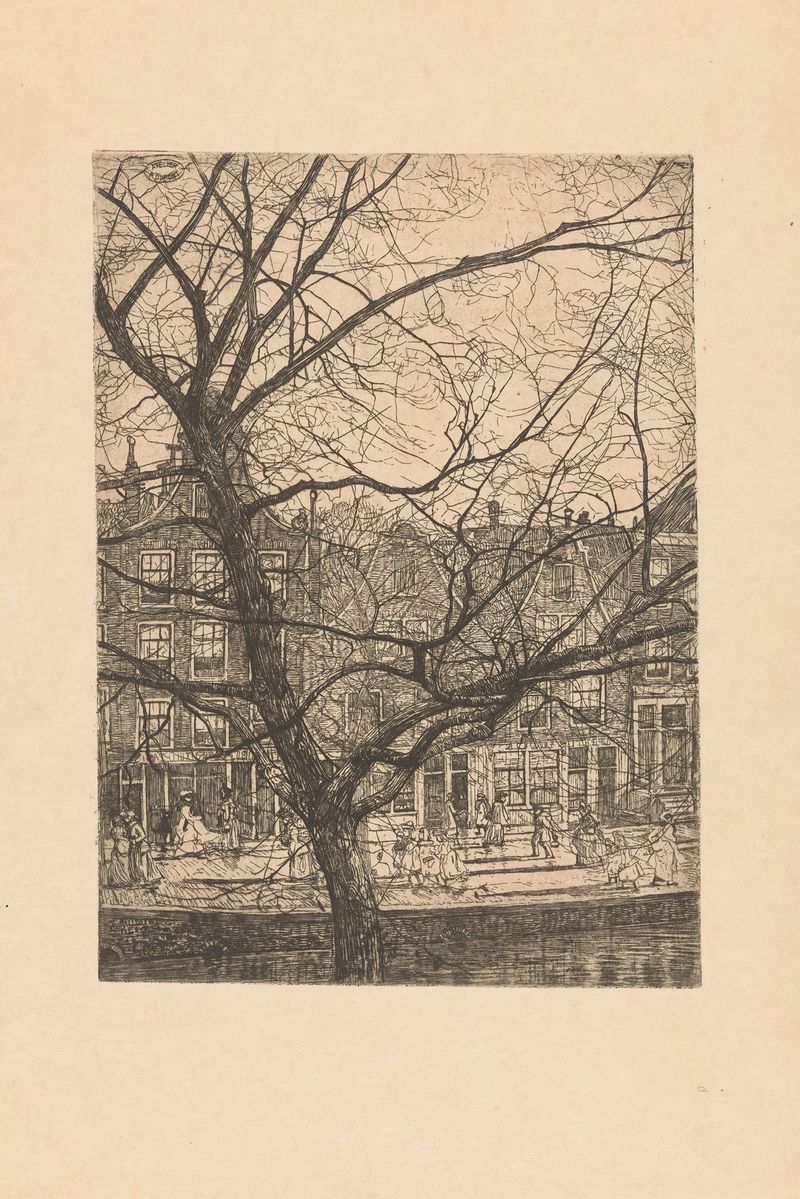
Grachtenhuizen met halsgevels in Amsterdam
Pieter Dupont
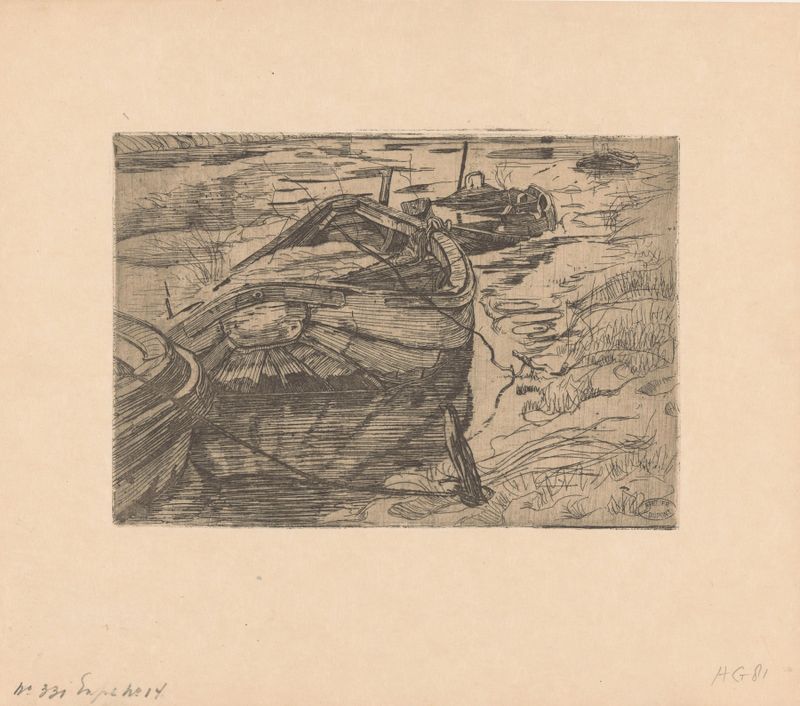
Afgemeerde roeiboten in een sloot
Pieter Dupont
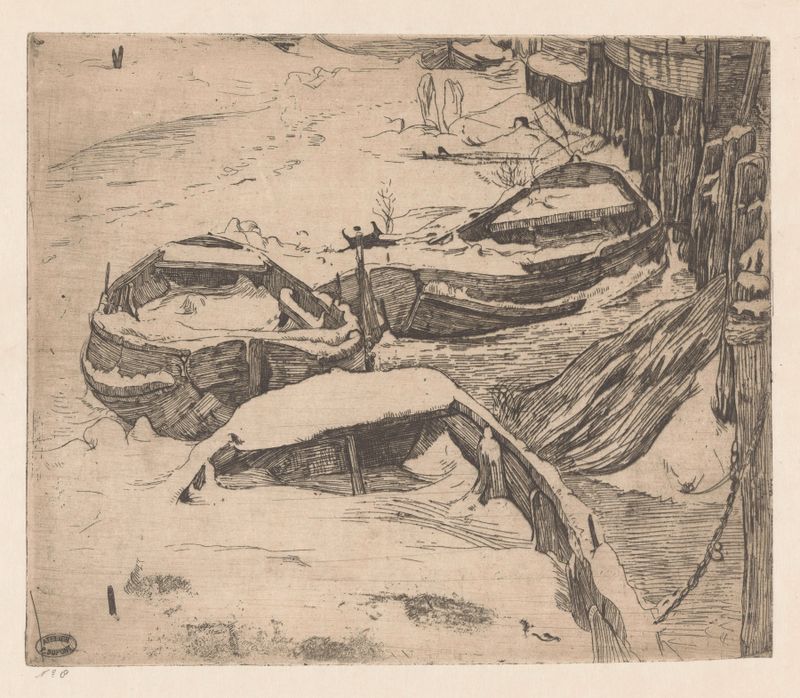
Drie besneeuwde roeiboten bij een wal
Pieter Dupont
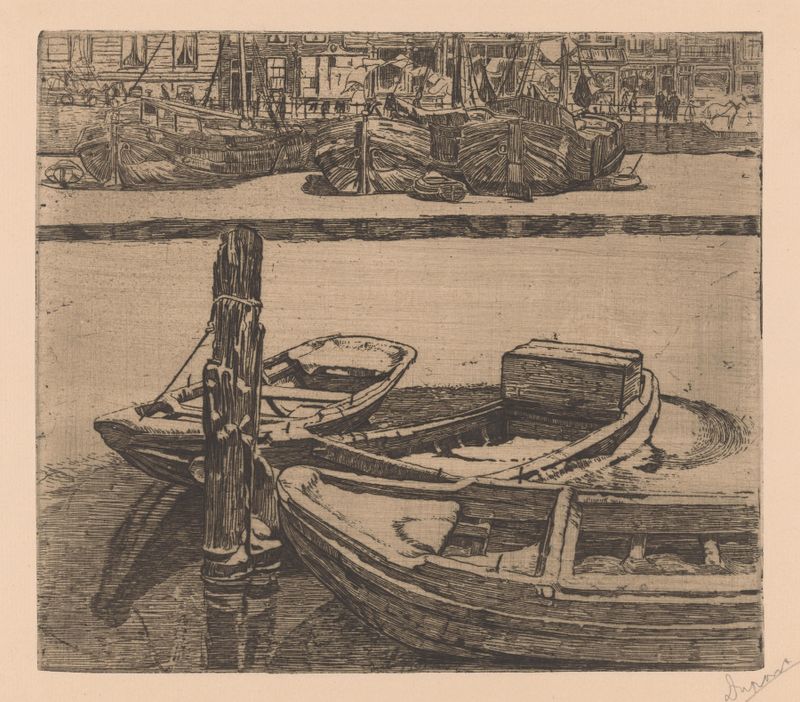
Schepen in het Damrak in Amsterdam
Pieter Dupont
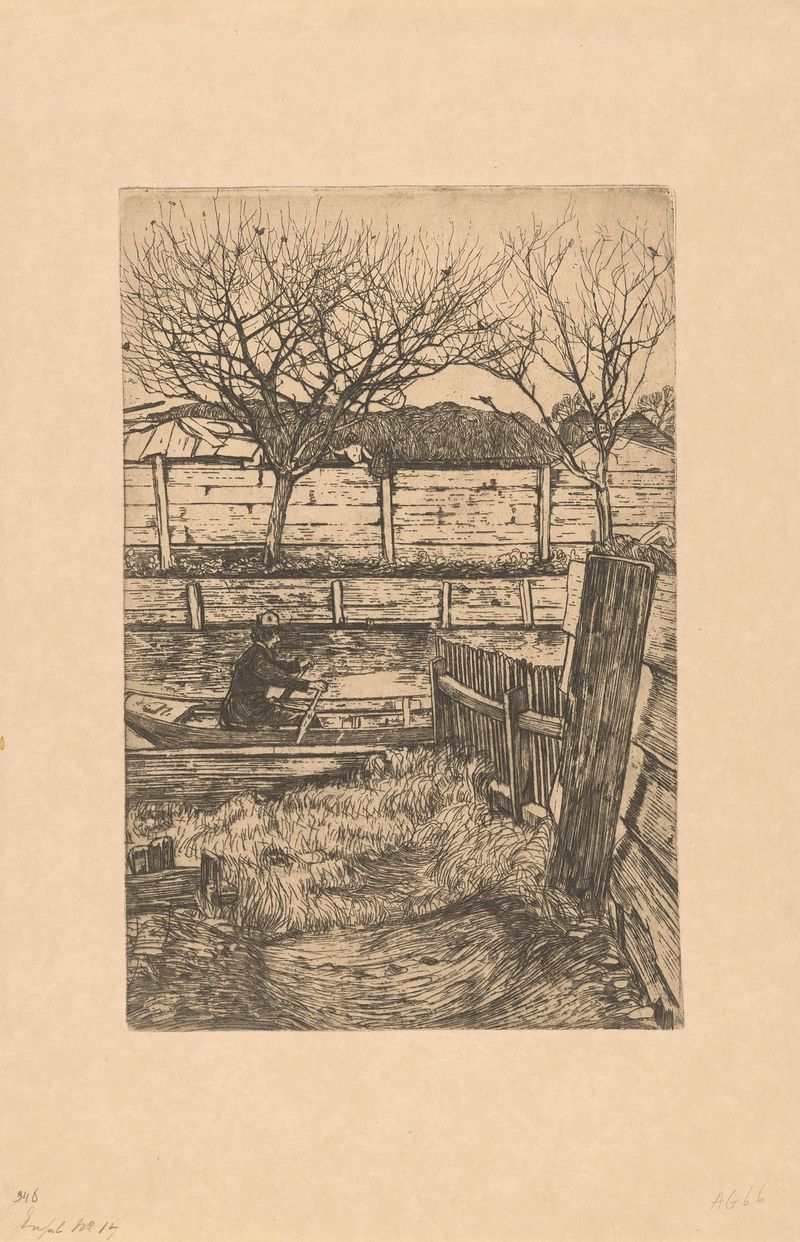
Man in een roeiboot, waarschijnlijk bij de Slatuinen in Amsterdam
Pieter Dupont
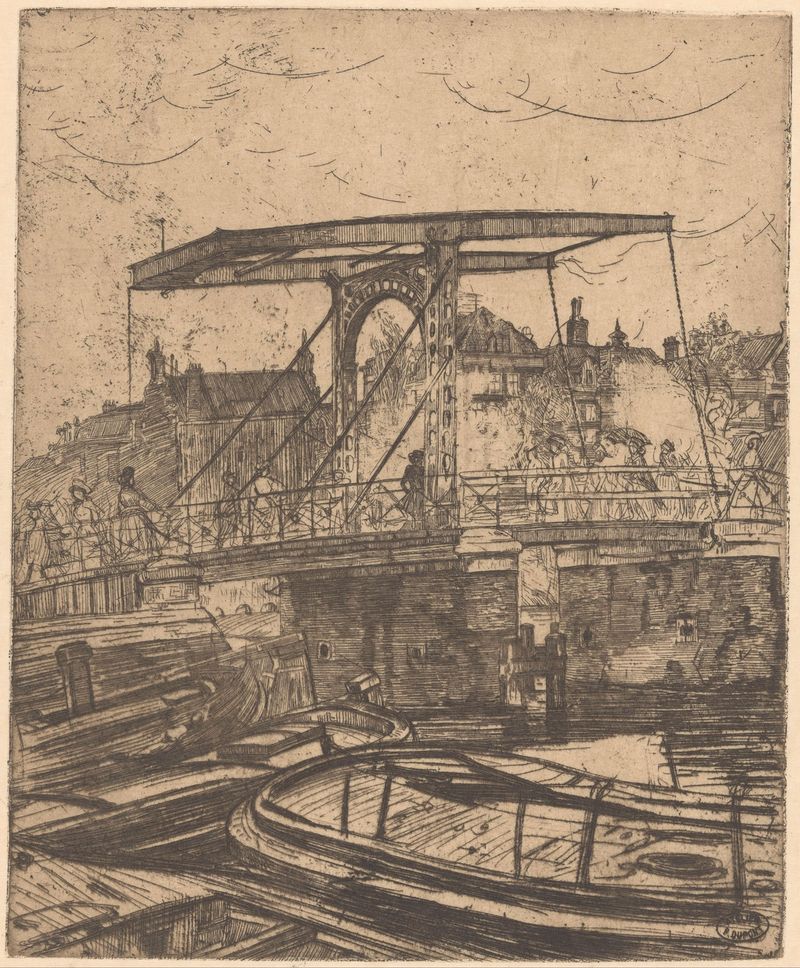
Magere Brug in Amsterdam
Pieter Dupont
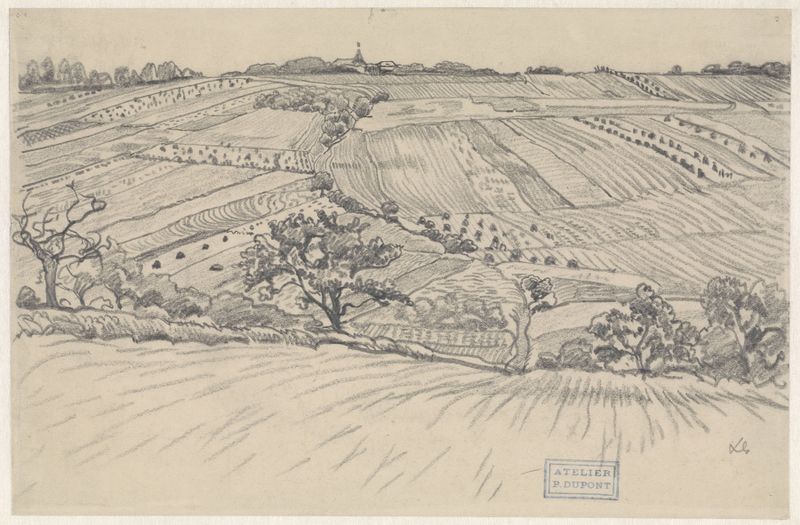
Heuvelachtig landschap met korenvelden
Pieter Dupont
More Architecture Art
Browse all →
The statue of Liberty
Frédéric Auguste Bartholdi

View of Houses in Delft, Known as ‘The Little Street’
Johannes Vermeer

View of Houses in Delft, Known as ‘The Little Street’
Johannes Vermeer

The Cathedral in Rouen. The portal, Grey Weather
Claude Monet

The yellow house
Vincent van Gogh

The Church in Auvers-sur-Oise, View from the Chevet
Vincent van Gogh