
Grottes et falaises au bord de la mer — History & Facts
Where does light end, and longing begin? In the interplay of shadow and radiance, we find the haunting beauty of decay. Look to the right at the eroded cliffs, their surfaces a tapestry of muted earth tones that echo the passage of time. Notice how the setting sun casts a warm golden hue, illuminating the jagged edges and glistening pools below, creating a stark contrast against the cool blue of the sea. This juxtaposition of light and dark draws the viewer's gaze toward the horizon, where the sky melts into a dreamlike haze, suggesting both promise and ruin. The work pulses with hidden meanings, particularly in its portrayal of natural elements as symbols of transience.
The rugged cliffs, while looming large, appear to be crumbling, suggesting a metaphor for the fragility of existence. Meanwhile, the gentle waves lapping at the base reflect an eternal cycle of destruction and rebirth. Together, these contrasts evoke a sense of nostalgia and sorrow, urging us to contemplate the relentless passage of time that governs all life. In 1843, when this piece was created, Brascassat was immersed in the picturesque movement, capturing landscapes that resonated with emotional depth and realism.
Living in France, he witnessed rapid industrialization, which likely influenced his fascination with nature's raw beauty juxtaposed against the encroaching human presence. This work exemplifies his mastery in depicting not just scenery, but also the profound emotional landscapes that such scenes evoke.
More Artworks by Jacques-Raymond Brascassat
Browse all →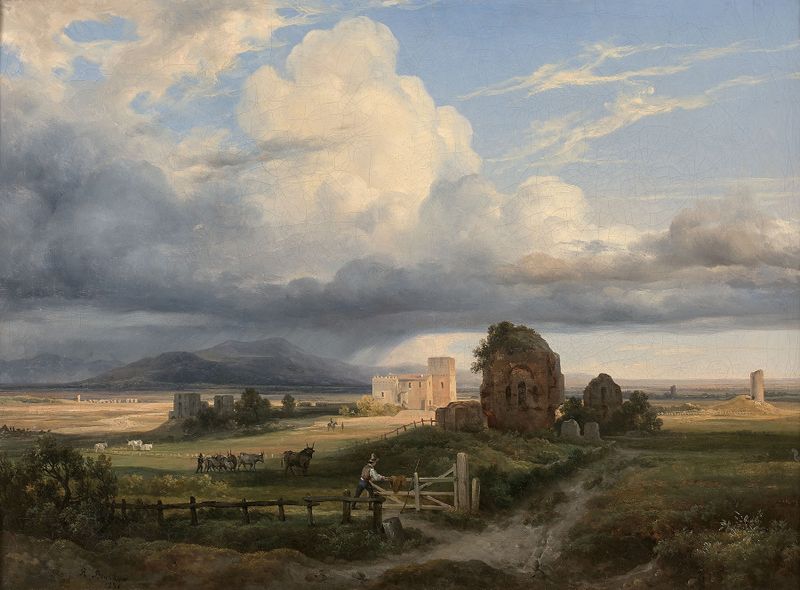
Vacher et son troupeau dans la campagne romaine, dans les environs de la via Appia
Jacques-Raymond Brascassat

Puits
Jacques-Raymond Brascassat

Paysage d’Italie
Jacques-Raymond Brascassat

Tour en bordure de mer
Jacques-Raymond Brascassat

Le Monastère
Jacques-Raymond Brascassat

Cascade et rochers
Jacques-Raymond Brascassat

Le Vieux chêne
Jacques-Raymond Brascassat

View of Bordeaux
Jacques-Raymond Brascassat
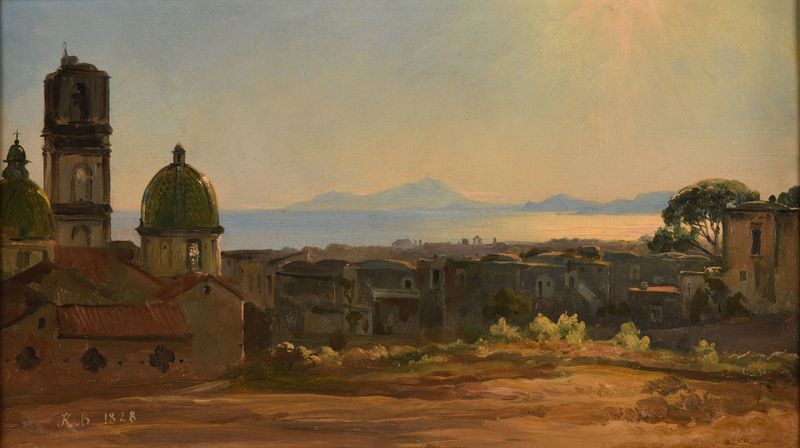
Vue de ville d’Italie
Jacques-Raymond Brascassat
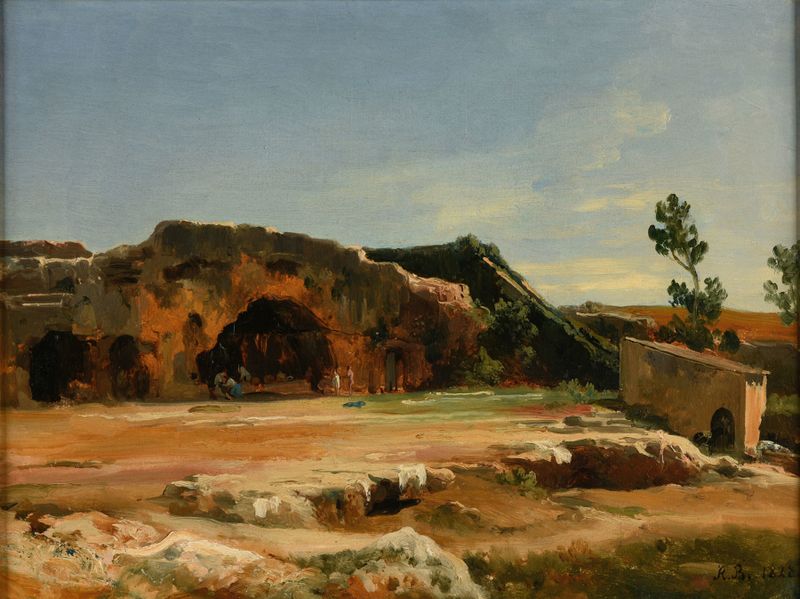
Grotte du Nymphée (Syracuse)
Jacques-Raymond Brascassat





