
Gstadt am Chiemsee — History & Facts
What if silence could speak through light? In the stillness of a lake, the quiet whispers of nature dance upon the surface, inviting the viewer to listen and feel. Look to the left at the delicate outlines of the distant mountains. The soft blues and greens create a serene backdrop, contrasting with the shimmering reflections of the water that dominate the canvas. Notice how the light filters through the branches of trees that fringe the foreground, casting dappled shadows that suggest movement, as if the scene itself is breathing.
Geigenberger’s brushwork captures not just the stillness of this moment but the unspoken energy within it. In the intricate detailing of the water, you can discern the emotional tension of longing and tranquility. The gentle ripples are suggestive of unseen currents beneath the surface, evoking a sense of both calm and anticipation. The interplay of light and shadow hints at the passage of time, while the vibrant colors convey a fleeting moment, forever suspended.
Each element of the composition reflects a deeper connection to nature and the quiet stories it holds. Before 1946, Otto Geigenberger painted Gstadt am Chiemsee during a period of personal and societal upheaval in Germany. The post-war landscape was marked by a search for peace and reflection, which is manifested in his serene depictions of nature. As he navigated the complexities of a changing world, his artwork became a sanctuary, capturing the fragile beauty and quiet strength of his surroundings.
More Artworks by Otto Geigenberger
Browse all →
Hohe Munde bei Seefeld in Tirol
Otto Geigenberger
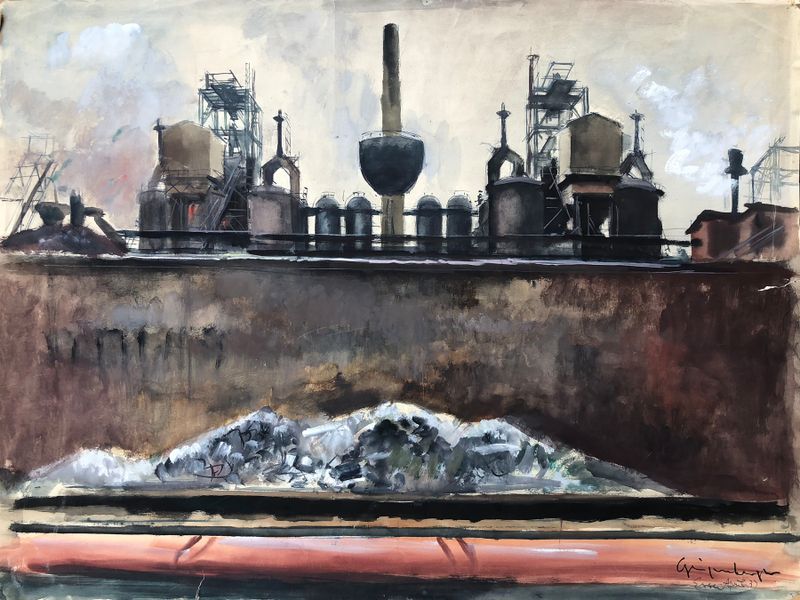
Stahlwerk Krupp in Essen
Otto Geigenberger

Landschaft mit Kirche
Otto Geigenberger

Passau am Inn 2
Otto Geigenberger
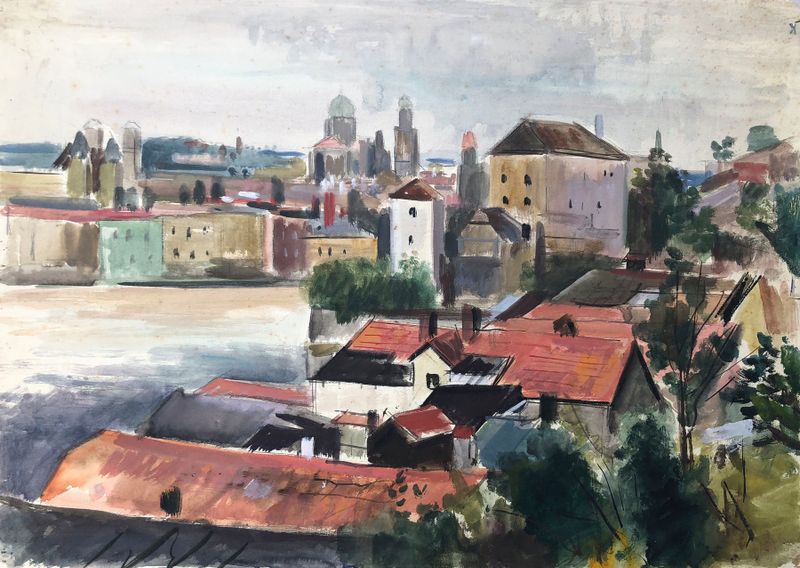
Passau am Inn
Otto Geigenberger
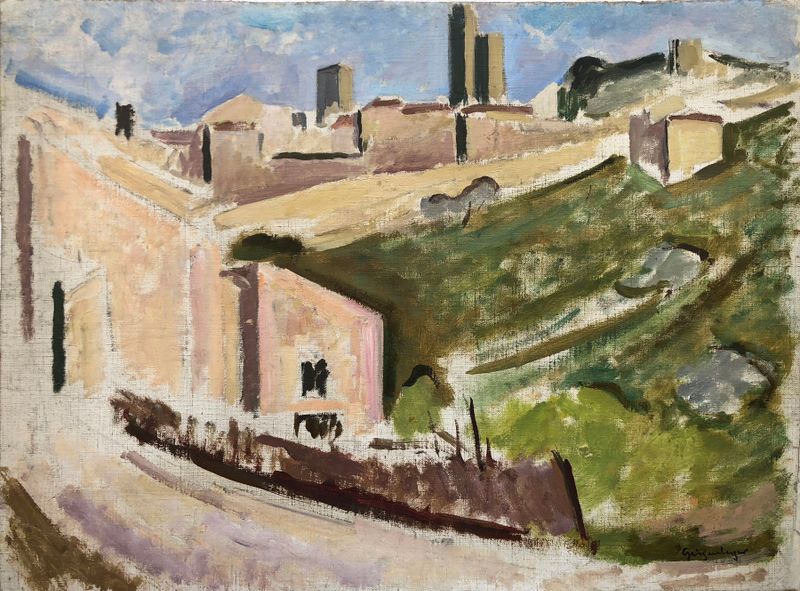
Südliche Stadt auf einem Hügel
Otto Geigenberger

Wasserburg am Inn – Häuserpartie am Inn
Otto Geigenberger

Wasserburg am Inn – Innfront
Otto Geigenberger
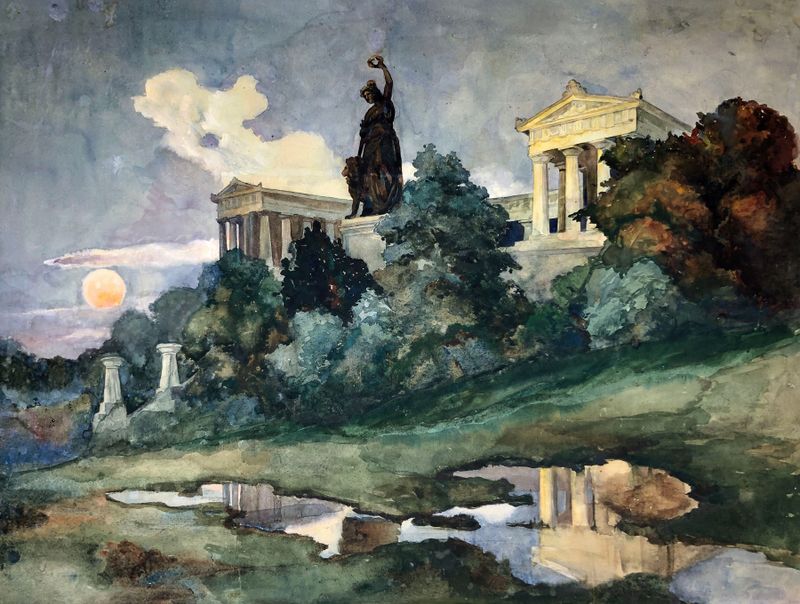
Sonnenuntergang an der Bavaria und Ruhmeshalle in München
Otto Geigenberger
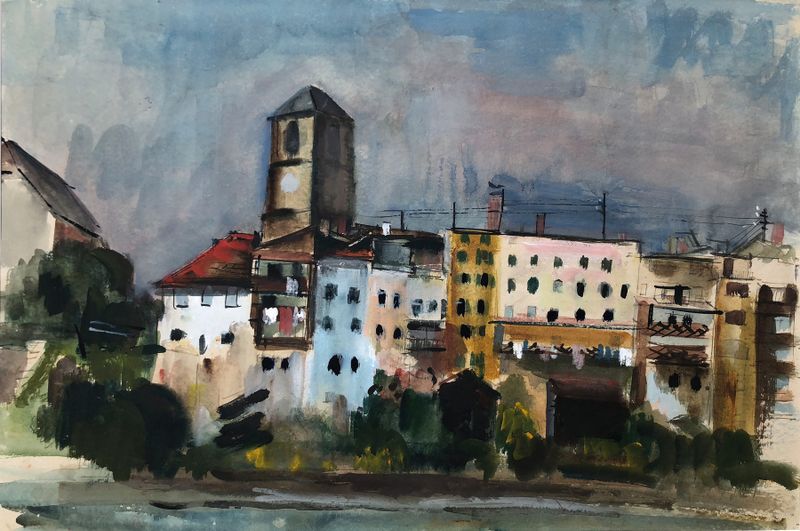
Wasserburg am Inn – Innfront.
Otto Geigenberger





