
Gsteig bey Sanen — History & Facts
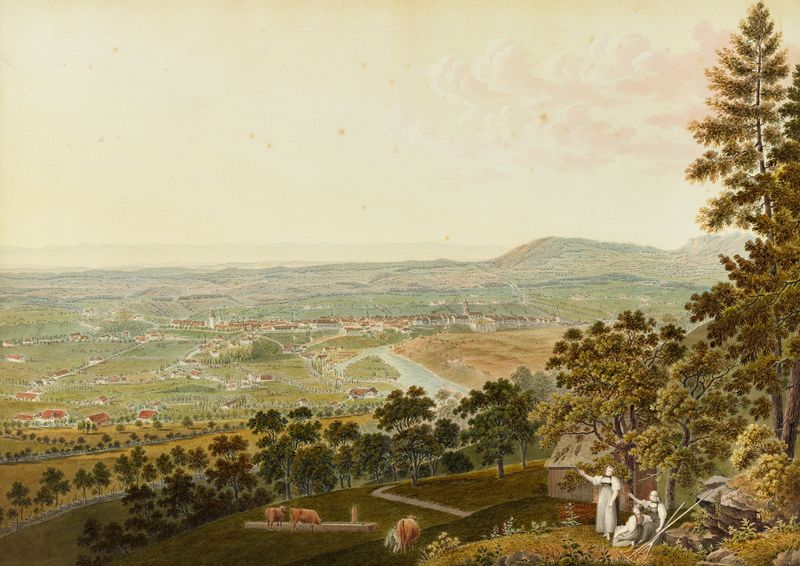
Could a single brushstroke hold eternity? In Gsteig bey Sanen, the delicate balance between chaos and tranquility whispers profound truths about existence and the fleeting nature of time. Look to the left at the rolling hills, where muted greens and browns blend seamlessly, evoking a sense of harmony with nature. Your eyes should drift toward the central figures, painted with meticulous care, their poses reflecting a serene interaction with their surroundings. The gentle play of light across their garments draws your attention, emphasizing the subtleties of texture while creating a sense of depth that invites contemplation. Beneath the surface, the contrast between the tranquility of the landscape and the energy of the figures suggests a deeper narrative of connection and disconnection.
The interplay of light and shadow serves as a reminder of the constant push and pull in every moment—how peace can coexist with turmoil. Small details, such as the expressions of the figures and the wavering lines of the horizon, hint at the complexity of human emotion, suggesting that each moment is a delicate balance of joy and sorrow. Created in an ambiguous time of his life, Weibel painted this work amid the evolving Swiss art scene of the late 17th century, a period marked by influences from both Baroque and emerging Rococo styles. As he navigated through personal and professional changes, he sought to capture the essence of human experience against nature's backdrop, leaving his viewers with a contemplative meditation on balance and harmony.
More Artworks by Jakob Samuel Weibel
Browse all →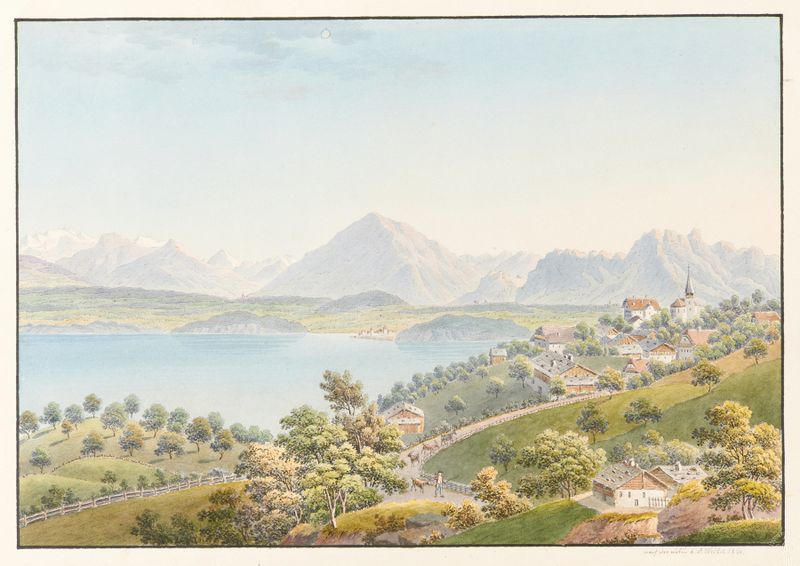
Vue dessiné depuis le Village de Sigriswil, audessus du Lac de Thoune
Jakob Samuel Weibel
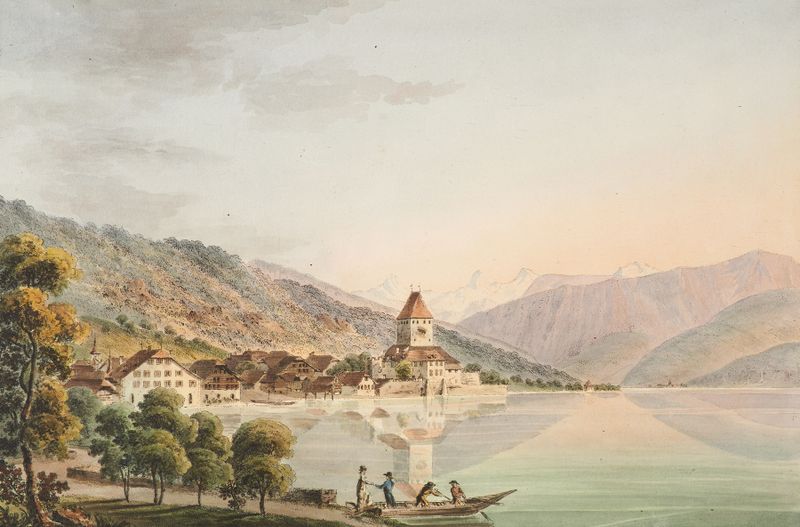
Vûe du Chateau d’Oberhofen au Lac de Thoune
Jakob Samuel Weibel
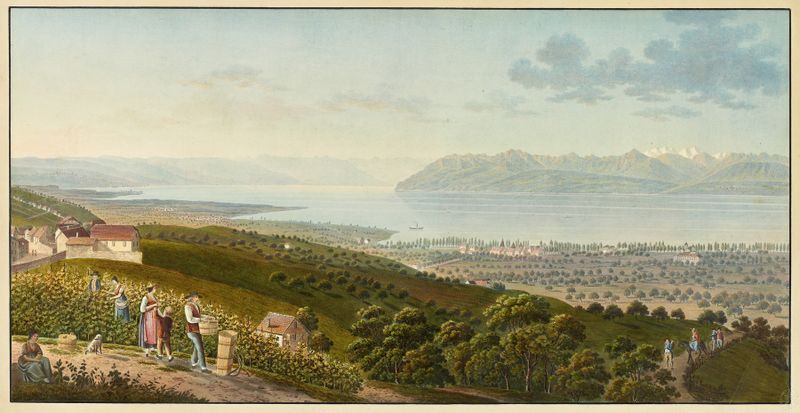
Vue genérale du Lac de Geneve
Jakob Samuel Weibel
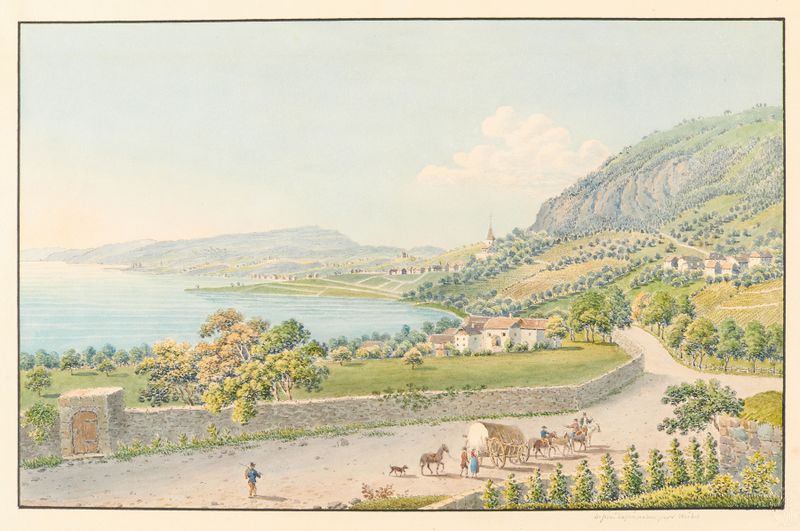
Vue des environs de Montreux et de Clarens
Jakob Samuel Weibel
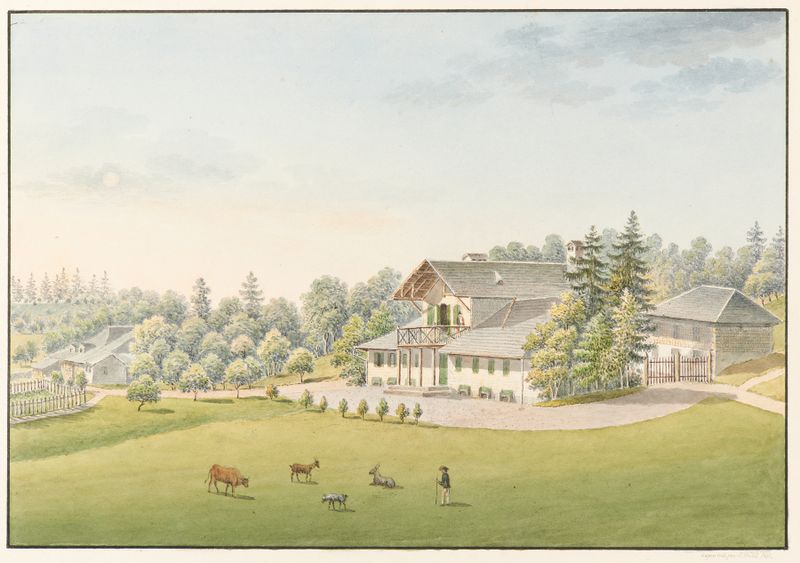
Vue du nouveau Châlet de Vernand
Jakob Samuel Weibel
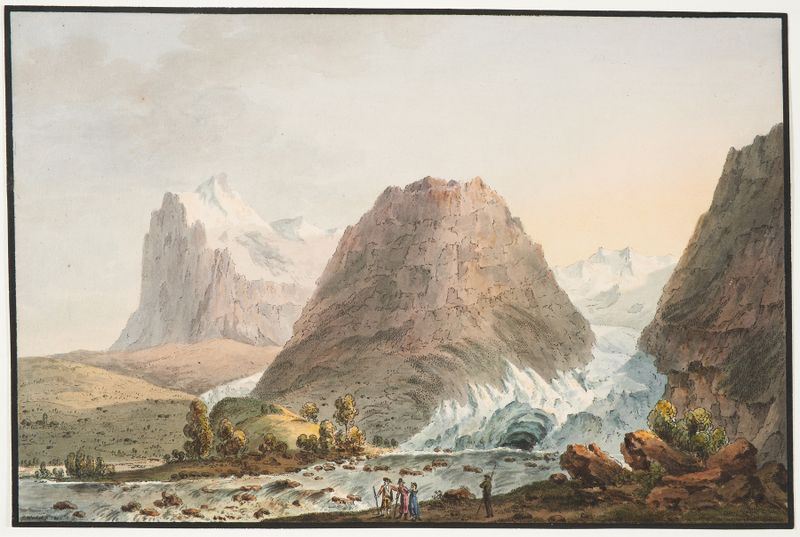
Vûe des Glacieres de Grindelwald
Jakob Samuel Weibel
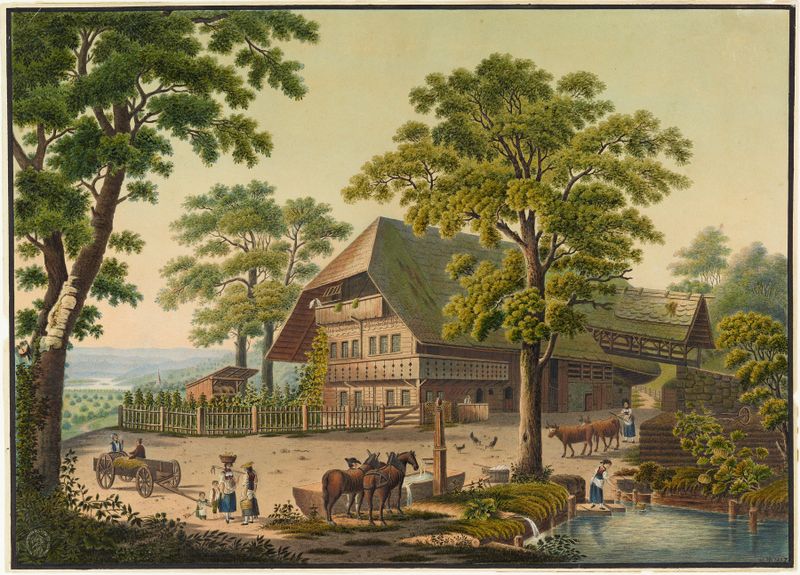
Maison de paysan près Wichtrach
Jakob Samuel Weibel
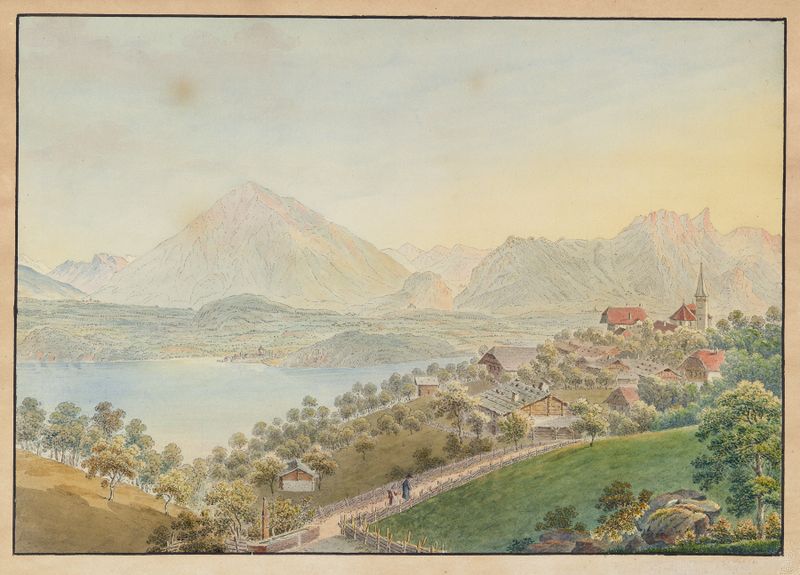
Ansicht von Sigriswil mit Niesen und Thunersee
Jakob Samuel Weibel
Ansicht Berns und der Aare vom Gurten aus
Jakob Samuel Weibel

Lausanne Ville capitale du Canton de Vaud
Jakob Samuel Weibel





