Haardplaat met Justitia — History & Facts
Who listens when art speaks of silence? In the stillness of Haardplaat met Justitia, a solitary figure invokes an echo of loneliness that transcends time. Look to the left at Justitia, her blindfolded gaze both demanding and indifferent. The subtle play of light on her scales creates an ethereal glow, while the textured surface of the metal plate adds depth to her presence. Notice how the muted color palette conveys a somber tone, the deep blacks and silvers merging into a haunting whisper of justice hovering in the air. As you absorb the scene, consider the contrasts woven into the composition.
Justitia, although a symbol of fairness, embodies an undeniable isolation, highlighted by the absence of any figures around her. The interplay of light and shadow further accentuates this loneliness, suggesting that true justice often stands alone, untouched by the chaos of the world. The intricate details of her armor juxtapose her vulnerability, reminding viewers of the heavy burden she carries in the pursuit of truth. Crafted between 1650 and 1700, this piece emerges from an era rich in discourse on rights and morality, reflecting the tumultuous political landscape of Europe.
The artist, shrouded in anonymity, captured a moment in an evolving artistic tradition where the visual language began to intertwine with philosophical ideas. Amidst the Baroque period’s grandeur, this work approaches simplicity, inviting viewers to contemplate the profound solitude that accompanies justice.
More Artworks by Unknown Artist
Browse all →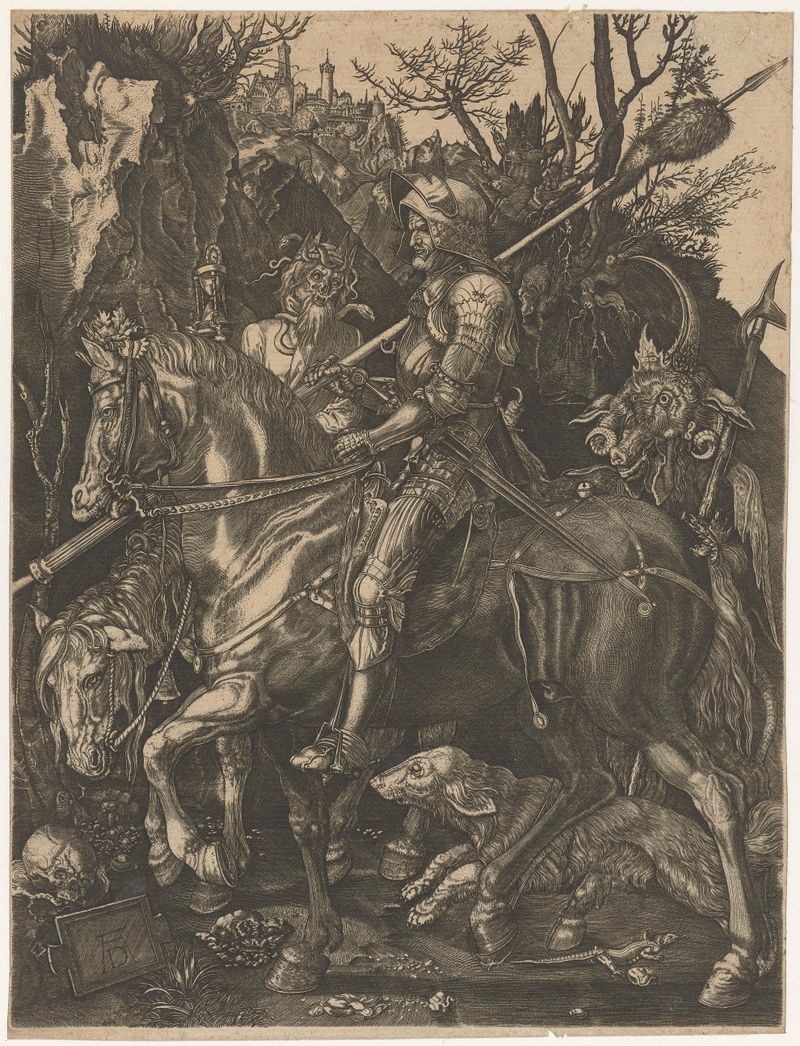
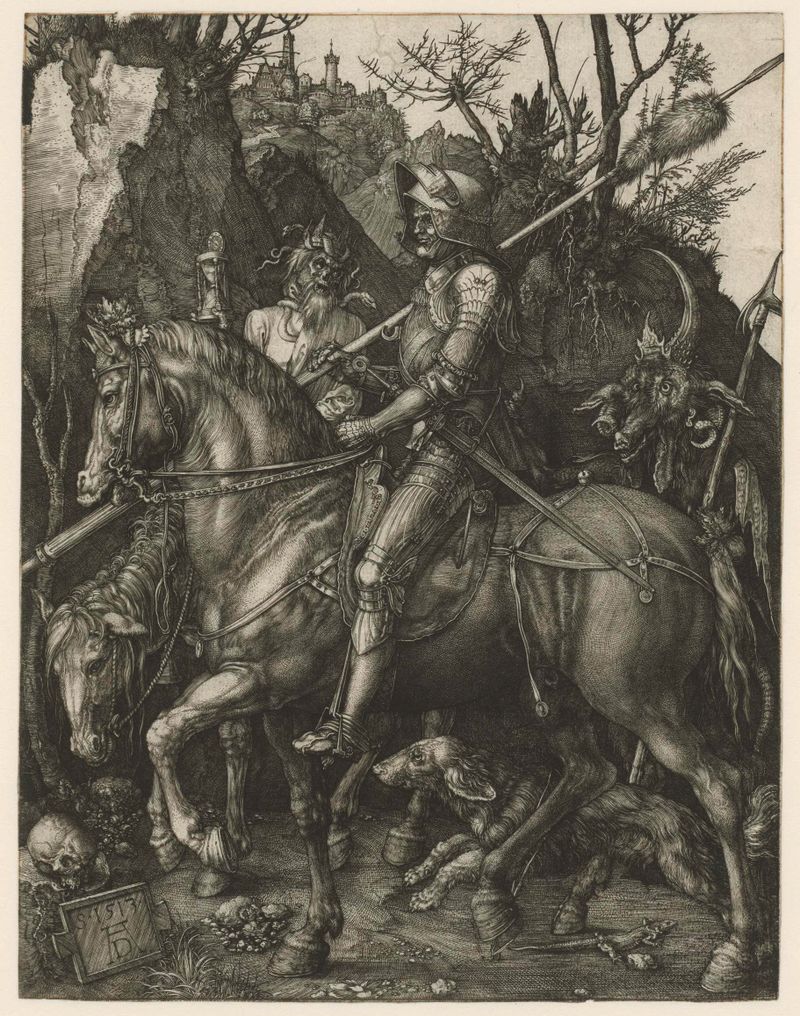
Ridder, Dood en Duivel
Unknown Artist
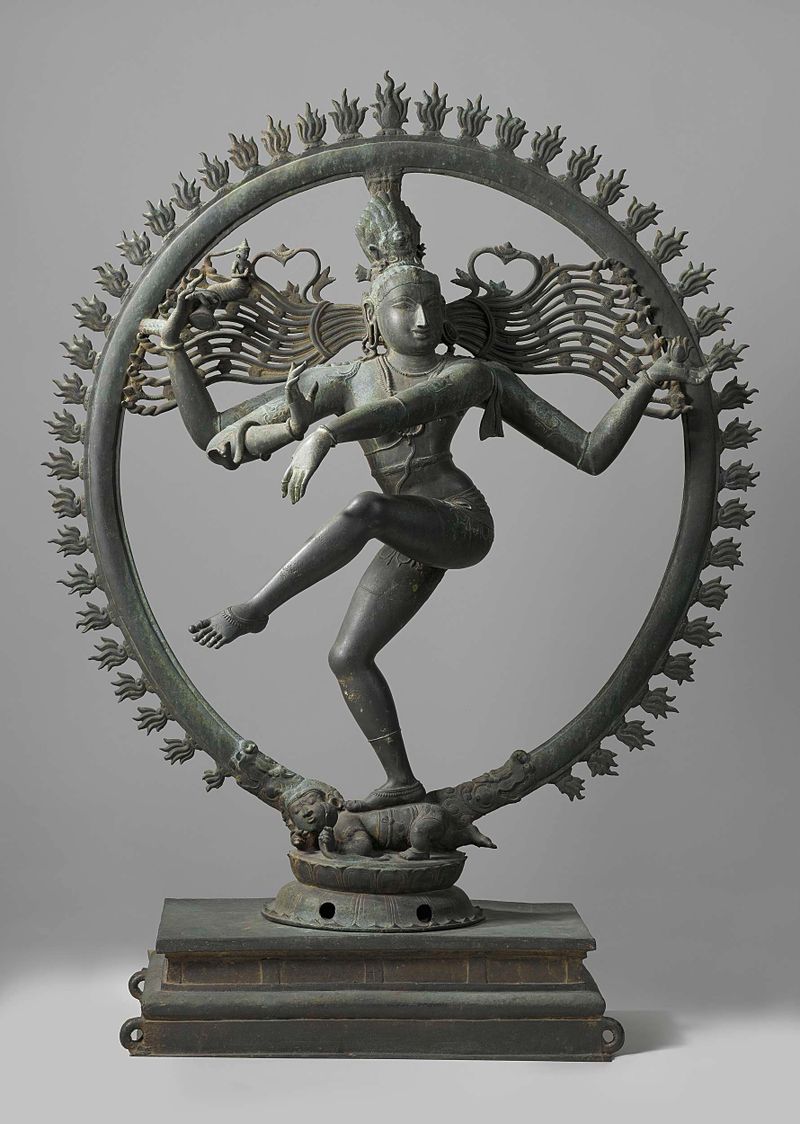
Shiva Nataraja
Unknown Artist
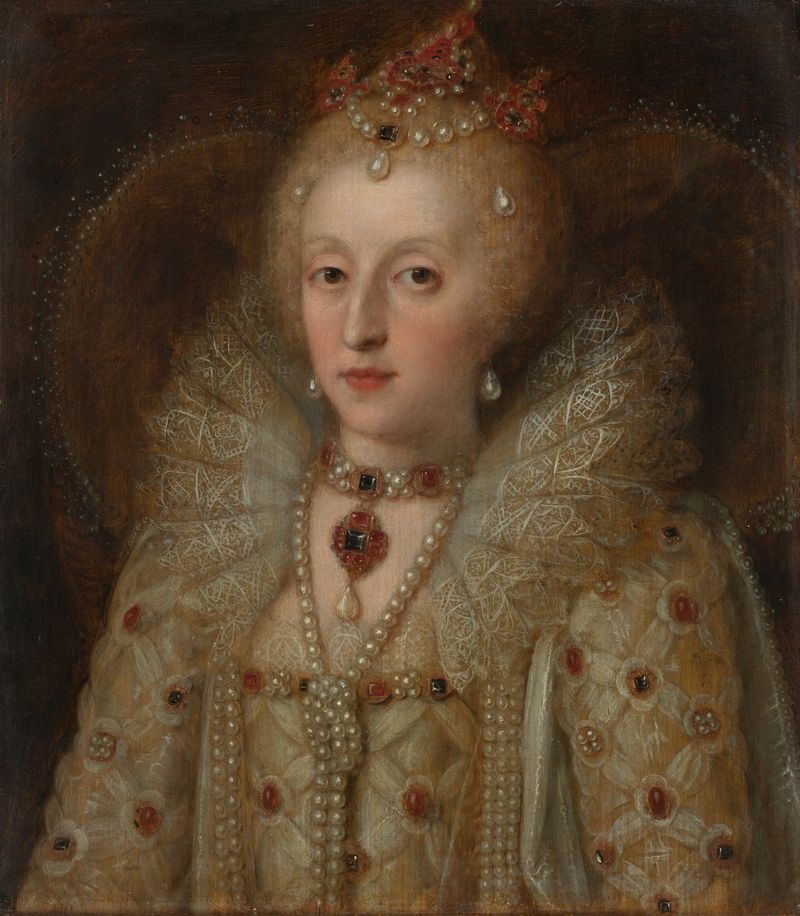
Portrait of Elizabeth I, Queen of England
Unknown Artist
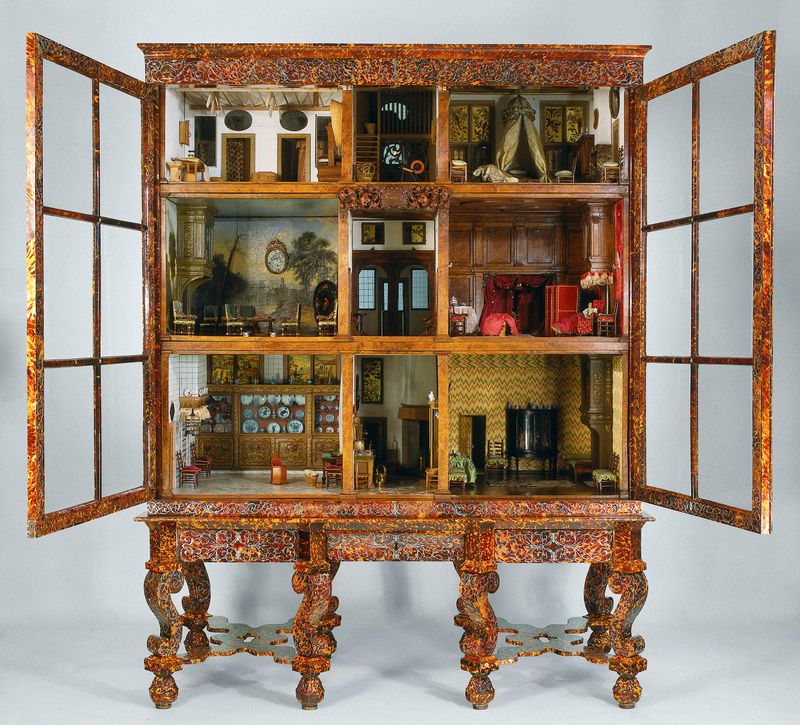
Dolls’ house of Petronella Oortman
Unknown Artist
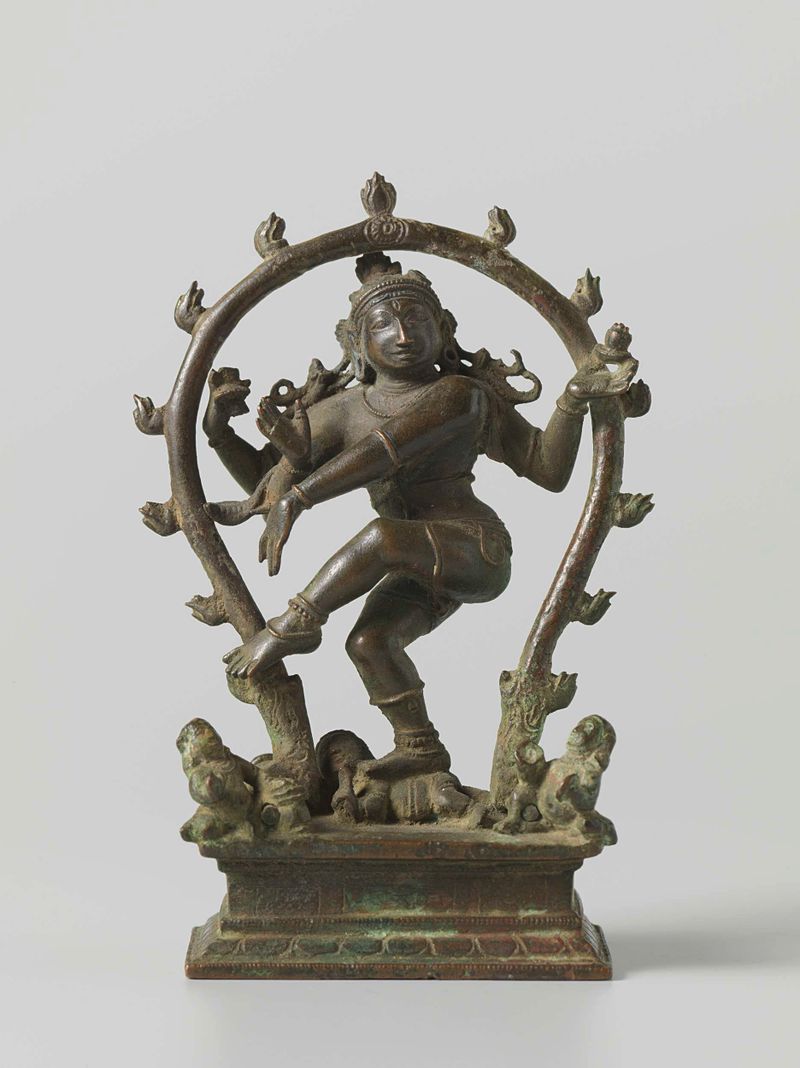
Shiva Nataraja
Unknown Artist

The Tale of Genji
Unknown Artist

The Tale of Genji
Unknown Artist

Cong
Unknown Artist
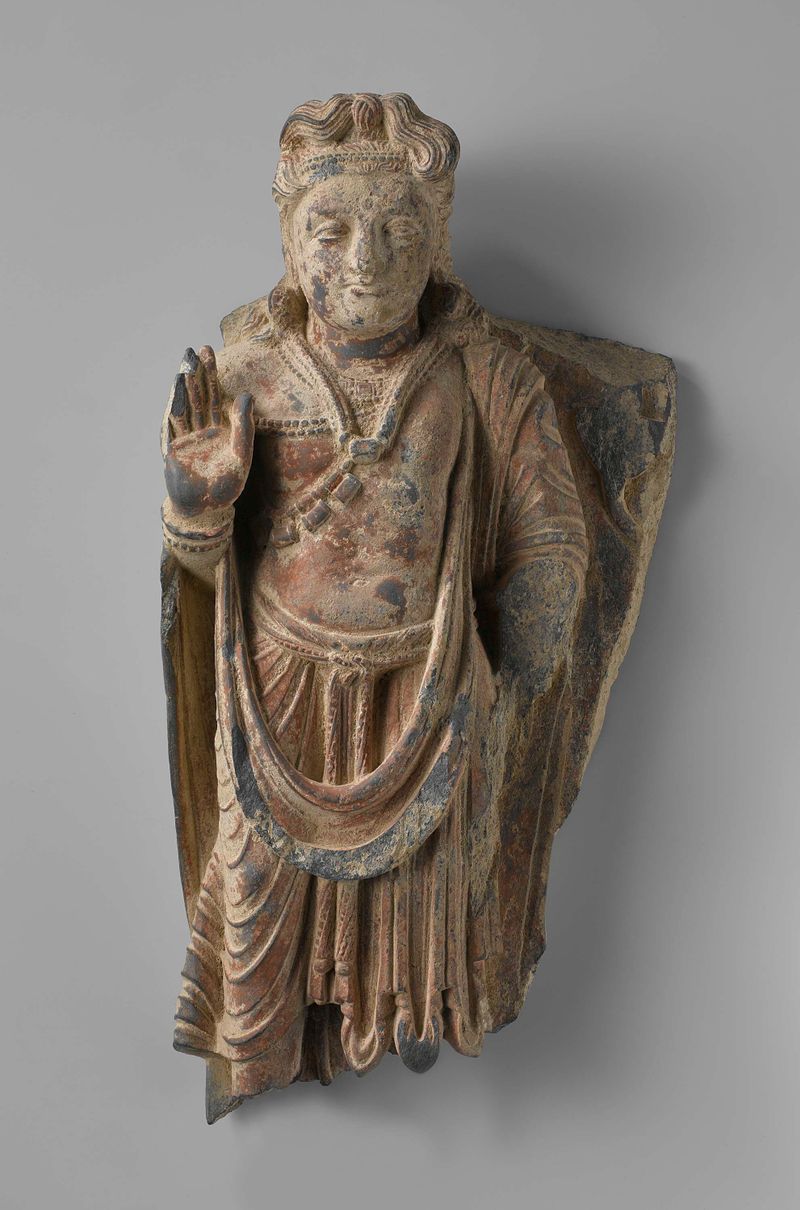
The bodhisattva Maitreya
Unknown Artist

Teabowl with a 'hare's fur' glaze
Unknown Artist