Haardplaat met Justitia — History & Facts
Could a single brushstroke hold eternity? In the delicate interplay of artistry and meaning, a moment captured on a haardplaat transcends the ordinary to suggest something far grander. Look to the intricately painted figure of Justitia, the embodiment of justice, at the center of this work. Notice how the artist masterfully employs rich, warm tones to bring her to life, the golds and deep reds glowing against the cooler, muted background. The use of light creates a halo effect around her, emphasizing her significance and the moral weight of her presence.
The detailed textures of her garments draw the eye, guiding us gently to the scales she holds, poised in delicate balance. As you gaze deeper, the contrasts unfold: the serenity of Justitia's expression juxtaposed with the tumultuous world outside her frame. Each element—the flowing drapery, the careful detailing of her features—whispers of the ethical dilemmas faced in the society of the time. This piece invites reflection on the struggle between light and dark, virtue and vice, suggesting that justice is both an ideal and an ongoing pursuit fraught with challenges. Created between 1600 and 1700, the haardplaat reflects a period rich in artistic innovation and complexity.
The artist, whose identity remains cloaked in mystery, was part of a broader movement influenced by the burgeoning interest in humanism and moral philosophy. During this era, the representation of allegorical figures became a means to engage viewers in dialogues about virtue, morality, and the human condition, marking an essential moment in the history of art.
More Artworks by Unknown Artist
Browse all →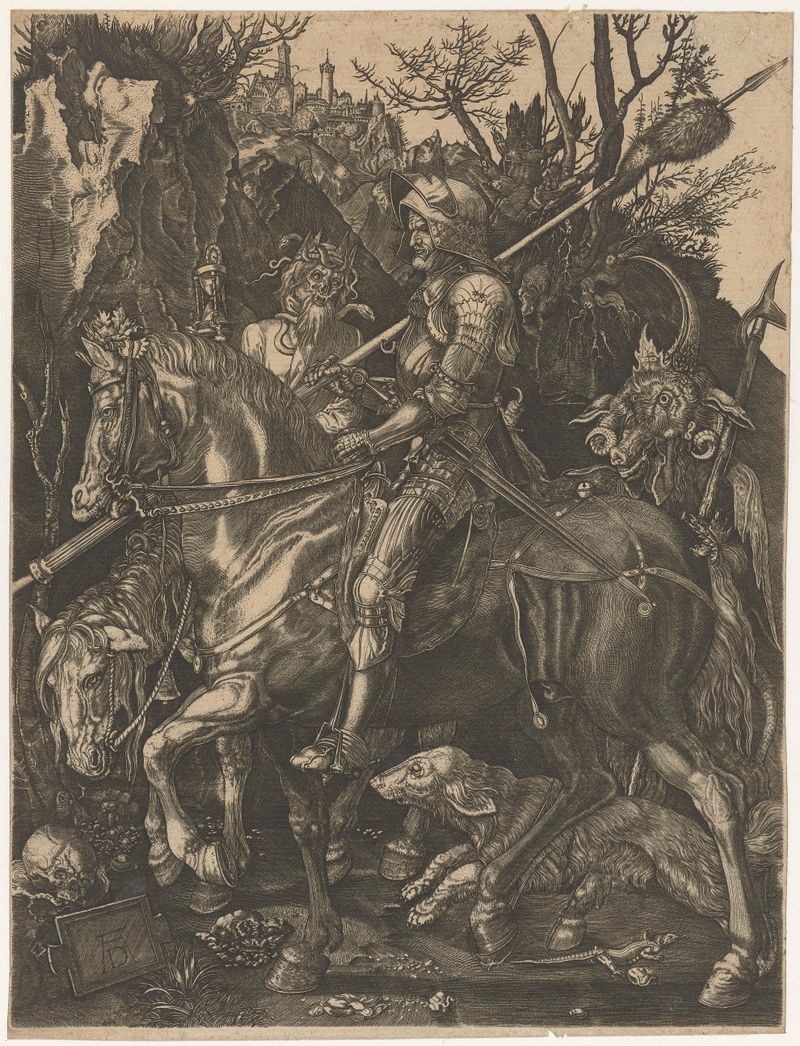
Ridder, Dood en Duivel
Unknown Artist
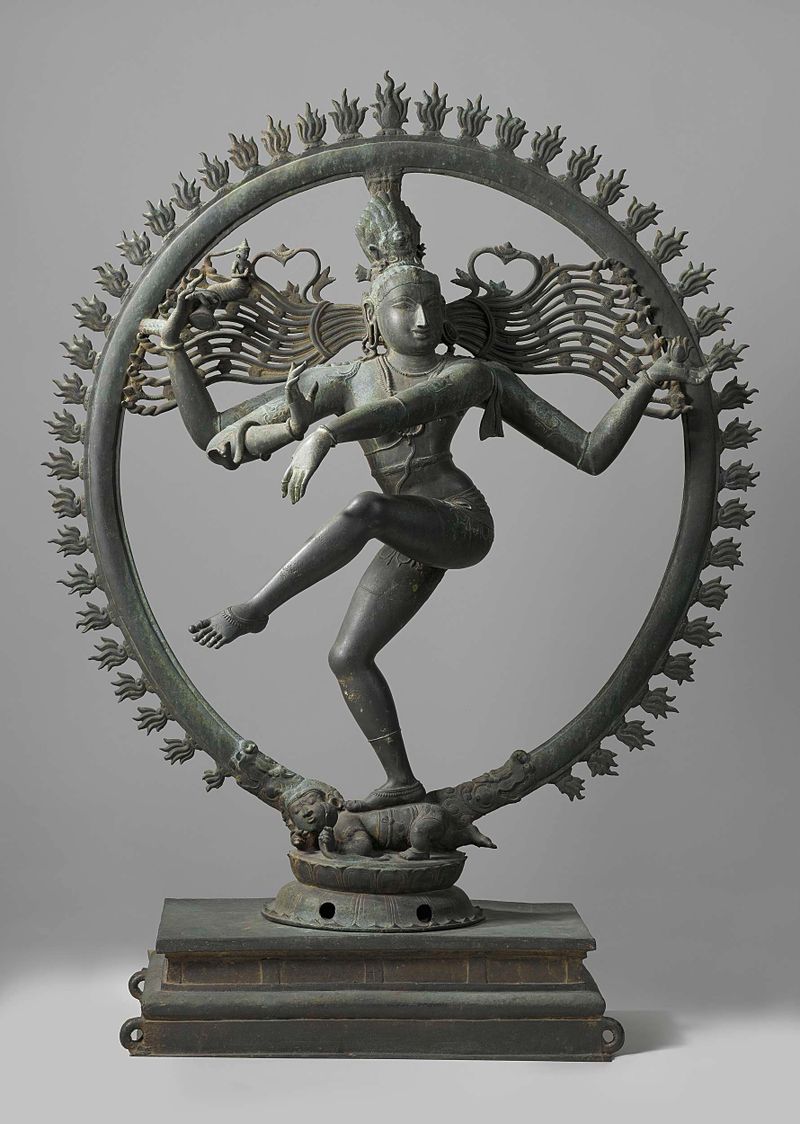
Shiva Nataraja
Unknown Artist
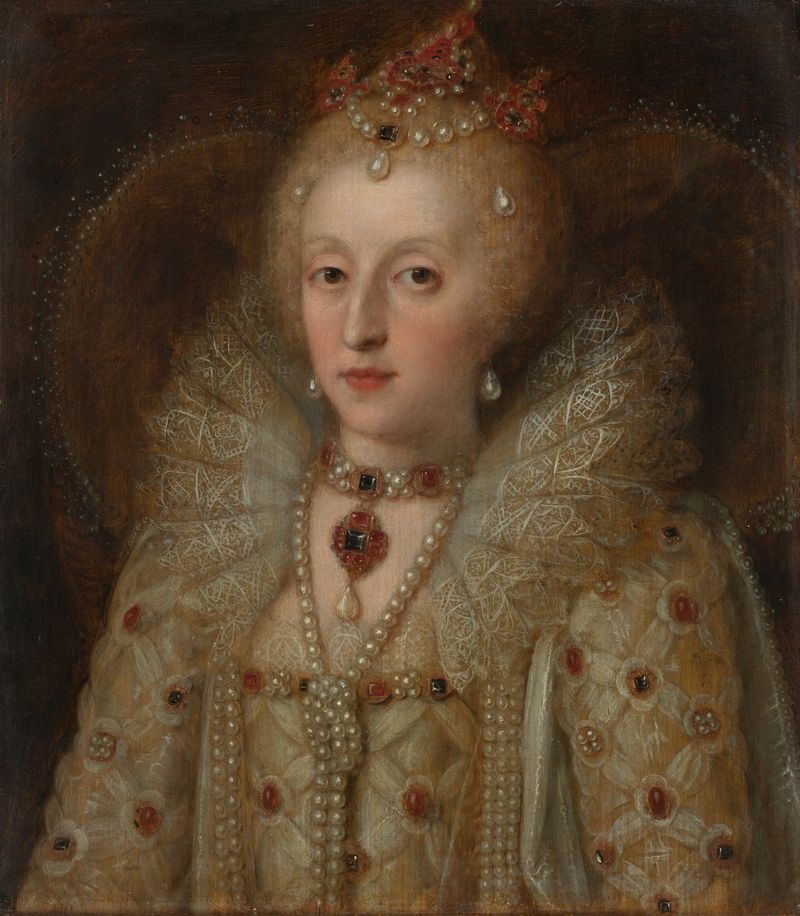
Portrait of Elizabeth I, Queen of England
Unknown Artist
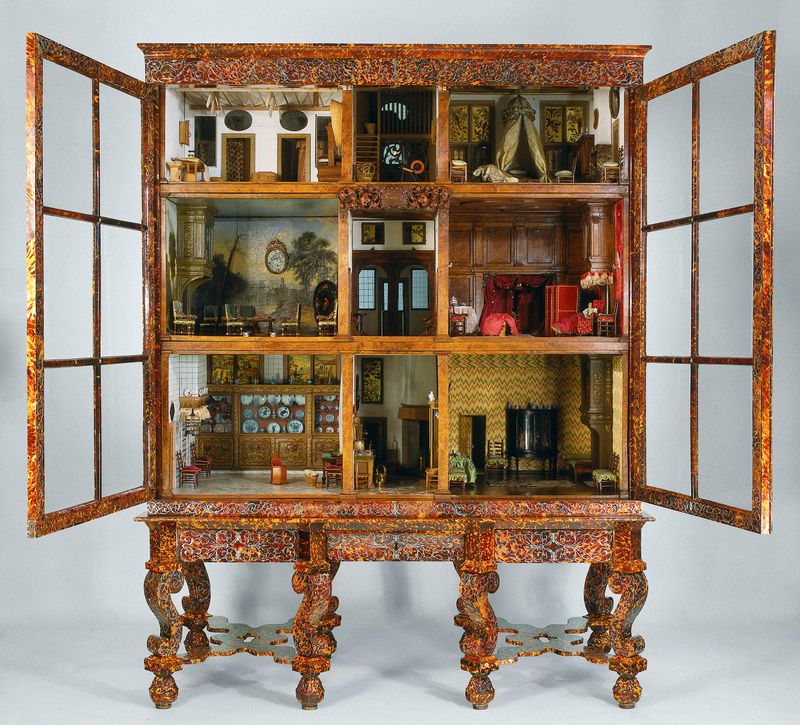
Dolls’ house of Petronella Oortman
Unknown Artist
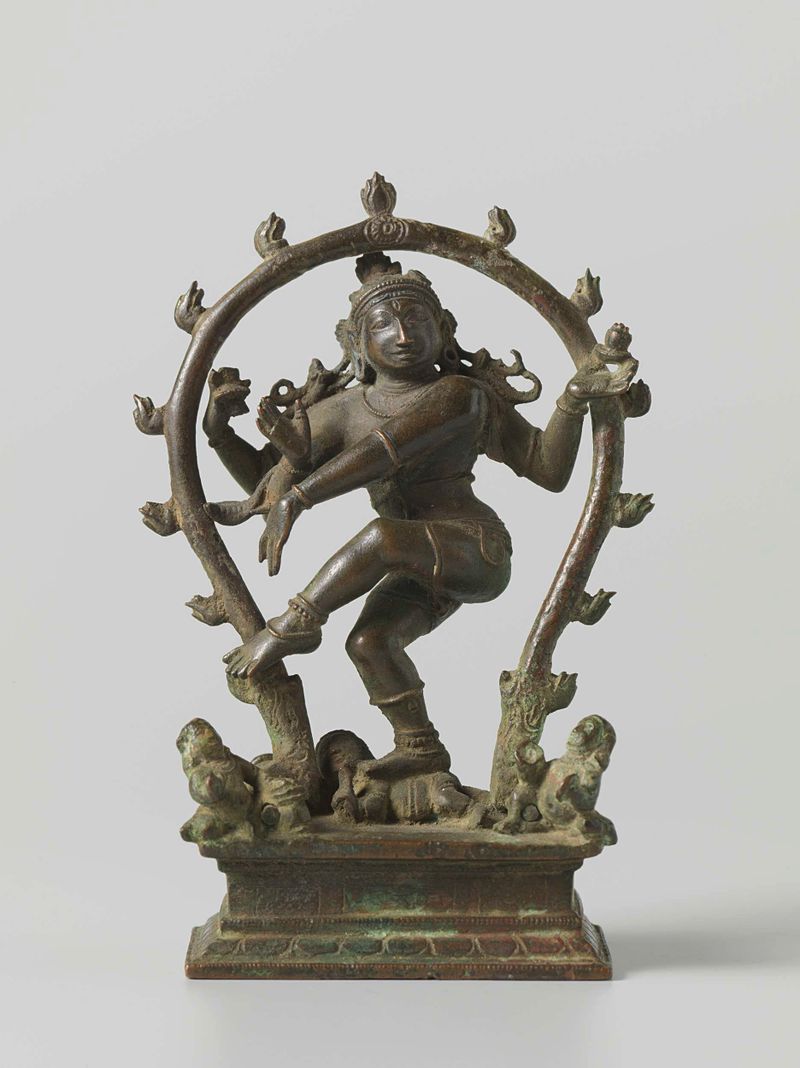
Shiva Nataraja
Unknown Artist

The Tale of Genji
Unknown Artist

The Tale of Genji
Unknown Artist
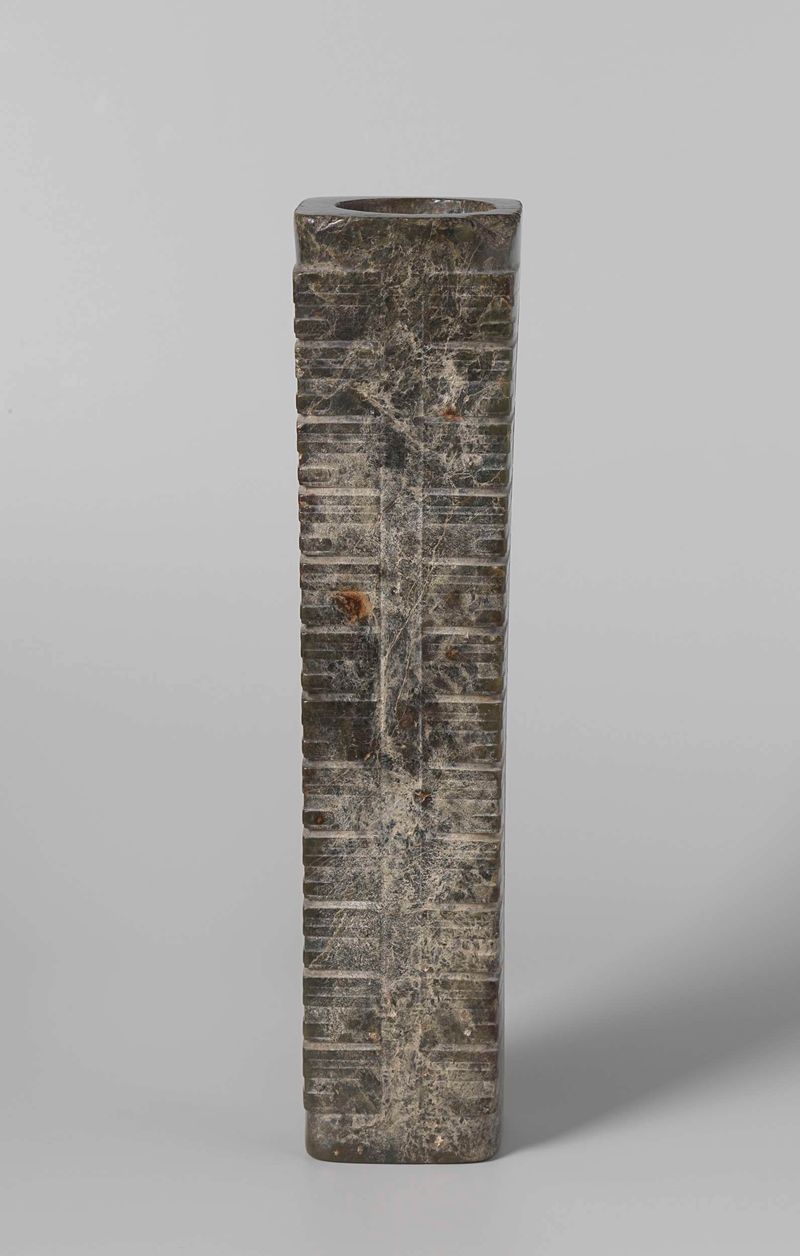
Cong
Unknown Artist
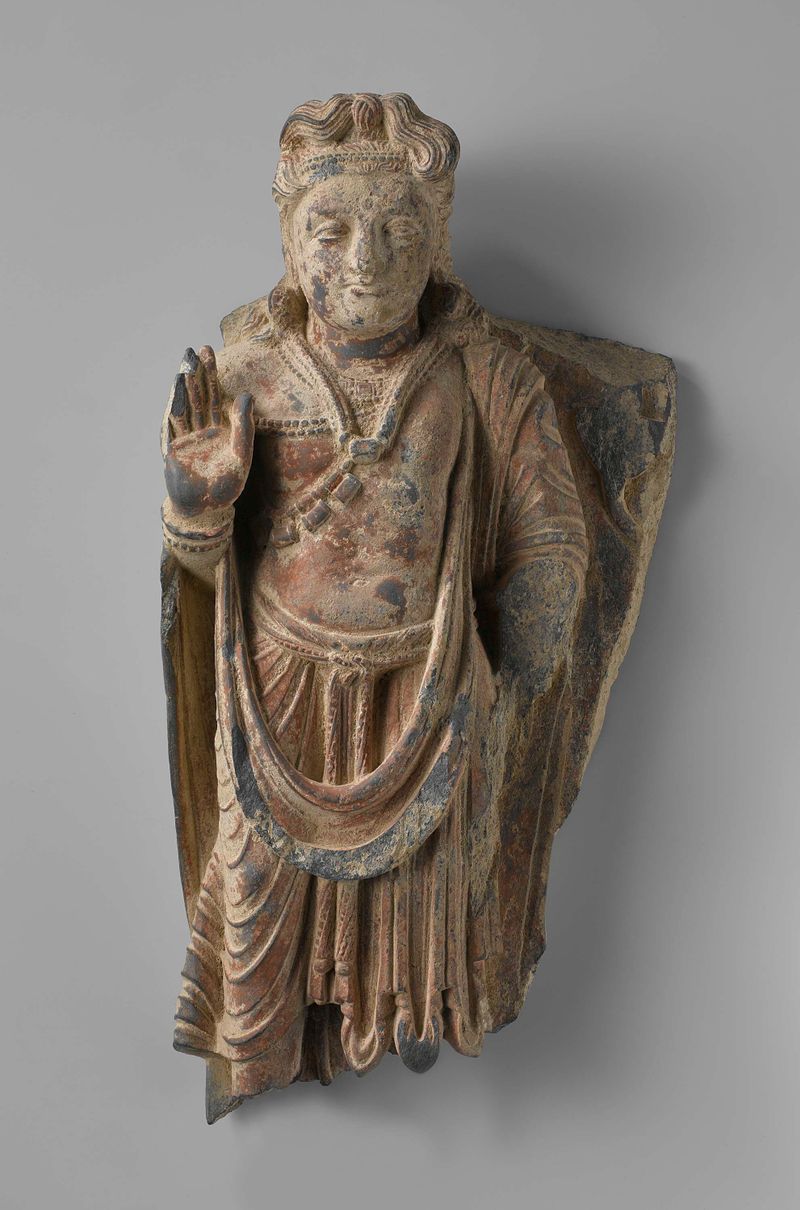
The bodhisattva Maitreya
Unknown Artist
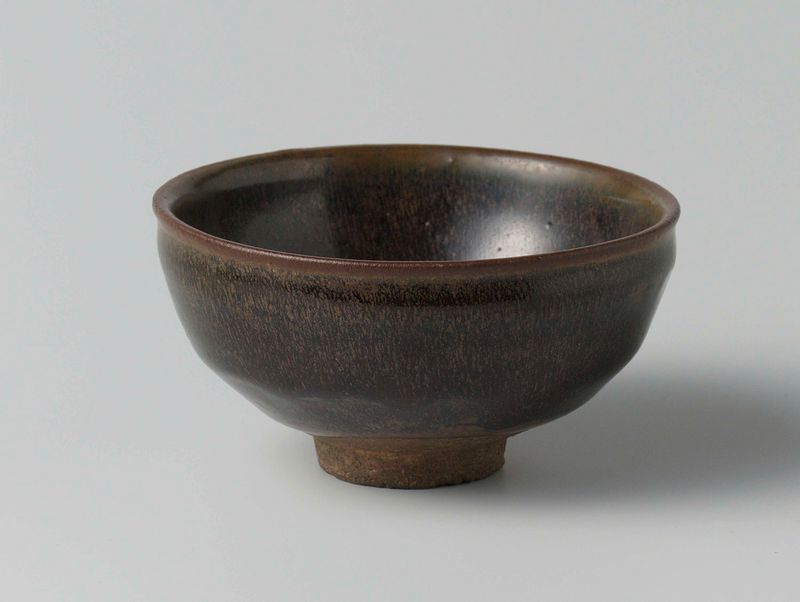
Teabowl with a 'hare's fur' glaze
Unknown Artist