
Half Dome, Yosemite — History & Facts
Could beauty survive in a century of chaos? The silence captured in this vivid landscape invites reflection and reverence, as if nature itself holds its breath. Look to the foreground, where rugged boulders anchor the composition, their textured surfaces a testament to time and resilience. The majestic Half Dome rises in the background, bathed in the soft golden light of sunset, harmoniously juxtaposed against a sky tinged with soft pastels. Notice how the gentle gradients of blue and pink merge, creating an ethereal atmosphere that envelops the viewer, while the delicate brushstrokes evoke a sense of movement in the tranquil air. Hidden within this serene vista lies a profound tension between the permanence of the natural world and the ephemeral nature of human existence.
The contrasting elements of the solid granite and the fragile, fading light suggest a message about the endurance of beauty amidst the inevitable passage of time. The stillness of this moment emanates a quiet strength, urging us to pause and consider our place within the vastness of nature. William Keith painted Half Dome, Yosemite in 1881, during a period marked by the growing appreciation for the American landscape as a subject worthy of artistic exploration. Living in California, he was influenced by the transcendentalist movement, seeking to express the spiritual connection between humanity and nature.
At that time, the United States was grappling with rapid industrialization, making the serenity depicted in this work all the more poignant.
More Artworks by William Keith
Browse all →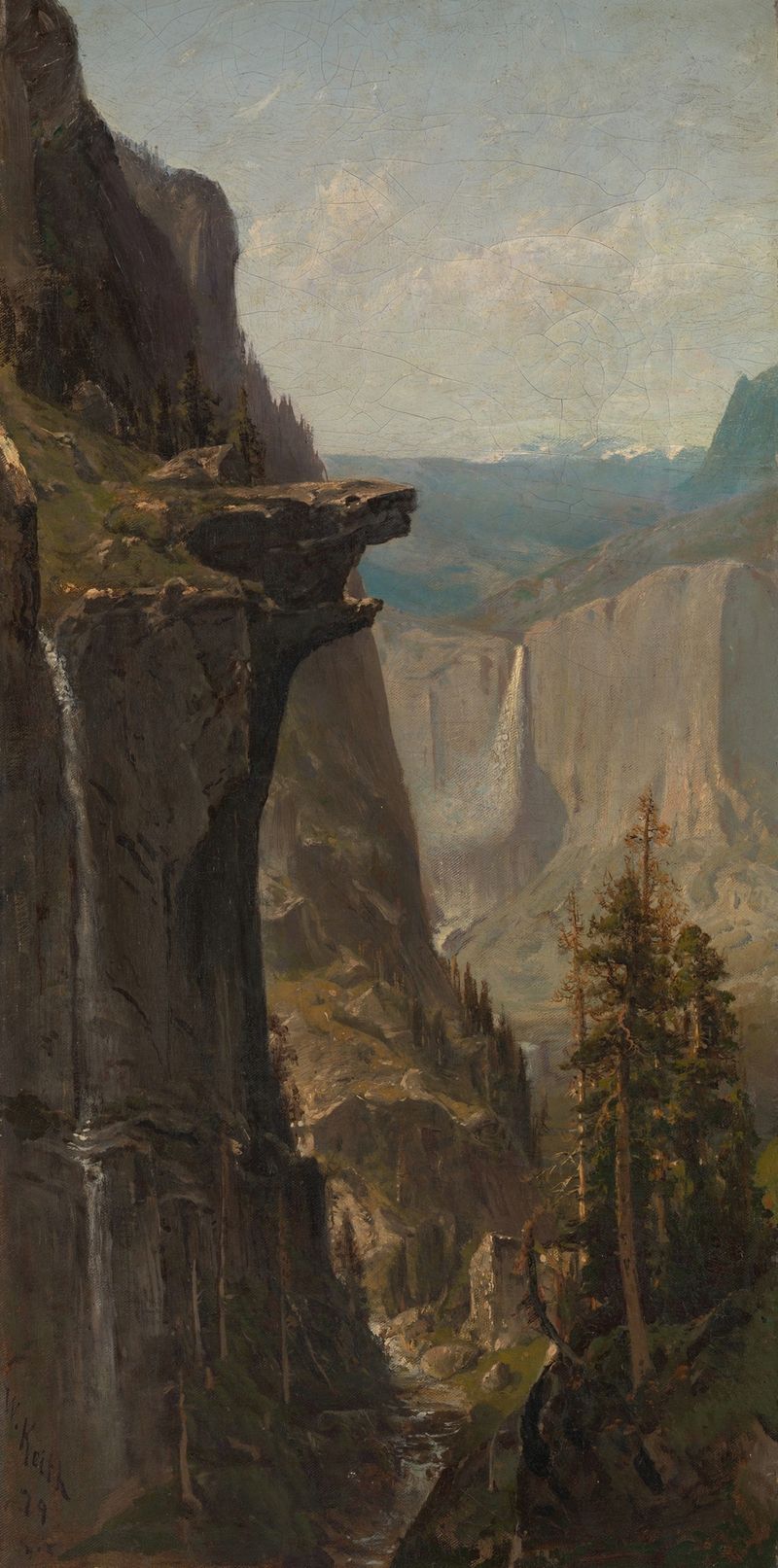
Yosemite Falls, from Glacier Point
William Keith
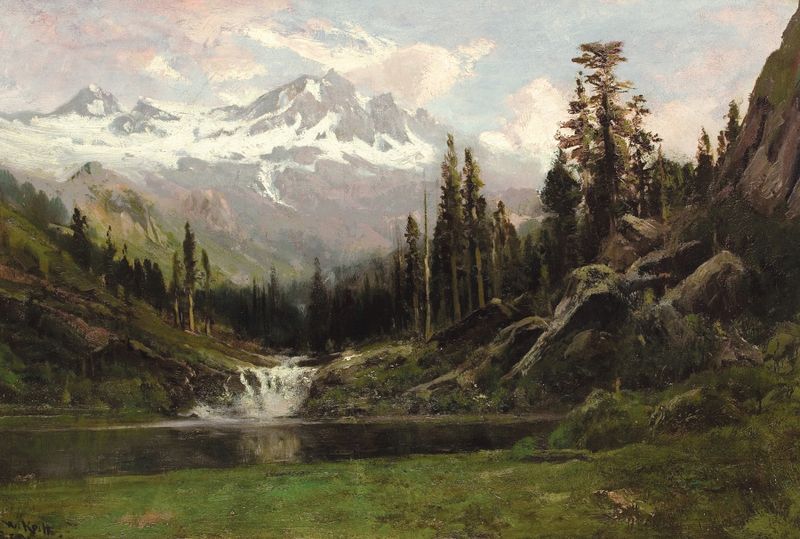
View of Mount Shasta
William Keith
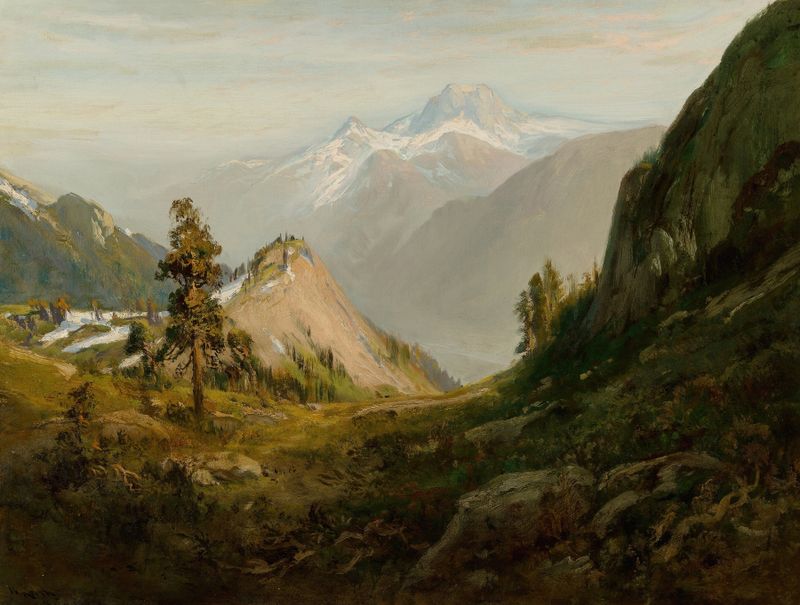
Where Gold was Found in California
William Keith

Mount Tamalpais from the North West
William Keith

Yosemite Valley
William Keith
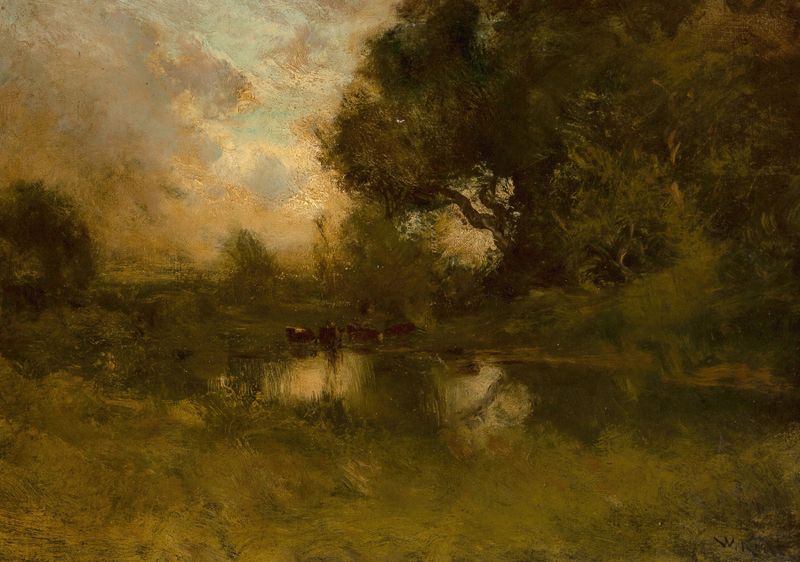
Napa Creek
William Keith
Path through California oaks
William Keith

Landscape
William Keith

Landscape Painting
William Keith
Mount Hood from the Banks of Little Sandy River
William Keith





