
Napa Creek — History & Facts
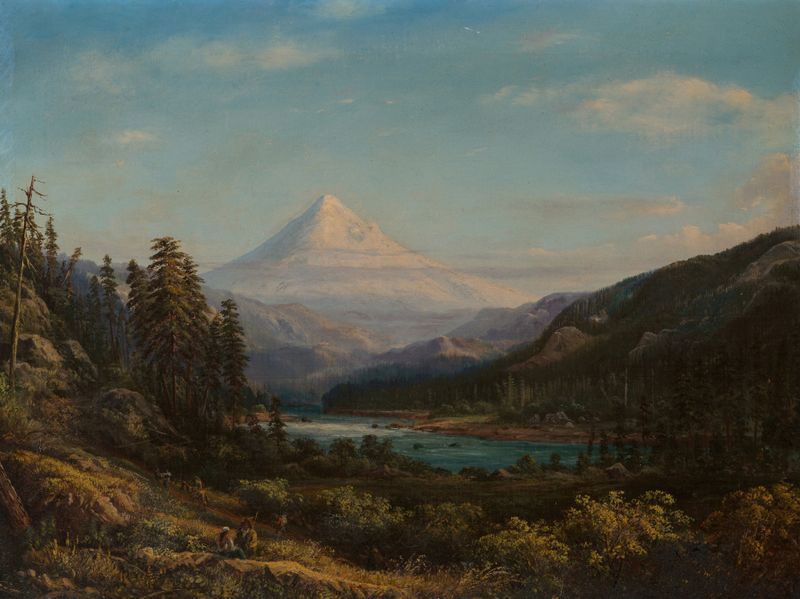
Who listens when art speaks of silence? In the depths of a rural landscape, the void stretches, echoing an unspoken dialogue between nature and the viewer. Look to the foreground, where the gentle curve of Napa Creek whispers against the rugged stones, the water reflecting a soft interplay of greens and browns. Notice how the light falls upon the trees, casting dappled patterns that dance upon the creek's surface, inviting your gaze deeper into the tranquility. The composition, balanced yet unhurried, draws you toward the horizon, where earth meets sky in a gentle embrace, hinting at a world beyond the canvas. Subtle contrasts emerge in the interplay of shadow and light, evoking a sense of solitude amidst the vibrant life.
The silent flow of the creek suggests a passage of time, while the surrounding foliage stands in stillness, echoing the emotional weight of the moment. Here, the artist captures a profound stillness, inviting contemplation on the void that exists between the sounds of nature and the quiet within ourselves. William Keith created this piece during a time of personal exploration, transcending the conventional confines of landscape painting. Working primarily in California in the late 19th century, he was influenced by the evolving American art scene, which began to embrace the unique beauty of the West.
His focus on light and atmosphere in Napa Creek marks a significant departure from traditional landscape depictions, reflecting a deep connection to the environment and his own internal landscape.
More Artworks by William Keith
Browse all →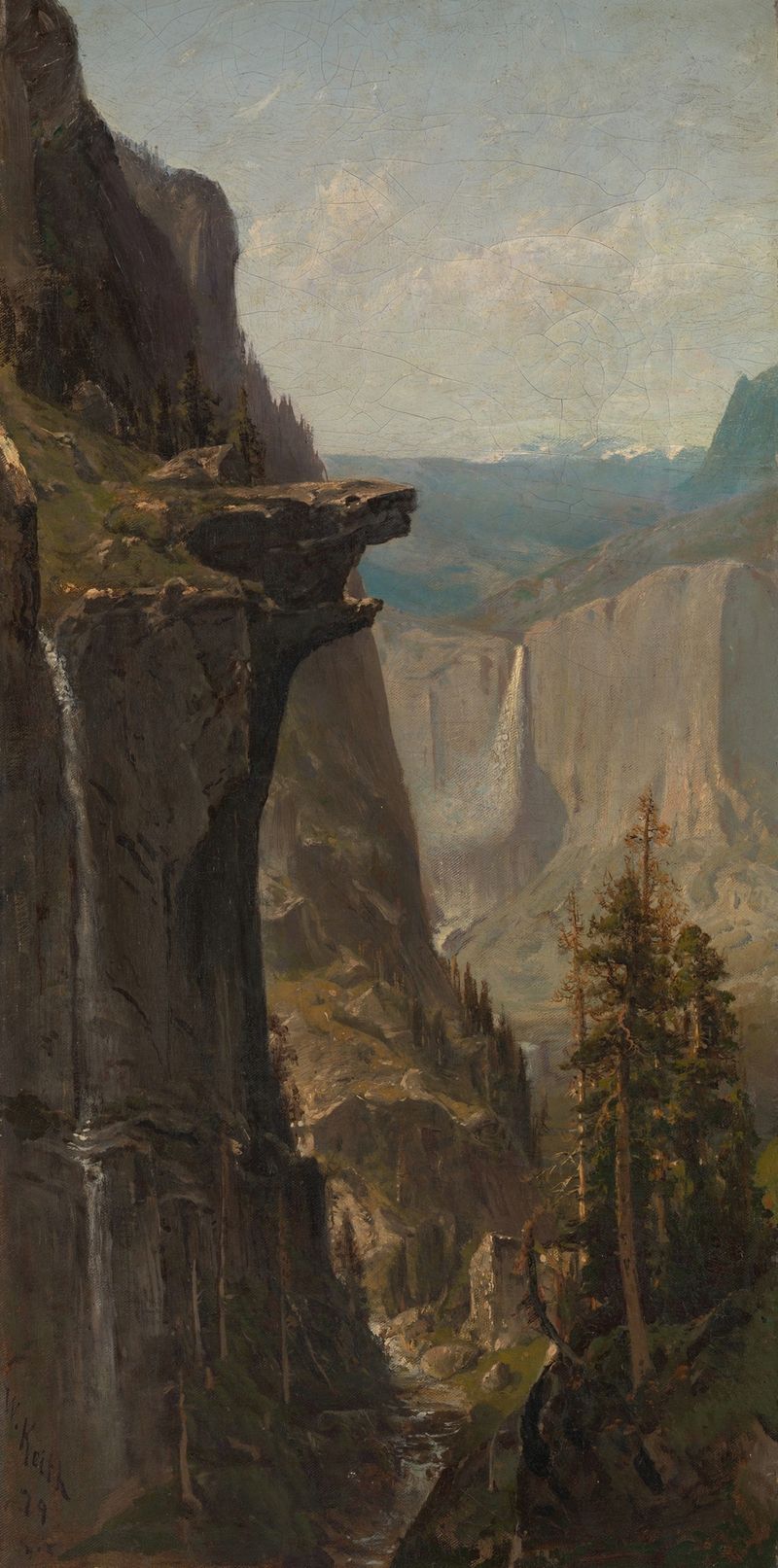
Yosemite Falls, from Glacier Point
William Keith

Half Dome, Yosemite
William Keith
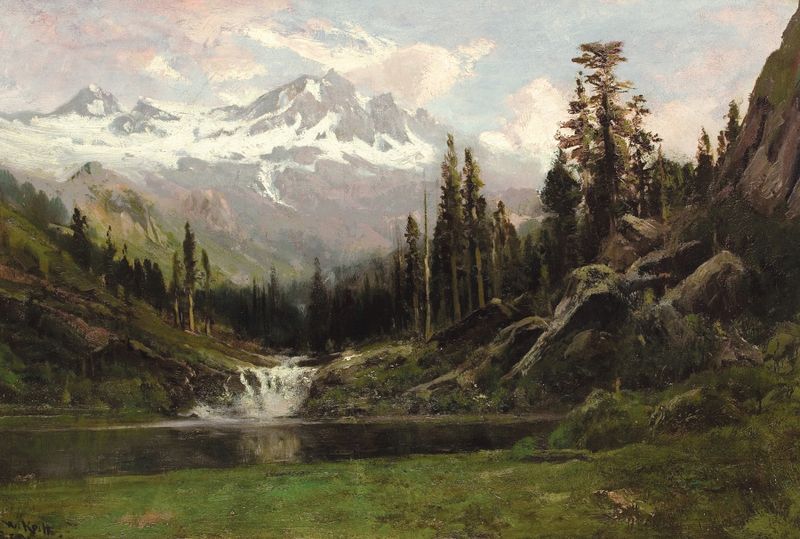
View of Mount Shasta
William Keith
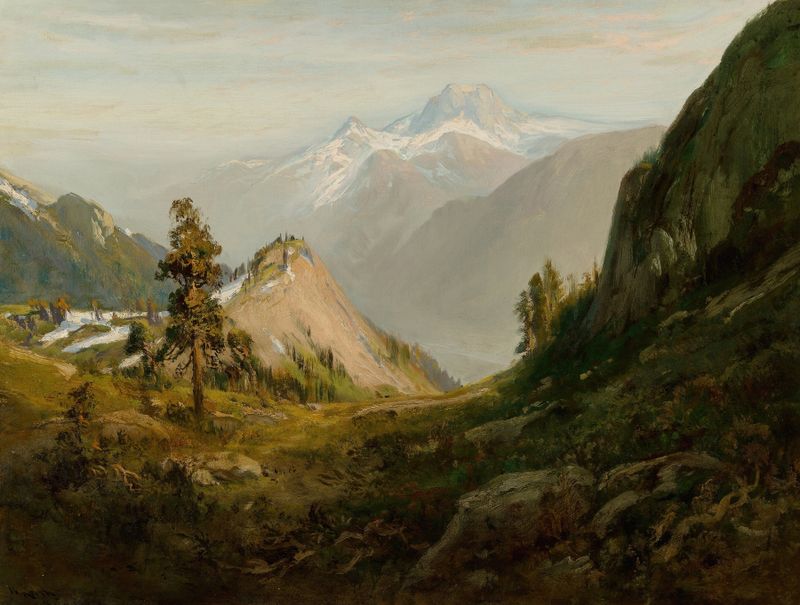
Where Gold was Found in California
William Keith

Mount Tamalpais from the North West
William Keith

Yosemite Valley
William Keith
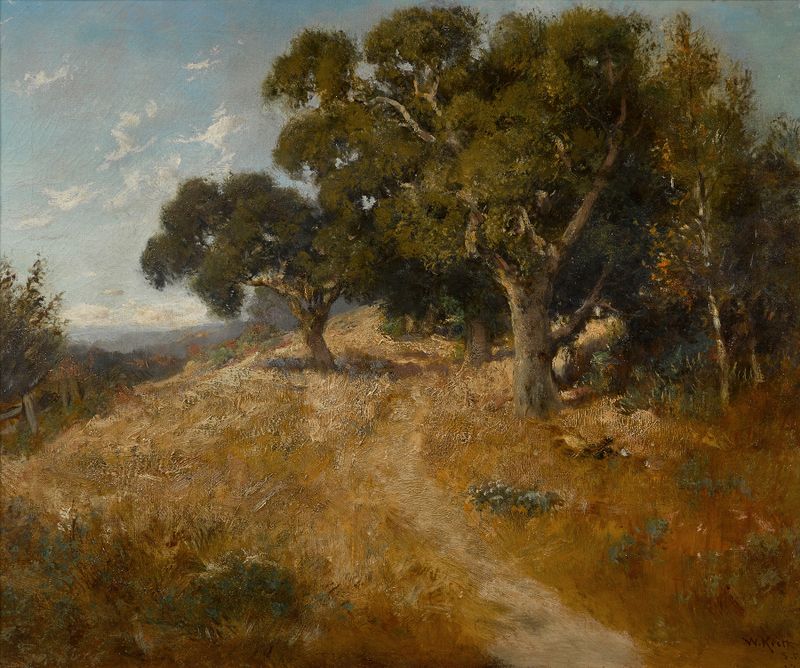
Path through California oaks
William Keith

Landscape
William Keith

Landscape Painting
William Keith
Mount Hood from the Banks of Little Sandy River
William Keith





