
Landscape Painting — History & Facts
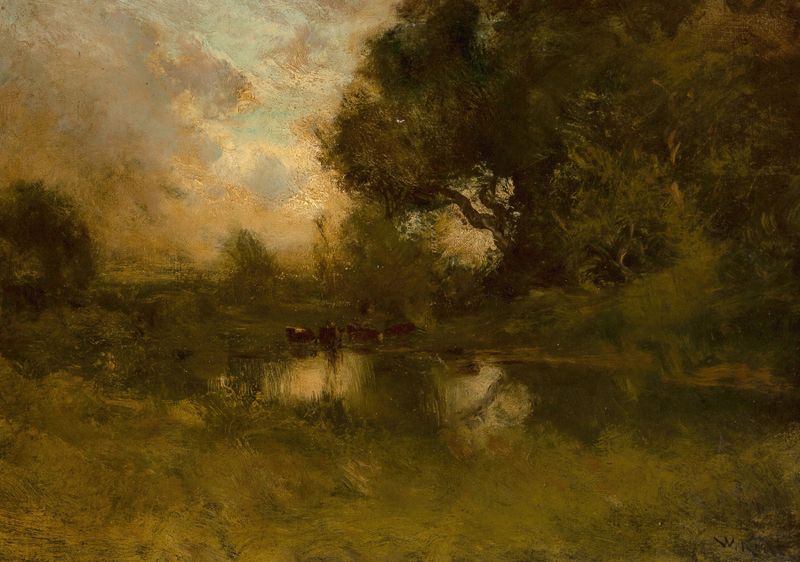
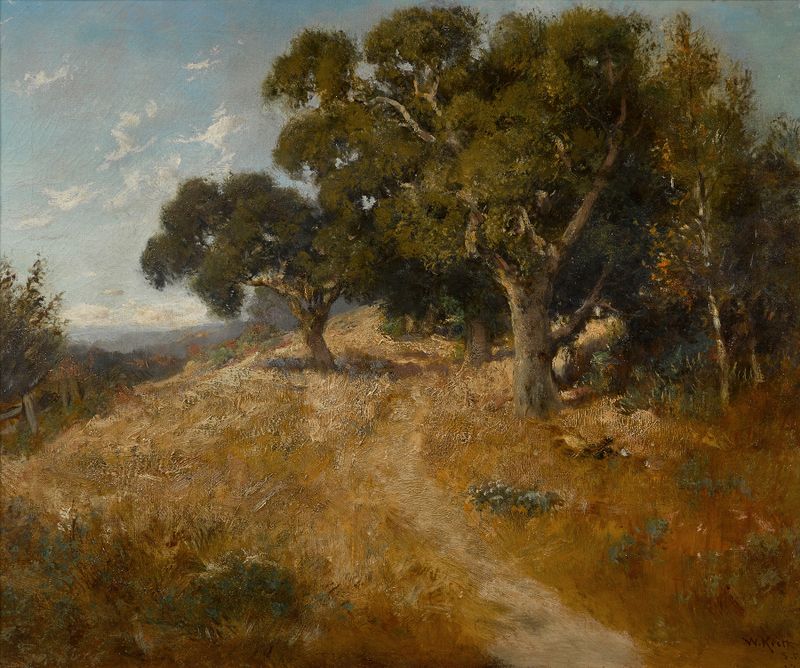
What secret hides in the quiet of the canvas? In Landscape Painting, William Keith invites the viewer to discover the profound revelations nestled within nature’s serene embrace. Look to the horizon where soft, rolling hills meet a sky brushed with gentle hues of twilight. The meticulous layering of paint creates a textured depth that pulls you in, inviting contemplation. Notice how the interplay of light and shadow dances across the landscape, illuminating patches of grass while casting others into subtle obscurity, evoking the fleeting nature of time itself.
Each stroke seems deliberate, capturing the essence of the moment with a quiet intensity that resonates deeply. Beneath the tranquil facade lies a subtle tension, a juxtaposition of vastness and intimacy. The expansive sky suggests endless possibilities, while the sturdy trees offer a sense of permanence and stability. This duality speaks to the artist's understanding of nature as both a refuge and a reminder of life's transience.
The use of color, with soft earth tones and vibrant, yet muted sky shades, creates an emotional palette that reflects the artist's contemplation of beauty and impermanence. William Keith painted this work between 1868 and 1900, a period marked by significant shifts in the art world as the Hudson River School's influence waned and Impressionism began to emerge. During this time, Keith was inspired by the California landscape, striving to capture its unique beauty while also grappling with the expectations of traditional landscape painting. This piece reflects his desire to balance realism with an impressionistic touch, revealing both his artistic evolution and the changing tides of American art.
More Artworks by William Keith
Browse all →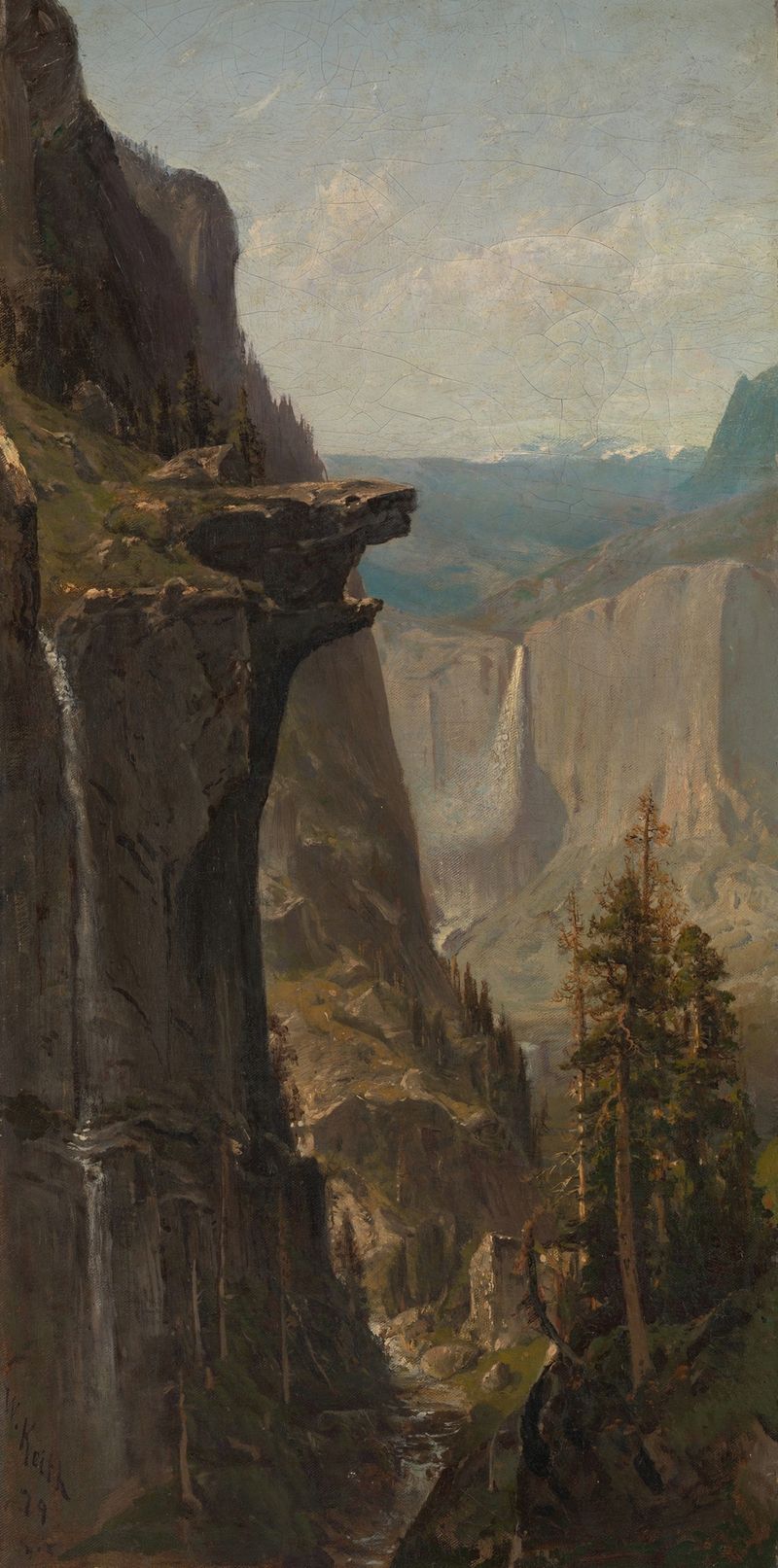
Yosemite Falls, from Glacier Point
William Keith

Half Dome, Yosemite
William Keith
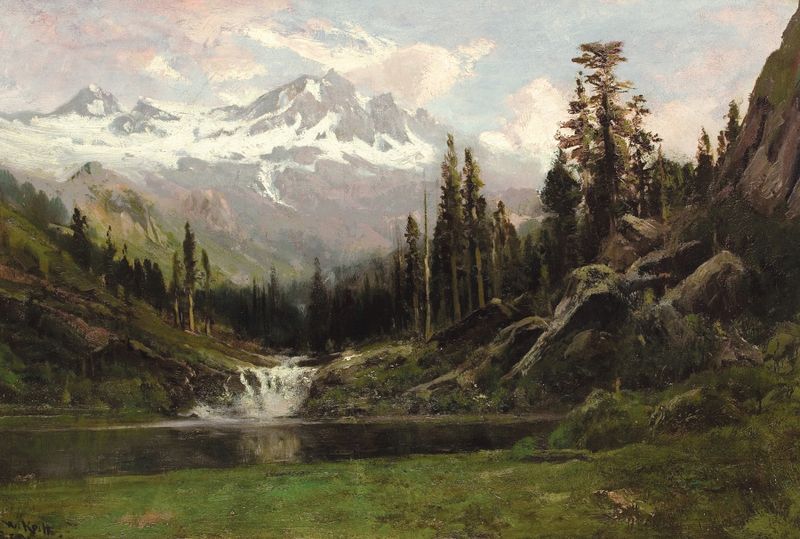
View of Mount Shasta
William Keith
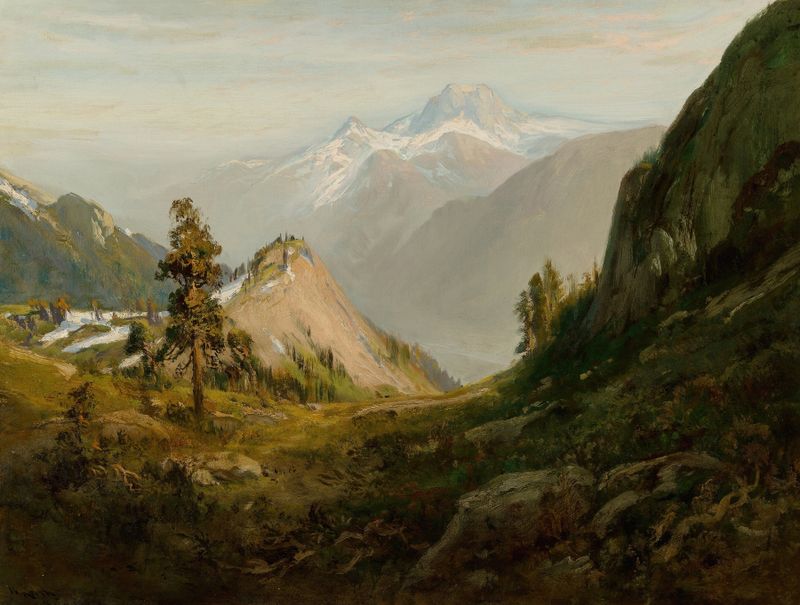
Where Gold was Found in California
William Keith

Mount Tamalpais from the North West
William Keith

Yosemite Valley
William Keith
Napa Creek
William Keith
Path through California oaks
William Keith

Landscape
William Keith
Mount Hood from the Banks of Little Sandy River
William Keith





