
Harfleur — History & Facts
This sentiment resonates deeply in the atmospheric landscape that unfolds before us, conjuring a sense of faith and longing drawn from the essence of nature itself. Look to the foreground, where muted greens and soft browns intertwine, creating a tranquil base for the scene. The distant village rises gently against the horizon, its buildings kissed by the warm glow of a setting sun. Notice how the light dances across the water, shimmering like a thread of gold, drawing your gaze toward the hazy outlines of distant hills.
The brushwork displays the artist’s adeptness, with subtle strokes that echo the whispers of wind and water. Beneath this serene surface, a tension brews. The contrasting vibrancy of the sky hints at a storm approaching, suggesting the duality of beauty and turmoil. The village, though idyllic, seems isolated, creating a poignant reflection on solitude and resilience.
Within the rhythmic patterns of the clouds and the languid curve of the river lies an invitation to contemplate the relationship between faith and the natural world, as if the landscape itself is both a sanctuary and an enigmatic puzzle. In 1903, the artist found himself deeply inspired by the landscapes of Scotland, capturing the essence of Harfleur during a time when his personal battles with health and artistic identity shaped his work. Amidst a backdrop of post-impressionism in the art world, he embraced a desire to illustrate the sublime beauty of the everyday, exploring the interplay of light and shadow as a means to convey emotional depth.
More Artworks by David Young Cameron
Browse all →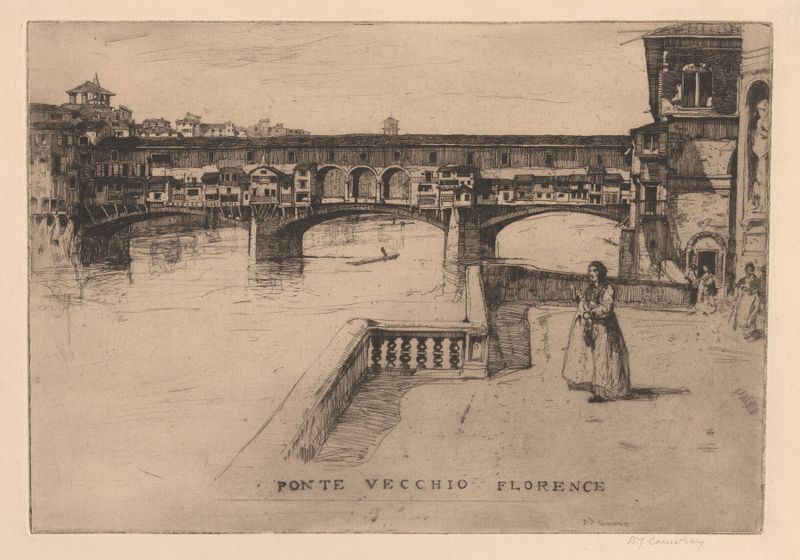
Ponte Vecchio
David Young Cameron

The Deanery, Winchester
David Young Cameron
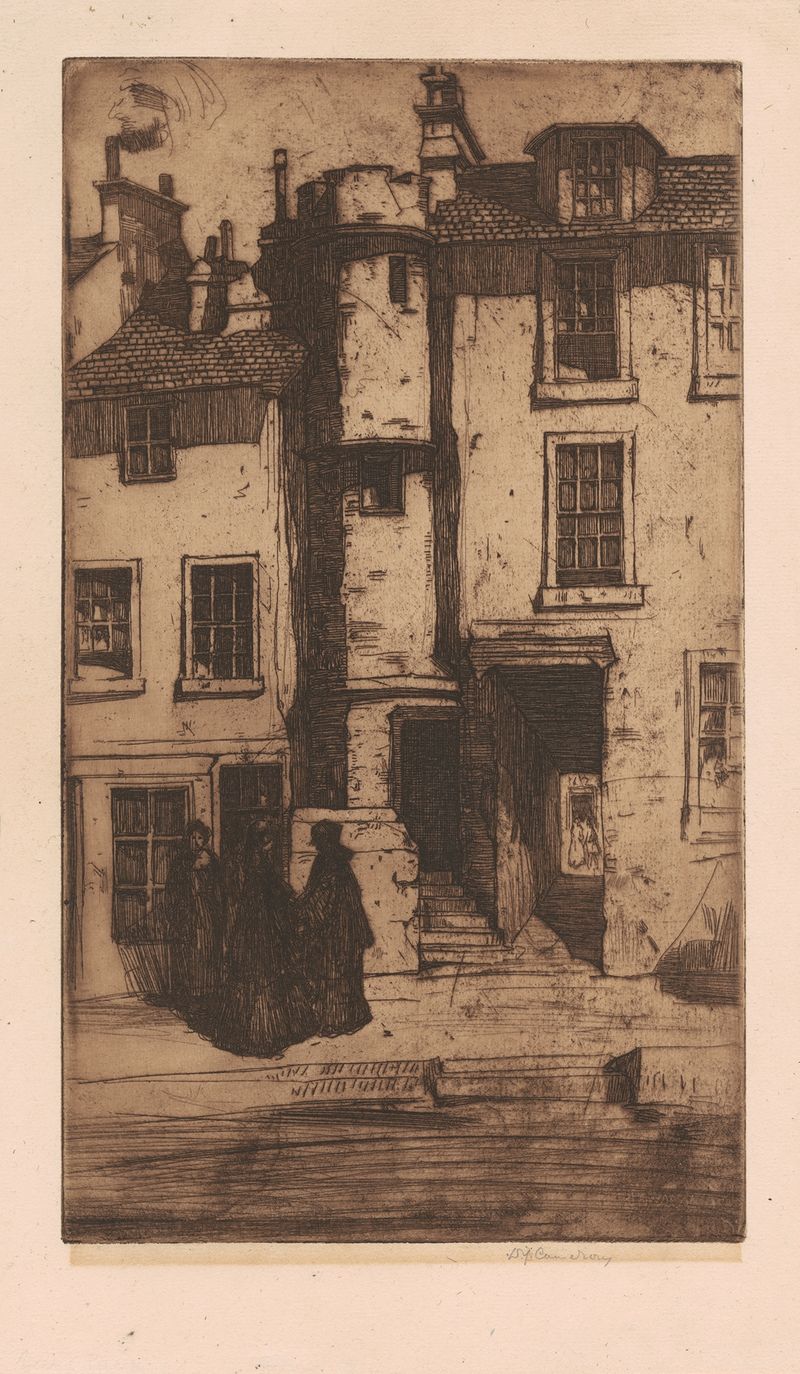
Old Houses, Stirling
David Young Cameron
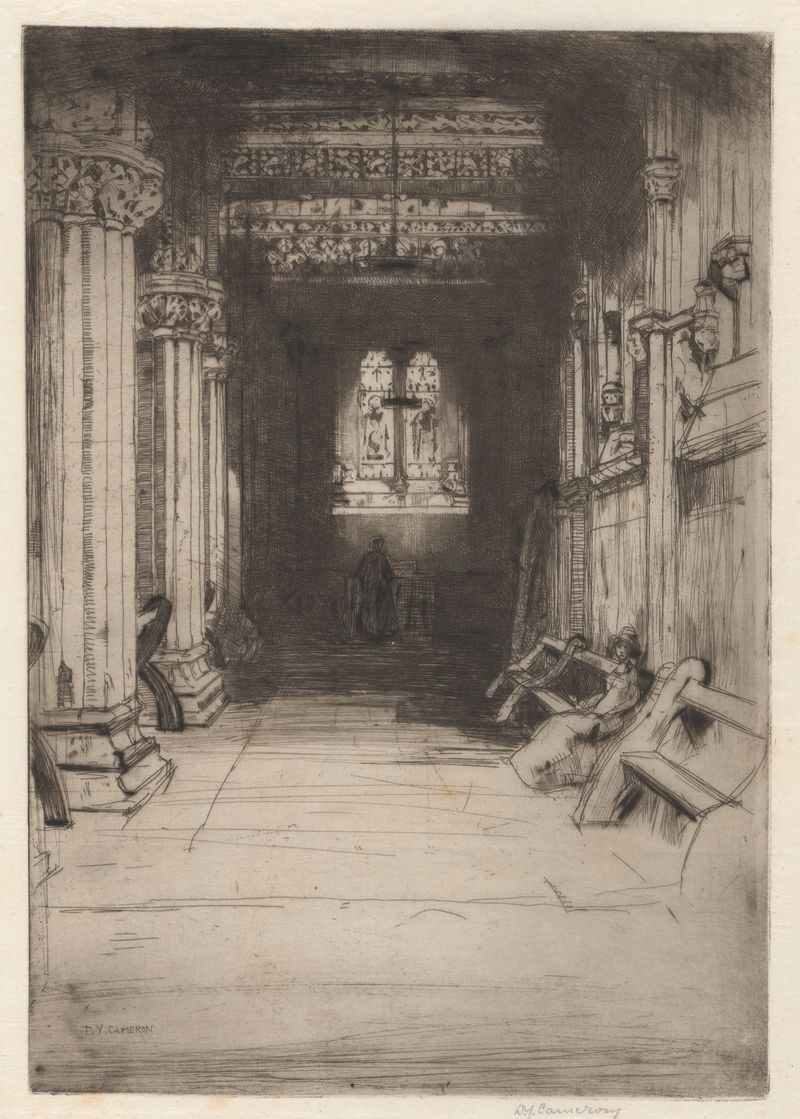
Rosslyn Chapel
David Young Cameron

The Old Museum, Beauvais
David Young Cameron
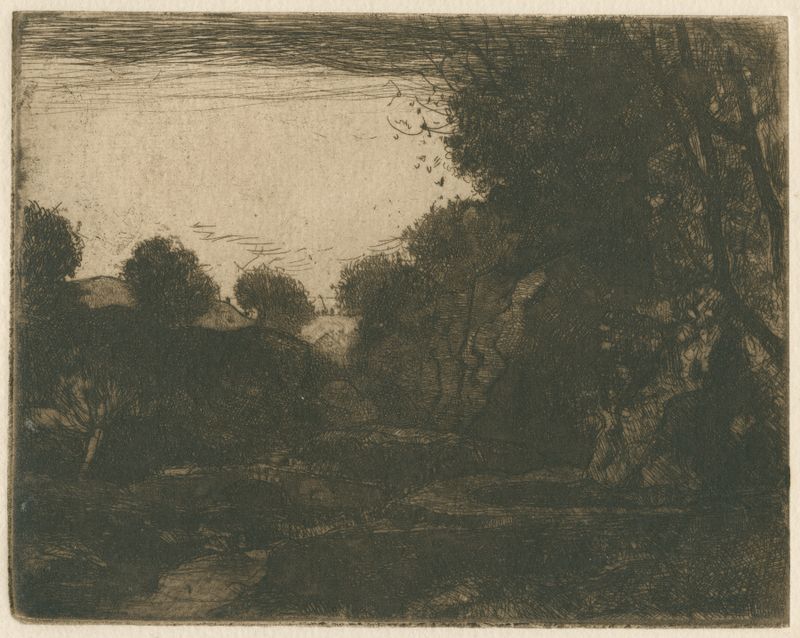
On the Bradford
David Young Cameron

The Smithy
David Young Cameron
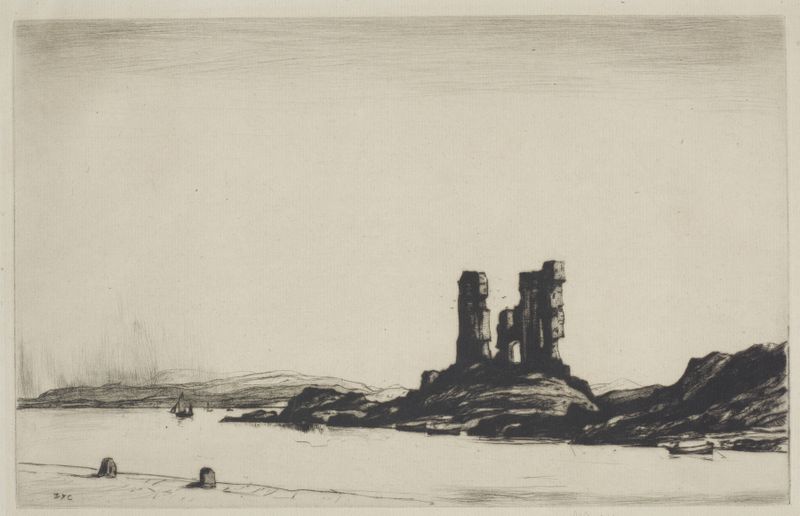
Castle Moyle
David Young Cameron
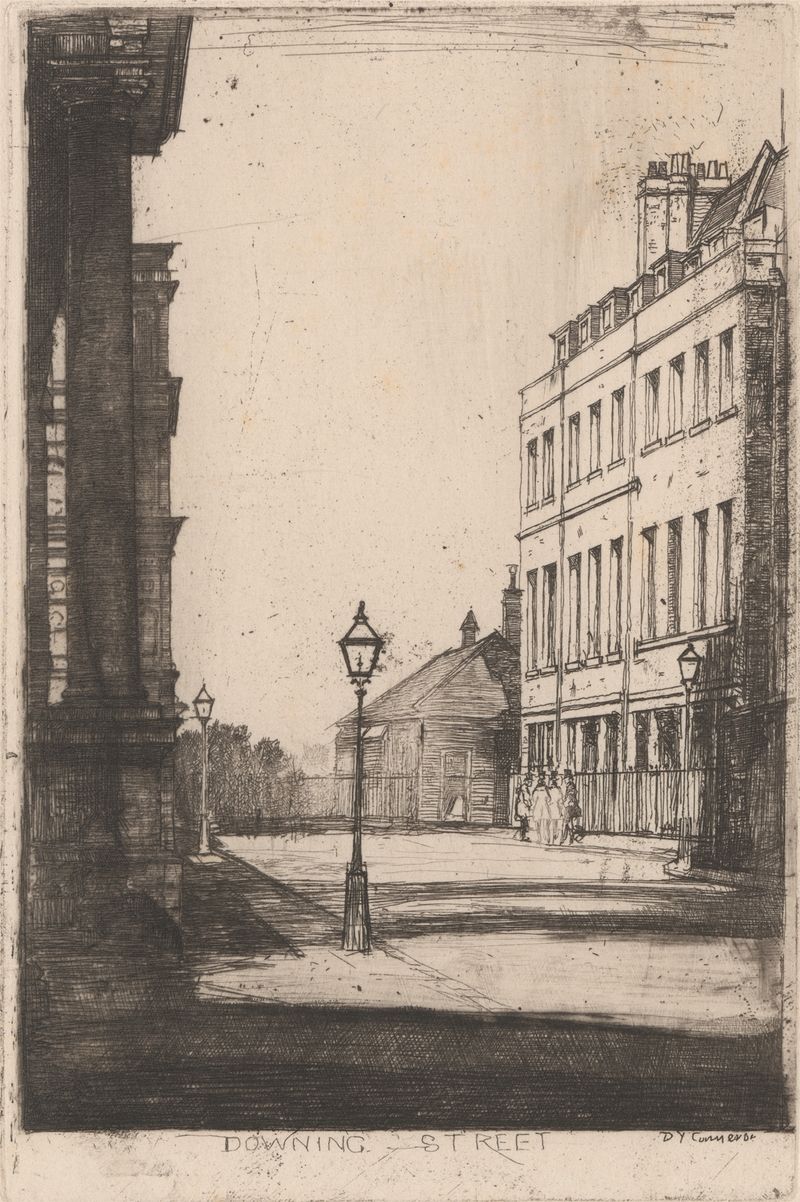
Downing Street
David Young Cameron

Glasgow Cathedral
David Young Cameron





