Haymaking on the coast — History & Facts
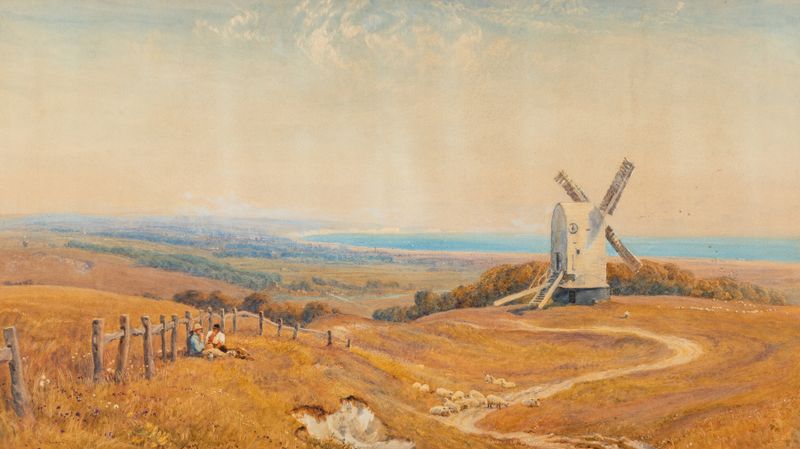
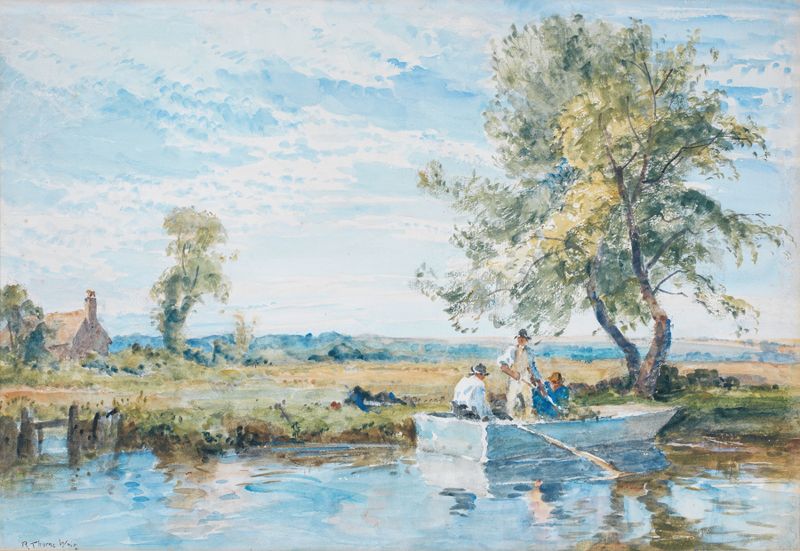
Who listens when art speaks of silence? A stillness envelops the fields, where the act of haymaking transforms the landscape into a realm of quiet labor and timelessness. Look to the center of the canvas, where laborers bend with grace, their forms silhouetted against the golden hue of late afternoon light. The vibrant greens and earthy browns surround them, each stroke emphasizing the rhythm of their movements. Notice how the artist captures the gentle sway of blades and grasses, revealing a symphony of texture that evokes the tactile experience of the harvest.
The sky, painted with soft pastels, hints at a day nearing its end, infusing the scene with a reflective calm. Beneath the surface of this pastoral tableau lies a deeper commentary on the cycle of life and labor. The figures, though engaged in their task, exist in a moment of stillness—caught between the past and future harvests, echoing the transient nature of existence. The play of light and shadow becomes a metaphor for transformation, as the landscape shifts from wildness to cultivation, mirroring humanity's profound connection to the earth and their labor. During an unspecified period, Robert Thorne Waite created this work, likely drawing inspiration from his experiences in rural settings.
At that time, artists were increasingly exploring themes of nature and labor, reflecting broader shifts toward modernity and the preservation of agrarian traditions. This painting stands as a testament to the enduring beauty of work and the subtle transformations it entails in both art and life.