
Head of a Court Lady — History & Facts
This sentiment resonates deeply within the Head of a Court Lady, where the interplay of hues whispers secrets of transcendence and grace. Focus first on the delicate features of the lady's face, where the soft brushstrokes convey both vulnerability and strength. Notice how the artist skillfully captures her serene expression, framed by intricate hairstyles adorned with delicate ornaments. The muted palette, with its subtle earth tones and soft pastels, creates an ethereal quality, inviting viewers to lose themselves in her gaze. Yet, beneath the surface of this elegant visage lies a rich tapestry of meaning.
The court lady, draped in luxurious fabrics, embodies the expectations and constraints of her status, presenting a façade of tranquility while hinting at an inner life of complexity. Her slight smile belies the tension of her reality—one of both privilege and confinement. The contrast between the intricate details of her attire and the simplicity of her expression speaks to the duality of existence in the courtly realm. This painting emerged in 16th century East Asia, a time when the representation of women in art was evolving alongside shifting social dynamics.
The artist, though unidentified, likely navigated the intricate interplay of cultural norms and emerging individualism in their work. This period was marked by a growing interest in portraiture, and the depiction of women became increasingly nuanced, revealing both the beauty and the burdens of their lives within society.
More Artworks by Unidentified artist
Browse all →
Self-portrait with a Bandaged Ear and Pipe
Unidentified artist

Feast in the House of Levi
Unidentified artist
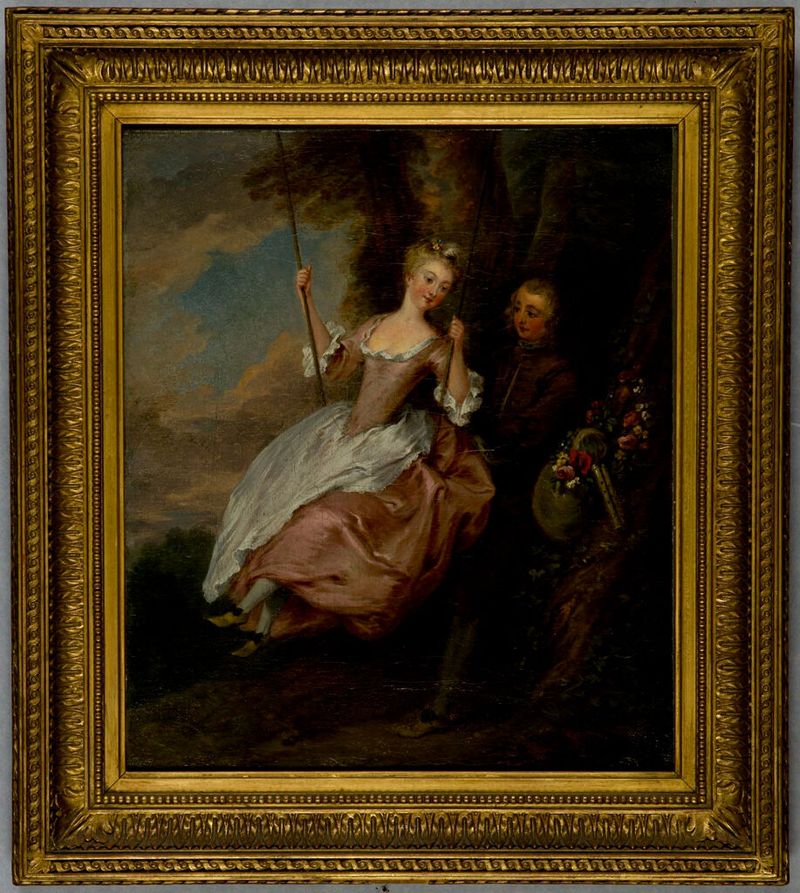
The Swing
Unidentified artist

Geoffrey Chaucer (1340?-1400)
Unidentified artist

Portrait of Michelangelo after the "Strozzi" original in the Uffizi Gallery
Unidentified artist
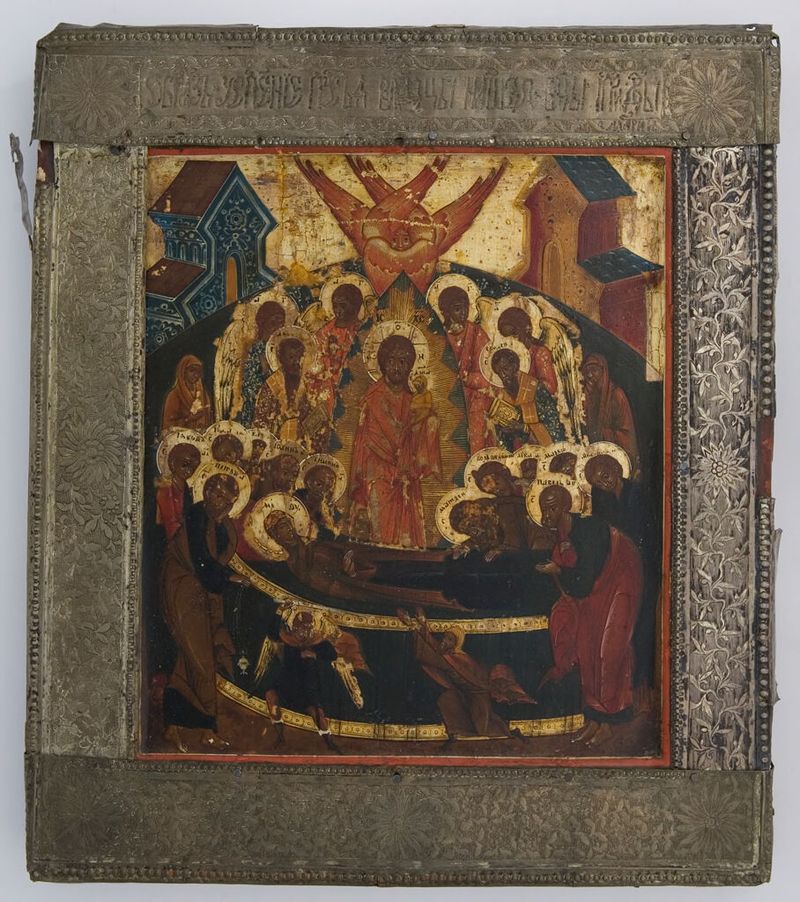
Dormition of the Virgin
Unidentified artist

Charles I (after a van Dyck painting in the Staatliche Museen, Gemaldegalerie, Dresden)
Unidentified artist

Madonna and Child
Unidentified artist

John Winthrop, the Younger (1606-1676)
Unidentified artist

Crucifix with the Virgin and Saint John the Evangelist, Christ the Redeemer, and a Praying Woman
Unidentified artist
More Portrait Art
Browse all →
Las meninas
Diego Velázquez
Self-portrait with a Bandaged Ear and Pipe
Unidentified artist

Girl with a Pearl Earring
Johannes Vermeer

The Sampling Officials of the Amsterdam Drapers’ Guild, Known as ‘The Syndics’
Rembrandt van Rijn

The Hundred Guilder Print: the man seen on the back in the lower left corner
Rembrandt van Rijn

Portrait of Dr Gachet
Vincent van Gogh