Hedge with blackberry — History & Facts
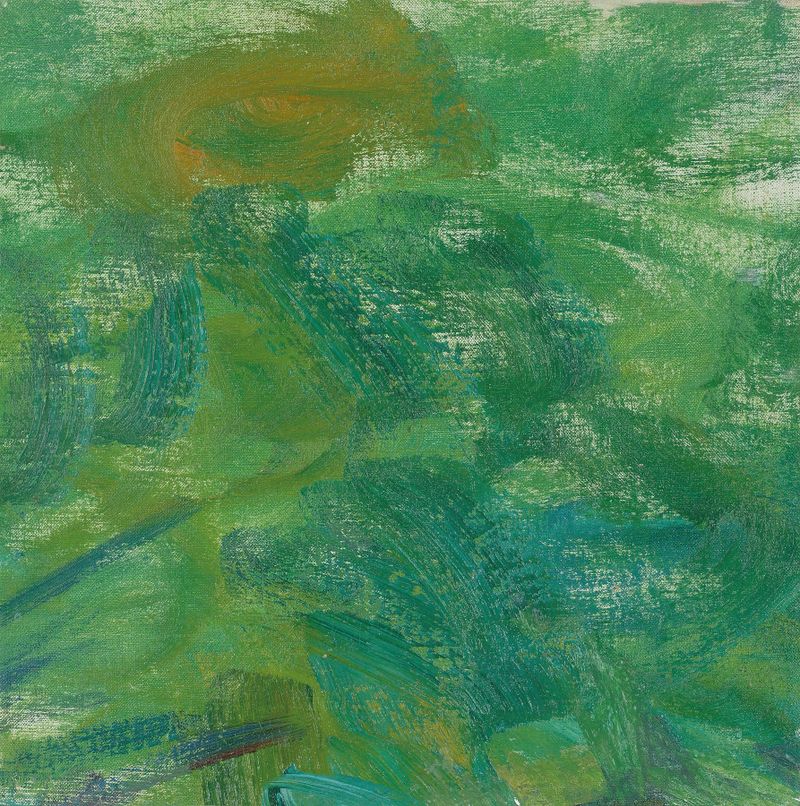
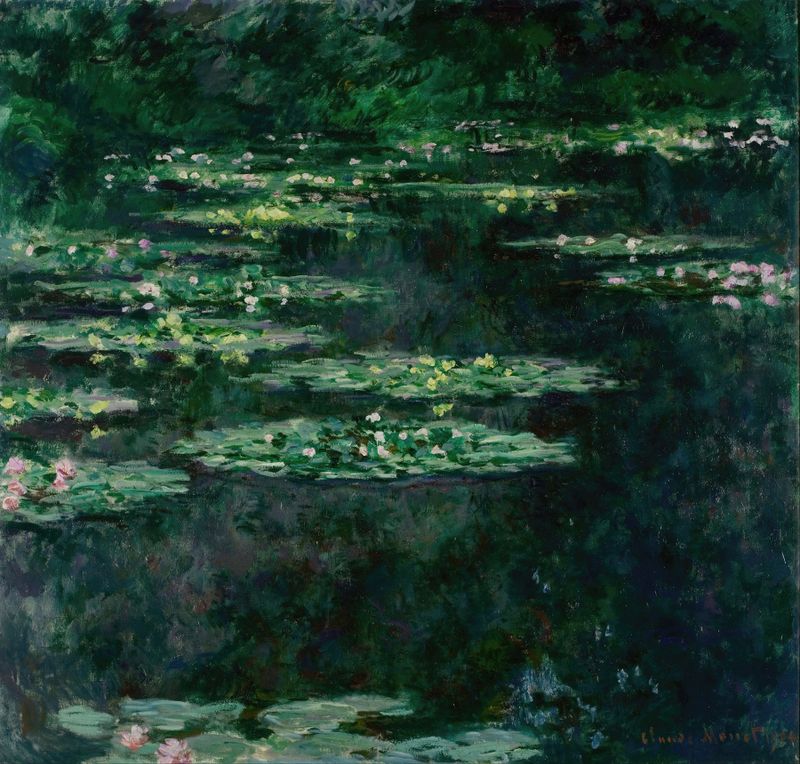
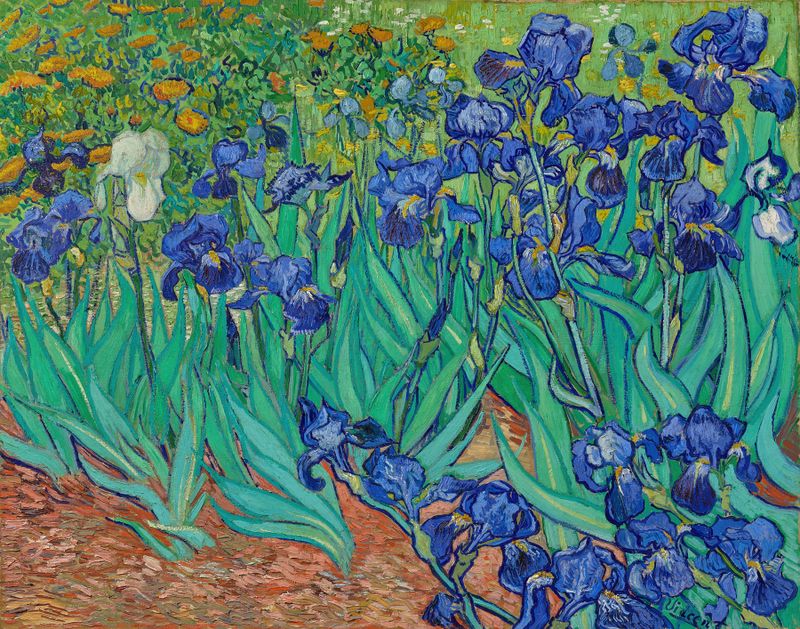
Where does light end, and longing begin? This question lingers like the fading echoes of dawn, drawing us into a realm of awakening and potential. Look closely at the interplay of light and shadow in the thick, verdant foliage. The meticulously rendered blackberries hang heavy, their deep purples contrasting against the vibrant greens around them. Notice how the brushwork invites your gaze across the canvas; the delicate details of each leaf and fruit create an almost three-dimensional depth, reinforcing the sensation of lushness that envelopes the viewer. As you immerse yourself in the painting, subtle contrasts emerge.
While the riotous abundance of nature suggests growth and vitality, there’s an underlying tension that hints at transience—ripe fruit may beckon, yet it is but a fleeting moment in the cycle of life. The tension between abundance and decay reflects a deeper emotional landscape, capturing both an invitation to indulge in nature's bounty and a reminder of its ephemerality. Painted in 1846, during a period of profound transformation in European art, the artist found himself at a crossroads. Having moved through various influences, he embraced a more intimate connection with nature in this work.
At a time when Romanticism was giving way to realism, he sought to convey the essence of the world around him, crafting a moment that feels both timeless and fleeting, much like the very light that dances upon the blackberry bush.