
Heidelandschap — History & Facts
What secret hides in the quiet of the canvas? In Heidelandschap, an expansive landscape invites contemplation, whispering tales of time and memory, urging viewers to pause and reflect. Look to the horizon where rolling hills melt into a soft, muted sky—a gentle gradient of blue and gray. The foreground, rich with textures of heather and moss, draws our gaze down to the detailed brushwork that captures the intricate blades swaying in the breeze. Vivid splashes of lavender and green contrast against the subdued palette, creating a harmonious symphony that feels both serene and alive.
Notice how the artist's careful layering of paint evokes depth, transforming a simple scene into a multilayered experience. Beneath the tranquil surface, a tension lingers—the juxtaposition of the fleeting moment and the timelessness of nature. The delicate balance between light and shadow hints at the cyclical passage of day and night, echoing themes of transience. Small details, such as the solitary figure wandering through the landscape, remind us of individual existence amid nature’s vastness, urging viewers to consider their place in the continuum of time. Willem Wenckebach painted Heidelandschap in 1893, during a period when the Dutch art world was embracing Impressionism.
Living in The Hague, he found inspiration in the surrounding countryside, capturing the ephemeral beauty of the landscape. This was a time of artistic exploration, with many artists seeking new ways to express their connection to nature and the world around them, and Wenckebach’s work reflects this evolving spirit.
More Artworks by Willem Wenckebach
Browse all →
Bakkersgang te Amsterdam
Willem Wenckebach

Oude huizen aan het Markenplein te Amsterdam
Willem Wenckebach

Oude huizen aan het Waterlooplein te Amsterdam
Willem Wenckebach
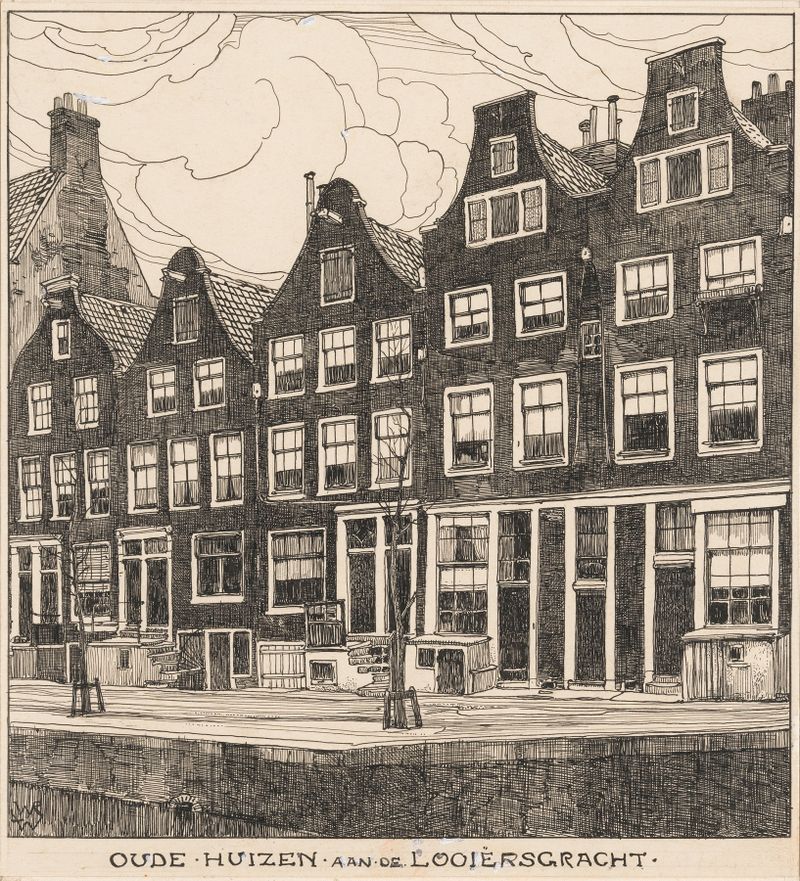
Oude huizen aan de Looiersgracht te Amsterdam
Willem Wenckebach
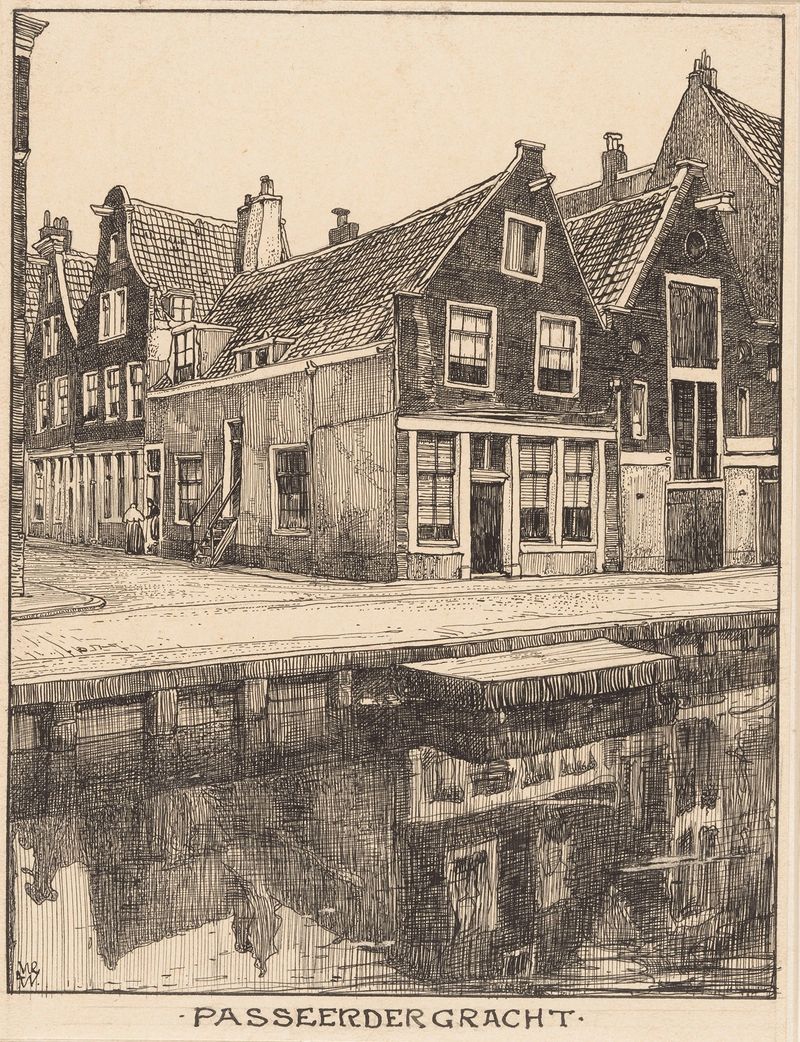
Passeerder Gracht te Amsterdam
Willem Wenckebach
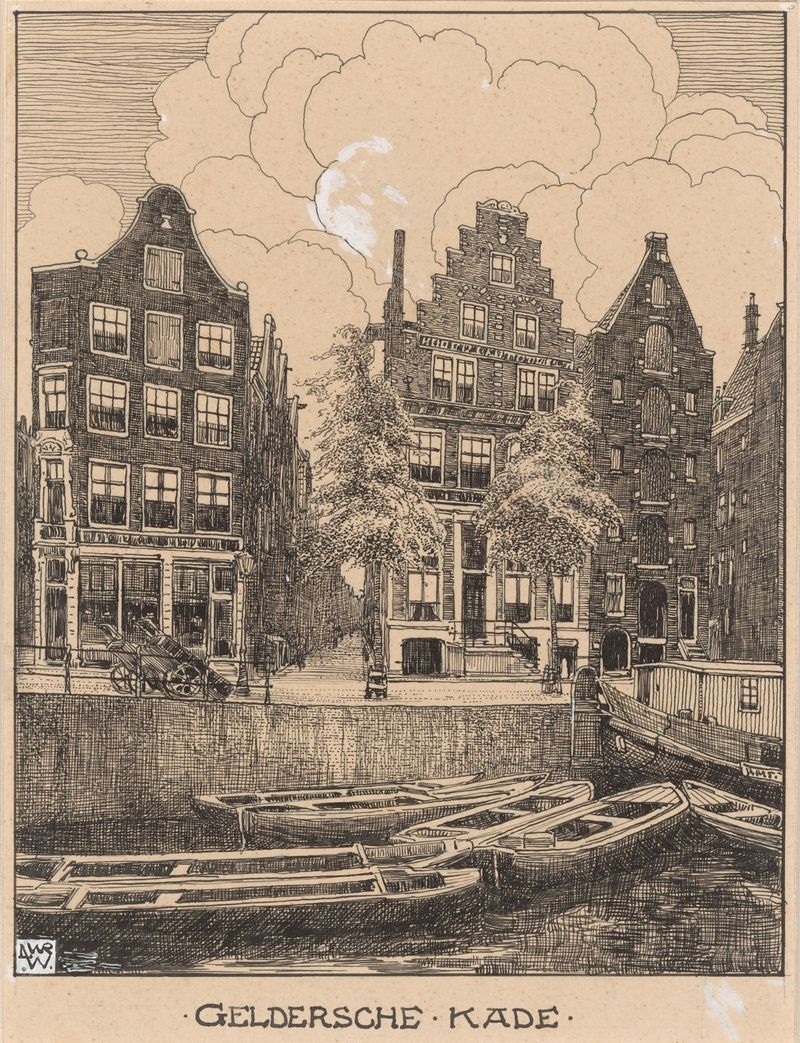
De Gelderse Kade te Amsterdam
Willem Wenckebach
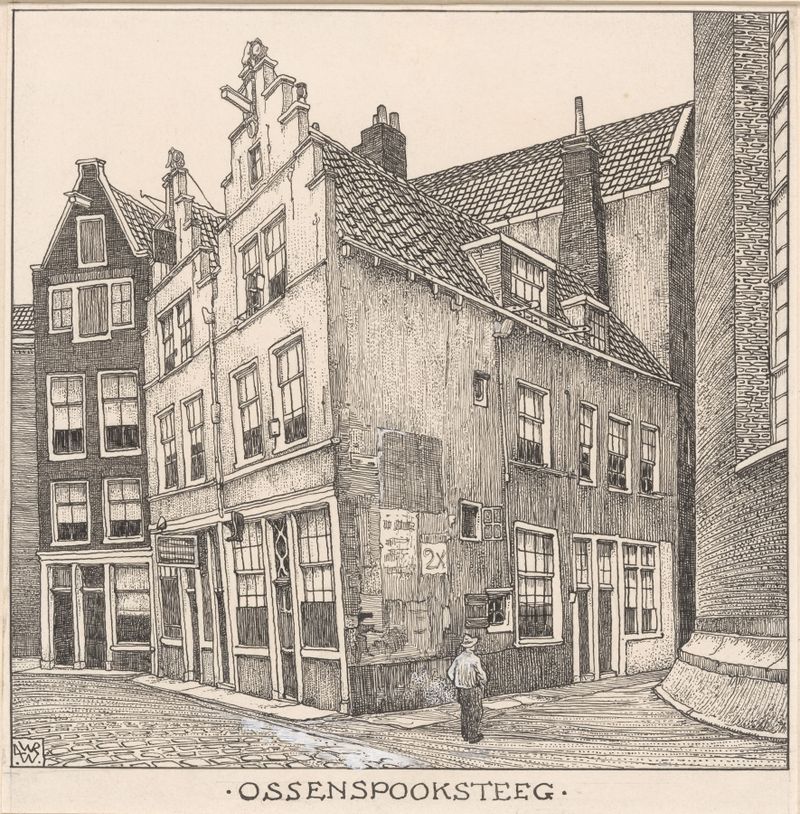
De Ossenspooksteeg te Amsterdam
Willem Wenckebach

Het Beurspleintje te Amsterdam
Willem Wenckebach
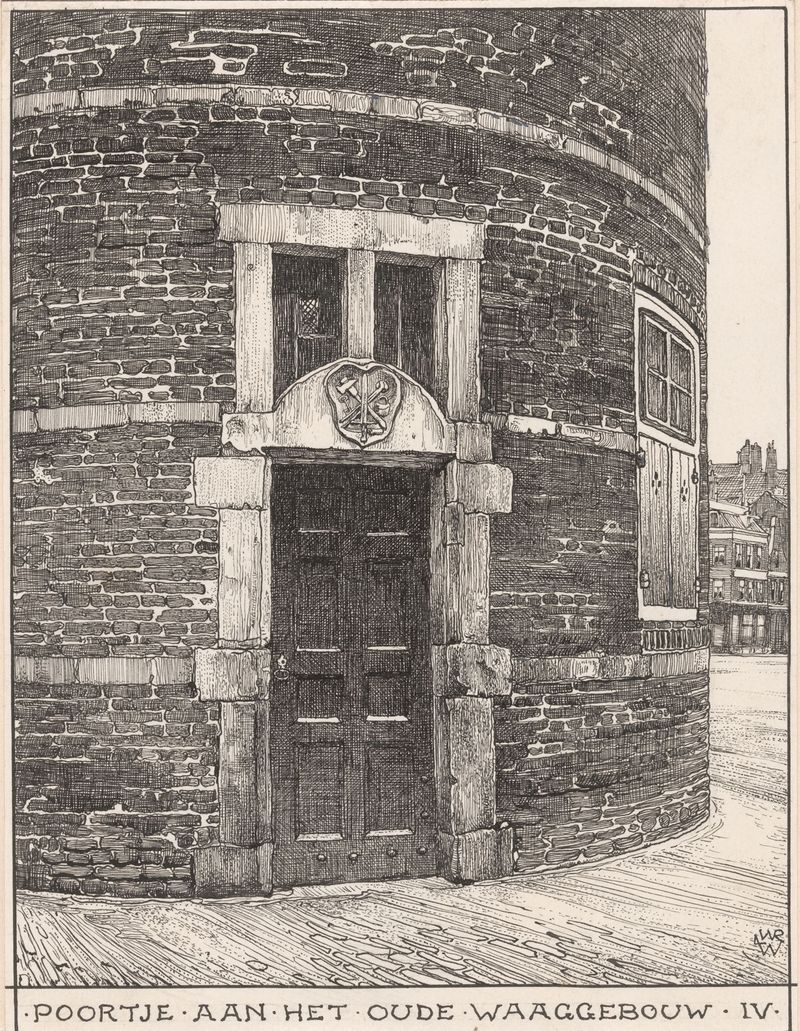
Poortje aan het oude Waaggebouw te Amsterdam
Willem Wenckebach

Torensluis te Amsterdam
Willem Wenckebach





