
Hektors Tod — History & Facts
In Hektors Tod, Max Slevogt presents a dramatic scene filled with deep colors and intense emotions. The painting features figures in a tumultuous setting, likely depicting the moment of Hector's demise. The use of dark reds and blues creates a somber atmosphere, emphasizing the tragedy of the moment.
The figures are expressive, capturing the pain and sorrow surrounding Hector's fate. The painting is executed in oil on canvas, a medium that allows for rich texture and depth. Slevogt's brushwork is dynamic, contributing to the emotional weight of the scene. The dimensions are approximately 100 x 150 cm, making it a substantial work that commands attention.
Viewers can appreciate the intricate details in the figures and the dramatic interplay of light and shadow. Max Slevogt was a prominent figure in the German art scene, known for his contributions to Symbolism. Hektors Tod reflects his interest in mythology and the human condition. An interesting fact about this work is that it was created during a time when Slevogt was exploring themes of heroism and tragedy, which are central to the story of Hector in the Trojan War.
This painting remains a significant example of his ability to convey deep emotional narratives through visual art.
More Artworks by Max Slevogt

Fräulein Eva Steinbarth
Max Slevogt
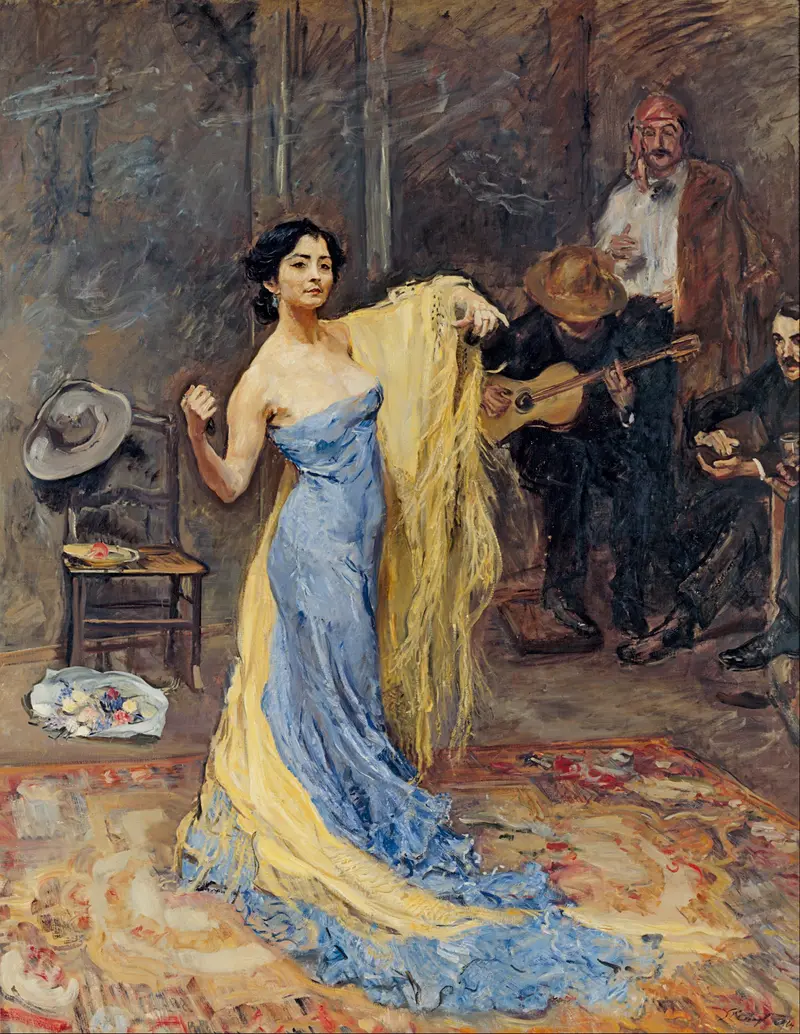
Portrait of the Dancer Marietta di Rigardo
Max Slevogt
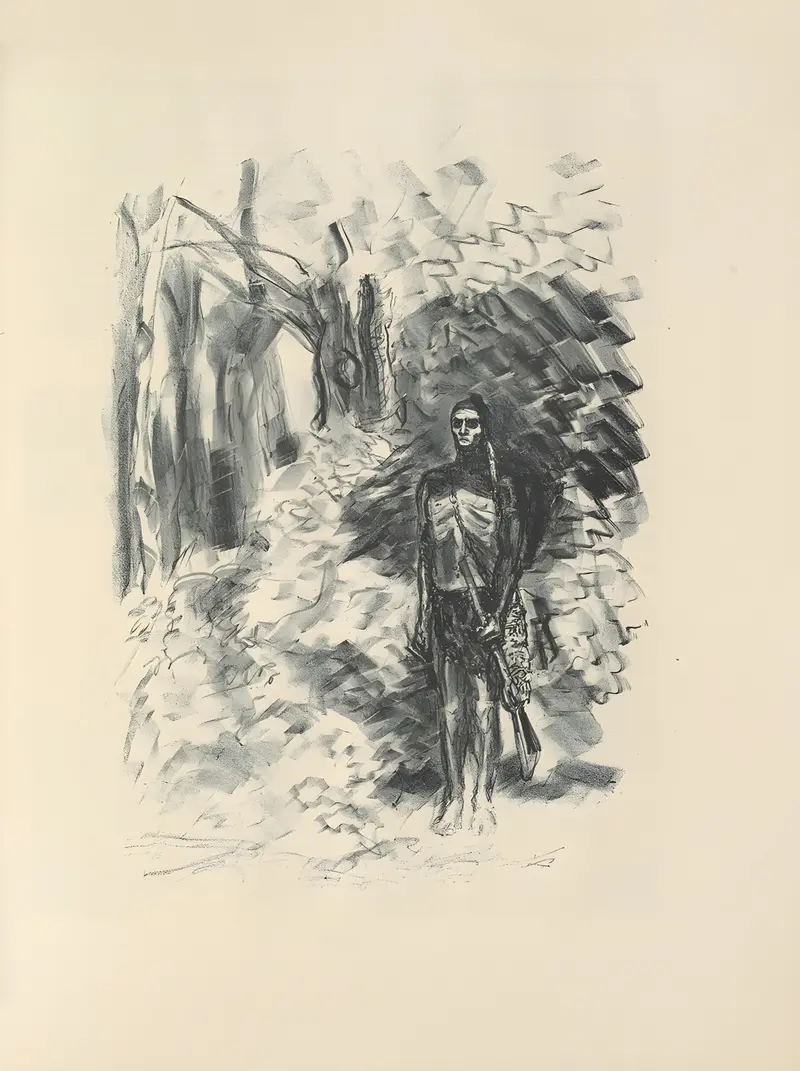
Lederstumpf-Erzählungen Pl.14
Max Slevogt

Lederstumpf-Erzählungen Pl.35
Max Slevogt
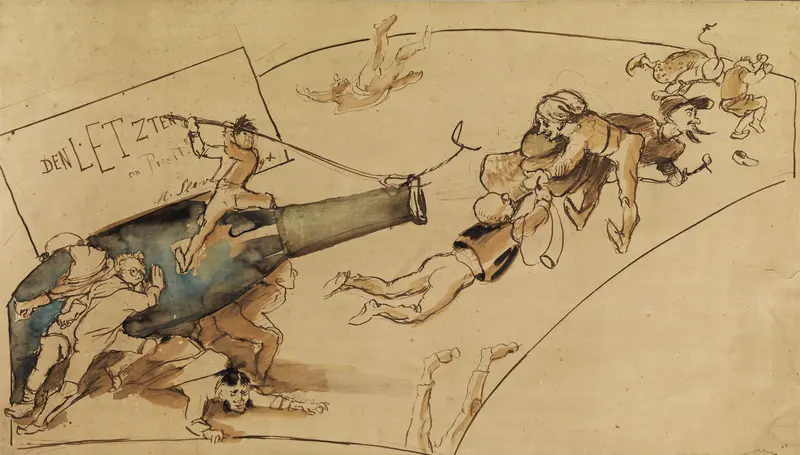
Den letzten ein Prosit
Max Slevogt
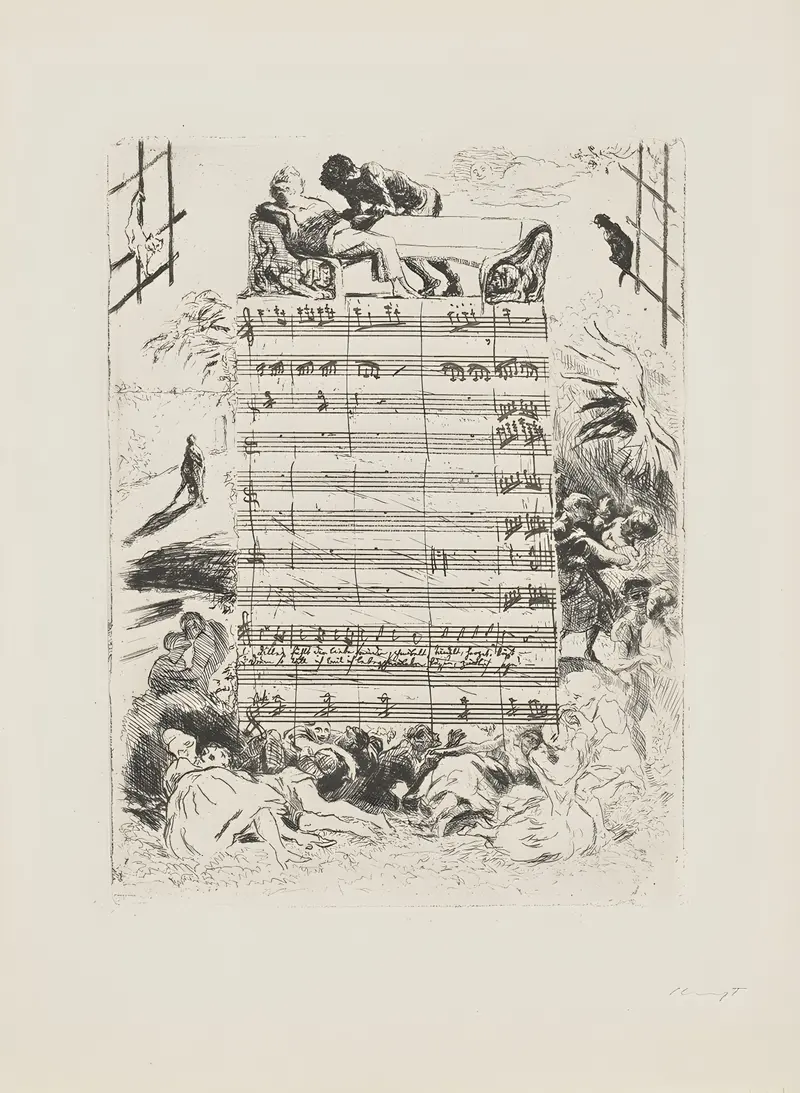
Alles fühlt der Liebe Freuden
Max Slevogt

Lederstumpf-Erzählungen Pl.48
Max Slevogt
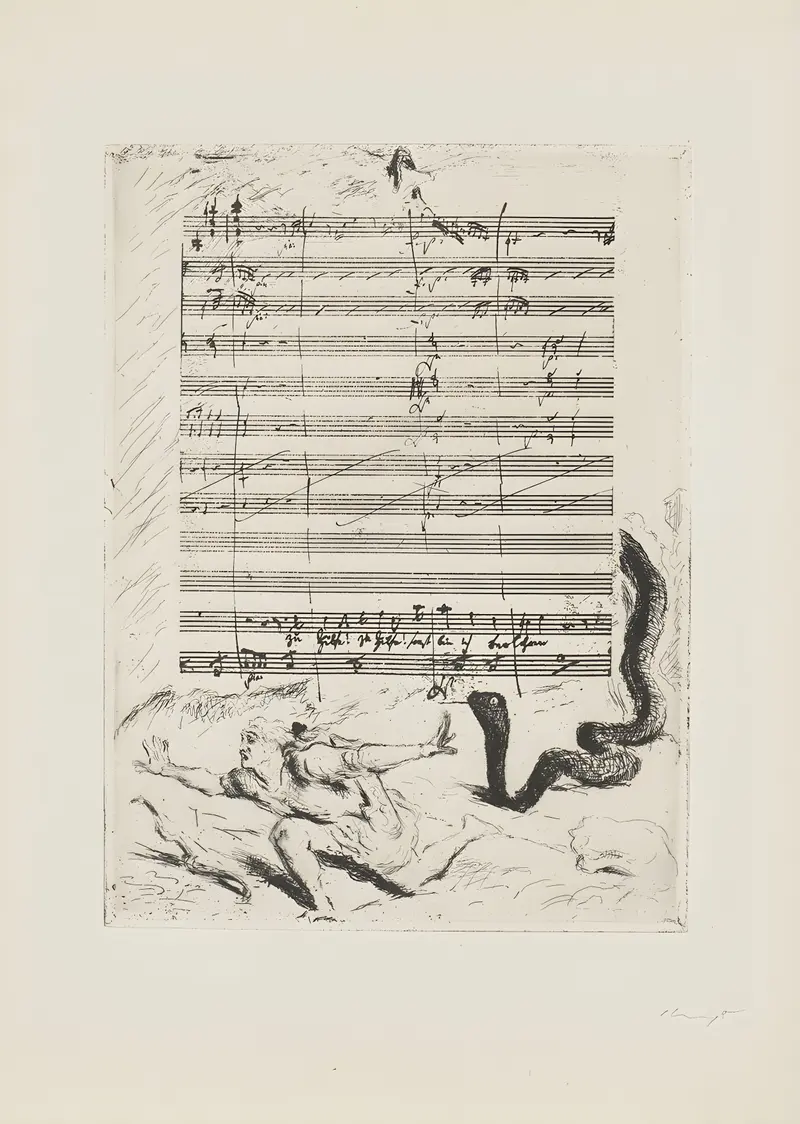
Zu Hülfe, zu Hülfe!
Max Slevogt
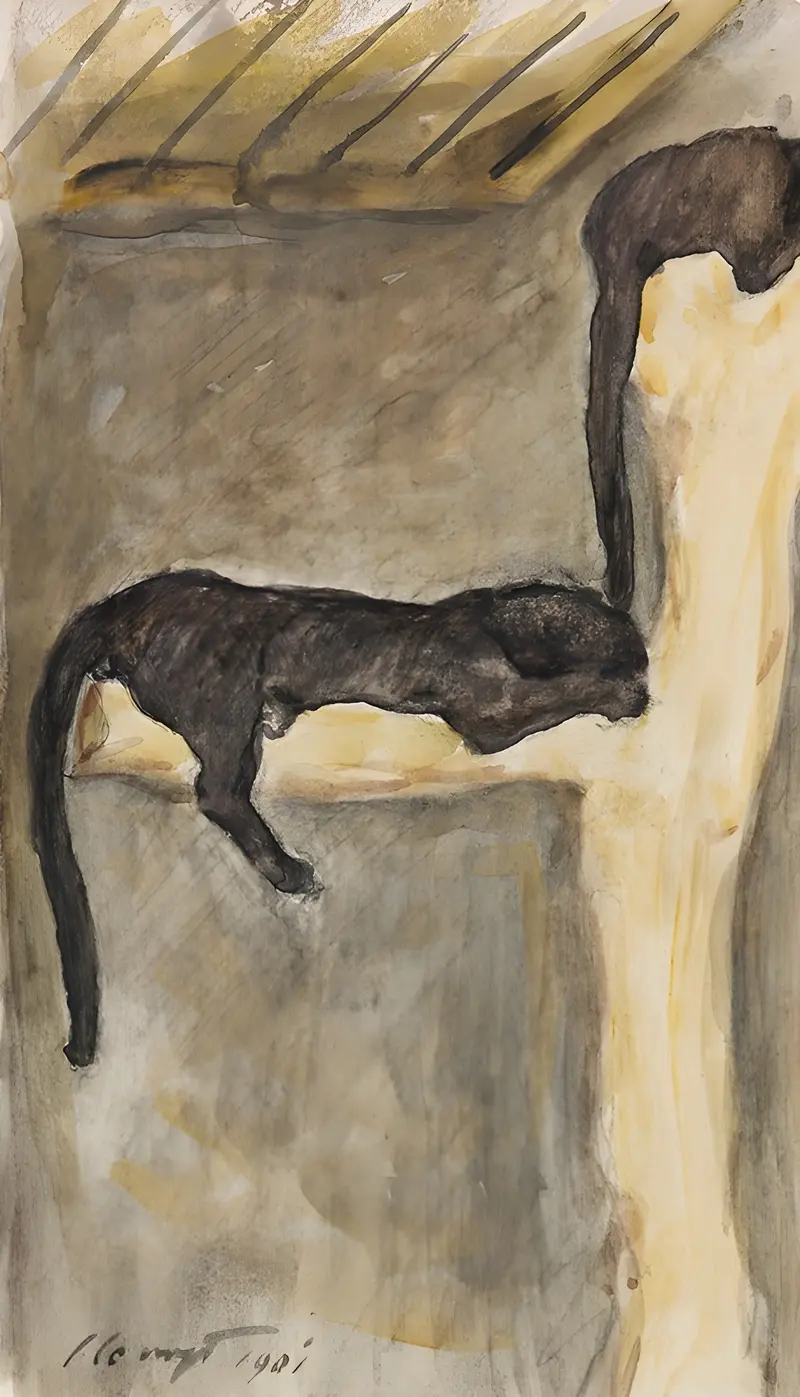
Pantherpaar im Frankfurter Zoo
Max Slevogt
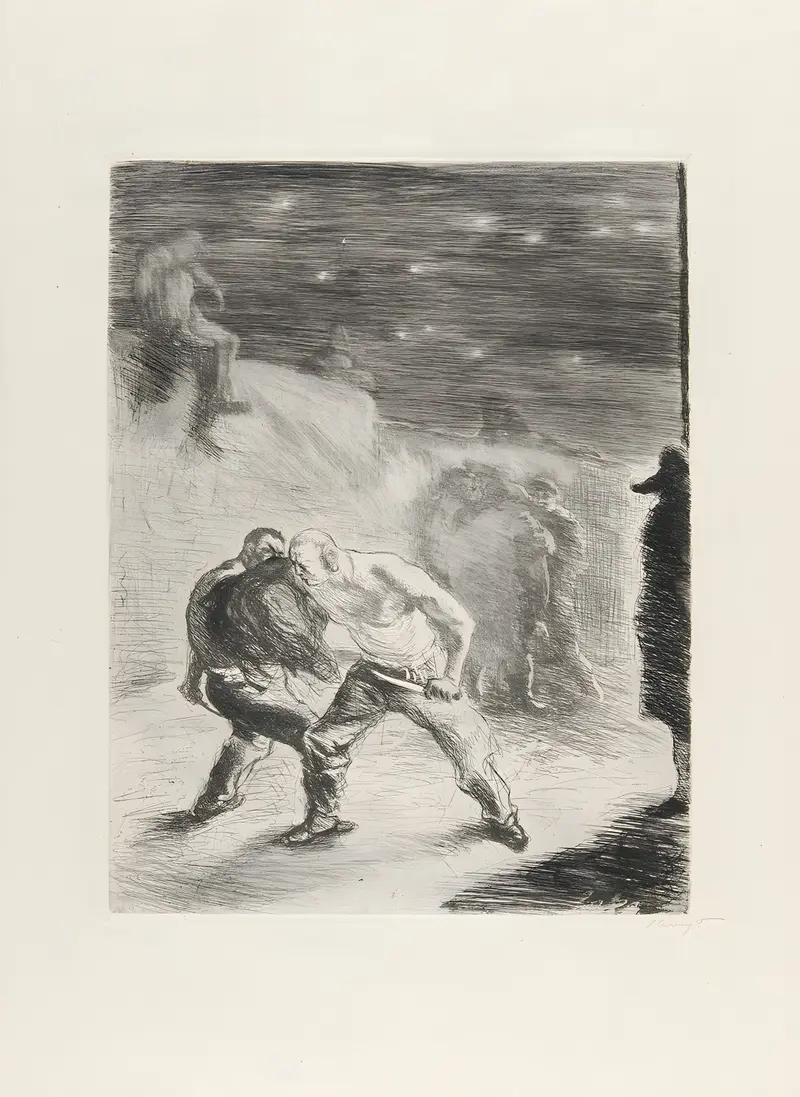
The Duel
Max Slevogt





