
Helmsman (Sailor from Uusimaa) — History & Facts
The first thing to catch the eye in Helmsman (Sailor from Uusimaa) is the way the figure’s gaze cuts through the wind and salt of the imagined sea. The helmsman’s weathered face, framed by a battered oilskin hat and coat, draws us into a world of endurance and silent command. His hands grip the wheel with a firmness that speaks of routine and necessity, while the sky behind him churns with the same restless energy as the water below.
The artist, Albert Edelfelt, uses the play of light on the man’s face and coat to carve out a sense of volume and immediacy, as if the helmsman has just turned from his post to meet our eyes. The palette is cold and bracing, the brushwork brisk, but the effect is one of quiet dignity—this is no romantic hero, but a man shaped by his work and his world. Painted in 1894, this work belongs to a moment in Northern European art when painters turned their attention to the lives of ordinary people, often in the context of labor and landscape. In Finland, where Uusimaa lies, the sea was both a livelihood and a boundary, and images of sailors and fishermen became symbols of endurance and national character.
While history has kept few traces of the specific journey of this painting, its presence in a modern collection reminds us of how such portraits once spoke to viewers about the realities—and the worth—of everyday life. The helmsman’s steady gaze invites us to imagine the stories behind those hands and that horizon, urging us to look again at the face of work and weather.
More Artworks by Albert Edelfelt

The Day of Rest
Albert Edelfelt
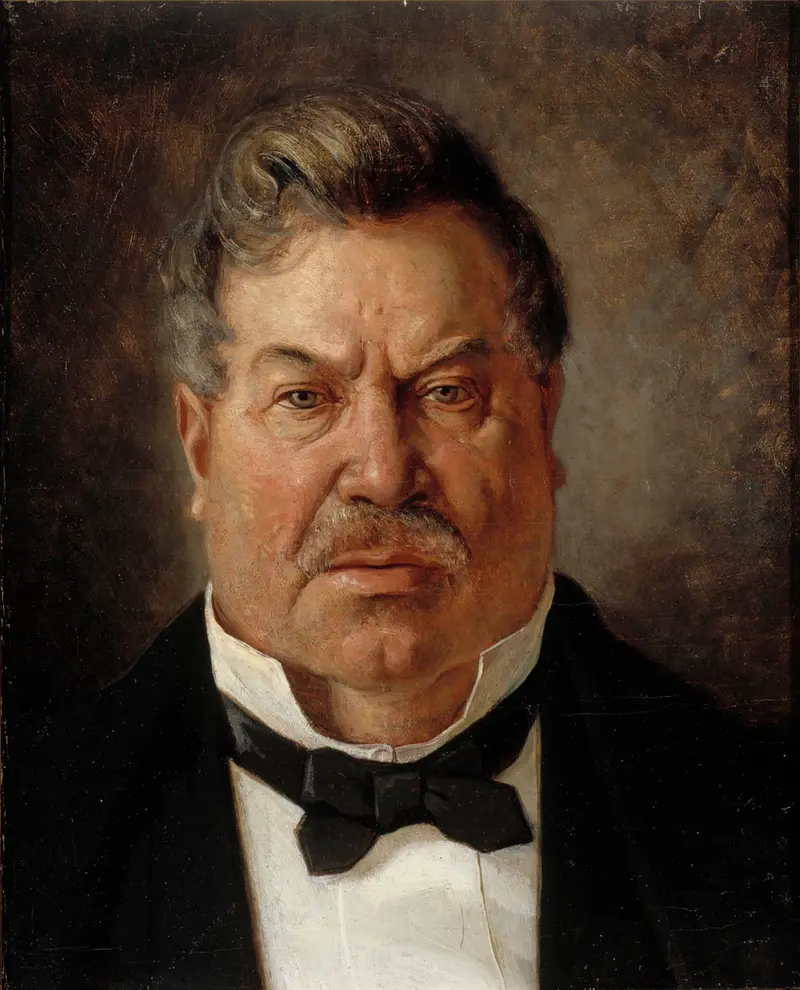
Portrait of August Streng
Albert Edelfelt
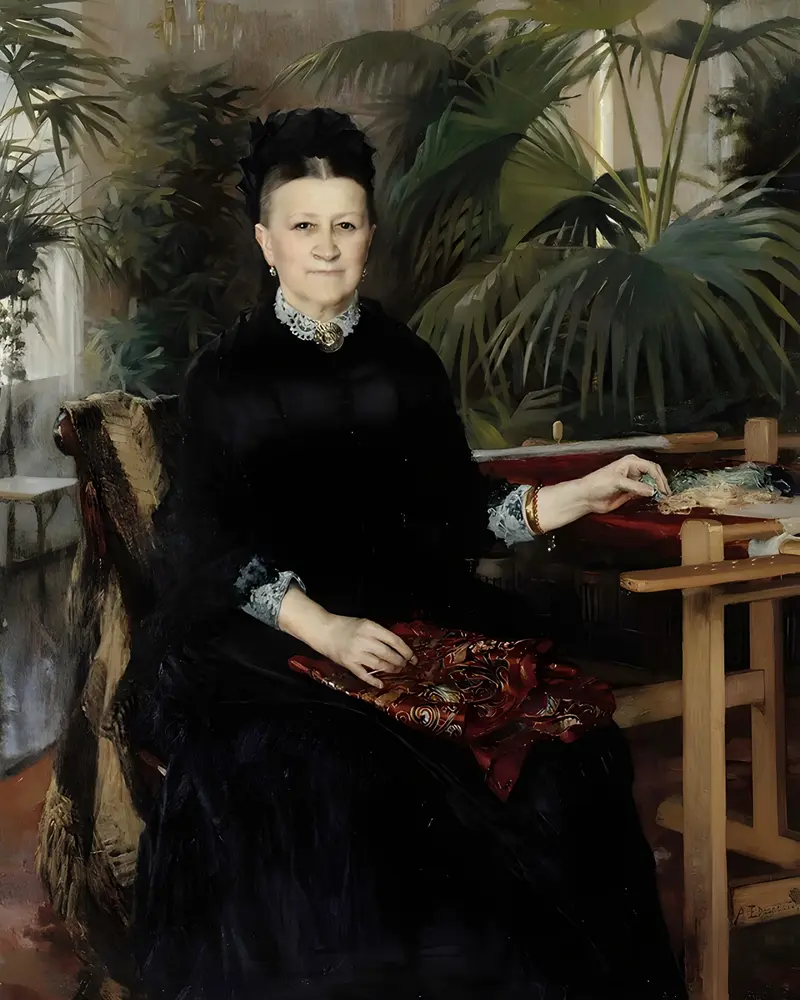
Portrait Of Mrs. Anna Sinebrychoff
Albert Edelfelt

The Poet, Larin Paraske
Albert Edelfelt

Parisian lady in a Peignoir
Albert Edelfelt
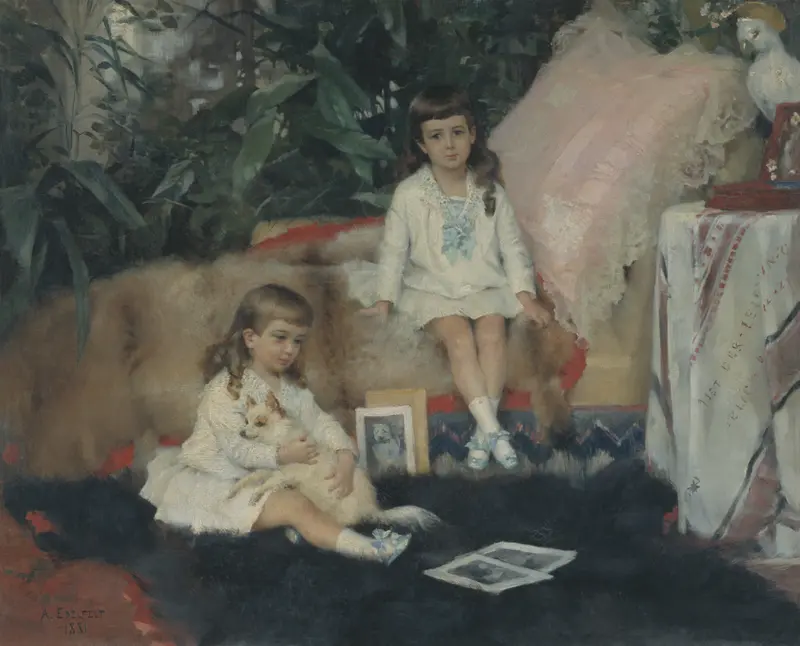
The Grand Dukes Boris and Kirill Vladimirovich as Children
Albert Edelfelt
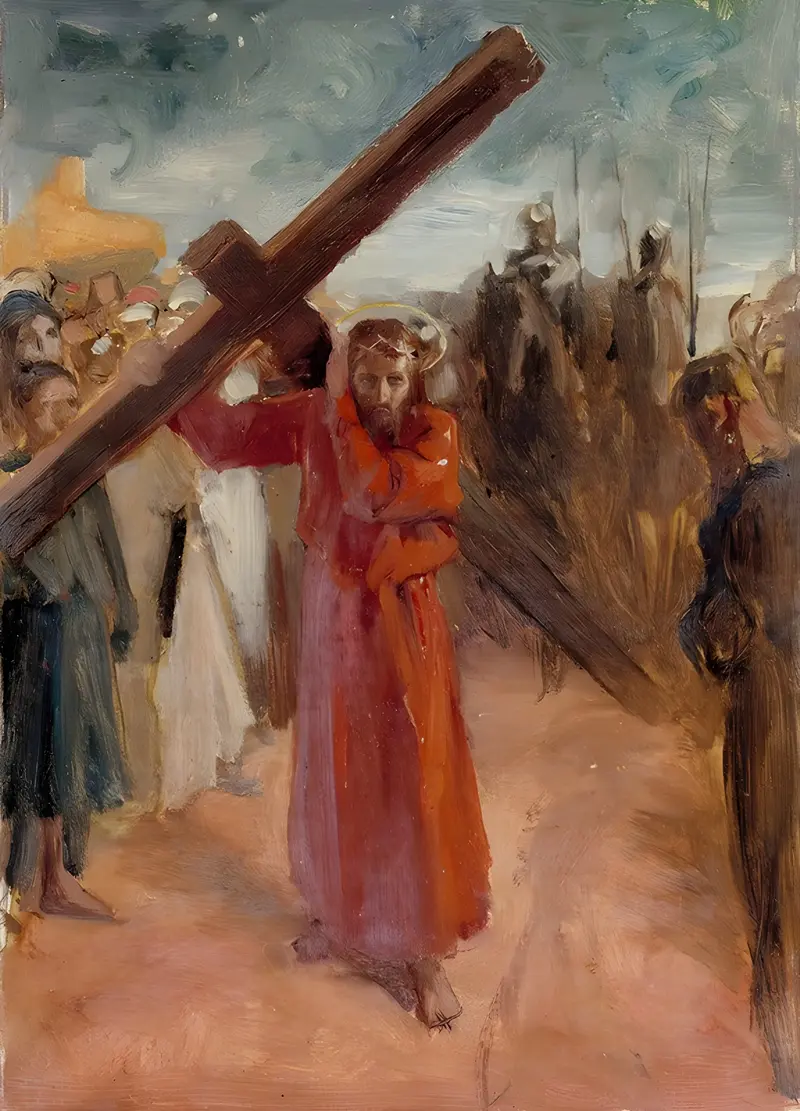
Christ Bears The Cross
Albert Edelfelt
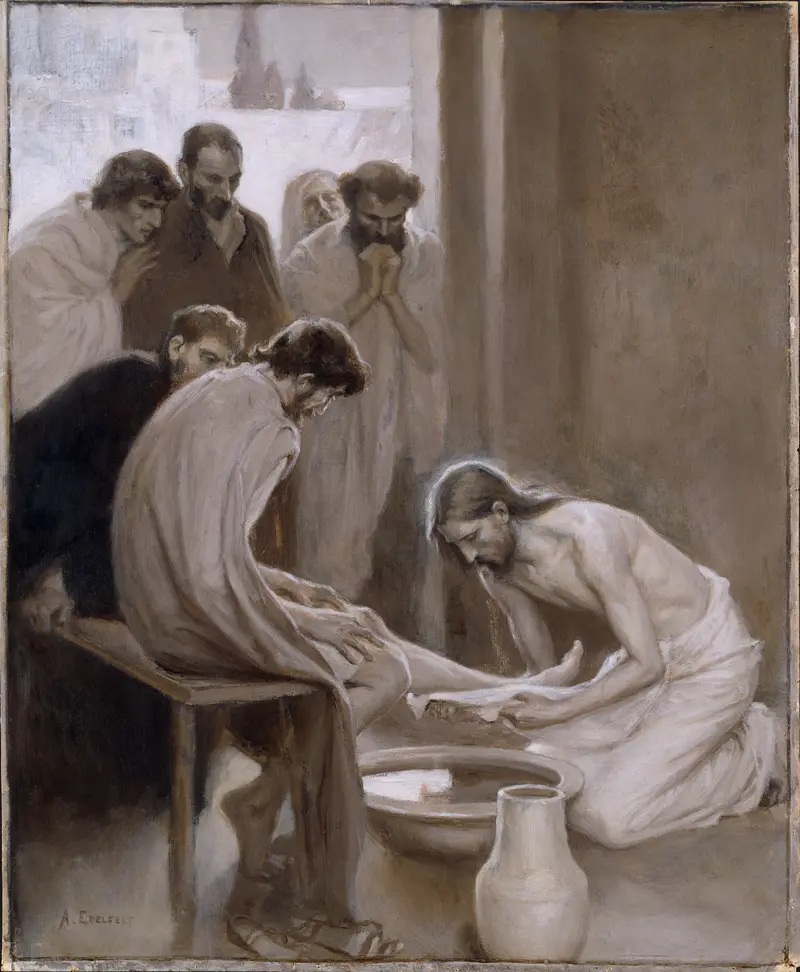
Jesus Washing the Feet of his Disciples
Albert Edelfelt

Larin Paraske with Kantele
Albert Edelfelt
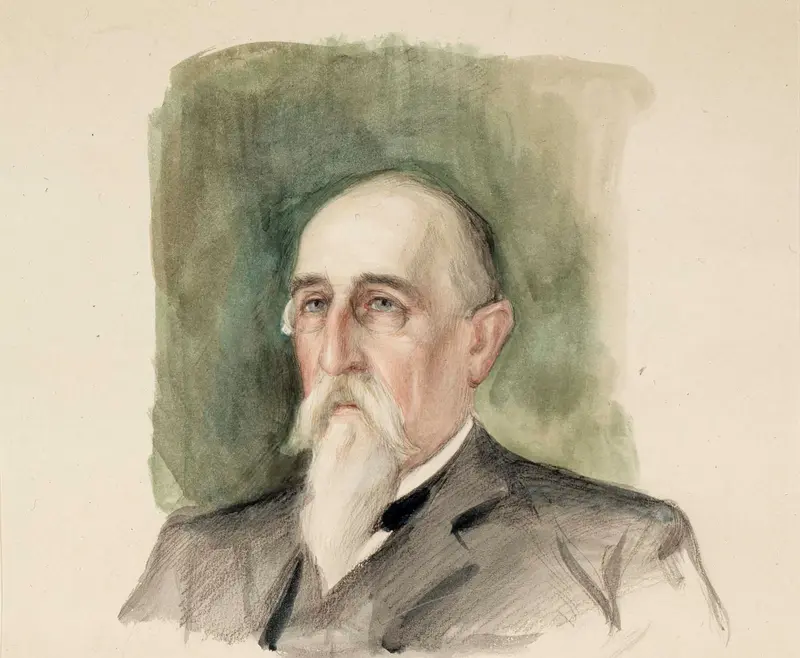
Leo Mechelin, Portrait Study
Albert Edelfelt





