Herberg de Voetangel aan de Utrechtse trekvaart — History & Facts
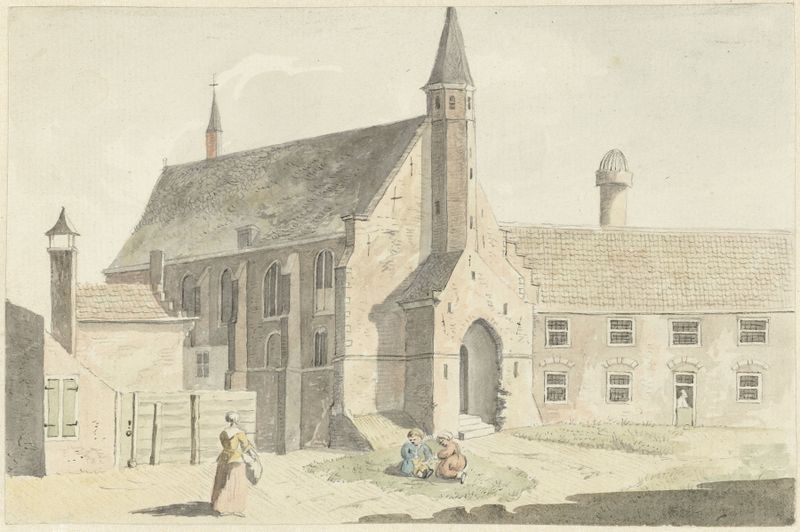
In the quiet depths of human experience, melancholy finds its voice through the soft whispers of color and form. Look closely at the center of the canvas, where the quaint inn stands resolute against the backdrop of a moody sky. The muted greens and browns embrace the structure, while flecks of light dance upon the water's surface, suggesting a fleeting moment of warmth amidst the chill of impending twilight. Notice how the muted palette enhances the air of nostalgia, drawing you in while also holding you at arm's length — a paradox that invites contemplation. The juxtaposition of the sturdy inn against the ethereal landscape speaks to themes of transience and permanence.
The rippling canal, a solitary figure in the foreground, hints at a sense of longing, its surface reflecting both the light and the shadows of time. Each window of the inn seems to harbor stories unspoken, lives lived with joy and sorrow, evoking a sense of connection that transcends the isolation of the scene. In 1782, the artist created this work during a period marked by the calm of enlightenment yet tinged with an undercurrent of change in Europe. Living in the Netherlands at a time when the art world was embracing the complexities of realism, Tavenier’s depiction of everyday life reveals his connection to the cultural currents of his time.
This canvas not only serves as a representation of a specific place but also encapsulates the collective human experience of nostalgia and reflection, echoing sentiments that resonate through the centuries.