Hercules draagt de zuilen van Gaza — History & Facts
In the quiet solitude of an artist’s studio, emotions swirl like paint on a palette, carrying with them whispers of grief and strength. What stories do we bury beneath the weight of our burdens, and how do we find the courage to rise above them? Look closely at the central figure, Hercules, bearing the monumental columns of Gaza. Notice the tension in his muscles, taut against the drapery that clings to his form.
The deep chiaroscuro highlights the contours of his body, drawing your eye first to the Herculean struggle, a testament to the relentless toil that defines the human spirit. Surrounding him, the muted earth tones create a somber backdrop, enhancing the weight of his burden and inviting deeper contemplation about resilience amid adversity. Yet, the columns themselves tell a story of their own, representing both physical power and the emotional constraints that bind us. Each column, solid and unwavering, contrasts with the immense pressure placed upon Hercules, symbolizing the inescapable grief that can shape our lives.
The juxtaposition of strength and sorrow evokes a complex emotional landscape, inviting viewers to grapple with their own struggles and triumphs. Hans Sebald Beham painted this work in 1545 during a time when art was heavily influenced by the Reformation’s ideas of individual struggle and morality. Living in Nuremberg, he was part of a vibrant artistic community that sought to reflect human experience amid societal shifts. The themes of burden, strength, and grief resonate powerfully within this context, offering a profound exploration of the human condition that feels as relevant today as it did then.
More Artworks by Hans Sebald Beham
Browse all →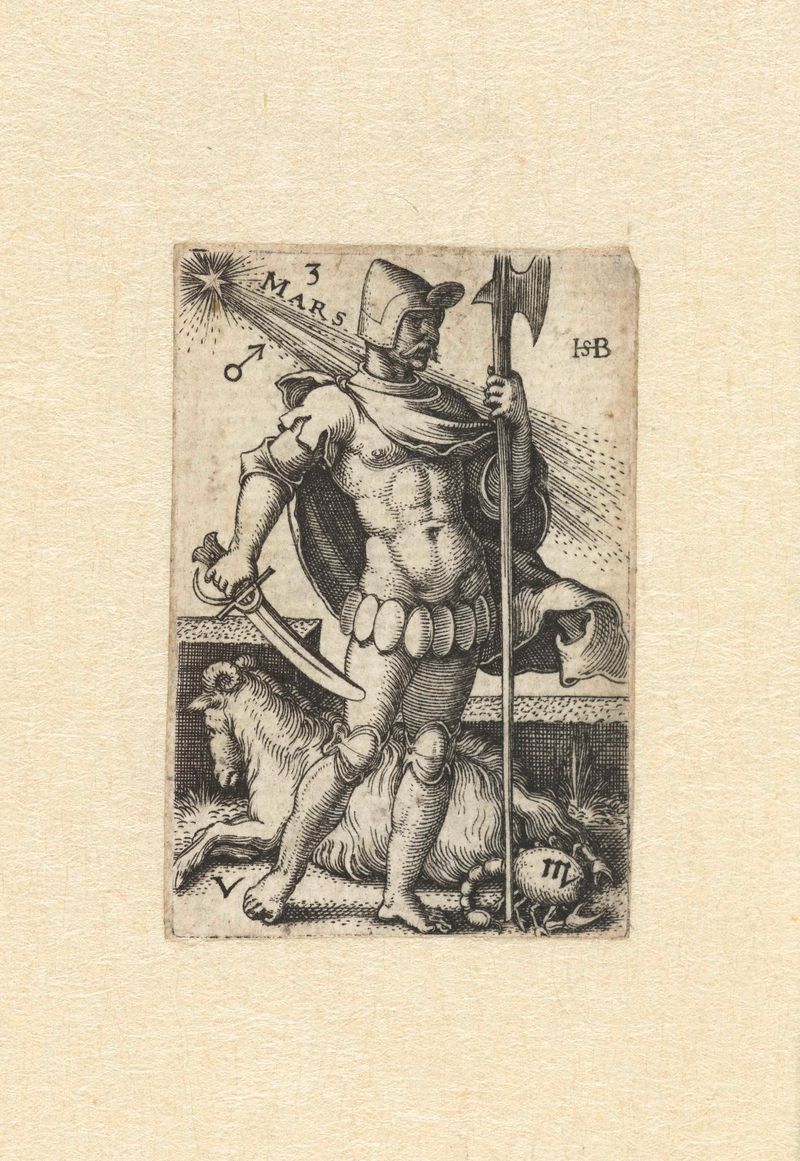
Mars met sterrenbeelden Ram en Schorpioen
Hans Sebald Beham

Achilles in gevecht met Hector
Hans Sebald Beham
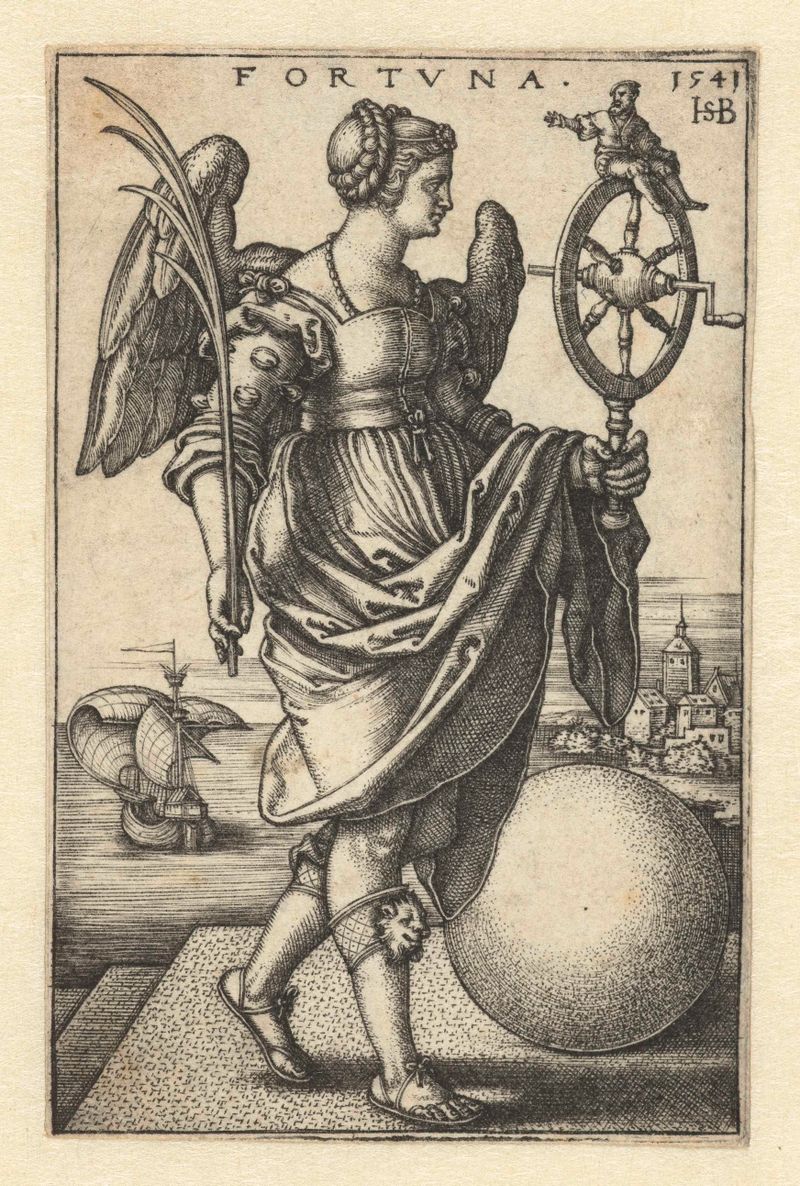
Fortuna
Hans Sebald Beham

Hercules worstelt met Antaeus
Hans Sebald Beham

Twee muzikanten met schalmey en doedelzak
Hans Sebald Beham

Voorzichtigheid (Prudentia)
Hans Sebald Beham

Hercules in gevecht met de Trojanen
Hans Sebald Beham
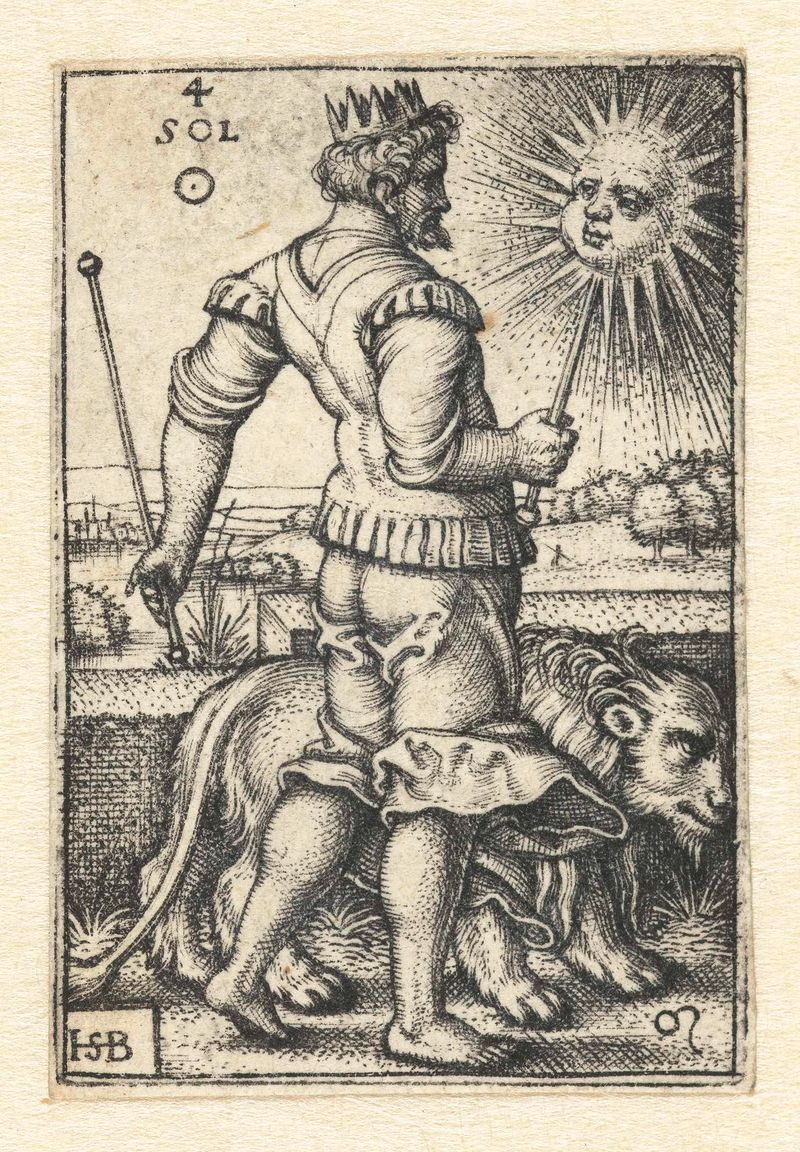
Apollo (Sol) met sterrenbeeld Leeuw
Hans Sebald Beham
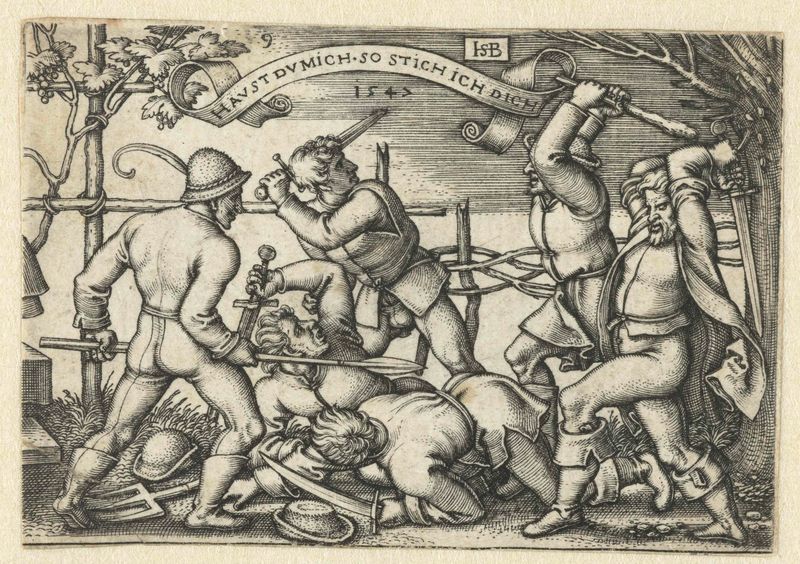
Vechtende boeren met zwaarden
Hans Sebald Beham
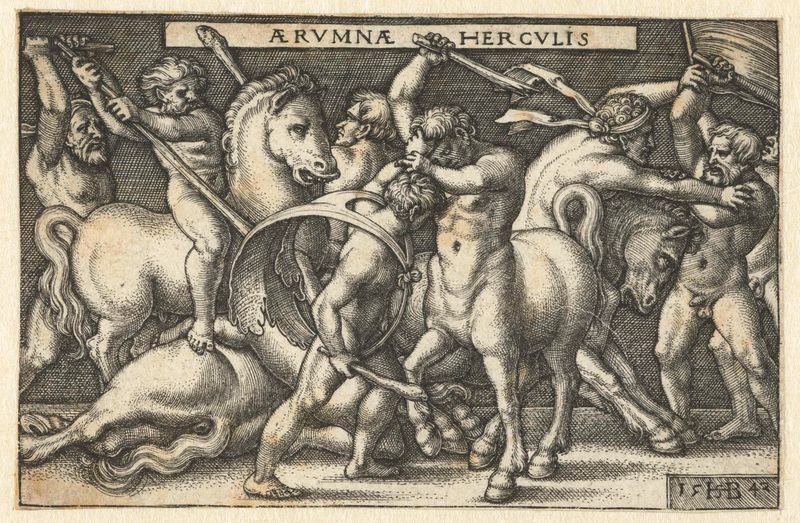
Hercules in gevecht met centaurs
Hans Sebald Beham