Hercules en Cerberus — History & Facts
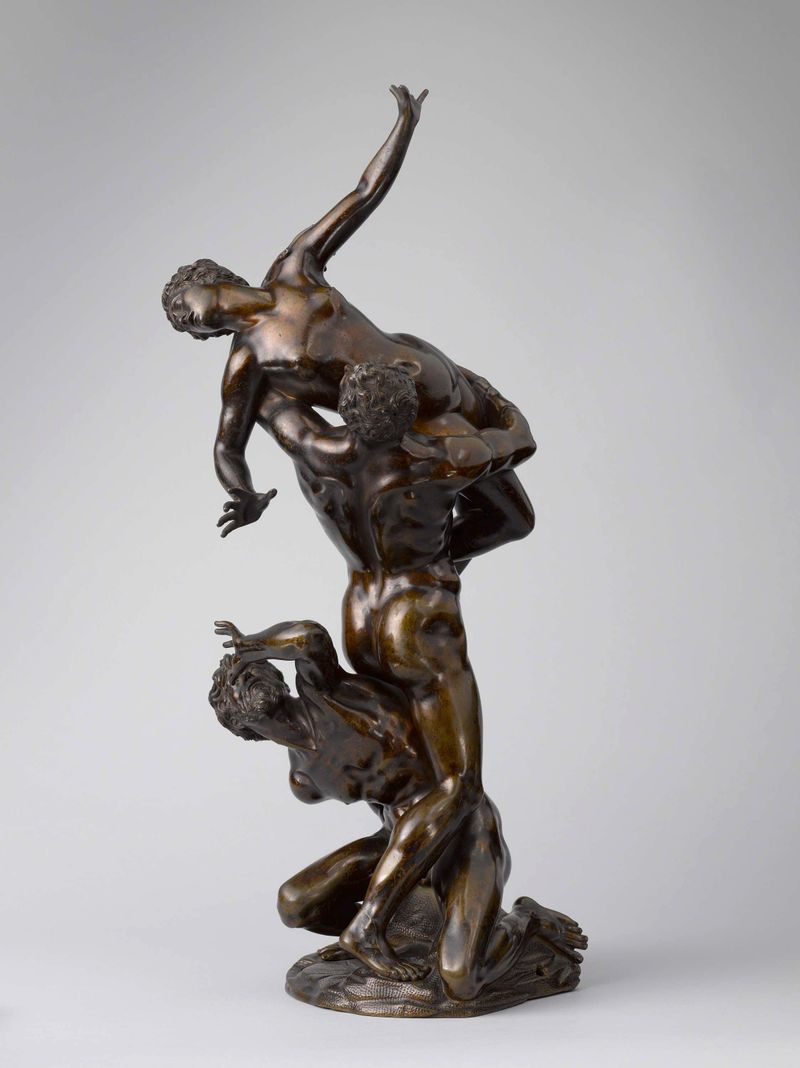
When did color learn to lie? The vibrant hues of Hercules en Cerberus pulse with an intensity that evokes a world caught at the edge of myth and reality, where movement captures both the struggle and the triumph of humanity. Look to the center, where Hercules grapples with the three-headed beast, each ferocious head twisting in a chaotic dance. The artist employs a striking palette dominated by deep reds and earthy browns, highlighting the tension of their clash. The fluid lines of movement draw the viewer's eye around the composition, from the sinewy muscles of the hero to the snarling jaws of Cerberus, creating a sense of urgency and dynamic energy that seems almost palpable. Yet, beneath this surface action lies a narrative rich with meaning.
The vibrant colors become a paradox; they convey both the strength of Hercules and the darkness of his foe, blurring the line between heroism and monstrosity. The composition's balance hints at the duality of power and vulnerability—the hero’s resolve set against the ferocity of the beast. The tension of movement not only depicts a physical struggle but also encapsulates the internal conflict between light and dark, good and evil. Created in 1545, Hercules en Cerberus reflects Beham’s deepening mastery of engravings amidst a flourishing Northern Renaissance.
At this time, he was working in Nuremberg, a center of artistic innovation, while the Reformation began to reshape Europe’s cultural landscape. This piece, emblematic of both mythological storytelling and technical prowess, showcases how Beham navigated these currents in the art world, blending classical themes with contemporary techniques.
More Artworks by Hans Sebald Beham
Browse all →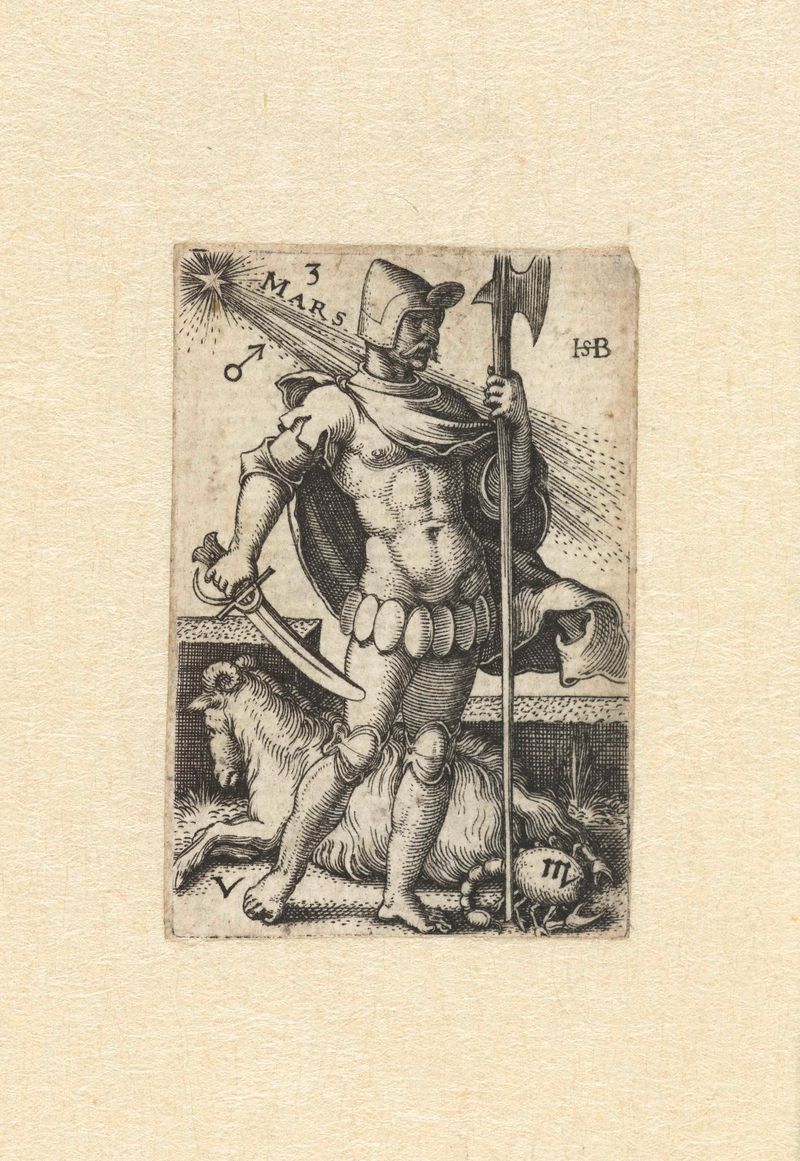
Mars met sterrenbeelden Ram en Schorpioen
Hans Sebald Beham

Achilles in gevecht met Hector
Hans Sebald Beham
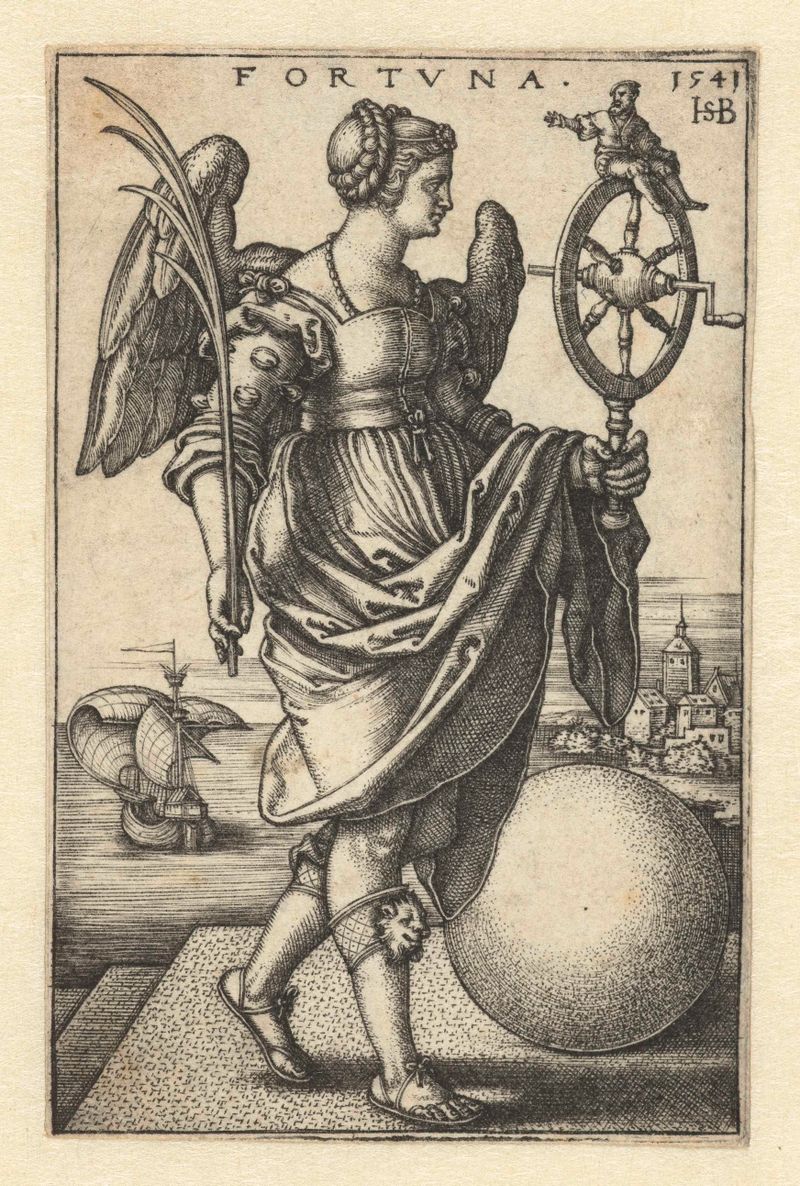
Fortuna
Hans Sebald Beham

Hercules worstelt met Antaeus
Hans Sebald Beham

Twee muzikanten met schalmey en doedelzak
Hans Sebald Beham

Voorzichtigheid (Prudentia)
Hans Sebald Beham

Hercules in gevecht met de Trojanen
Hans Sebald Beham
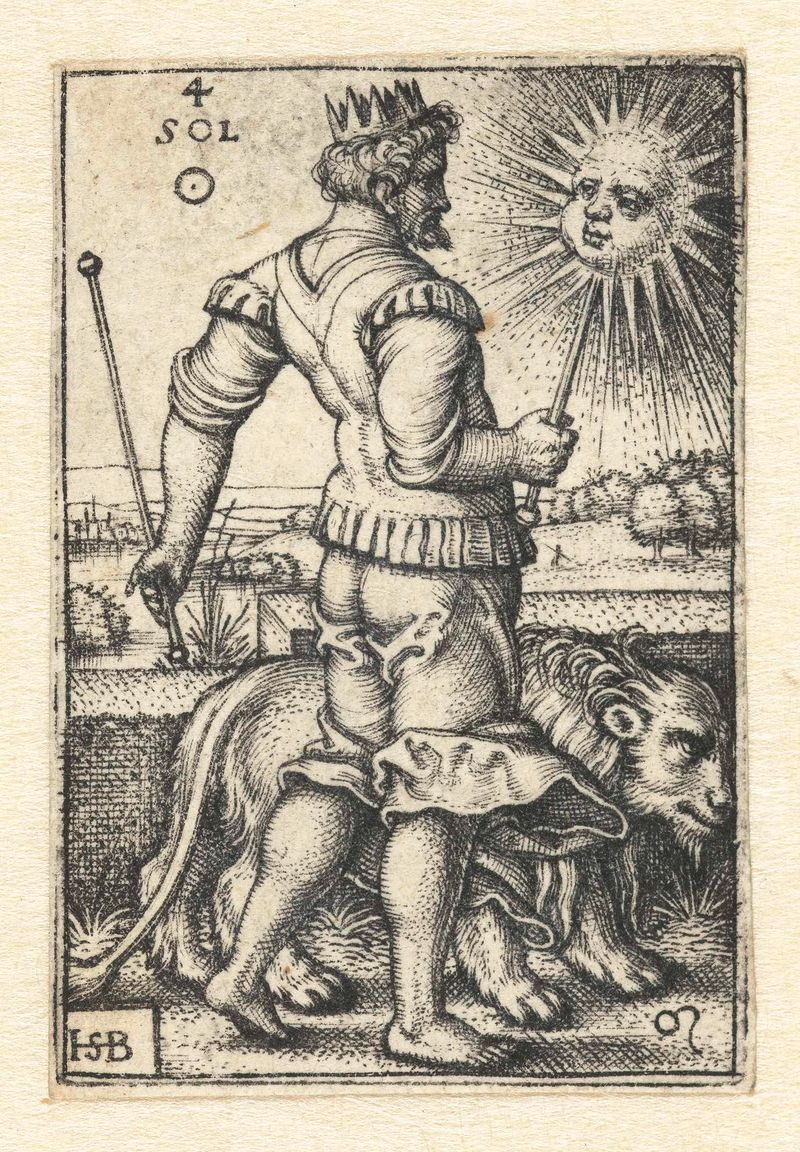
Apollo (Sol) met sterrenbeeld Leeuw
Hans Sebald Beham
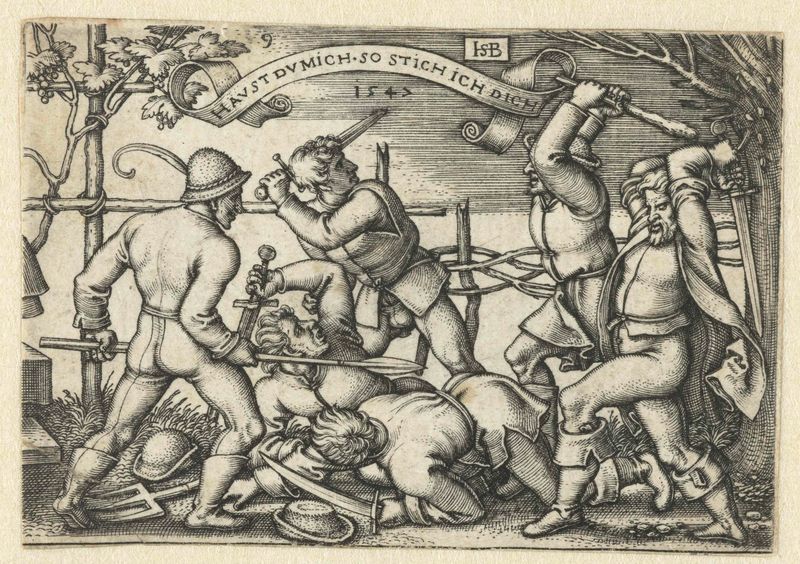
Vechtende boeren met zwaarden
Hans Sebald Beham
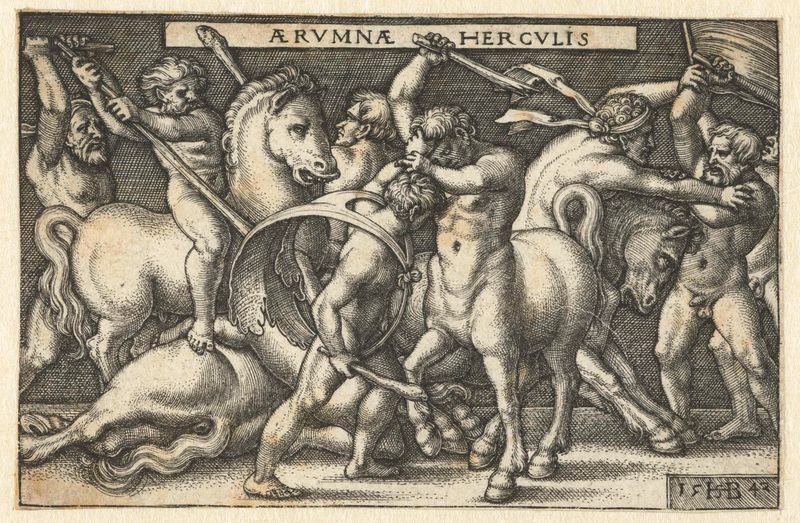
Hercules in gevecht met centaurs
Hans Sebald Beham