
Herons on the Riverbank — History & Facts
What if silence could speak through light? In Herons on the Riverbank, the ethereal glow invites us to listen closely to the whispers of nature and the deep yearning that lingers in the air. Focus on the tranquil hues of blue and green that envelop the scene, casting a serene mood. The herons, poised elegantly at the water's edge, draw our gaze immediately with their graceful forms. Notice how the soft reflection of their silhouettes ripples in the gentle current, creating an exquisite interplay between reality and its mirrored counterpart.
The delicate brushwork captures not just their physical beauty but conveys an emotional weight that transcends the canvas. Amidst the harmony, a subtle tension emerges in the space between the herons and their environment. The stillness of the water contrasts with the restless movement of the leaves overhead, hinting at a profound longing for connection—both among the creatures and with the world around them. The herons, standing solitary yet vigilant, embody a sense of waiting.
Their presence suggests a yearning, not just for food or companionship, but for an understanding of their place within this tranquil yet dynamic ecosystem. Created during a period when Charlemont was immersed in the complexities of modernity, Herons on the Riverbank reflects his fascination with nature's undisturbed beauty. While the exact date of the painting remains unknown, it is believed to have been crafted in the late 19th century, a time when artists were increasingly drawn to explore the relationship between humanity and the natural world. Charlemont's work stands as a testament to this evolving dialogue in the realm of art.
More Artworks by Hugo Charlemont
Browse all →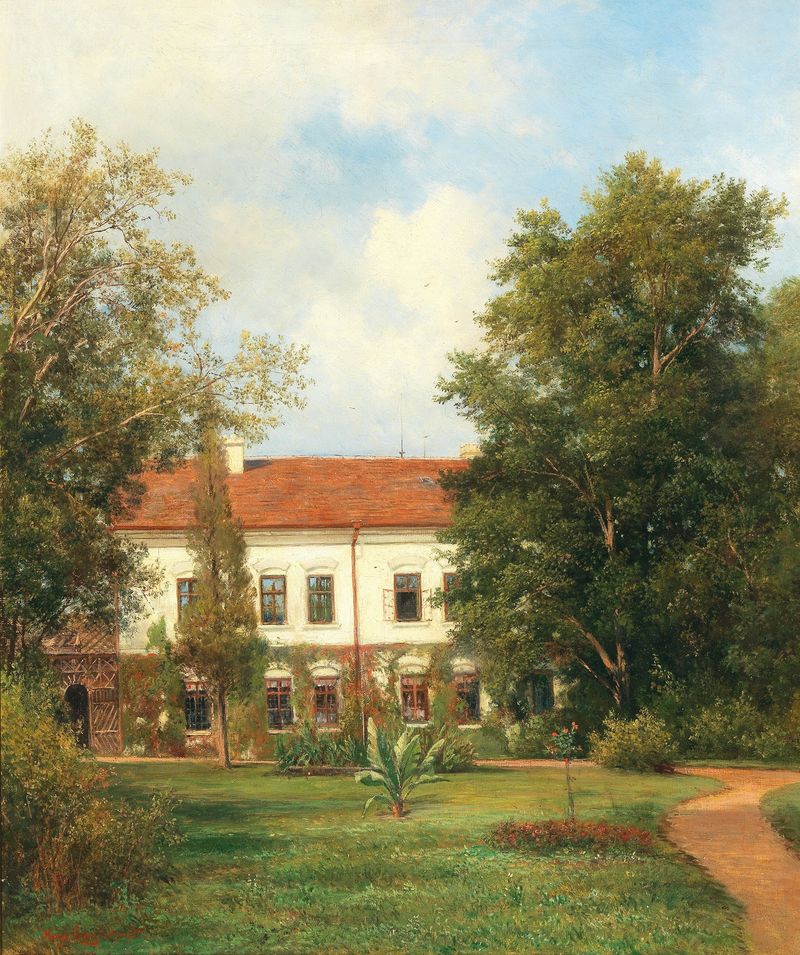
View of a Castle in Bohemia
Hugo Charlemont
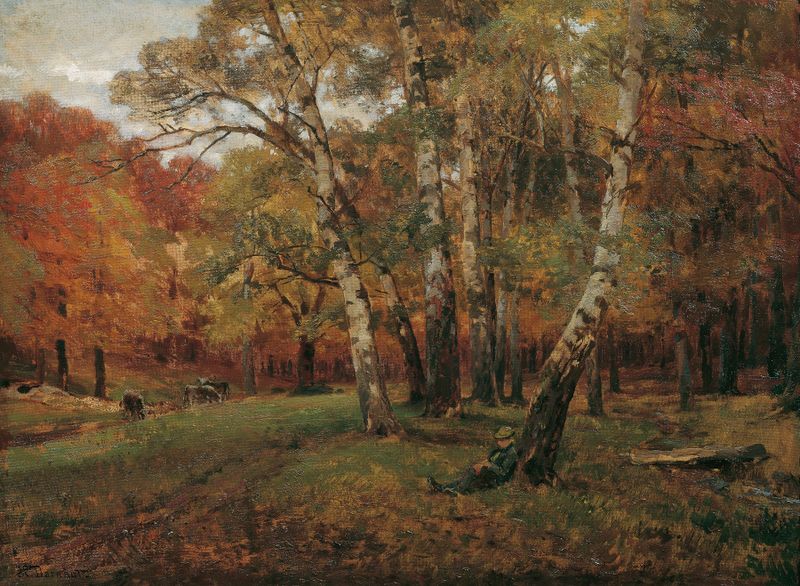
Die Ruine Starhemberg im Piestingtal
Hugo Charlemont
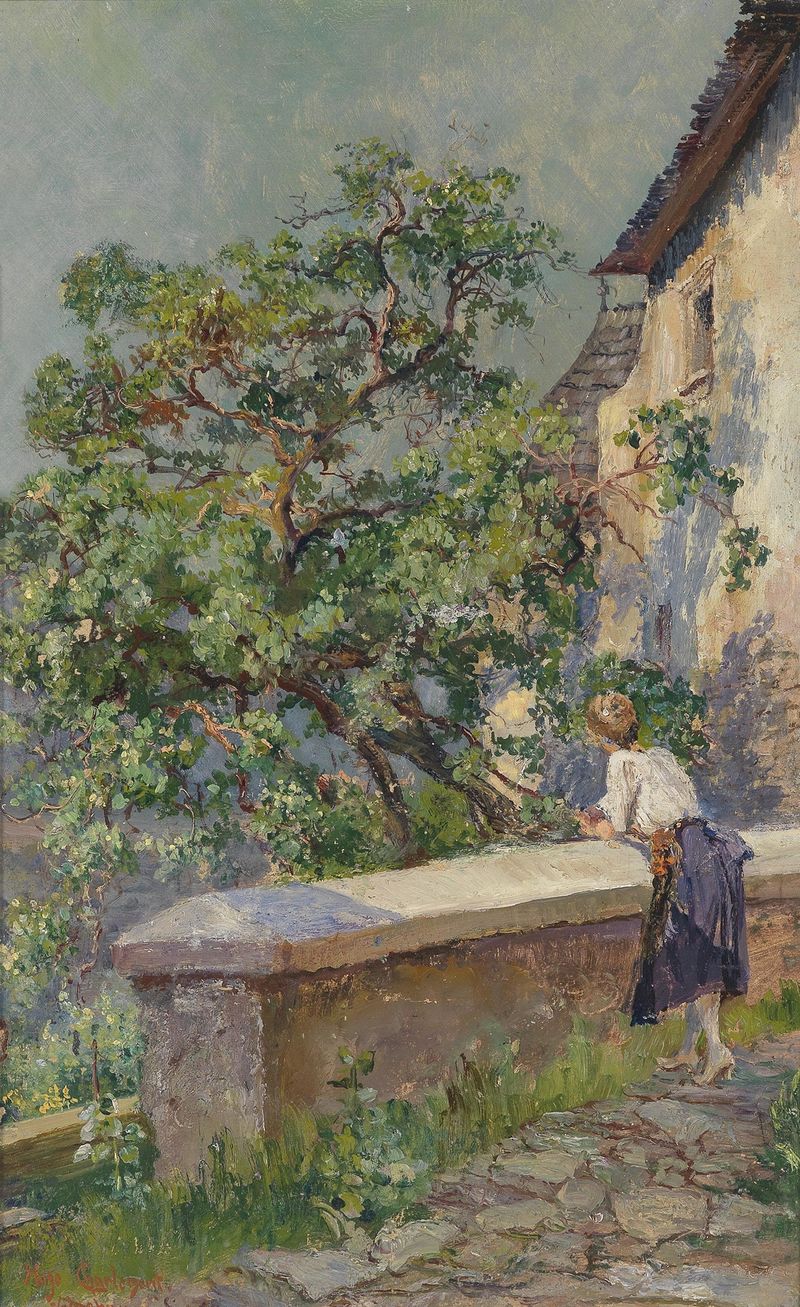
Aus der Wachau
Hugo Charlemont
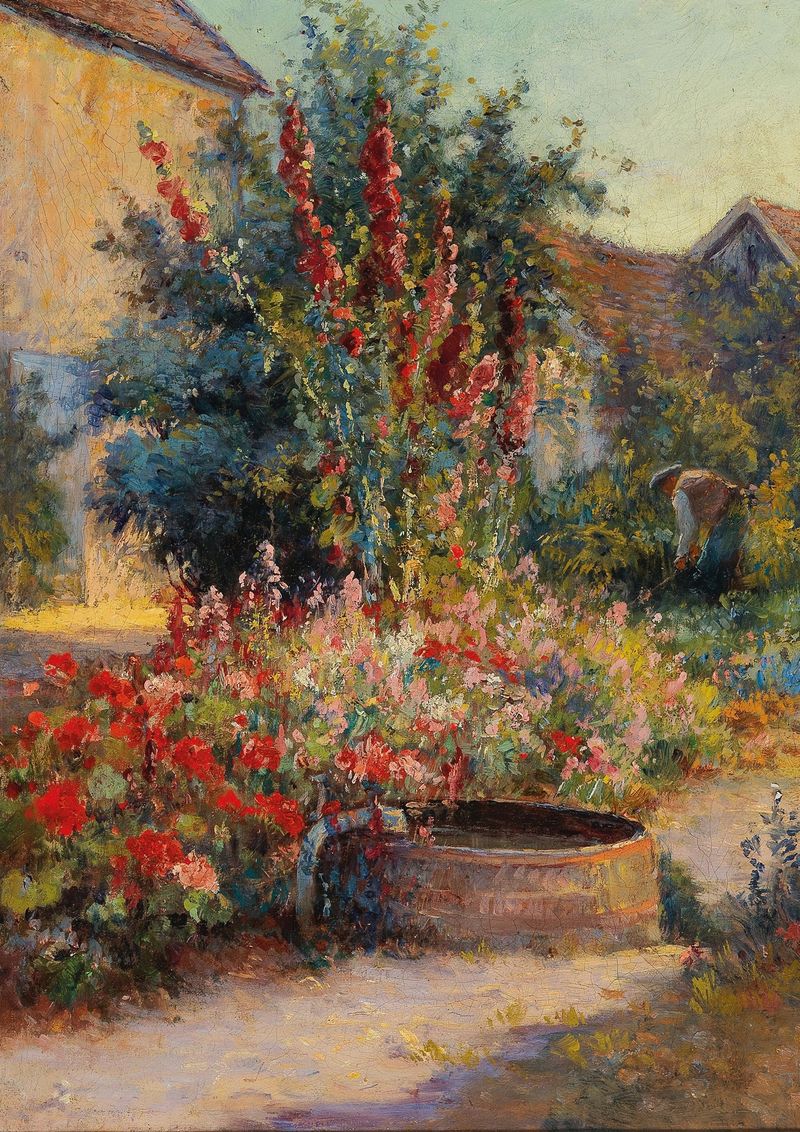
Garten in Brioni
Hugo Charlemont
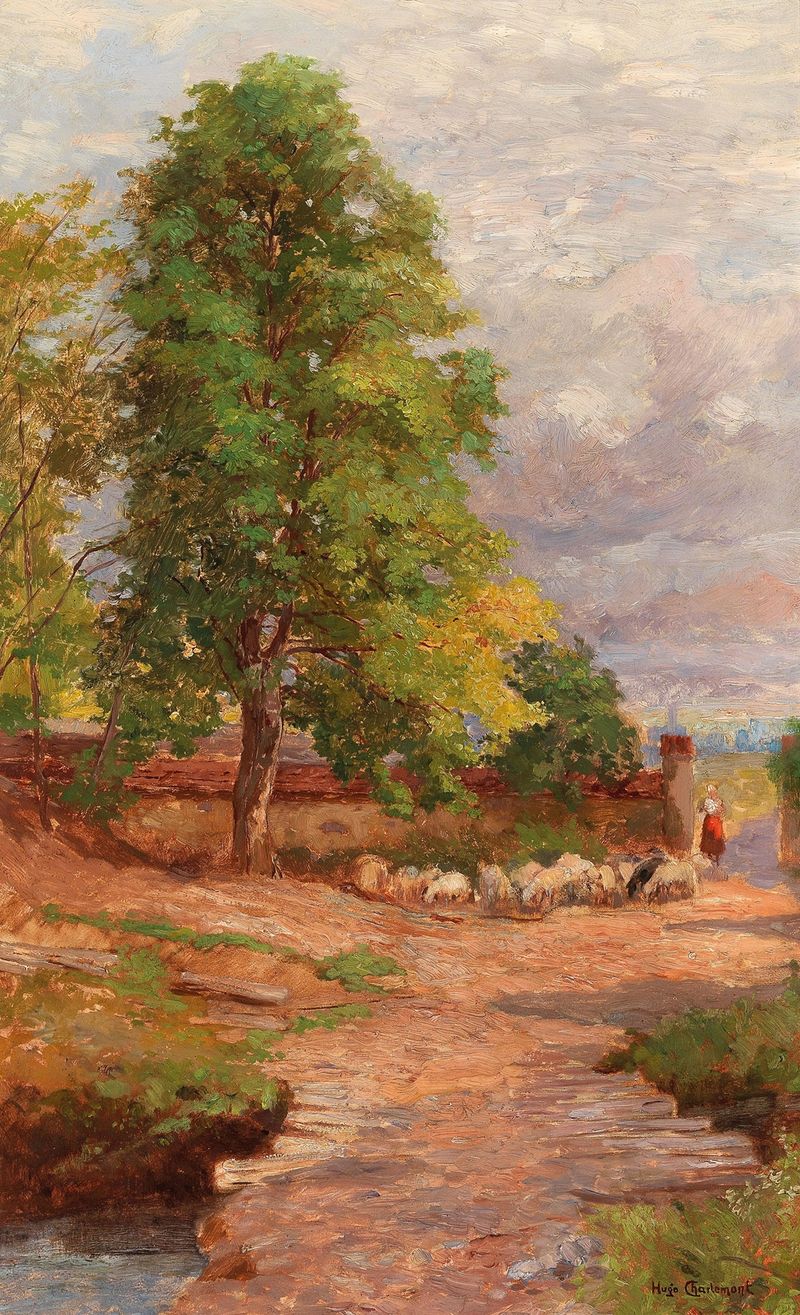
Old Chestnut Tree
Hugo Charlemont
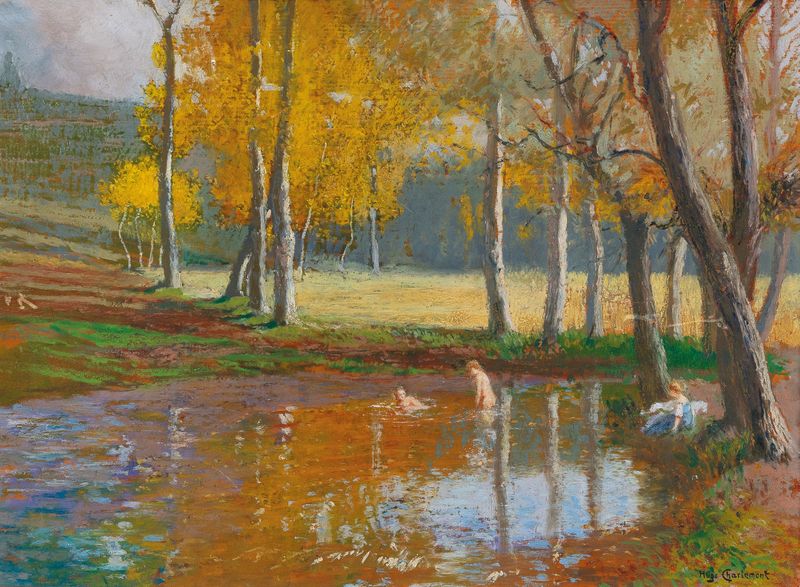
Bathers In A Woodland Pond
Hugo Charlemont
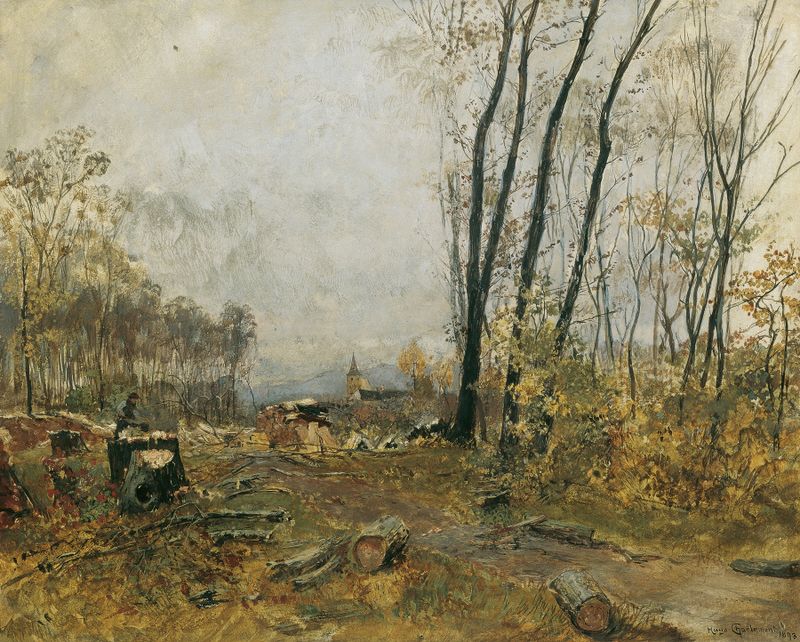
Au bei Klosterneuburg
Hugo Charlemont
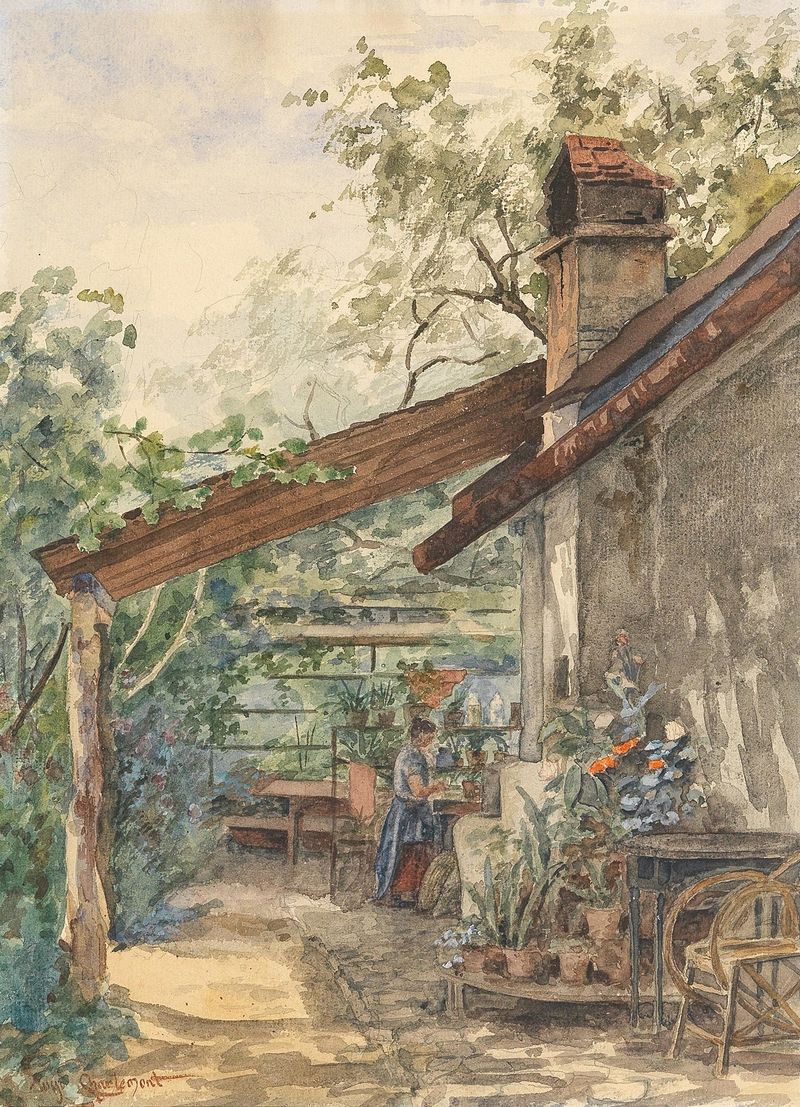
Pflanzendepot
Hugo Charlemont
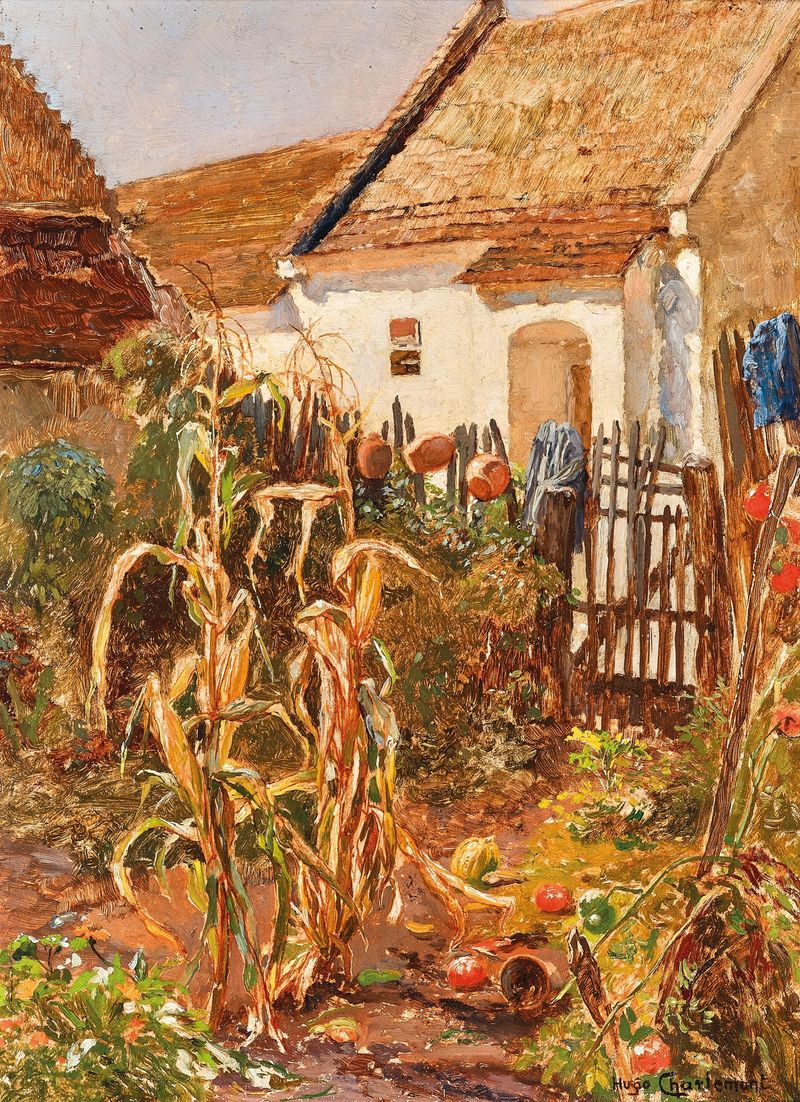
A rustic garden in the Wachau region
Hugo Charlemont
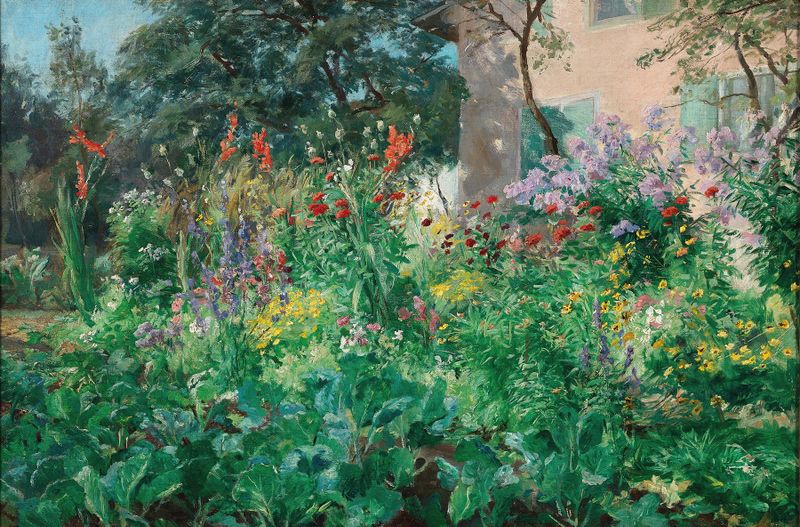
Bauerngarten
Hugo Charlemont





