
Old Chestnut Tree — History & Facts
When did color learn to lie? In the stillness of a moment captured on canvas, the whisper of silence envelops an old chestnut tree, its gnarled branches and rustling leaves imbuing the scene with an unspoken narrative. Look to the center, where the trunk stands robust, almost defiantly against the backdrop of muted browns and greens. The texture of the bark, painstakingly rendered, draws the eye, inviting closer inspection. Notice how the palette varies subtly; ochres and deep umbers coexist with soft mossy greens, forming a natural harmony that feels both comforting and melancholic.
The interplay of light and shadow dances across the leaves, as if capturing a fleeting breeze, heightening the sense of tranquility inherent in this solitary figure. The emotional tension lies in the juxtaposition of endurance and decay. While the chestnut tree stands resilient, its age is palpable—each crack in the bark tells a story of seasons long past. There's an intimate relationship between the tree and the surrounding earth, evoking a sense of nostalgia for moments that linger just beyond recollection.
The suffocating quiet is almost deafening, inviting contemplation about what stories this venerable being could tell if only it could speak. In the late 19th century, Charlemont found himself amidst a flourishing art scene, influenced by both realism and impressionism. His work, including this piece, reflects a growing interest in nature and the emotional weight it carries. At the time, many artists were exploring the connection between man and the natural world; this painting resonates with the solitude and introspection that defined an era seeking solace in the beauty of the organic.
More Artworks by Hugo Charlemont
Browse all →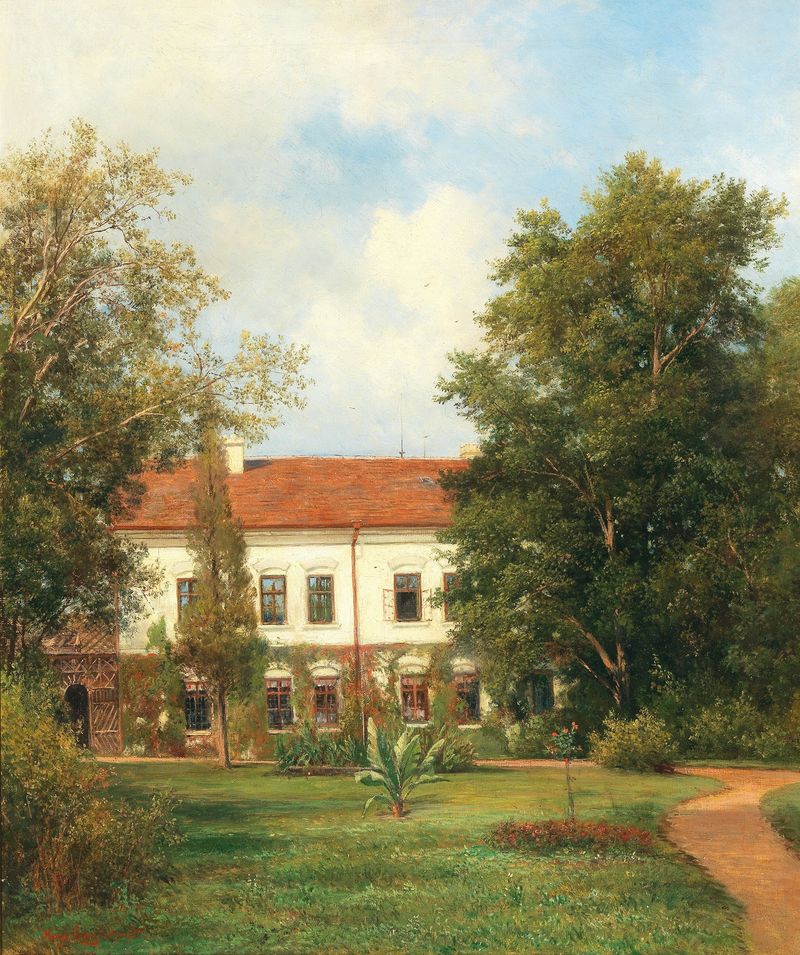
View of a Castle in Bohemia
Hugo Charlemont
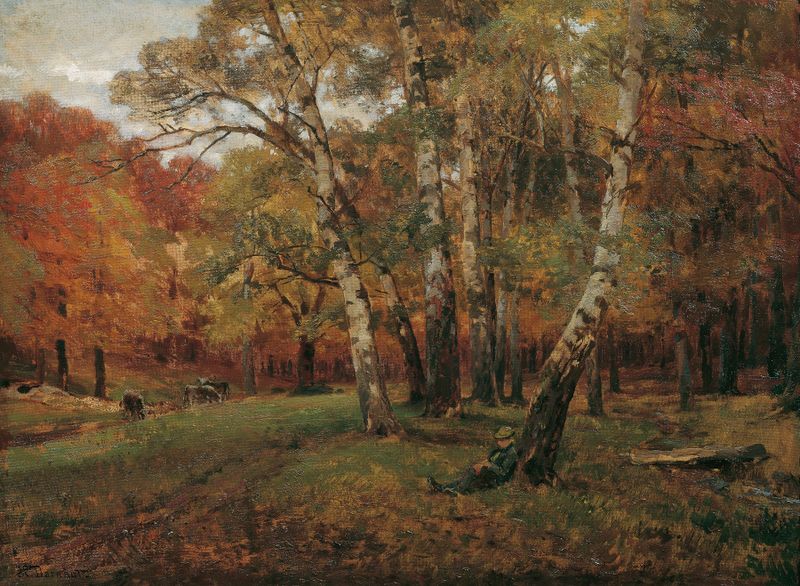
Die Ruine Starhemberg im Piestingtal
Hugo Charlemont
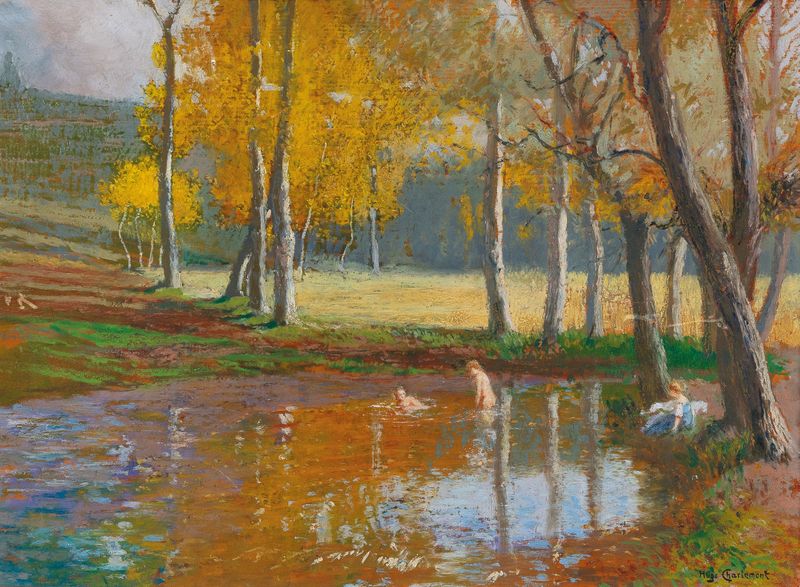
Bathers In A Woodland Pond
Hugo Charlemont
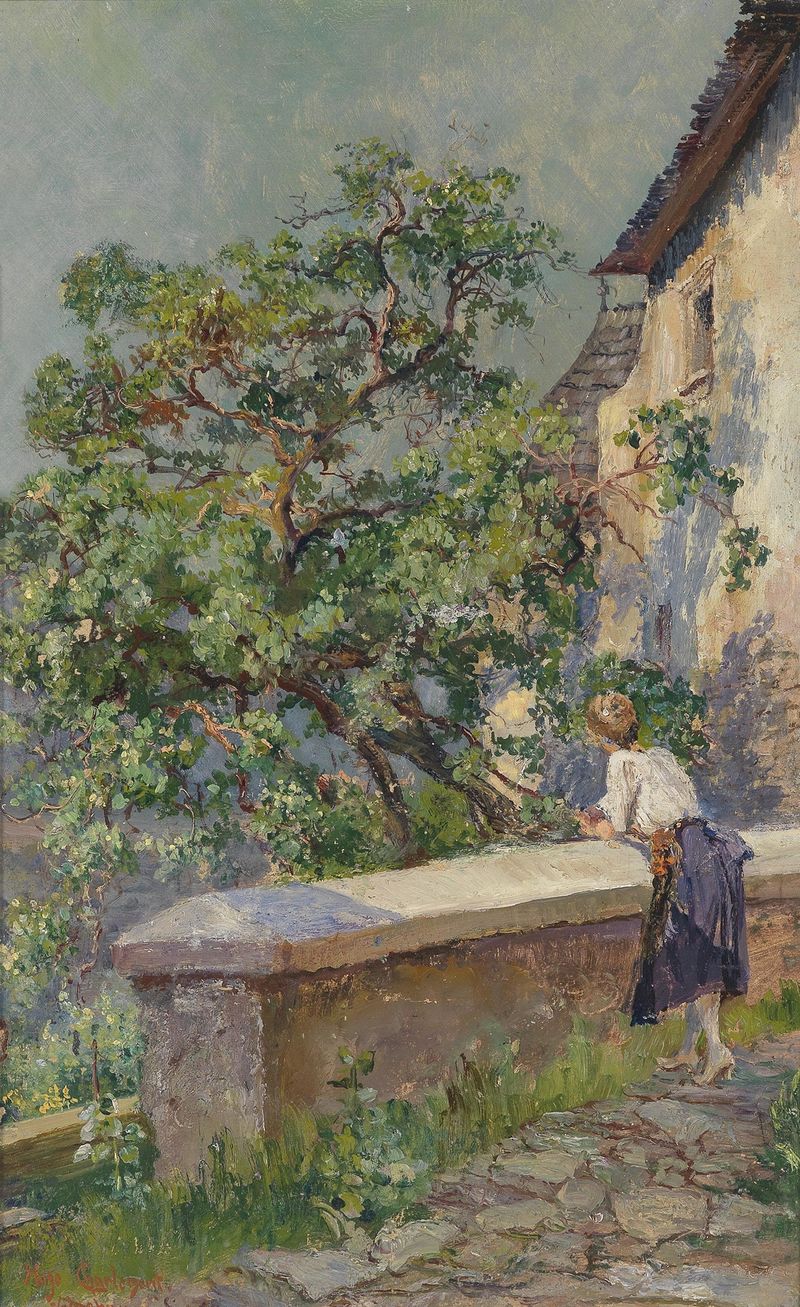
Aus der Wachau
Hugo Charlemont
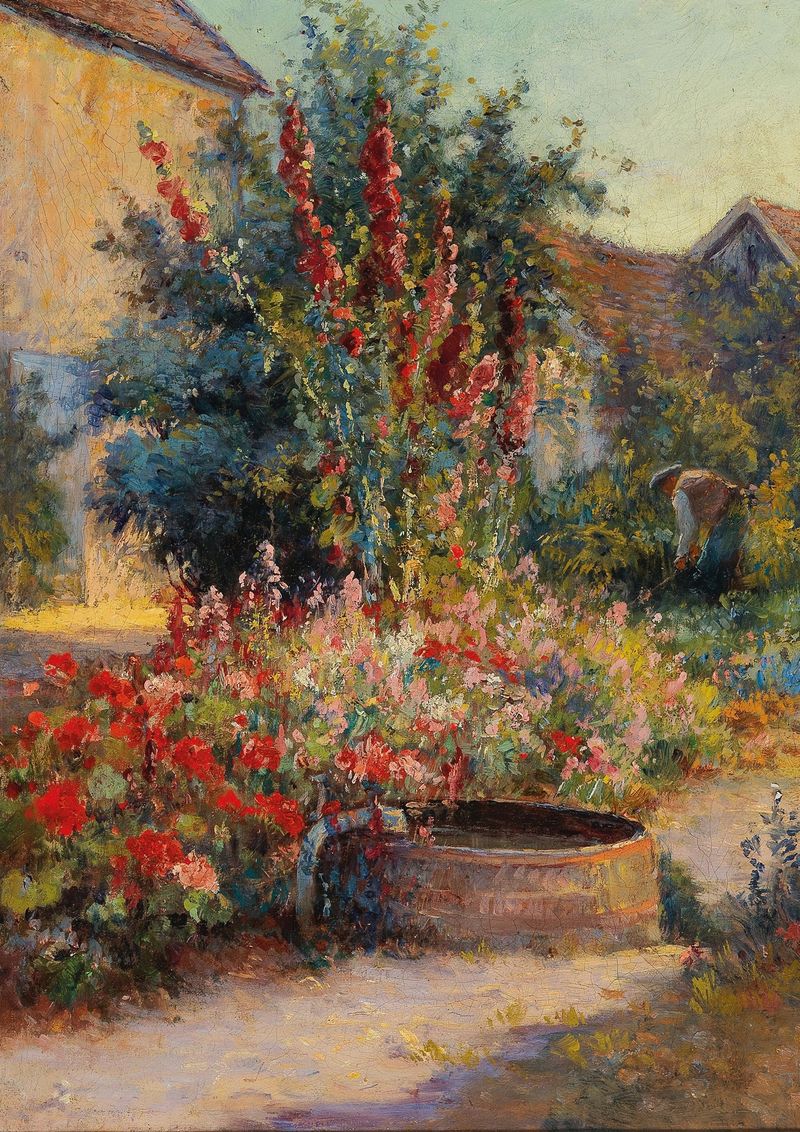
Garten in Brioni
Hugo Charlemont
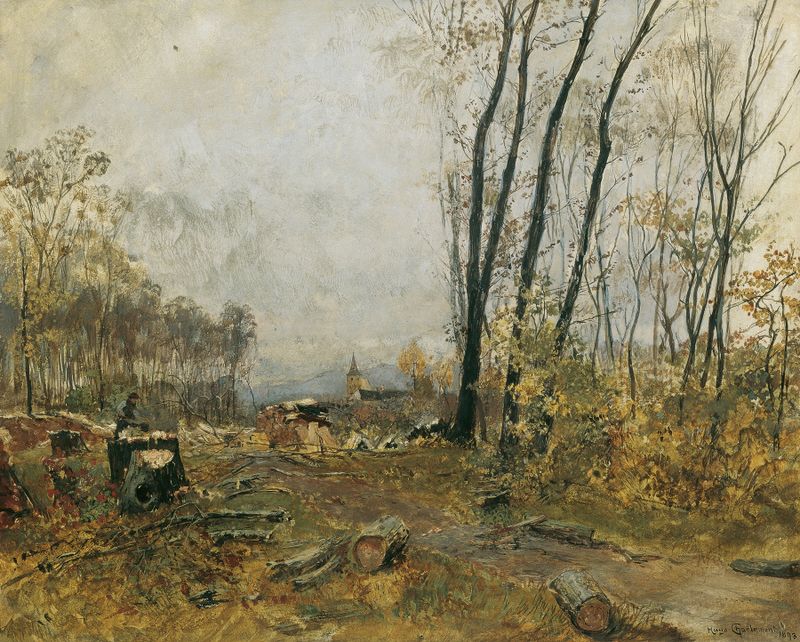
Au bei Klosterneuburg
Hugo Charlemont
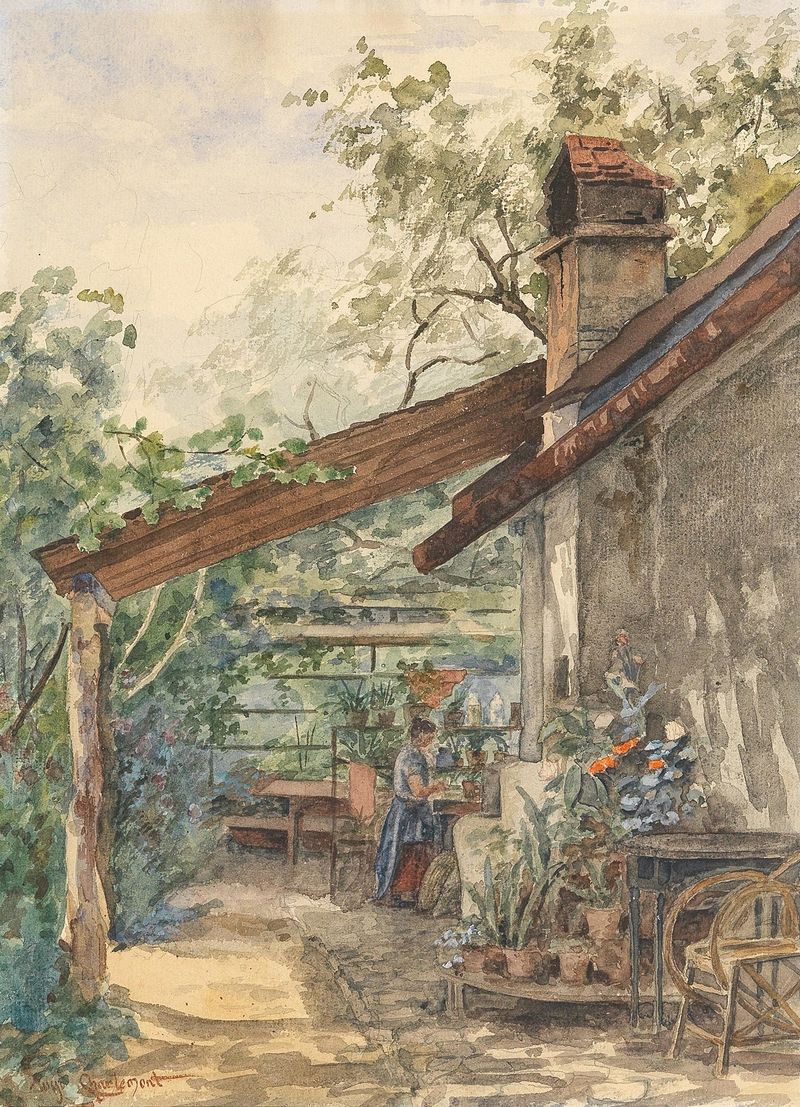
Pflanzendepot
Hugo Charlemont
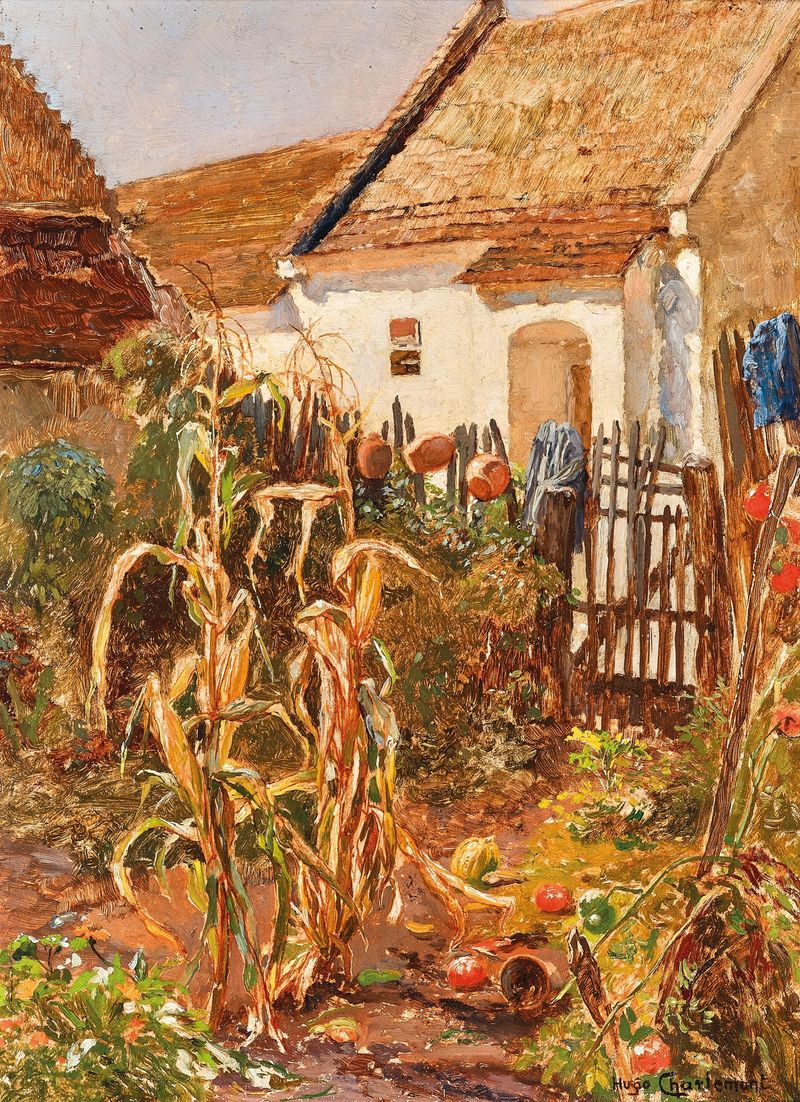
A rustic garden in the Wachau region
Hugo Charlemont
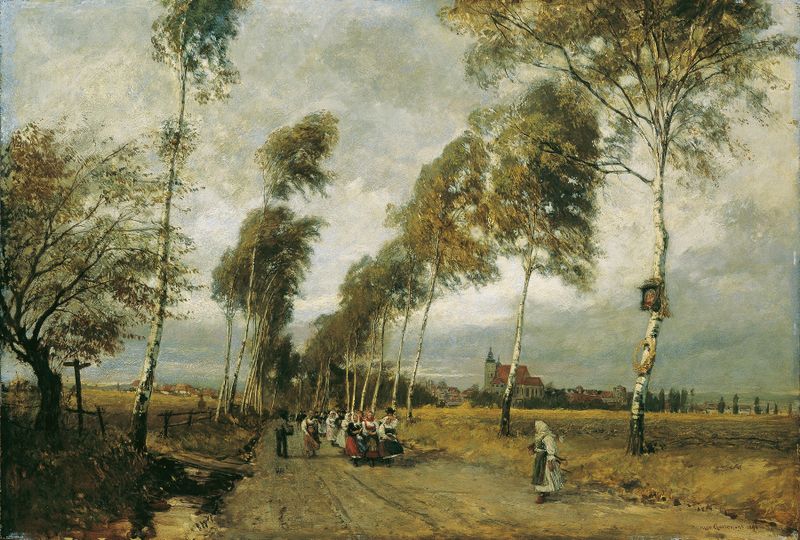
Landstraße mit Birkenallee
Hugo Charlemont
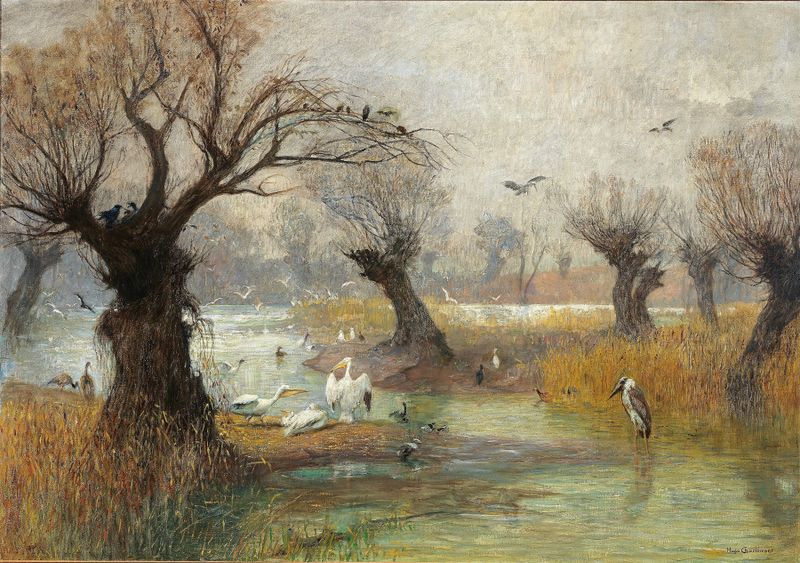
Pelikane am Flussufer
Hugo Charlemont





