
Au bei Klosterneuburg — History & Facts
Did the painter know this moment would outlive them? In Au bei Klosterneuburg, a poignant stillness envelops the canvas, capturing a fleeting glimpse of life punctuated by a gentle melancholy. Focus on the serene riverbank, where soft greens and browns meld seamlessly; the flowing water reflects dappled sunlight, inviting the eye to wander. Notice the intricate brushstrokes that delineate the figures—a solitary woman in a white dress, her posture one of contemplation, while a man stands slightly behind her, as if caught in a reverie. The light filters through the trees, casting delicate shadows that add depth and warmth, anchoring the scene in a tranquil yet emotional atmosphere. As you explore the painting, consider the contrast between the vibrant landscape and the solitary figures.
The lush environment thrives around them, yet their stillness evokes a sense of introspection, hinting at inner turmoil or loss. The delicate balance of nature’s beauty and human vulnerability speaks to a shared experience of reflection and solitude that transcends time, creating an emotional resonance that lingers long after the initial glance. In 1893, Hugo Charlemont painted Au bei Klosterneuburg during a period marked by artistic exploration in Austria. He was influenced by the burgeoning Symbolist movement, seeking to convey deeper emotional truths through his landscapes.
This painting emerged as Charlemont navigated his own artistic identity amidst a backdrop of cultural change, capturing a moment that bridges the past with the timeless weight of human experience.
More Artworks by Hugo Charlemont
Browse all →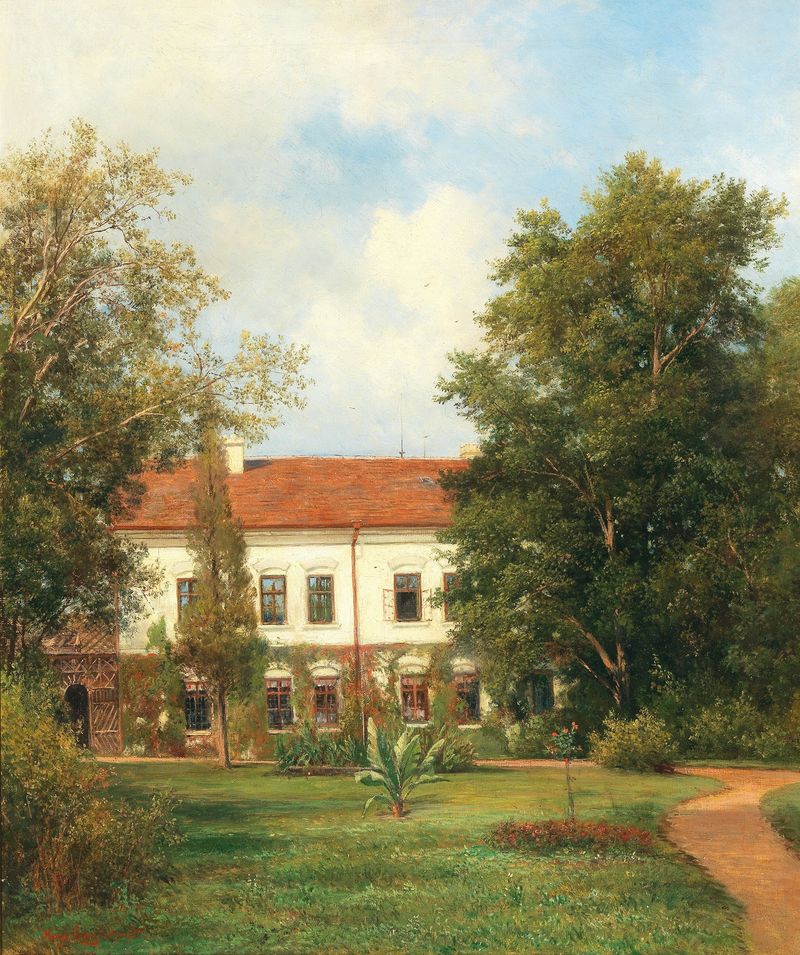
View of a Castle in Bohemia
Hugo Charlemont
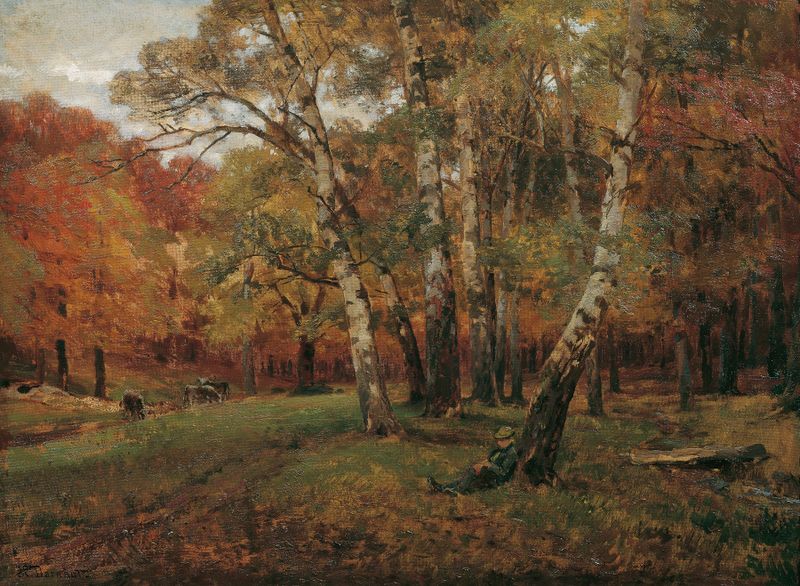
Die Ruine Starhemberg im Piestingtal
Hugo Charlemont
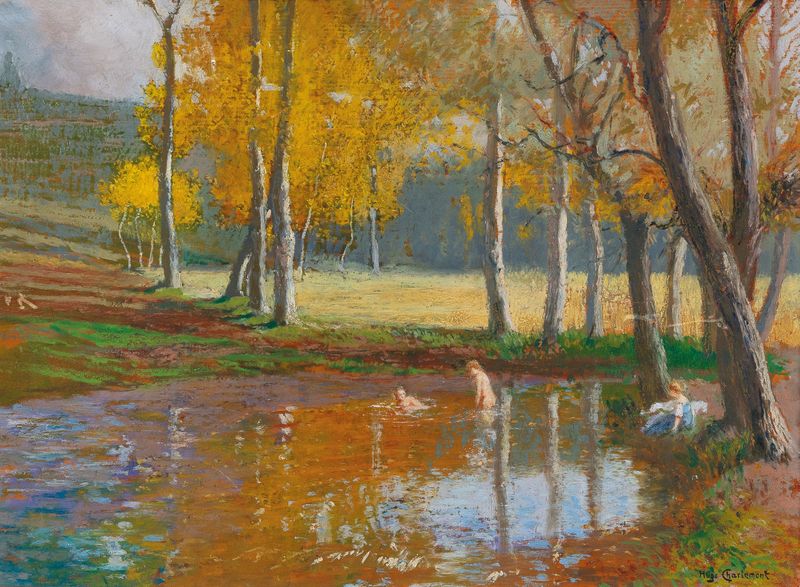
Bathers In A Woodland Pond
Hugo Charlemont
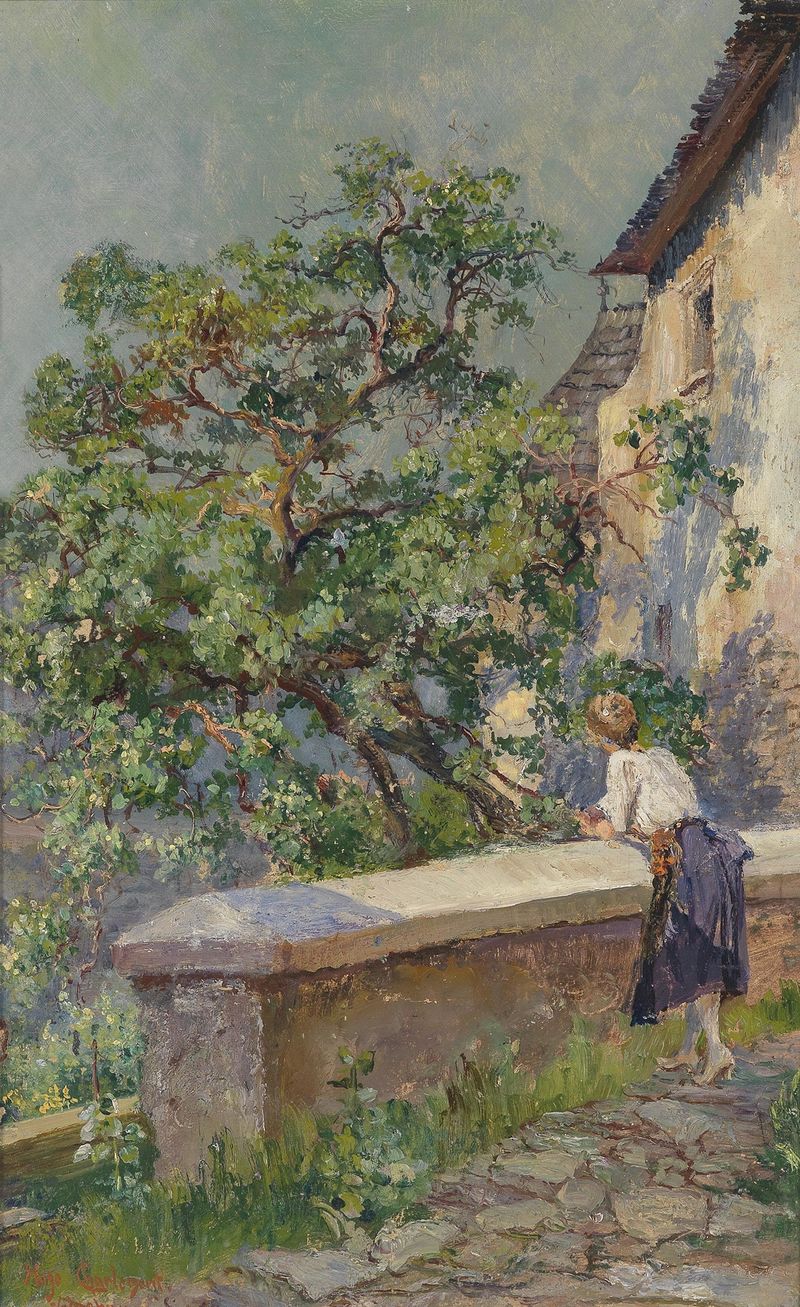
Aus der Wachau
Hugo Charlemont
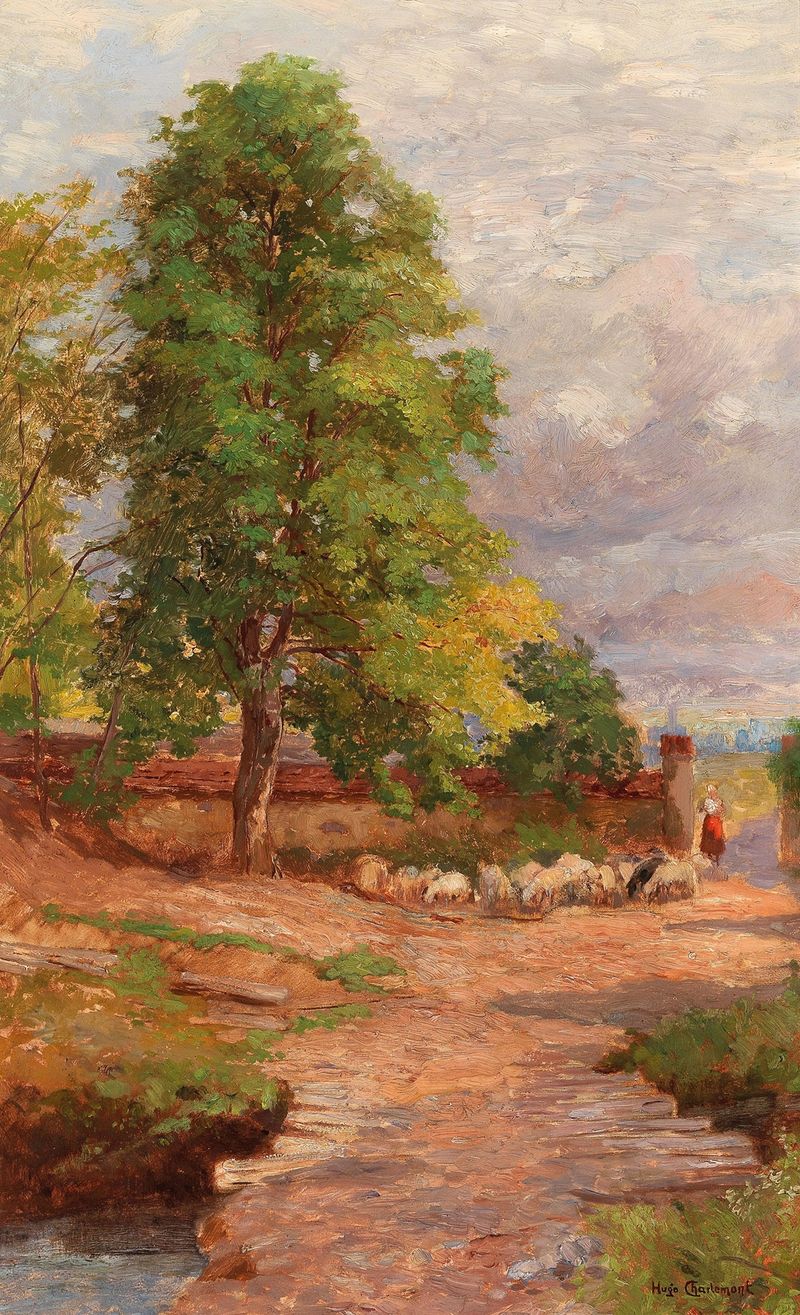
Old Chestnut Tree
Hugo Charlemont
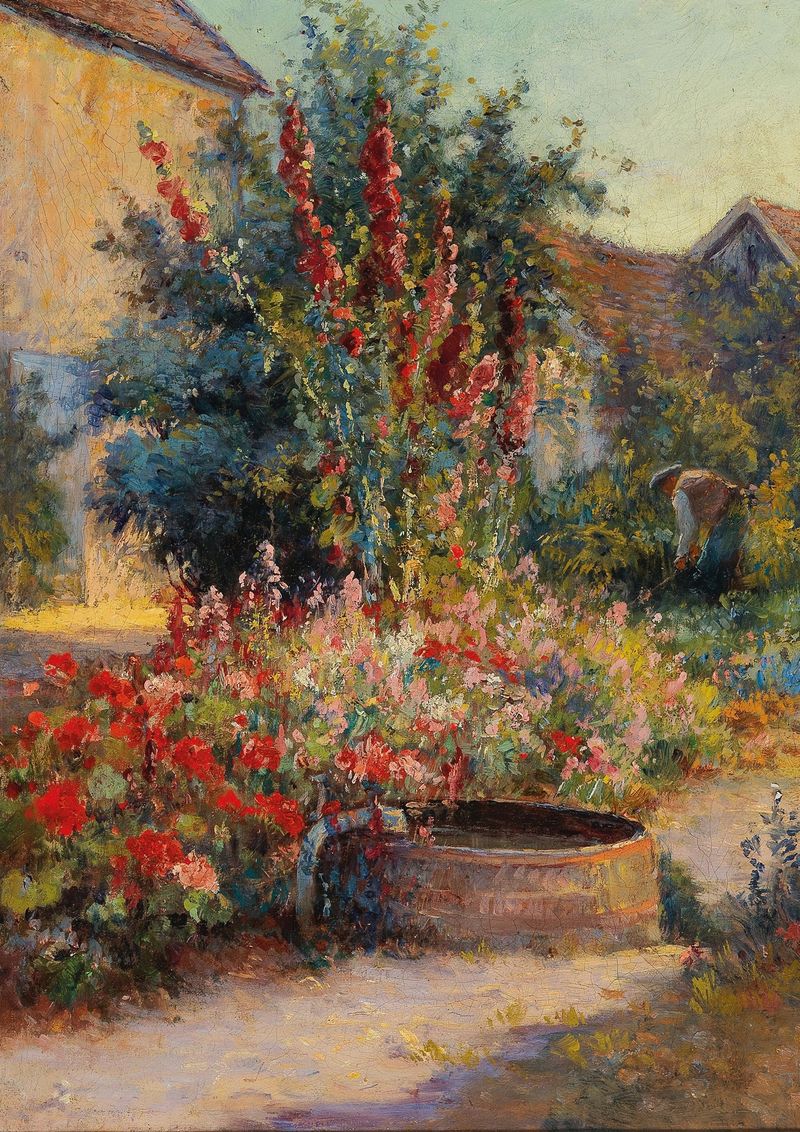
Garten in Brioni
Hugo Charlemont
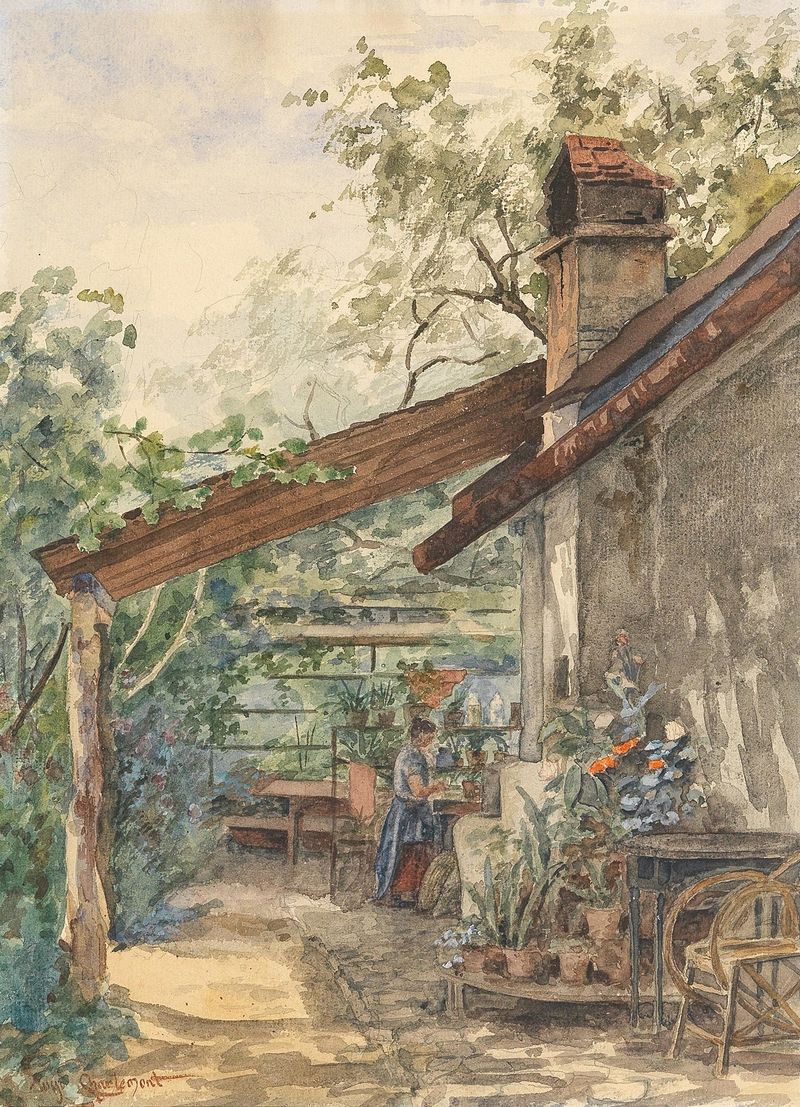
Pflanzendepot
Hugo Charlemont
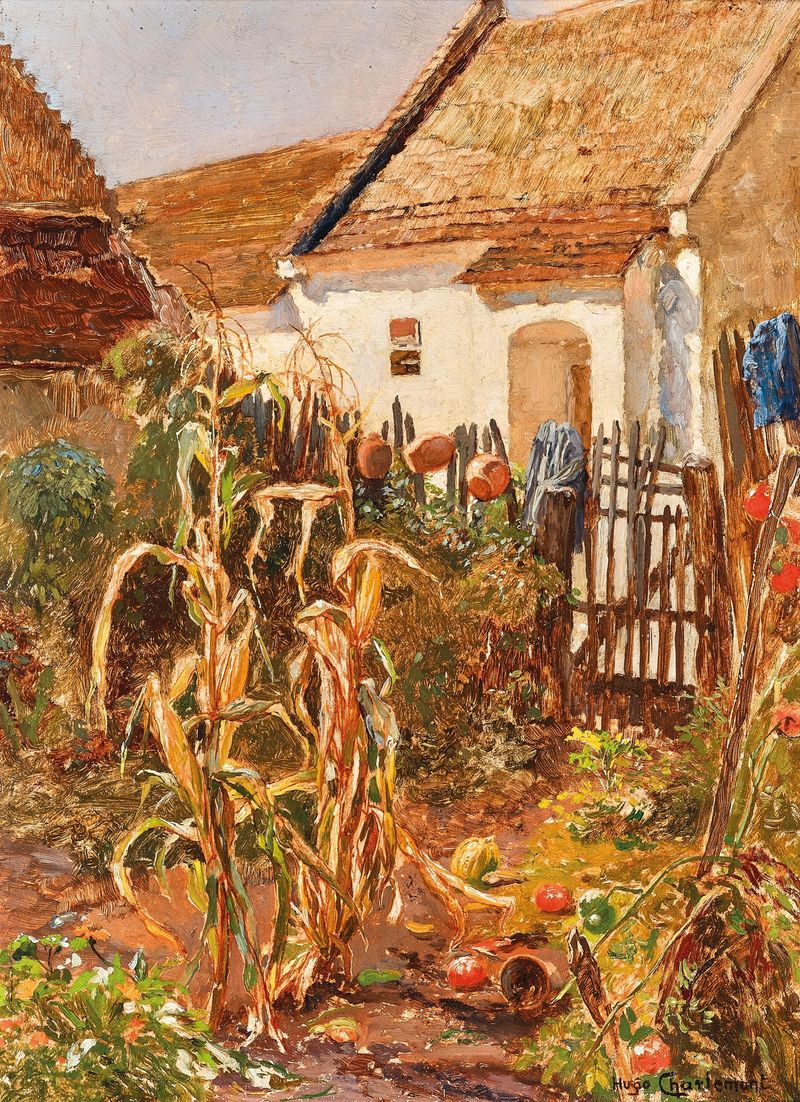
A rustic garden in the Wachau region
Hugo Charlemont
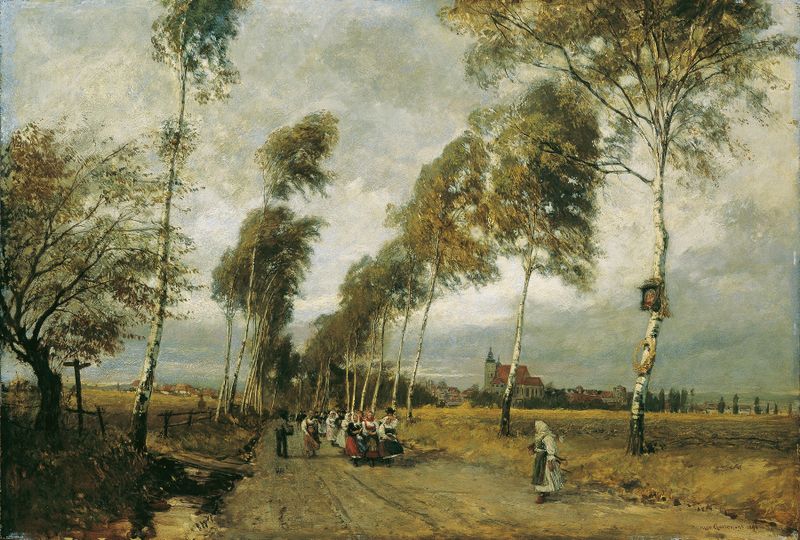
Landstraße mit Birkenallee
Hugo Charlemont
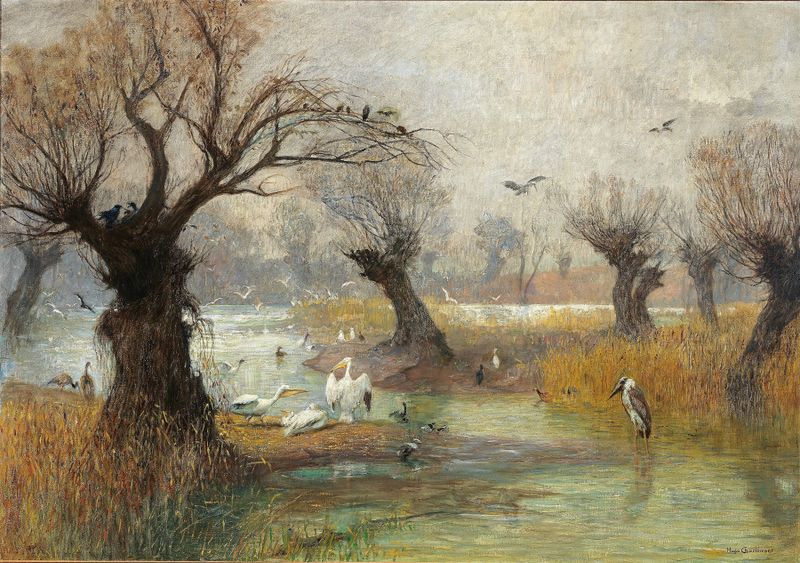
Pelikane am Flussufer
Hugo Charlemont





