
Het Accijnshuis te Amsterdam — History & Facts
Can paint confess what words never could? In Het Accijnshuis te Amsterdam, the illusion of reality is brilliantly crafted, revealing layers of thought that extend beyond the canvas. Look to the left at the intricate façade of the building, where warm, golden hues bathe the stone in an inviting glow. Notice how the carefully arranged shadows deepen the recesses, creating a sense of depth that draws the eye inward. The interplay of light and shadow is not merely decorative; it reveals the artist's commitment to capturing the essence of Amsterdam's architecture, imbuing it with a sense of life and movement that feels almost palpable. As you delve further into the composition, reflect on the contrast between the solidity of the structure and the ethereal quality of the atmosphere surrounding it.
The meticulous details of the windows, juxtaposed with the flowing lines of the clouds above, evoke a tension between permanence and transience. It speaks to the bustling life of the city, where fleeting moments coexist with enduring history, allowing viewers to ponder the stories that unfold within these walls. Willem Wenckebach created this piece in the 20th century, during a time when he was exploring the intersections of realism and abstraction. Living in the Netherlands, he was influenced by both traditional Dutch painting and modernist trends.
His work reflects the transitional period in art, as the Western world grappled with the aftermath of war and sought to redefine cultural identity through innovation and tradition.
More Artworks by Willem Wenckebach
Browse all →
Bakkersgang te Amsterdam
Willem Wenckebach

Oude huizen aan het Markenplein te Amsterdam
Willem Wenckebach

Oude huizen aan het Waterlooplein te Amsterdam
Willem Wenckebach
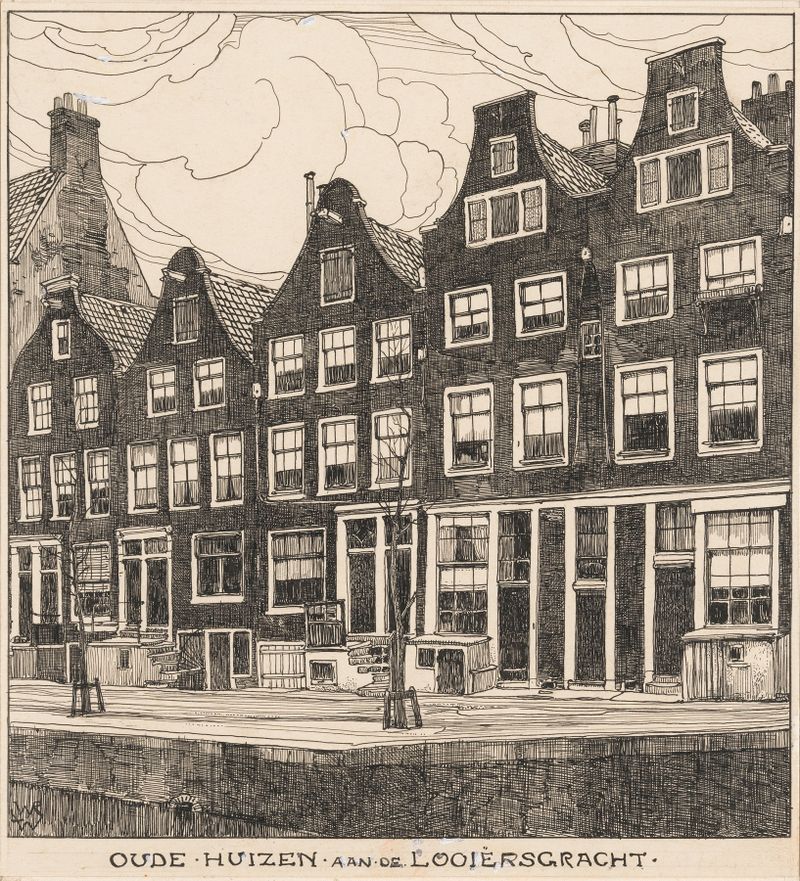
Oude huizen aan de Looiersgracht te Amsterdam
Willem Wenckebach
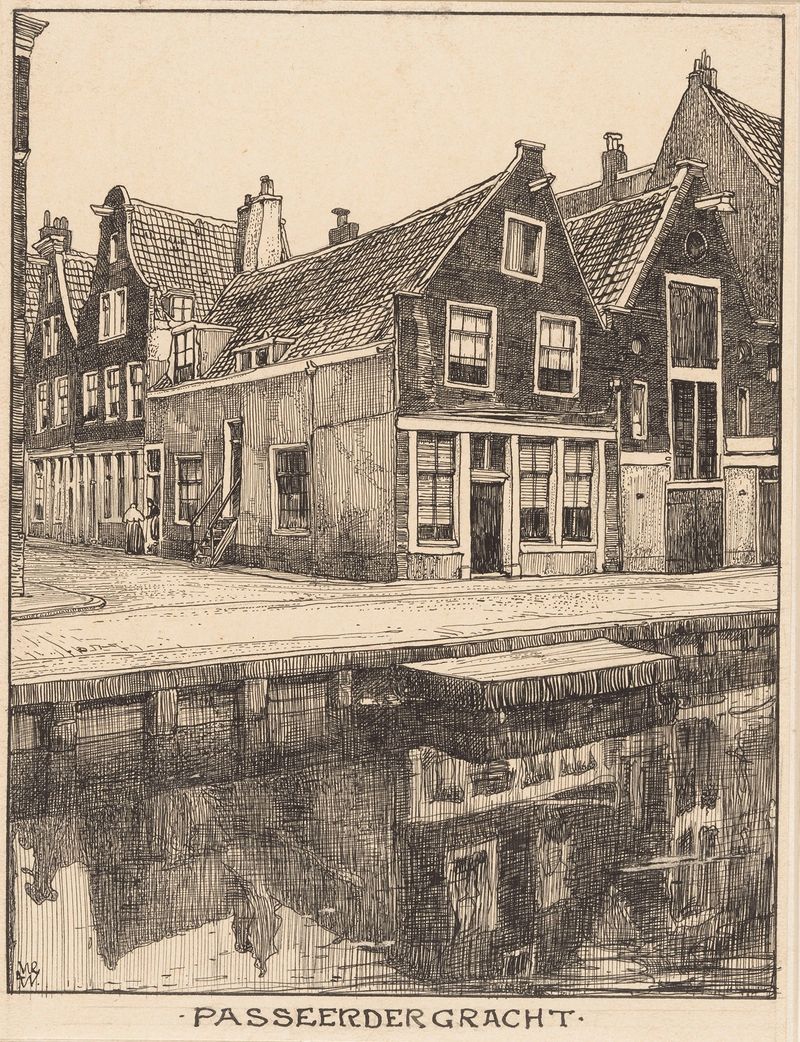
Passeerder Gracht te Amsterdam
Willem Wenckebach
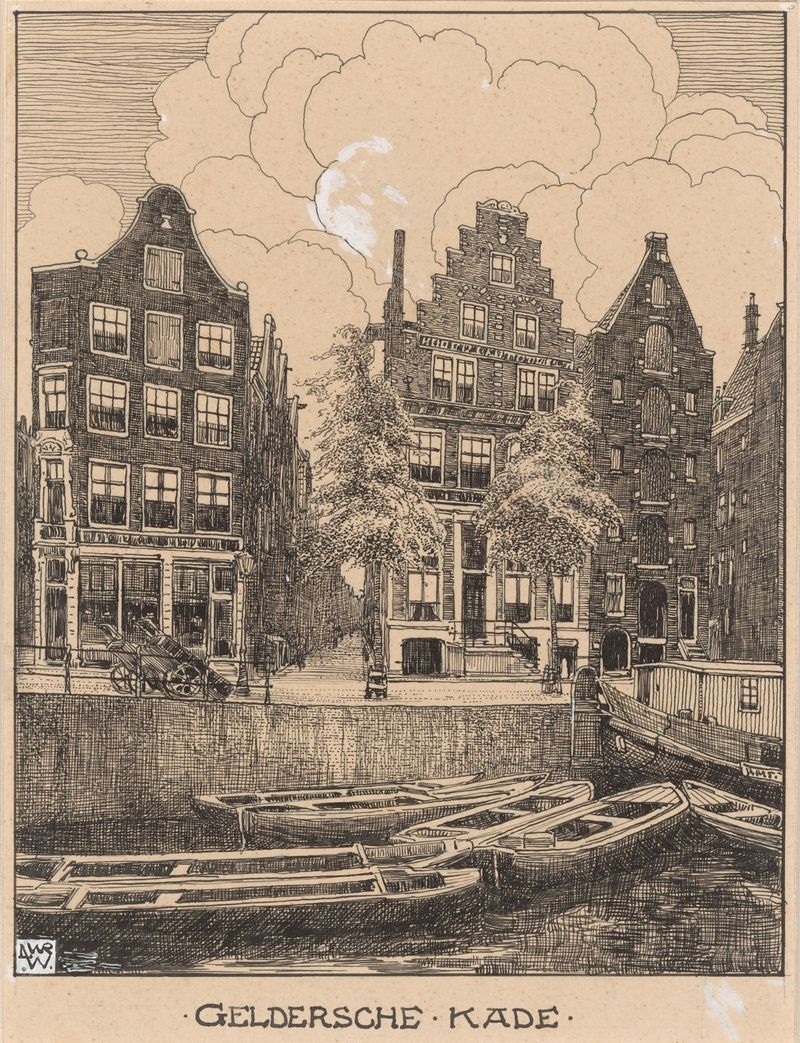
De Gelderse Kade te Amsterdam
Willem Wenckebach
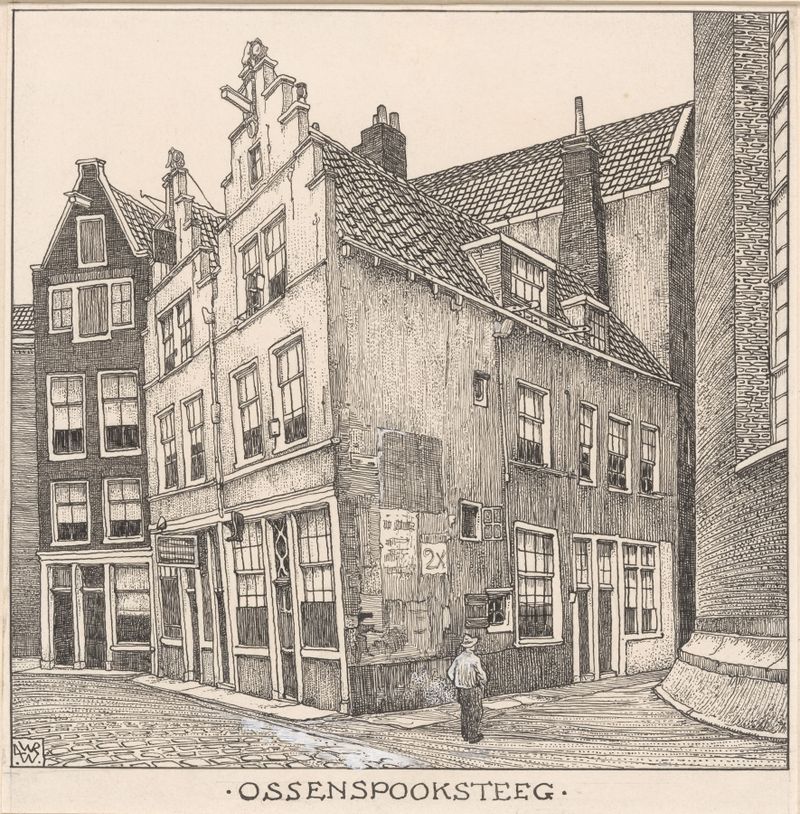
De Ossenspooksteeg te Amsterdam
Willem Wenckebach

Het Beurspleintje te Amsterdam
Willem Wenckebach
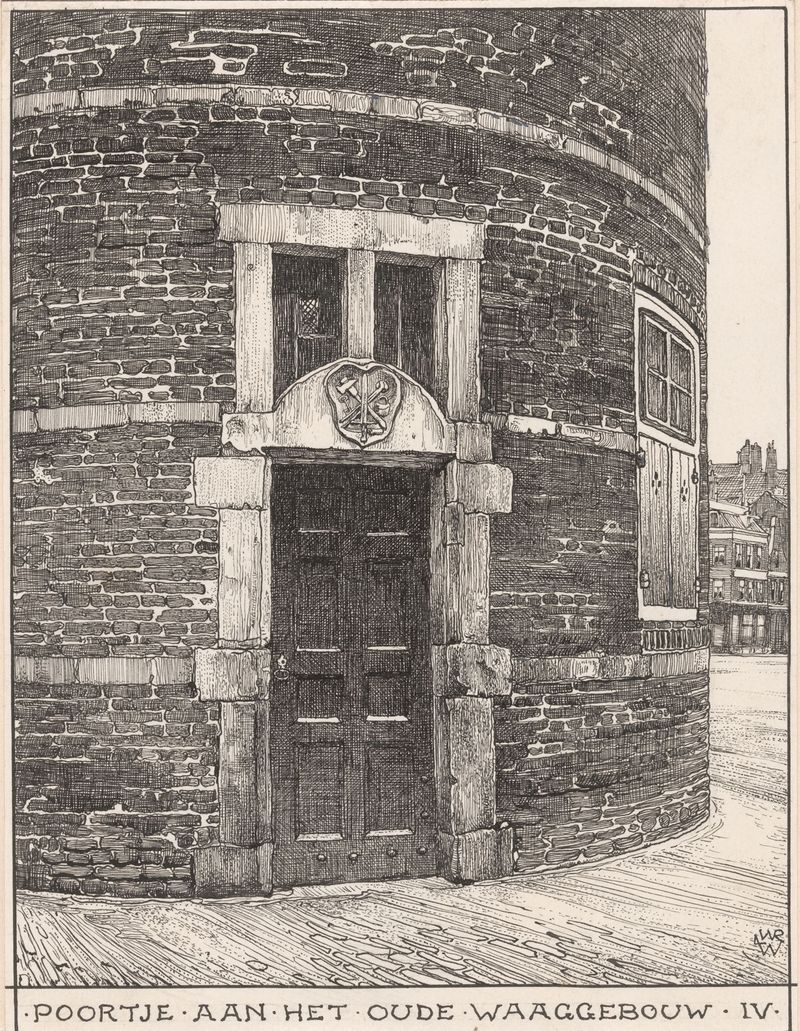
Poortje aan het oude Waaggebouw te Amsterdam
Willem Wenckebach

Torensluis te Amsterdam
Willem Wenckebach
More Architecture Art
Browse all →
The statue of Liberty
Frédéric Auguste Bartholdi

View of Houses in Delft, Known as ‘The Little Street’
Johannes Vermeer

View of Houses in Delft, Known as ‘The Little Street’
Johannes Vermeer

The Cathedral in Rouen. The portal, Grey Weather
Claude Monet

The yellow house
Vincent van Gogh

The Church in Auvers-sur-Oise, View from the Chevet
Vincent van Gogh