
Het kasteel van Bunnol — History & Facts
What if beauty was never meant to be finished? This notion lingers in the air, much like the ethereal light depicted in Het kasteel van Bunnol. It dances across the surfaces of the artwork, inviting us to ponder the transient nature of both art and existence. Look to the delicate interplay of light and shadow; notice how it illuminates the castle's turrets, casting elongated shapes that stretch toward the canvas edges. The artist skillfully employs a palette of soft pastels and muted earth tones, creating a serene yet haunting atmosphere.
The composition leads the eye through the architecture, inviting exploration—from the intricate detail of the stonework to the wisps of clouds that cradle the distant horizon. As you delve deeper, consider the contrasts that define this piece. The solidity of the castle stands in stark juxtaposition to the ephemeral quality of light, evoking a tension between permanence and impermanence. The tranquil water reflects these elements, suggesting a world that is both real and dreamlike, encouraging introspection about the beauty of fleeting moments. Otto Howen created Het kasteel van Bunnol during a time when the art world was embracing Impressionism and exploring the effects of light in new ways.
The exact date of this work remains unclear, but Howen's focus on atmospheric effects and the enchanting qualities of nature reflects broader artistic movements and the transformative spirit of his era.
More Artworks by Otto Howen
Browse all →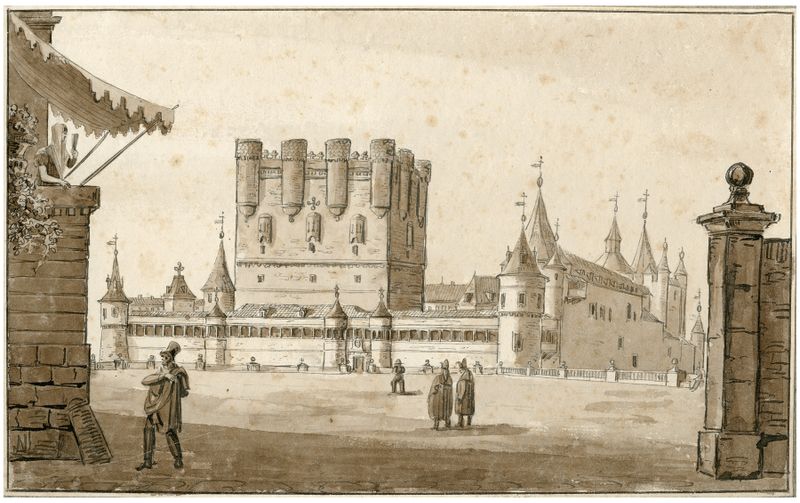
Het Alcazar te Segovia
Otto Howen
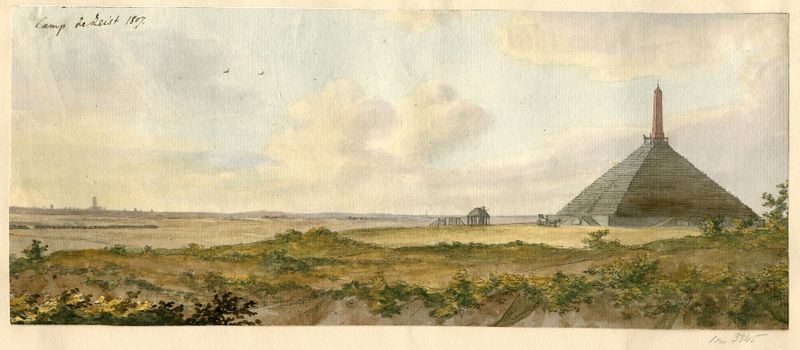
De piramide van Austerlitz bij Zeist
Otto Howen
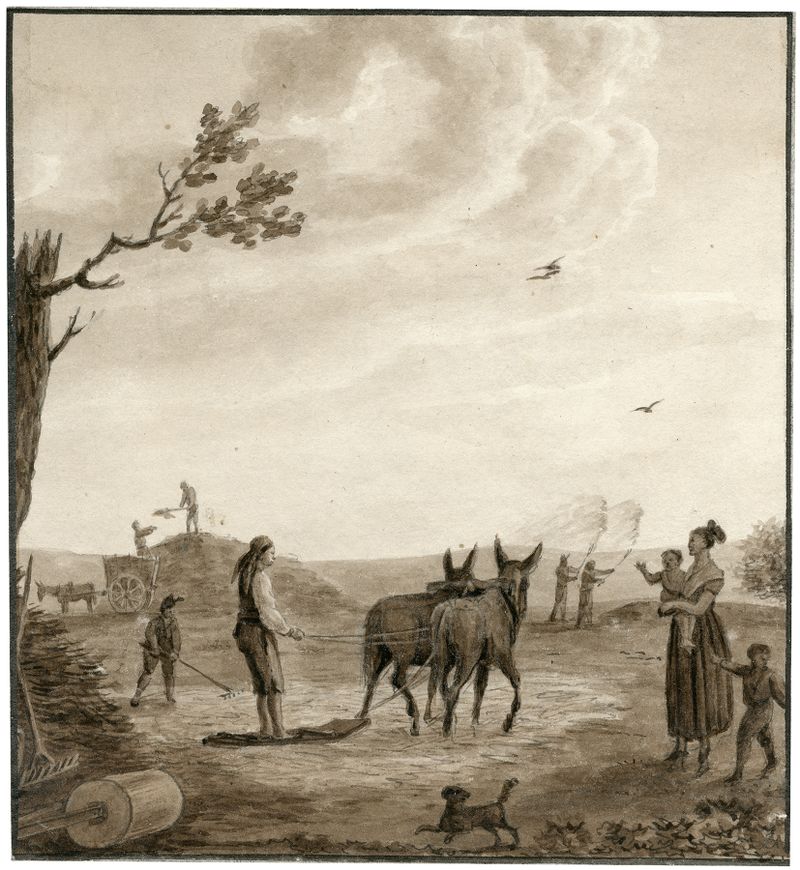
Het dorsen van het graan
Otto Howen
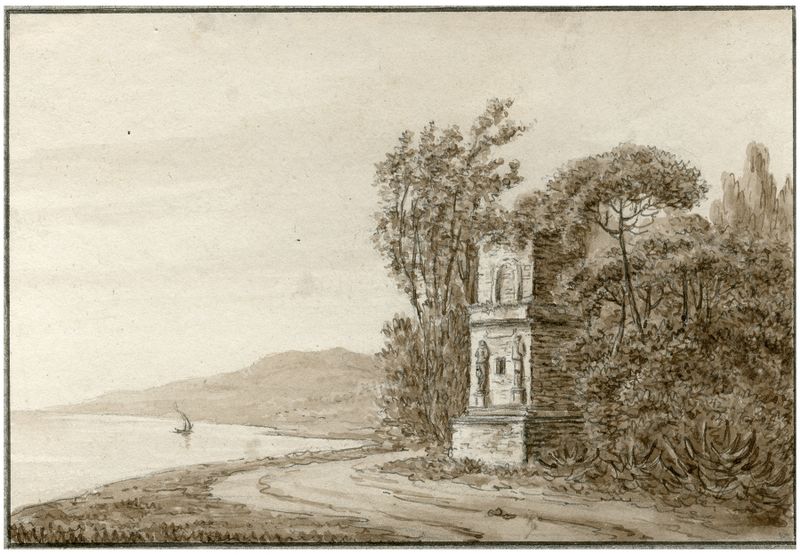
Een antiek monument in de omgeving van Taragone
Otto Howen
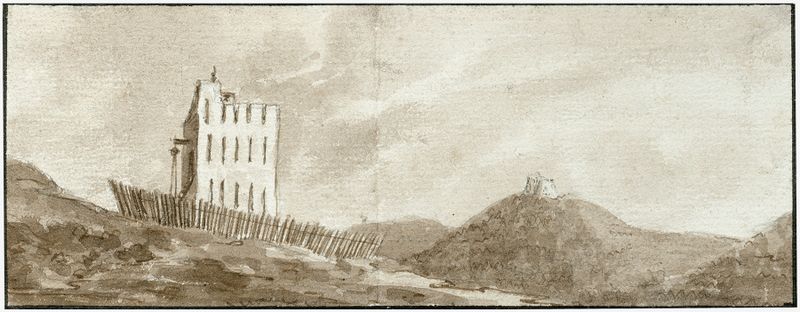
Gezicht in de omgeving van Gerona
Otto Howen
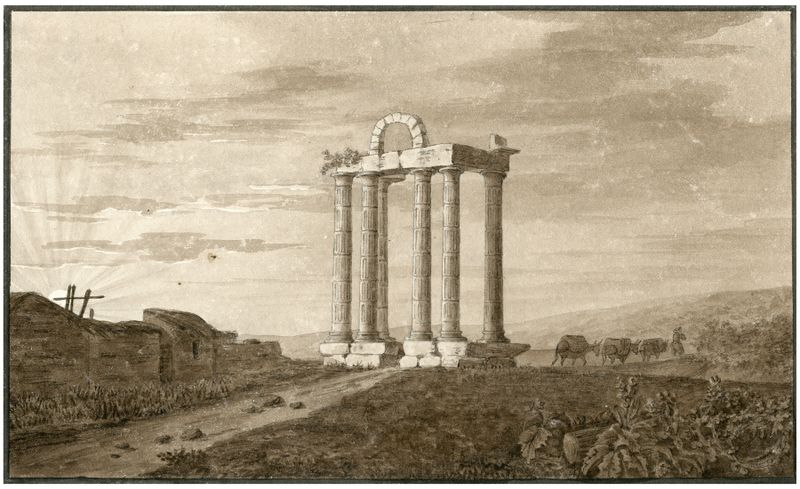
Antieke Ruïnes bij Talavera in Castillie
Otto Howen
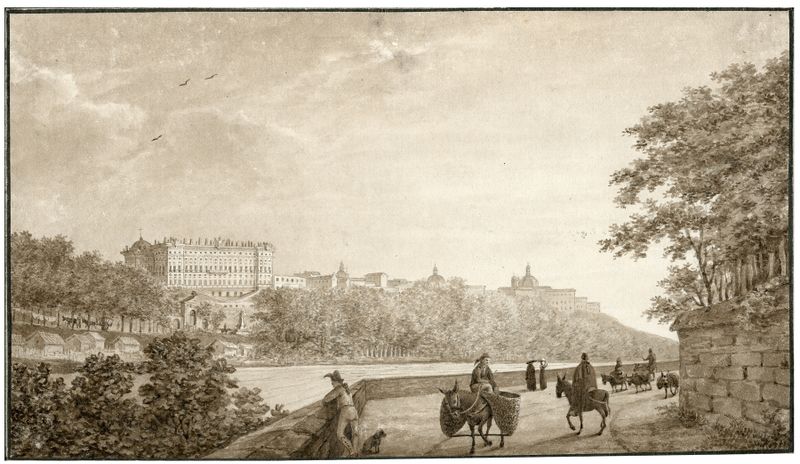
Het Koninklijke Paleis te Madrid
Otto Howen
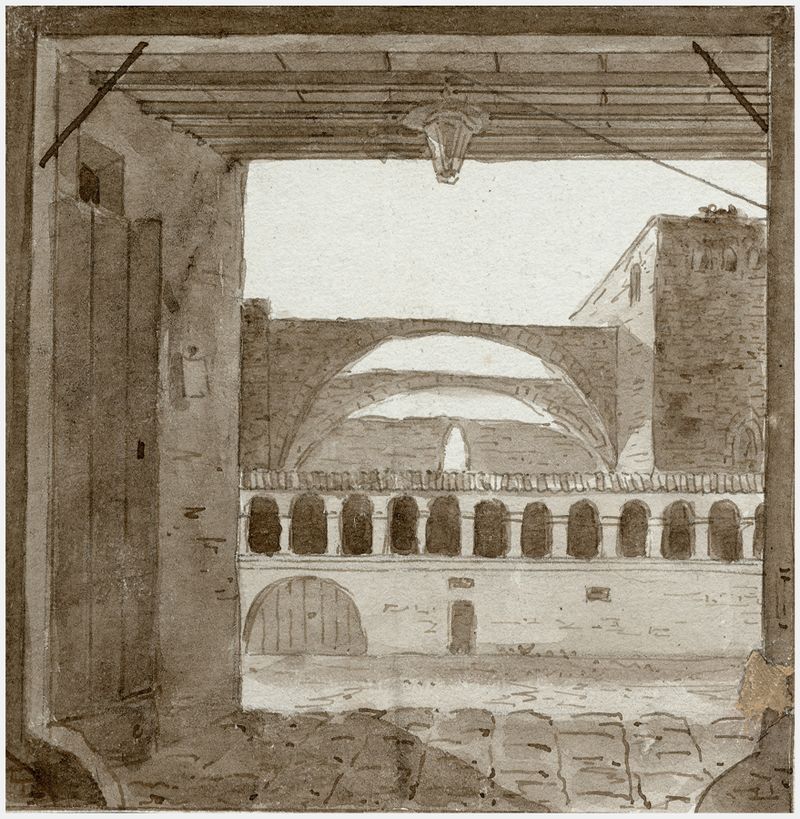
Ruïne van een klooster te Barcelona
Otto Howen
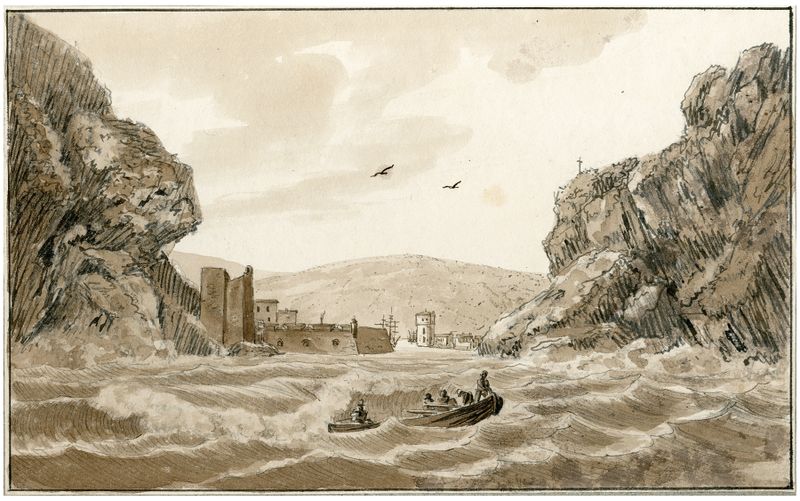
Een havenplaats in Spanje, Port de Passage
Otto Howen
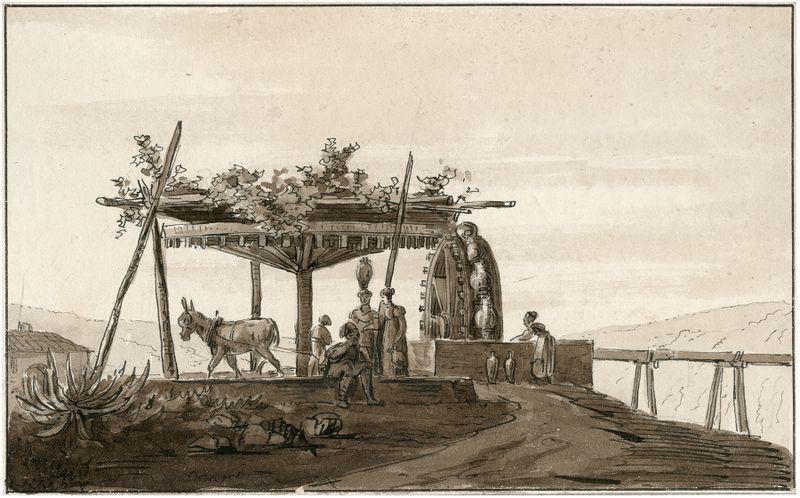
Een waterput met raderwerk en trekezel
Otto Howen





