Het levensrad — History & Facts
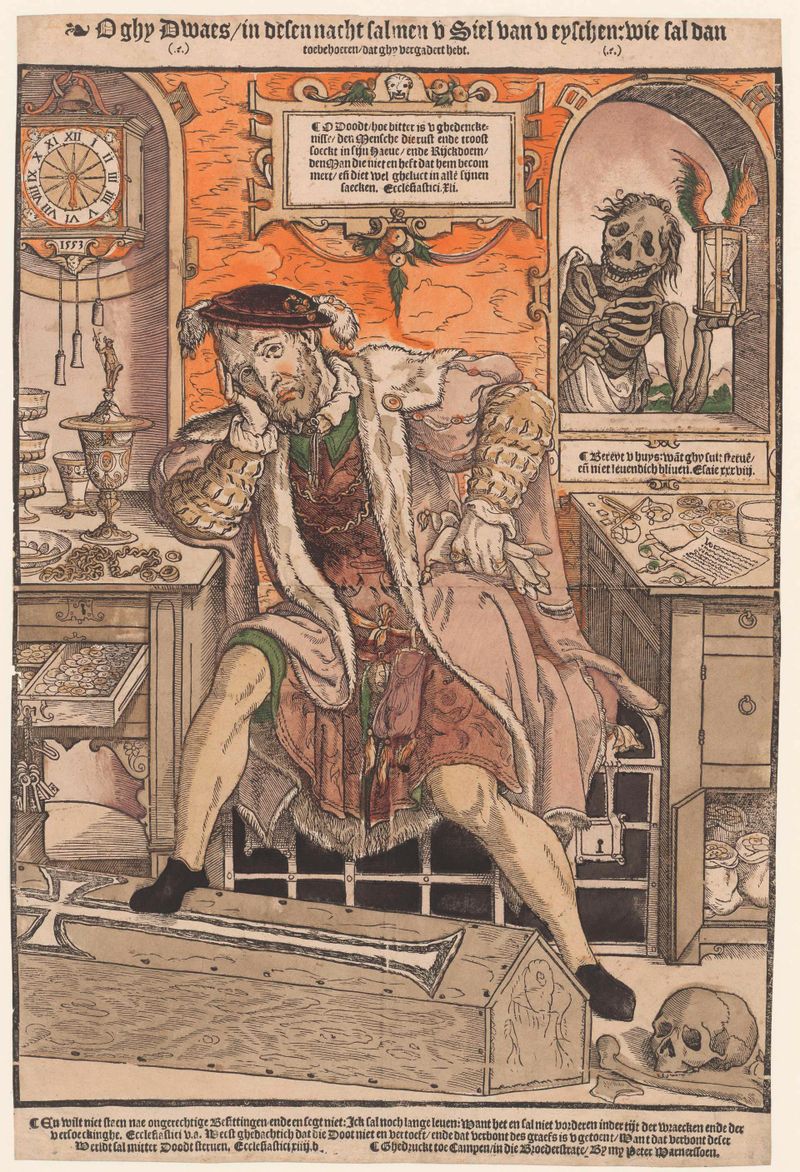
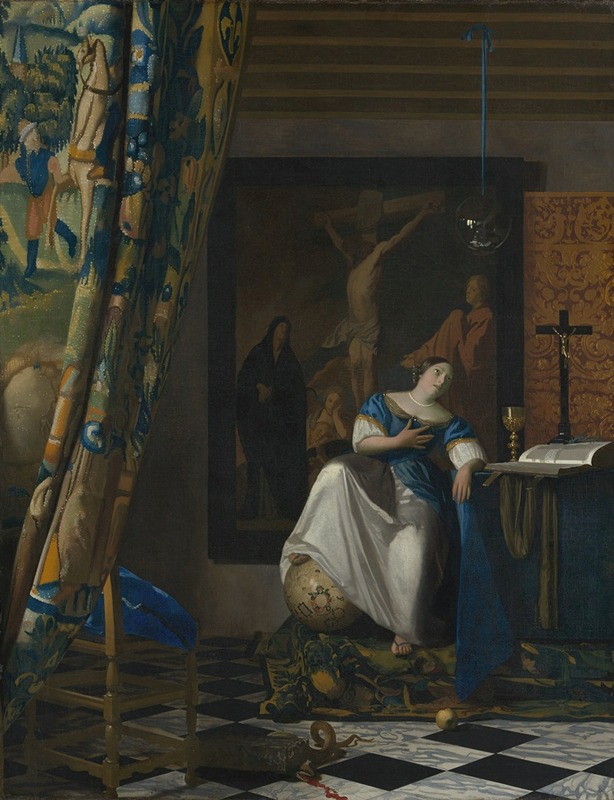
Could beauty survive in a century of chaos? Look closely at the intricate patterns swirling within Het levensrad. The central wheel dominates the composition, its spokes radiating outward in a dizzying display of life’s transience. Notice the muted colors—soft earth tones juxtaposed with deep, shadowy blues—that evoke a sense of foreboding yet also suggest a quiet resilience.
The meticulous detail of the figures, each entwined with the wheel, draws the eye; their expressions range from joy to despair, revealing the fragile balance between hope and despair that defines existence. Delve into the emotional undertones of this work. The wheel, representing the cycle of life, spins through phases of fortune and misfortune, emphasizing the inexorable passage of time. Each figure cradles their own stories, caught in the web of fate, and their delicate gestures speak volumes.
The juxtaposition of serene beauty against the backdrop of chaos invites contemplation on our own vulnerabilities and the temporary nature of triumph. Here, fragility is not merely a theme; it becomes an integral part of the narrative, echoing through the centuries. Painted in 1558, this piece emerged during a turbulent period for its creator, a nameless artist of the 16th century. The Protestant Reformation was reshaping Europe, challenging traditional beliefs and creating a cultural landscape rife with conflict.
This artist navigated the complexities of a society in flux, capturing the essence of human experience amidst uncertainty. In this historical context, Het levensrad stands as a poignant reminder of the continued relevance of beauty even in the darkest of times.