Het Maereltje — History & Facts
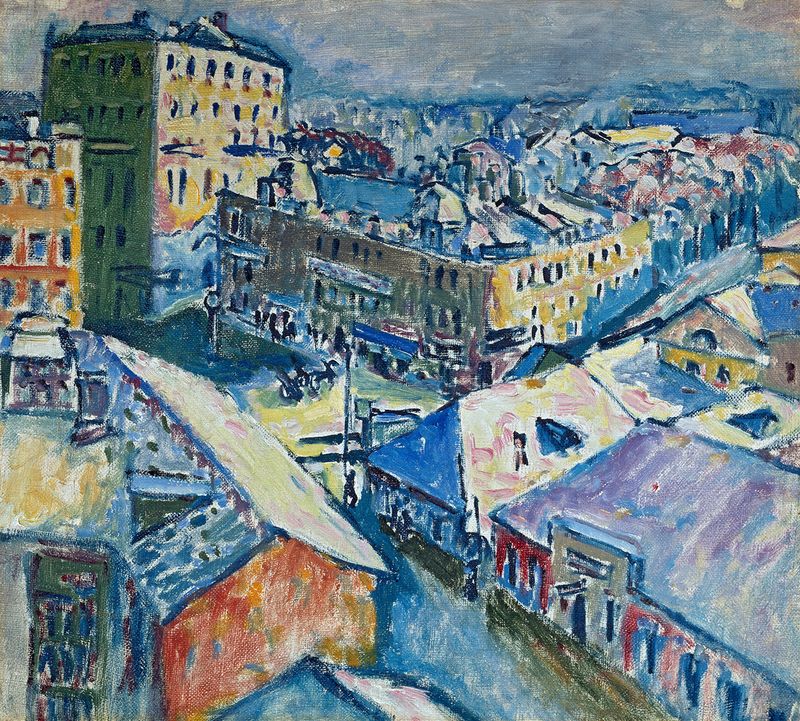
The colors speak volumes, each hue a whisper of emotion, drumming against the heart's silence. Look to the left at the vibrant splashes of blue—a charge of vitality that unites the scene. Notice how the ochre tones warm the composition, creating a sense of intimacy amidst the quietude. The brushstrokes are both fluid and assertive, guiding the viewer’s gaze across the canvas, where color feels alive, pulsating with unspoken stories.
The interplay of light and shade engenders depth, inviting the observer to delve into the undercurrents of meaning that lurk just beneath the surface. At first glance, the artwork captures a moment of serene stillness, yet beneath lies a tension between nostalgia and longing. The soft edges of the forms evoke a sense of memory, suggesting that what’s represented may be transient. The contrasting palettes—warm, inviting yellows against cool, reflective blues—whisper of the duality of human experience: joy and sorrow intertwined, each hue confessing a fragment of the soul's journey. In 1917, while creating this piece, Lodewijk Schelfhout was navigating the complexities of post-war Europe, where the shadows of conflict loomed large.
As he painted, he sought to capture the emotions of a society healing from turmoil, and his mastery of color became a language through which to express these sentiments. This period marked his exploration of the emotional potential of color in art, aligning with a broader movement that sought to redefine expression in a changing world.
More Artworks by Lodewijk Schelfhout
Browse all →
Hollands landschap met boerderij en weiland
Lodewijk Schelfhout
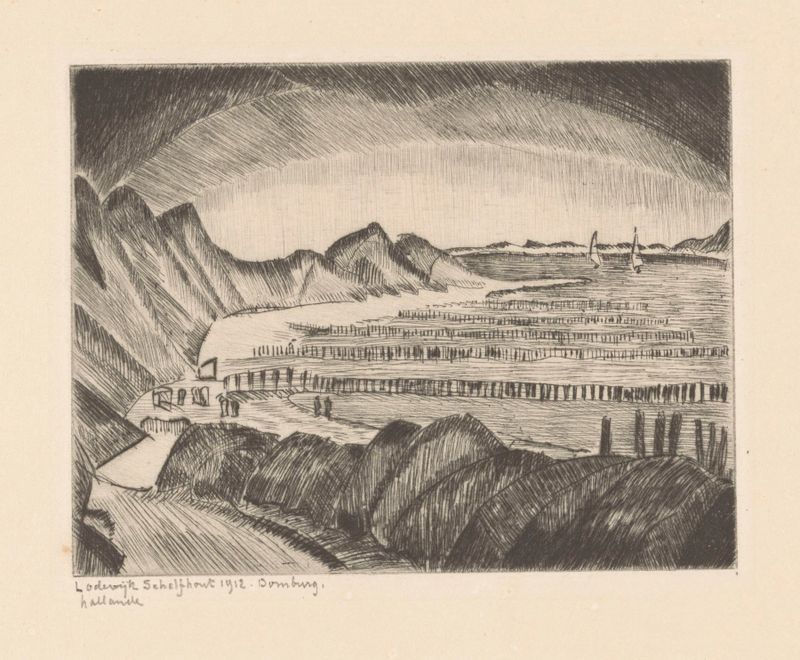
Strand van Domburg Plage de Dombourg
Lodewijk Schelfhout
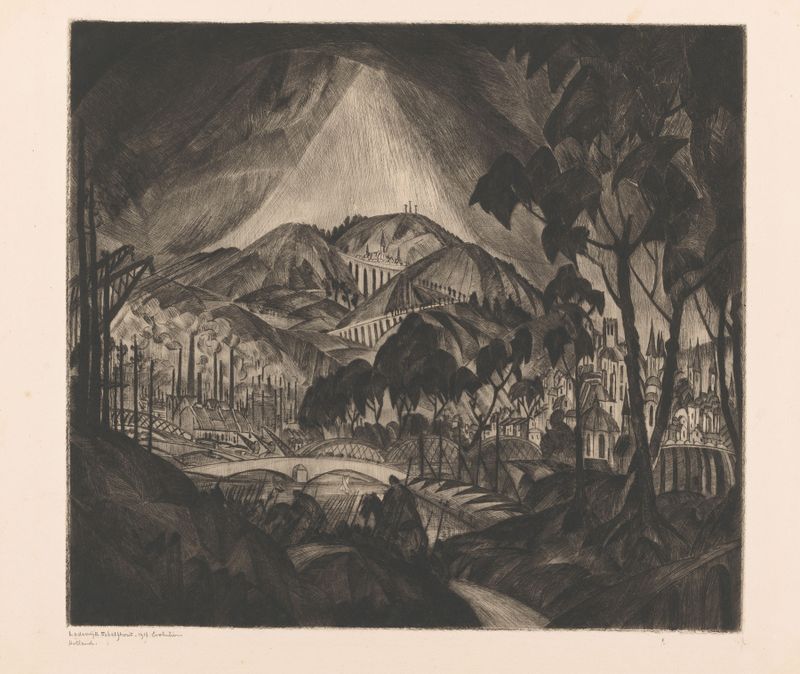
Heuvellandschap met industrie
Lodewijk Schelfhout
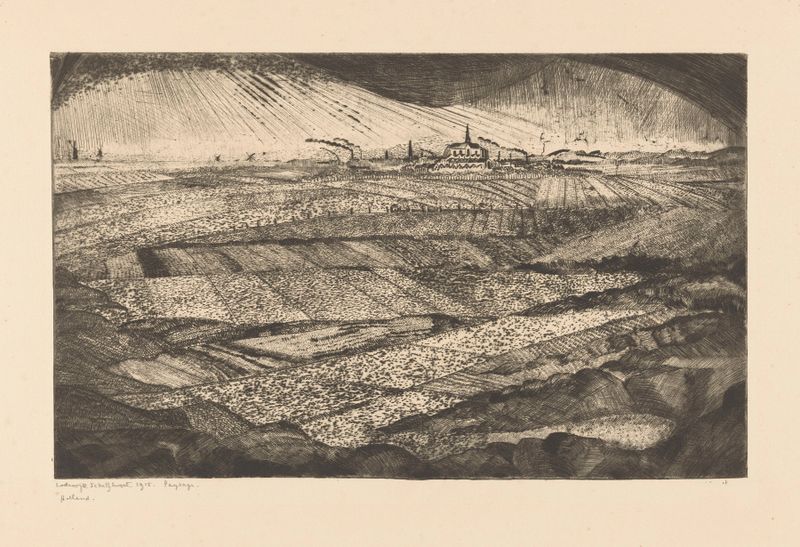
Paysage
Lodewijk Schelfhout
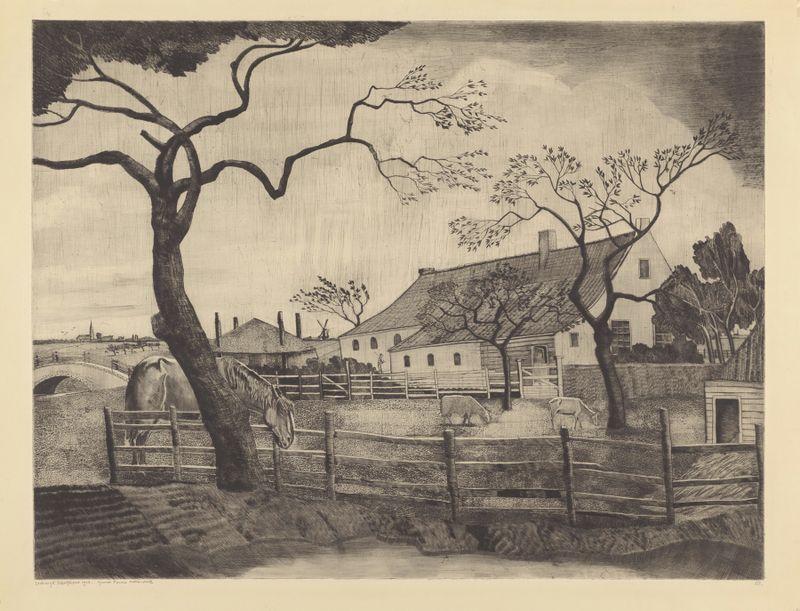
Boerderij met vee in Holland
Lodewijk Schelfhout
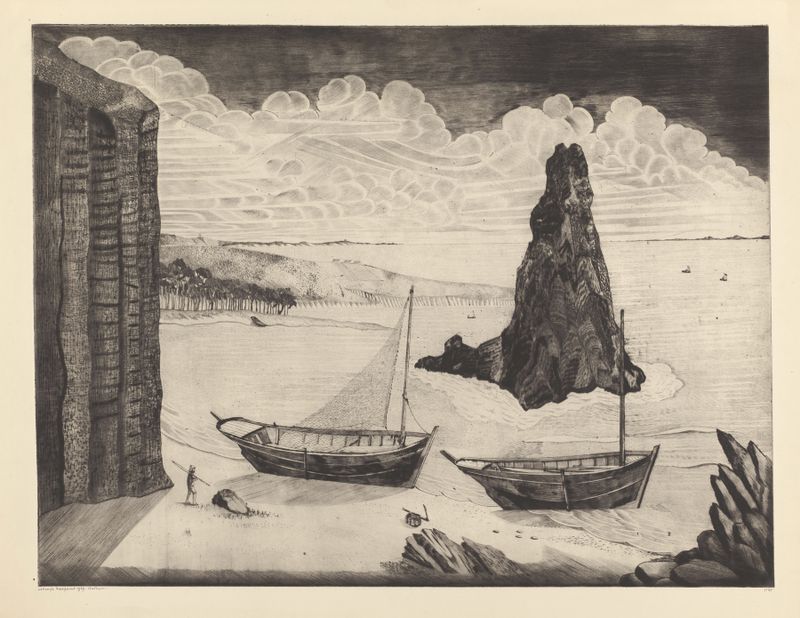
Twee afgemeerde schepen op een strand
Lodewijk Schelfhout
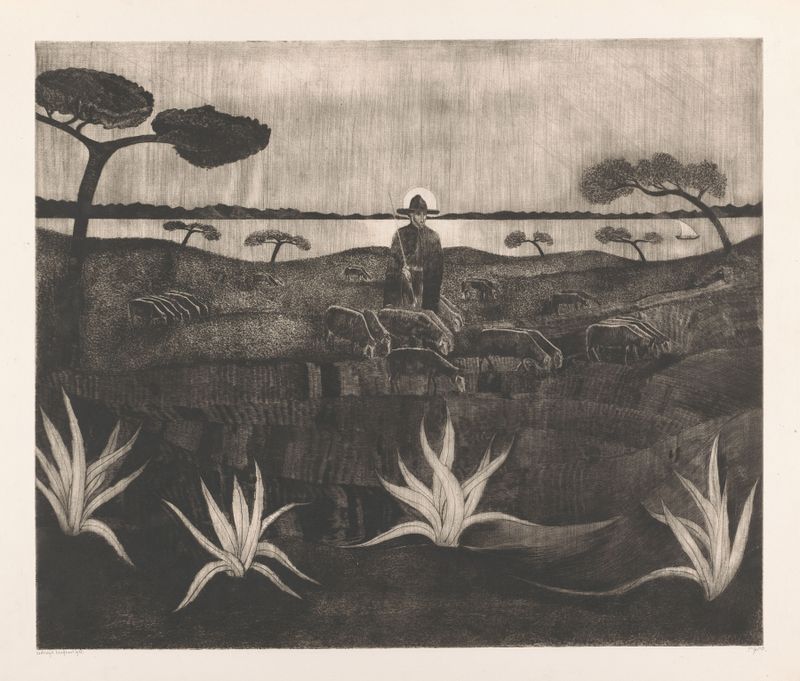
Herder met een kudde schapen in een heuvellandschap
Lodewijk Schelfhout
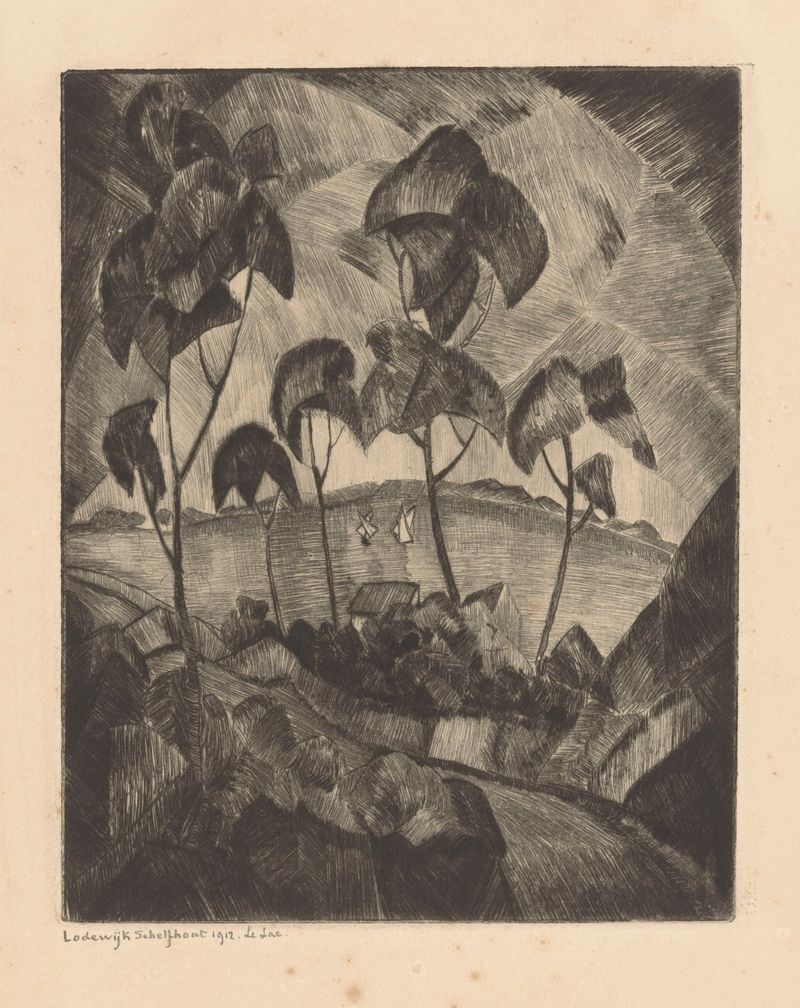
Meer in een heuvellandschap Le Lac
Lodewijk Schelfhout

Heuvellandschap met sparren
Lodewijk Schelfhout

Berglandschap met aquaduct L’Aqueduc
Lodewijk Schelfhout