
Het Tolhuis aan de Buiksloterweg te Amsterdam (overzijde van het IJ) — History & Facts
What secret hides in the quiet of the canvas? Within the stillness, a contemplation of destiny unfolds, inviting us to ponder the paths we choose and those we leave behind. Look to the foreground where the subtle brushstrokes delineate the modest yet charming structure of the Tolhuis. Notice how the artist captures the textured façade, bathed in the gentle light of dusk, creating a sense of warmth that contrasts with the cool blues of the sky. The carefully placed horizon line invites your gaze to wander across the expanse of water, where the reflections dance, blurring the boundaries between land and sky.
Each stroke conveys not only architectural detail but also a profound serenity that envelops the scene. Delve deeper into the composition, and you will uncover layers of emotional resonance. The quietness of the landscape suggests a moment suspended in time, evoking feelings of nostalgia and introspection. The juxtaposition of the sturdy building against the vast, open sky hints at the fragility of human existence amidst nature’s grandeur.
As the light fades, one can sense the inevitability of change, symbolizing the perpetual march of time and the legacies we leave behind. Wenckebach painted this piece in the mid-20th century, a time when Amsterdam was grappling with its own identity amidst post-war reconstruction. As he rendered the Tolhuis, a historic café and lookout point, he captured not only a personal love for his city but also a moment in history when the ordinary could hold extraordinary meaning. It reflects a shift in artistic expression during a period favoring realism and a deep connection to the surrounding environment.
More Artworks by Willem Wenckebach
Browse all →
Bakkersgang te Amsterdam
Willem Wenckebach

Oude huizen aan het Markenplein te Amsterdam
Willem Wenckebach

Oude huizen aan het Waterlooplein te Amsterdam
Willem Wenckebach
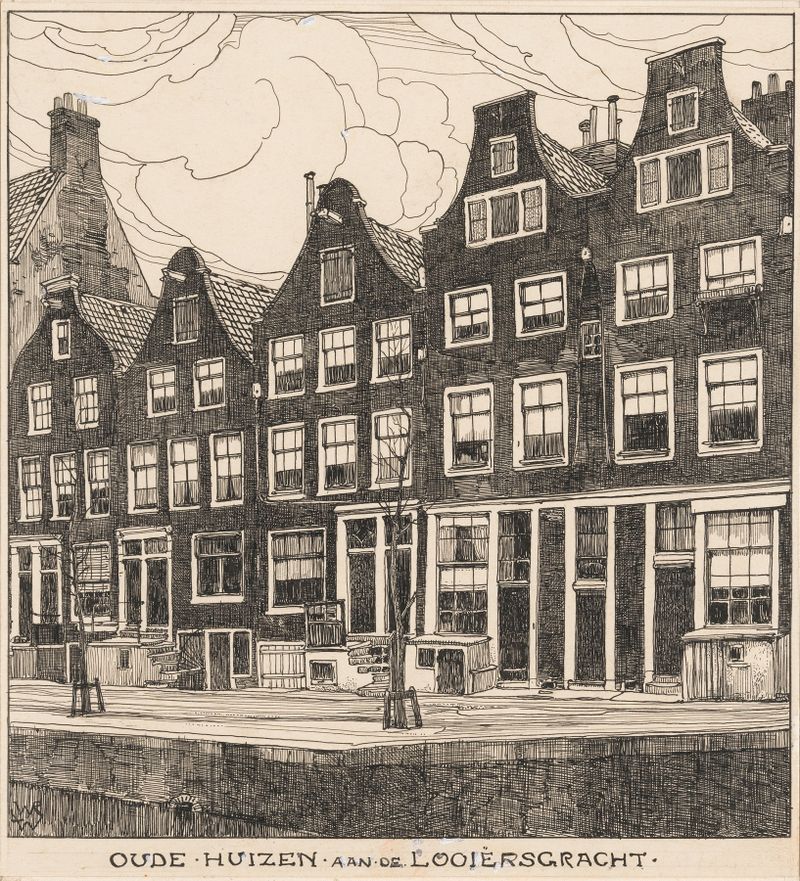
Oude huizen aan de Looiersgracht te Amsterdam
Willem Wenckebach
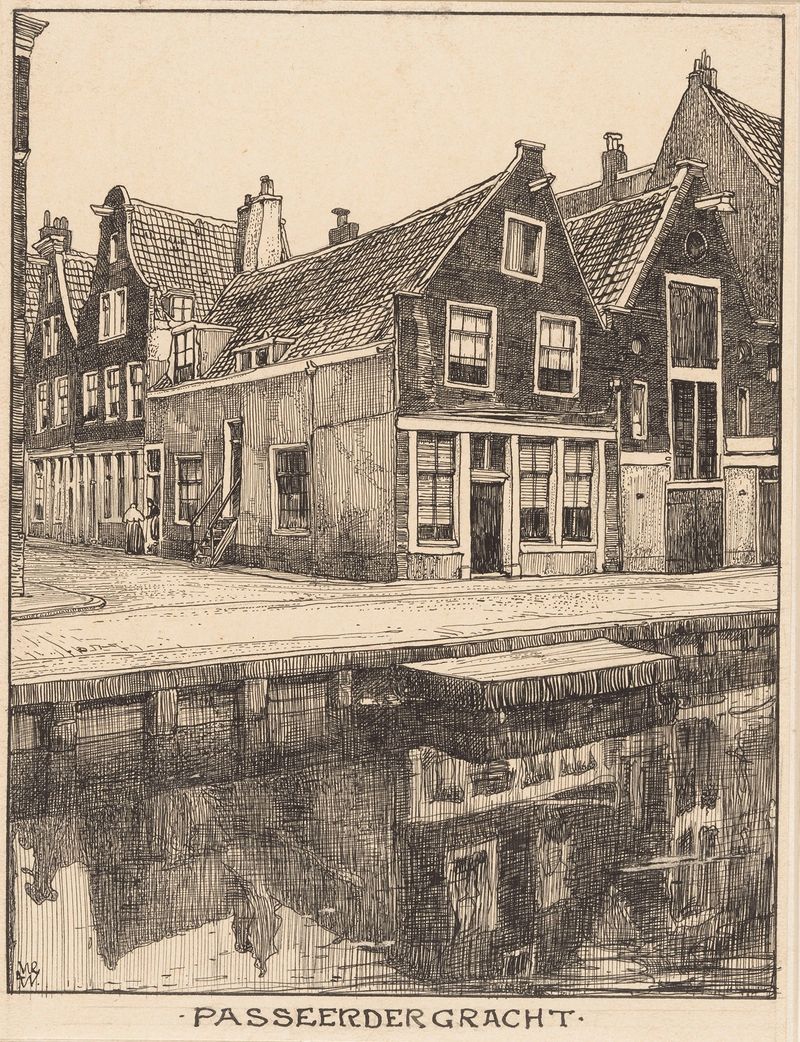
Passeerder Gracht te Amsterdam
Willem Wenckebach
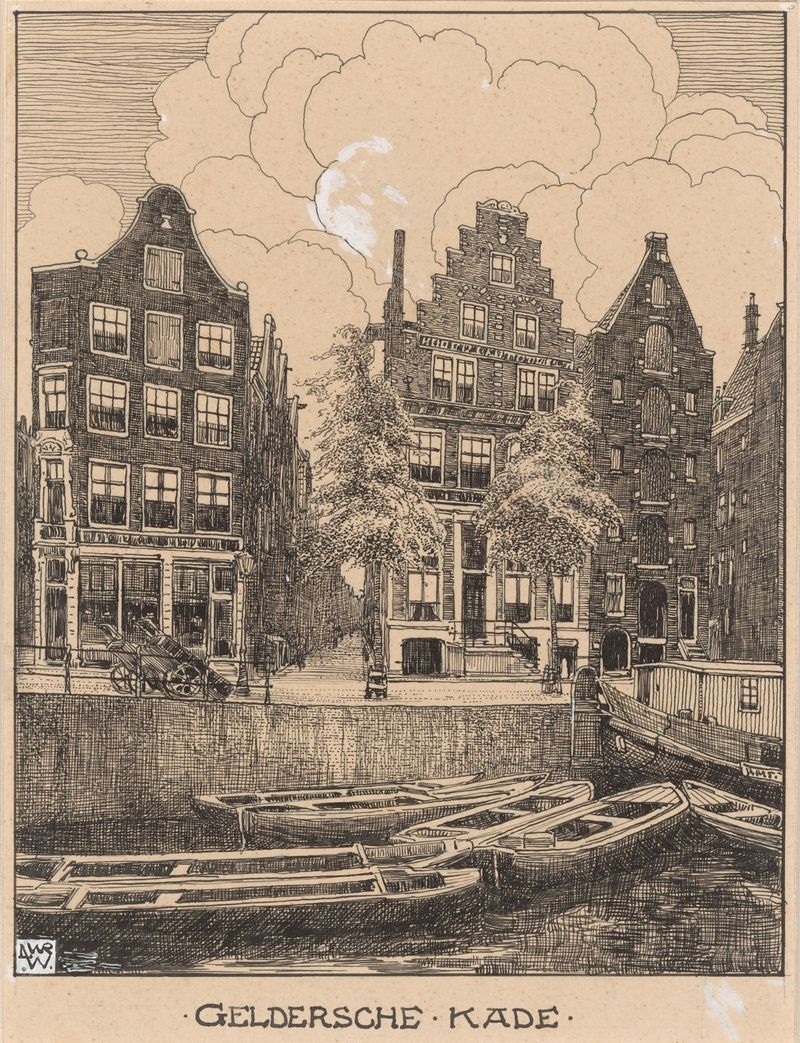
De Gelderse Kade te Amsterdam
Willem Wenckebach
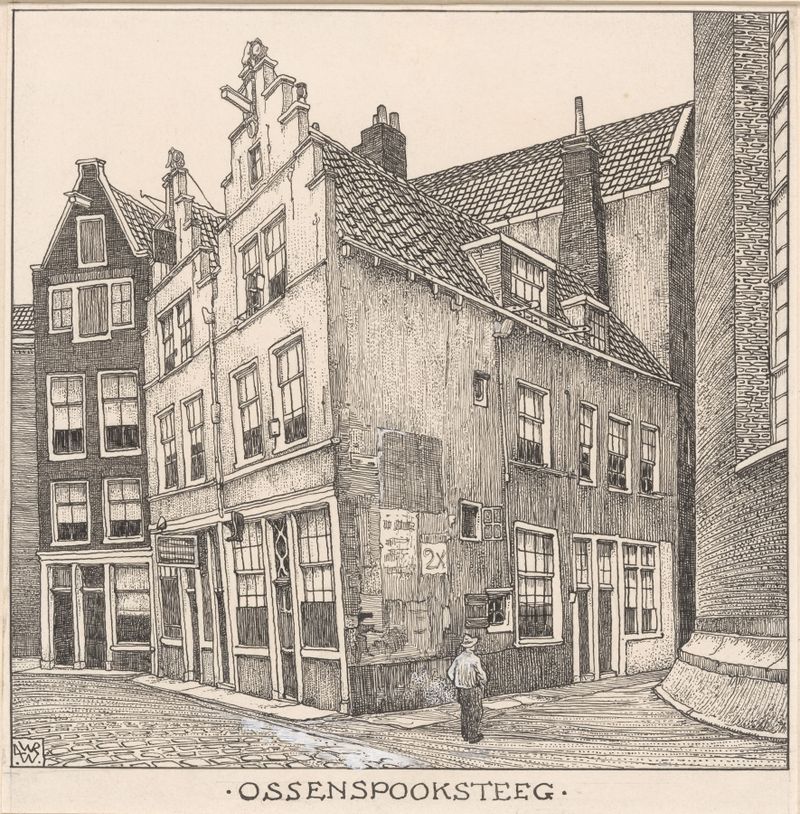
De Ossenspooksteeg te Amsterdam
Willem Wenckebach

Het Beurspleintje te Amsterdam
Willem Wenckebach
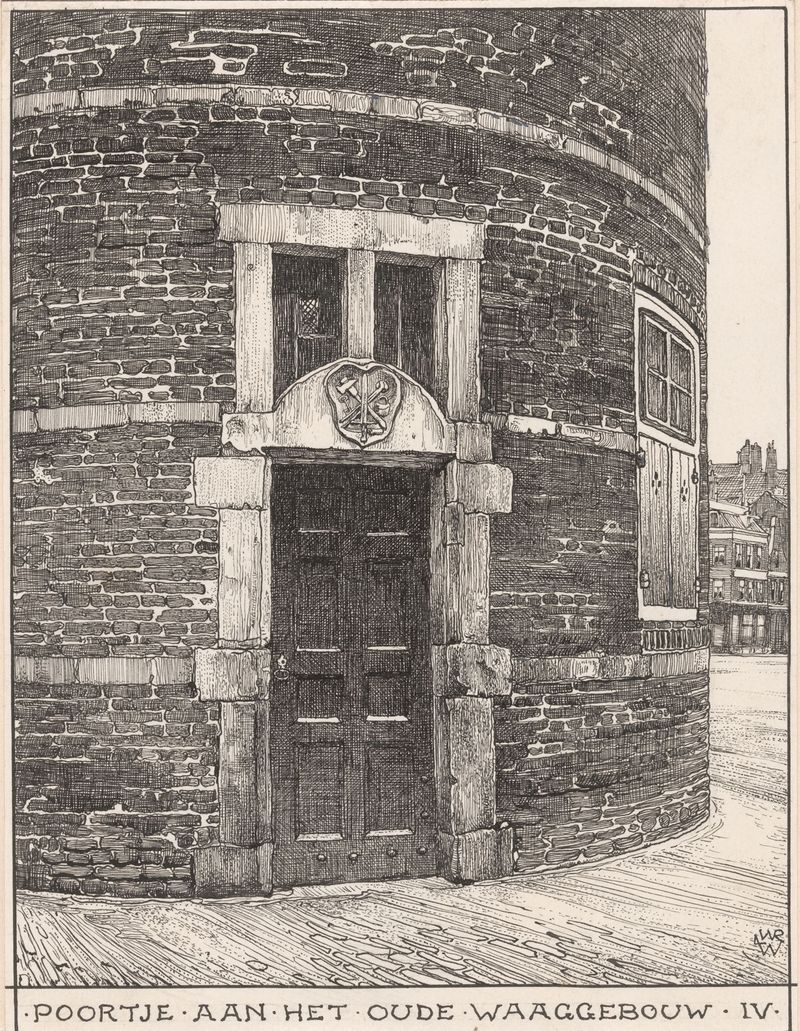
Poortje aan het oude Waaggebouw te Amsterdam
Willem Wenckebach

Torensluis te Amsterdam
Willem Wenckebach
More Architecture Art
Browse all →
The statue of Liberty
Frédéric Auguste Bartholdi

View of Houses in Delft, Known as ‘The Little Street’
Johannes Vermeer

View of Houses in Delft, Known as ‘The Little Street’
Johannes Vermeer

The Cathedral in Rouen. The portal, Grey Weather
Claude Monet

The yellow house
Vincent van Gogh

The Church in Auvers-sur-Oise, View from the Chevet
Vincent van Gogh