
Het veerhuis aan de Lek bij Schoonhoven — History & Facts
In this quiet embrace of color and form, we witness a profound longing that transcends the physical realm. The nuances of desire carve pathways through the heart of the viewer, inviting a connection that feels both personal and universal. Look to the left where the riverbank gently curves, leading your gaze toward a serene edifice nestled against a soft horizon. The brush strokes reveal the textures of the building with remarkable precision while the warm, golden hues of the sky suggest the waning light of day.
Notice how the reflections dance upon the water’s surface, harmonizing the atmosphere with a sense of tranquility that reigns over the scene. The palette—rich ochres mingling with cool blues—creates a striking contrast, emphasizing the serenity of the landscape and the stability of the structure against nature's fluidity. Beneath this calm exterior lies a deeper narrative. The veerhuis, a house of transition, symbolizes both physical and emotional journeys, capturing the essence of desire for movement and connection.
The interplay of light and shadow evokes a sense of nostalgia, suggesting stories untold and paths not taken. It is a moment suspended in time, where the observer is compelled to reflect on their own unfulfilled yearnings and the transient nature of life itself. Created between 1761 and 1828, Het veerhuis aan de Lek bij Schoonhoven was painted during a period when Joseph Adolf Schmetterling was exploring the intersection of landscape and emotional depth. Living in the Netherlands, where the interplay of water and land influenced daily life, he sought to encapsulate the beauty of his surroundings while inviting viewers into a shared experience of longing and tranquility.
This artwork stands not just as a representation of a location, but as a poignant reminder of the desires that bind us all.
More Artworks by Joseph Adolf Schmetterling
Browse all →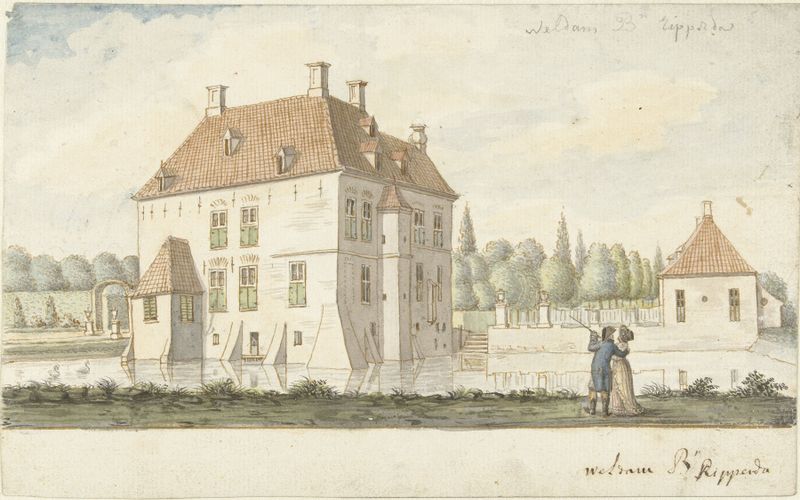
Kasteel ‘t Weldam bij Goor
Joseph Adolf Schmetterling

Het dorp Molenaarsgraaf in de Alblasserwaard
Joseph Adolf Schmetterling
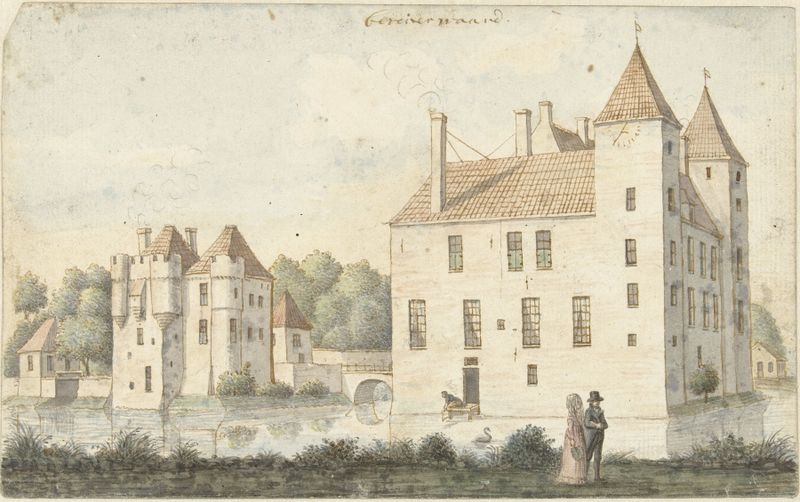
Kasteel Beverweerd
Joseph Adolf Schmetterling
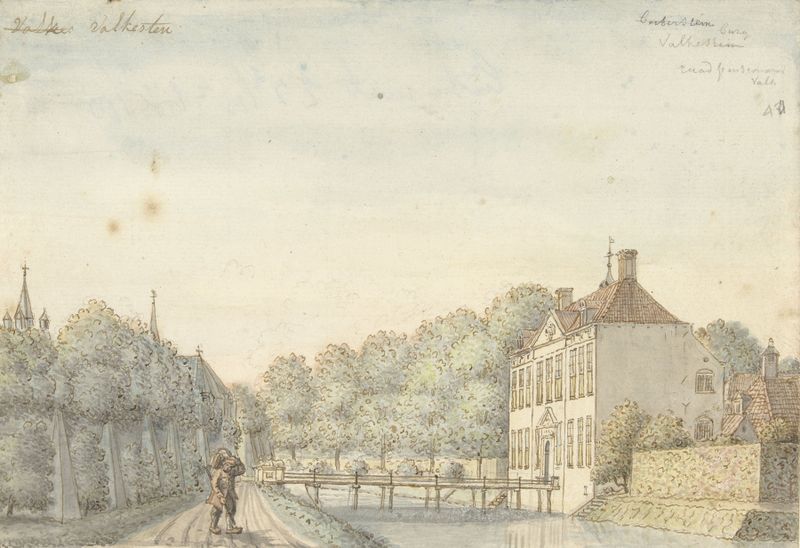
Huis Barbistein in Heinkensand
Joseph Adolf Schmetterling

Straat in het dorp Oosterland op Duiveland
Joseph Adolf Schmetterling
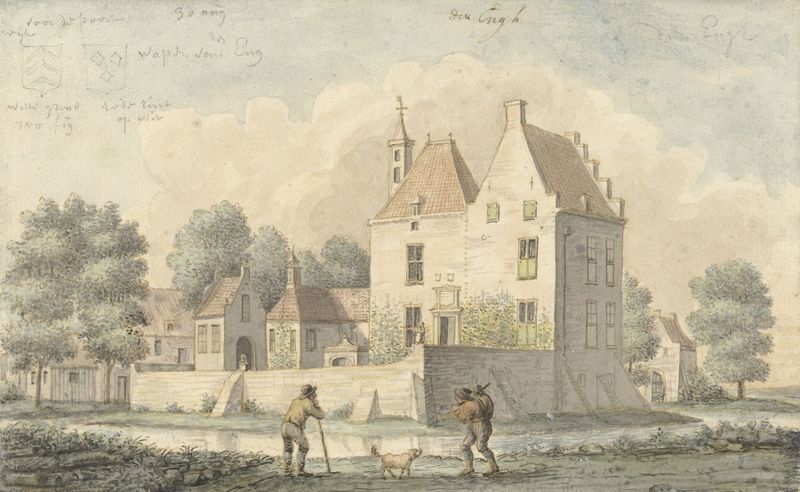
Kasteel De Eng bij Vleuten
Joseph Adolf Schmetterling





