
Straat in het dorp Oosterland op Duiveland — History & Facts
Can paint confess what words never could? The canvas breathes sorrow, capturing a moment that lingers in the quiet corners of the heart, where grief resides unspoken. Look to the left at the somber line of trees, their branches heavy with the weight of unexpressed emotions. The muted palette of earthy greens and greys envelops the scene, drawing you into the narrow street that winds through the village of Oosterland. Soft strokes create a sense of stillness, while the light, dim and diffused, seems to filter through a veil of melancholy, echoing the heaviness of the air. Beneath the apparent simplicity of the composition lies a tapestry of contrasts.
The tension between the vibrant life of the village and the desolation of the solitary house hints at a story of loss—perhaps a memory of those who no longer dwell within its walls. Shadows linger, suggesting that the passage of time has not erased the ghosts of the past. Each brushstroke appears to capture an essence of longing, as if the artist himself mourned what was both seen and felt in that quiet, forgotten corner of the world. In 1822, the artist was immersed in the Romantic movement, painting in the Netherlands during a time of personal reflection and societal change.
The period was marked by a yearning for deeper understandings of emotion and nature, and Schmetterling was influenced by these sentiments. This piece emerged from a world teetering on the edge of modernity while still steeped in the traditions of rural life, a poignant reminder of the fragile beauty found in the everyday.
More Artworks by Joseph Adolf Schmetterling
Browse all →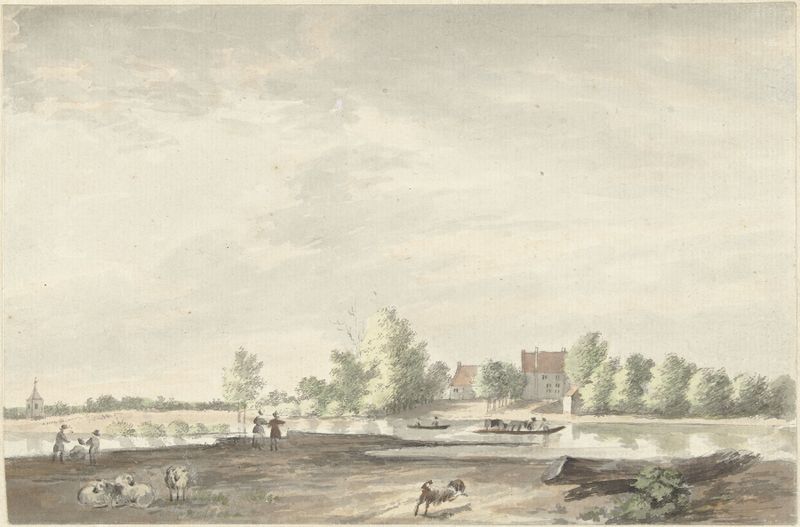
Het veerhuis aan de Lek bij Schoonhoven
Joseph Adolf Schmetterling
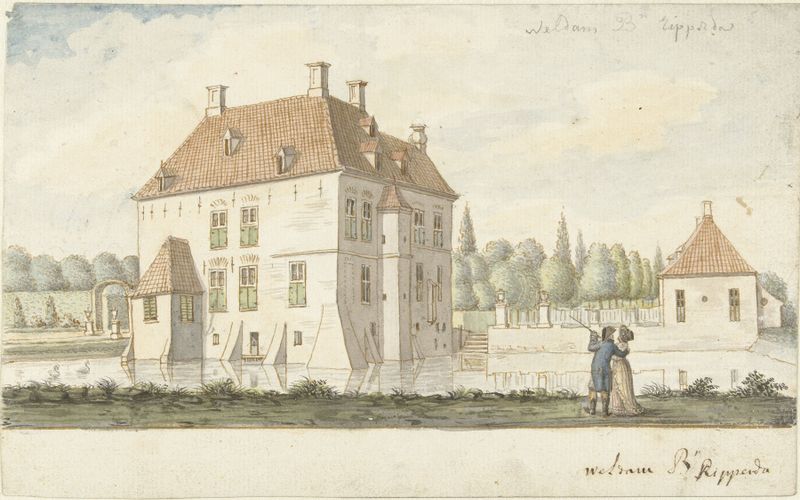
Kasteel ‘t Weldam bij Goor
Joseph Adolf Schmetterling

Het dorp Molenaarsgraaf in de Alblasserwaard
Joseph Adolf Schmetterling
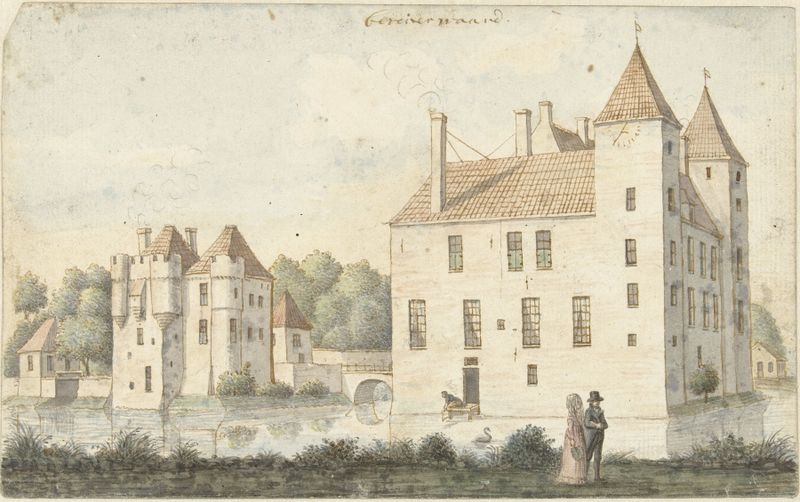
Kasteel Beverweerd
Joseph Adolf Schmetterling
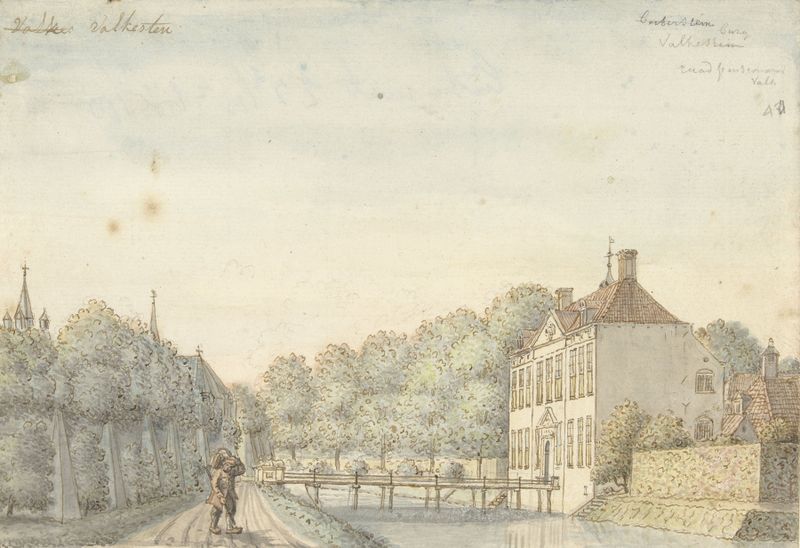
Huis Barbistein in Heinkensand
Joseph Adolf Schmetterling
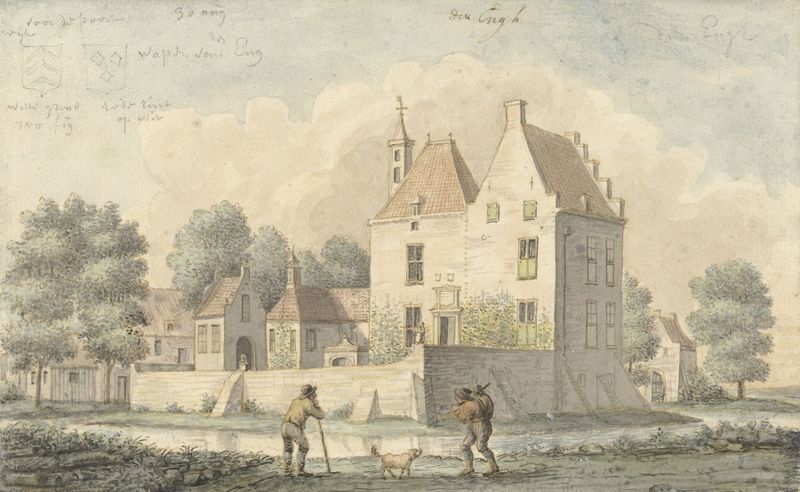
Kasteel De Eng bij Vleuten
Joseph Adolf Schmetterling





